US tightens AI chip export controls to curb China's access amid Jensen Huang affair scandal
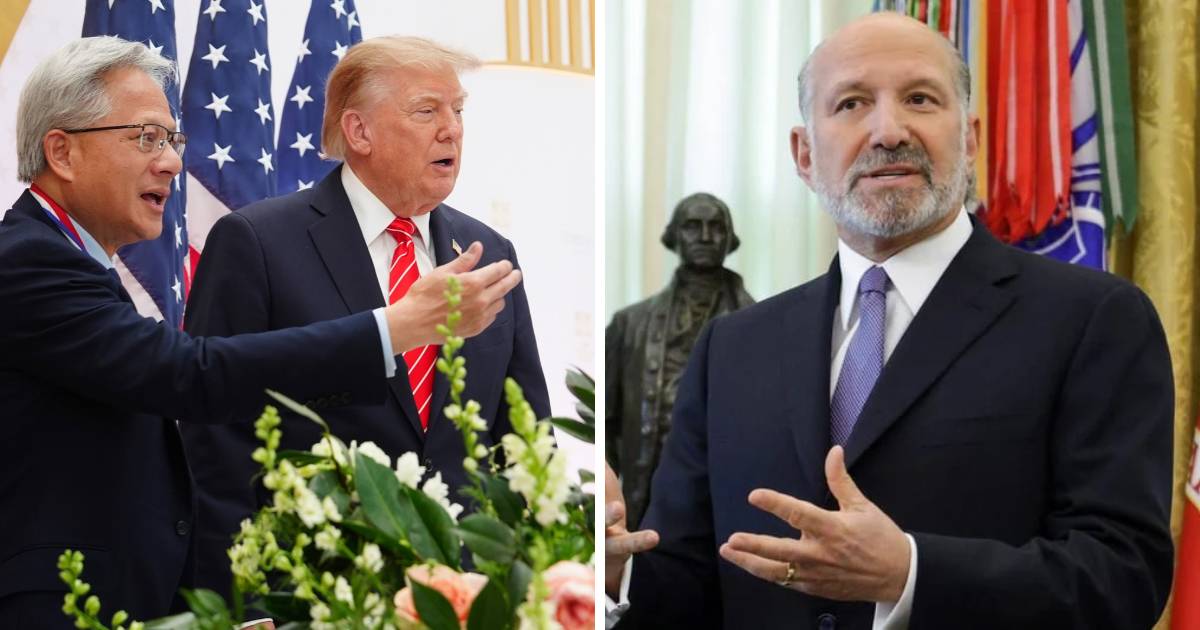
WASHINGTON, DC: As Washington grapples with the fallout from the Jensen Huang affair scandal, the Commerce Department's Bureau of Industry and Security is moving to close a loophole that has allowed Chinese companies to lease computing power from Nvidia's advanced AI chips.
The regulation, formally known as an interim final rule, seeks to crack down on overseas data centres and chip smuggling as scrutiny mounts over whether the department is doing enough to prevent sensitive technology from reaching China.
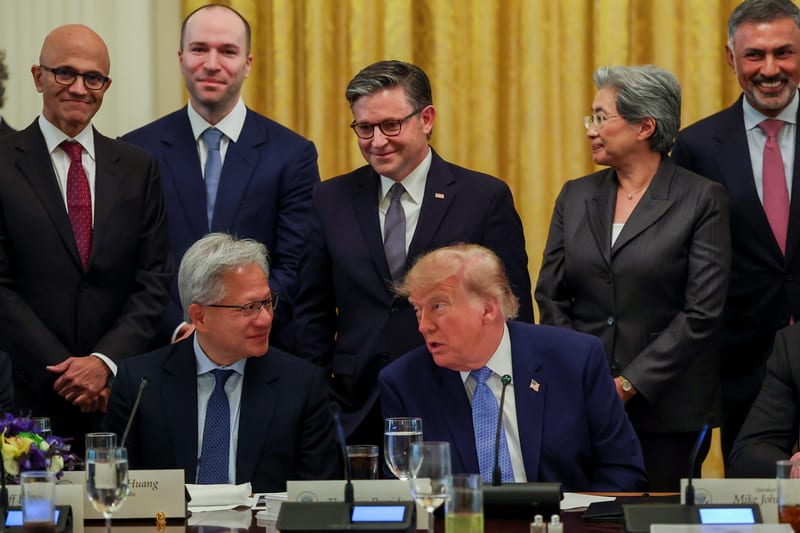
The department has been facing questions after Nvidia’s former CEO confessed to having an affair with Alice Huang, a former Megaspeed executive whom US intelligence agencies reportedly suspected of working as an asset for China's Ministry of State Security.
Huang's exit has heightened concerns that China and other nations could access Nvidia's advanced chips by renting computing resources through data centers in Southeast Asia.
The Commerce Department rolls out new interim rule
Under the new rule, data centre customers in Indonesia, Malaysia, Singapore, Thailand and Brazil will need a special licence from the US Commerce Department to purchase advanced AI chips from American companies such as Nvidia and AMD.
Businesses in these countries have purchased billions of dollars worth of high-end chips in recent years, raising concerns that some may have been illegally diverted to China.
Issued by the department’s Bureau of Industry and Security, the rule also requires existing overseas data centre customers to obtain a similar licence if they provide substantial computing power to companies headquartered in China, Russia, Cuba or other countries subject to US technology restrictions.
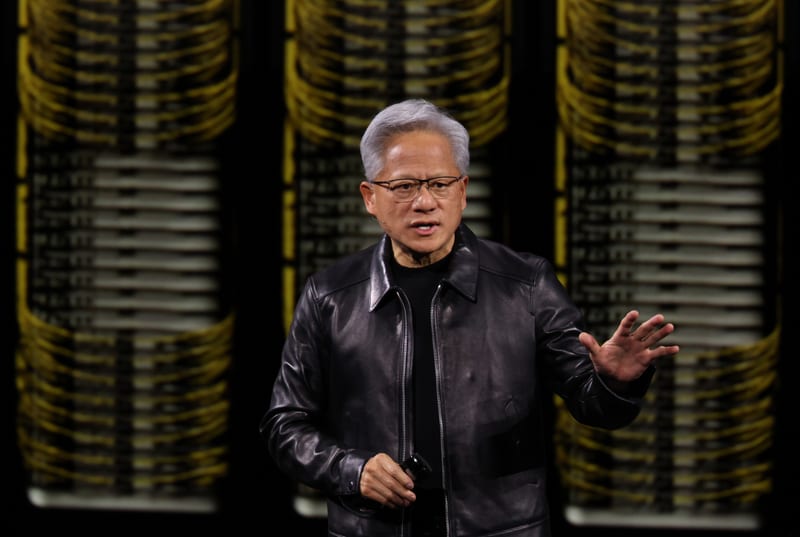
This comes amid concerns that companies in these regions have been allowing Chinese businesses to remotely access advanced American AI chips, potentially bypassing restrictions on their direct use within China.
According to the text of the rule, it is designed “to prevent certain foreign actors from leveraging advanced computing power based on US technology to threaten US national security and foreign policy interests.”
The rule aims to align remote-access protections with existing controls governing physical access to sensitive American technology, the Commerce Department said.
Existing regulations on chip exports apply only to the most advanced semiconductors. "Selling the other chips is a good thing, not a bad thing," President Trump said in remarks at the White House on Monday.
Commerce Secretary Howard Lutnick under fire over the fallout
The rule came as Commerce Secretary Howard Lutnick found himself in hot water over allegations that his department is not doing enough to prevent possible diversion of Nvidia’s most advanced chips to China in violation of American export controls.
Last week, Treasury Secretary Scott Bessent blamed the Commerce Department for not putting Singapore-based Megaspeed on its “entity list,” which would restrict certain exports to it.
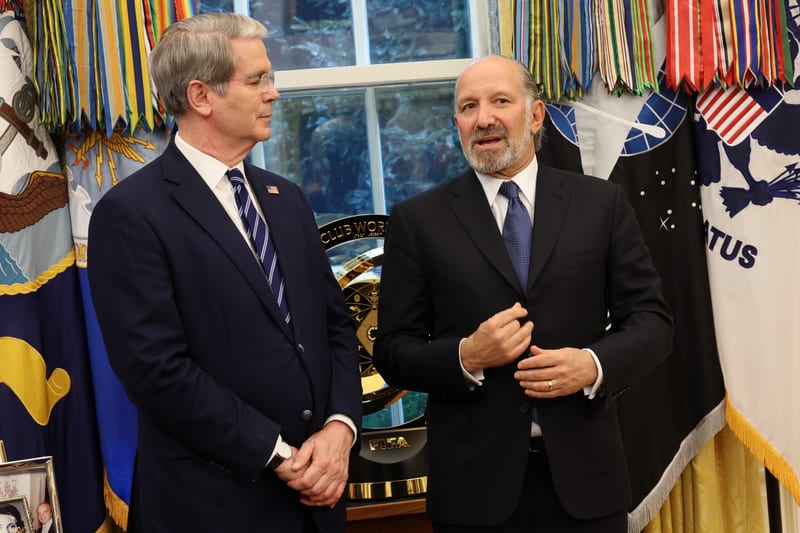
His remarks, which suggested divisions within the administration, came after Axios reported that Bessent had questioned Lutnick in the White House Situation Room last week over his reluctance to impose export controls, particularly on Megaspeed.
According to Axios, Lutnick has “repeatedly stood in the way” of efforts to crack down on companies suspected of diverting Nvidia’s advanced AI chips to China.
However, Commerce Department spokesperson Kristen Eichamer told CNBC on Wednesday that Bessent and Lutnick had “no such conversation” in the Situation Room.