DOJ launches $3.5B immigration grant surge as ‘Make America Safe Again’ reshapes victim services
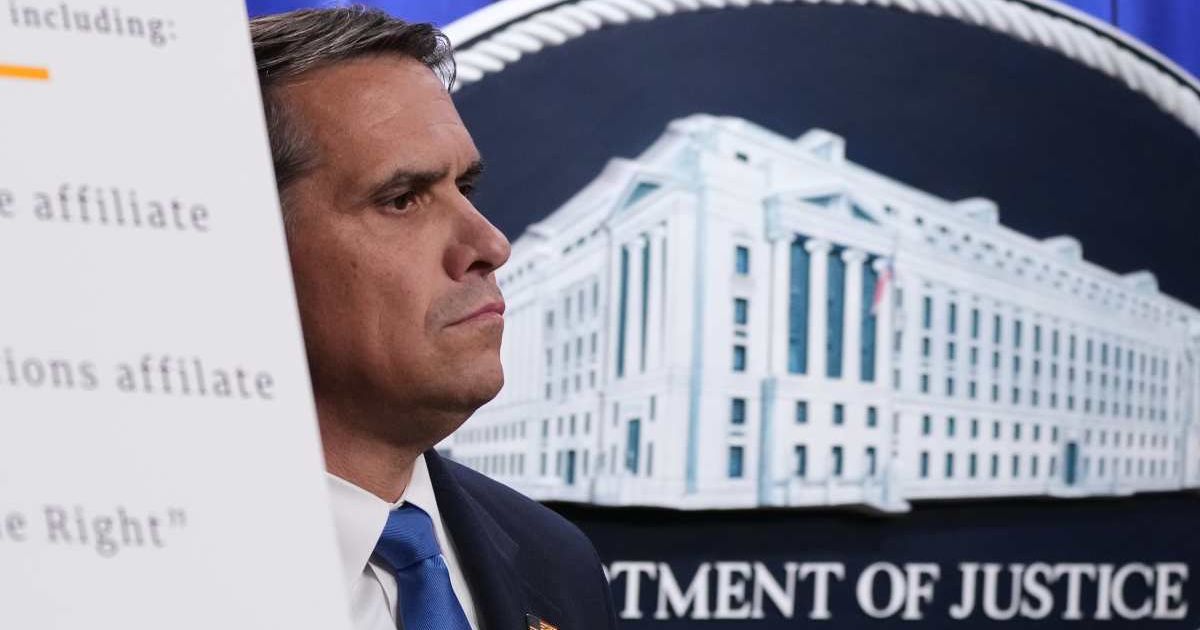
WASHINGTON, DC: On the first anniversary of the most sweeping grant terminations in history, the Justice Department is preparing to flood the law enforcement sector with up to $3.5 billion in new funding.
Sources familiar with the plans indicate this massive solicitation, largely fueled by the “One Big Beautiful Bill Act,” will prioritize immigration enforcement, the construction of detention facilities, and advanced police surveillance.
The Justice Department is moving forward with a significant funding shift, redirecting millions of dollars from existing grant programs toward initiatives aligned with the administration’s “Make America Safe Again” priorities.
A department official confirmed that discretionary funds not tied to that mission are being reallocated, with an increased focus on law enforcement and immigration-related activities.
The shift marks a notable change in how federal justice funds are distributed, with resources being pulled from areas such as substance abuse programs and hate crime prevention to support enforcement-driven efforts.
The reallocation comes as part of a broader restructuring of departmental spending priorities.
Billions for detention and immigration surveillance
At the center of the new funding structure is a $3.5 billion allocation aimed at reimbursing state and local agencies for immigration-related enforcement costs incurred between 2021 and 2028.
This includes a $300 million solicitation issued Tuesday to support local prosecutors serving as temporary special assistant US attorneys.

These prosecutors are expected to assist the National Fraud Enforcement Division, which is focused on investigating public benefits fraud involving individuals residing in the country without legal status.
The funding comes with specific conditions. Agencies receiving grants must agree to full cooperation with federal immigration authorities.
Additionally, the guidelines prohibit the use of these funds for violence prevention or reduction programs, marking a clear shift from previous funding models that supported community-based initiatives.
Victim services programs facing ‘lethal’ collapse
At the same time, several victim support programs have been affected by the reallocation.
Since the start of the current administration, more than 350 grants have been terminated, impacting services for victims of human trafficking and sexual assault.

Advocacy groups say the changes have led to layoffs and the closure of some programs.
Claire Selib of the National Organization for Victim Advocacy stated that funding delays and cancellations are “literally killing programs,” highlighting the strain on organizations providing direct support.
The department has also redirected $117 million from grants originally designated for initiatives such as assisting missing children and addressing sexual assault kit backlogs.
According to officials, some of these funds have been used to address operational needs in immigration courts and detention facilities.
Administrative disarray stalls regular funding
The transition has also affected the rollout of traditional grant programs.
Several initiatives, including the Edward Byrne Memorial Justice Assistance Grant (JAG), experienced delays of up to a full fiscal year before new funding solicitations were issued.
Organizations that rely on these programs have reported disruptions.
The New Kensington Community Development Corporation, for example, saw its anti-violence initiatives halted after funding appeals were denied, despite operating in areas affected by the opioid crisis.
Former officials have pointed to additional layers of review within the department as a factor contributing to delays, while the DOJ has maintained that funding decisions are being aligned with current policy priorities.
Immigration enforcement dictates new funding rules

The revised funding approach reflects a broader emphasis on immigration enforcement.
By directing a large share of resources toward detention, prosecution, and surveillance, the department is prioritizing enforcement mechanisms across federal, state, and local levels.
Advocacy organizations, including Freedom Network USA, have raised concerns that increased funding for prosecution is not being matched by support services for affected communities.