DOJ rereleases 119-page Jeffrey Epstein-Ghislaine Maxwell grand jury doc with ‘minimal redactions’
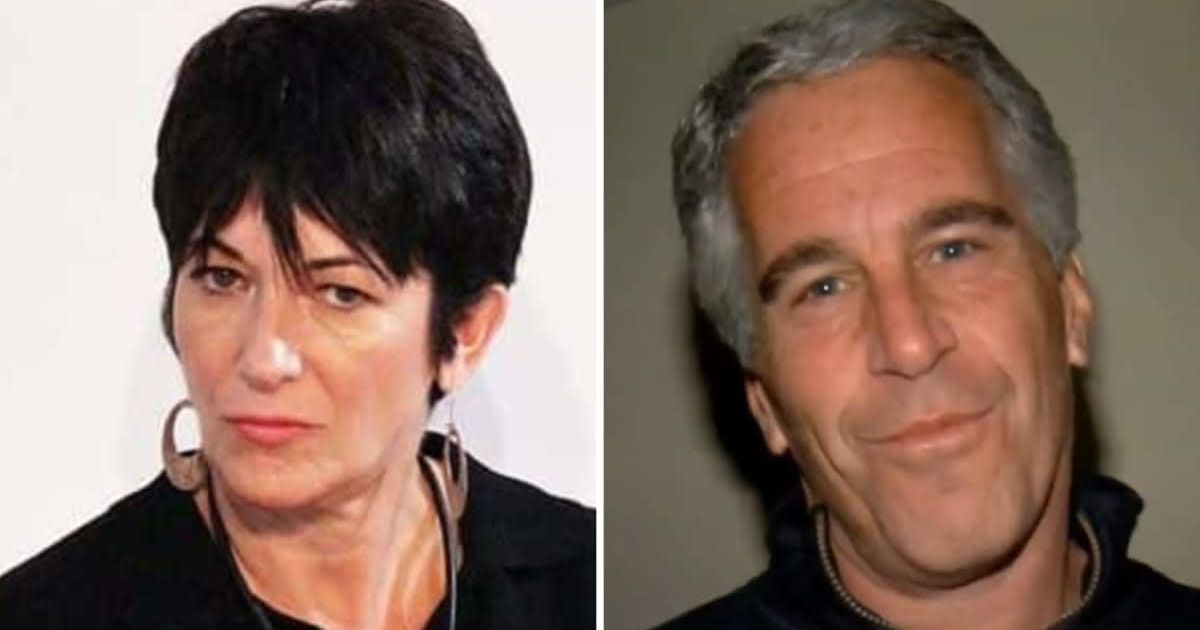
WASHINGTON, DC: The Justice Department on Sunday, December 21, rereleased a 119-page document labeled as grand jury material from the 2021 case against Ghislaine Maxwell, saying the documents now contain only “minimal redactions” after initially being released in fully blacked-out form.
The department said in a post on X (formerly Twitter) that the material was reviewed again “consistent with the law and with an abundance of caution for victims and their families,” adding that additional documents and photographs remain under review.
Here is the document now with minimal redactions. Documents and photos will continue to be reviewed consistent with the law and with an abundance of caution for victims and their families.
— U.S. Department of Justice (@TheJusticeDept) December 21, 2025
🔗: https://t.co/zQaKenMLSy https://t.co/r4HiTIplnk
The rereleased pages were part of a broader document dump tied to Jeffrey Epstein, the late disgraced financier, whose ties to powerful figures and controversial treatment by law enforcement have fueled years of public scrutiny.
Court approval cleared way for release of document

The documents stem from grand jury proceedings connected to Maxwell’s prosecution in federal court in New York. Ahead of Friday’s initial release, a federal judge approved the Justice Department’s request to unseal portions of the grand jury record, clearing a major legal hurdle that had long kept the material out of public view.
Maxwell was convicted in 2021 on multiple counts. She is currently serving a 20-year federal prison sentence. Epstein died in federal custody in 2019 while awaiting trial.
Heavy redactions in Epstein files draw criticism
The initial release of Epstein-related documents on late Friday quickly drew criticism from lawmakers, journalists, and victims’ advocates after many pages, including the 119-page document tied to Maxwell, appeared completely redacted, offering little substantive information.
The releases were mandated under recently passed legislation aimed at increasing transparency around Epstein’s crimes, his network of associates, and the government’s handling of investigations involving him.
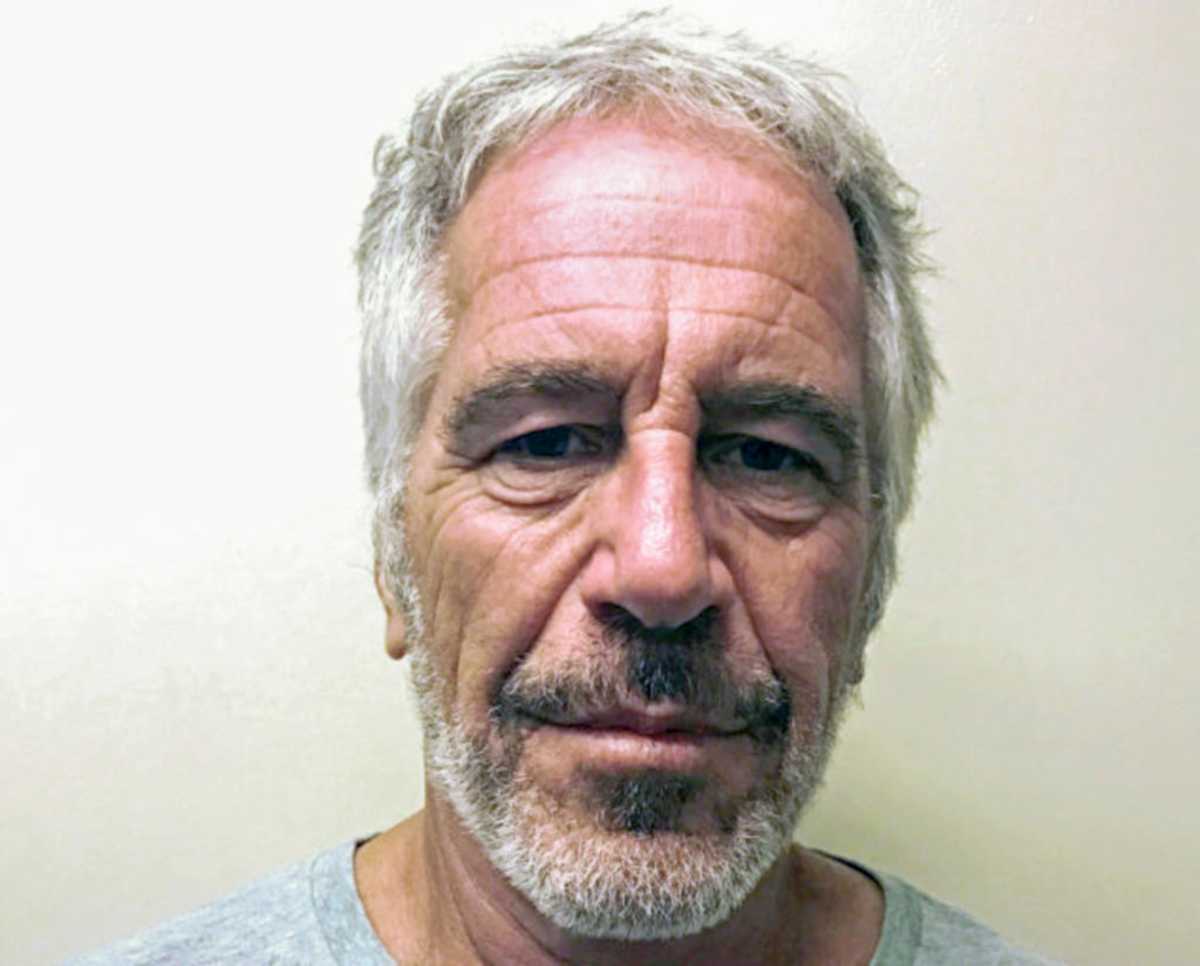
Critics argue that the extent of redactions undermined the spirit of the law and left the public with more questions than answers.
The Justice Department later acknowledged that the “size and scope” of the redaction process made it vulnerable to both machine and human error, prompting a reassessment of some files, including the 119 pages rereleased on Sunday.
Lawmakers press DOJ for transparency
The controversy has fueled mounting pressure on the Justice Department from Capitol Hill. Several Democratic lawmakers have said the department may be out of compliance with the transparency law, which requires detailed explanations of what information was released, what was withheld, and why.
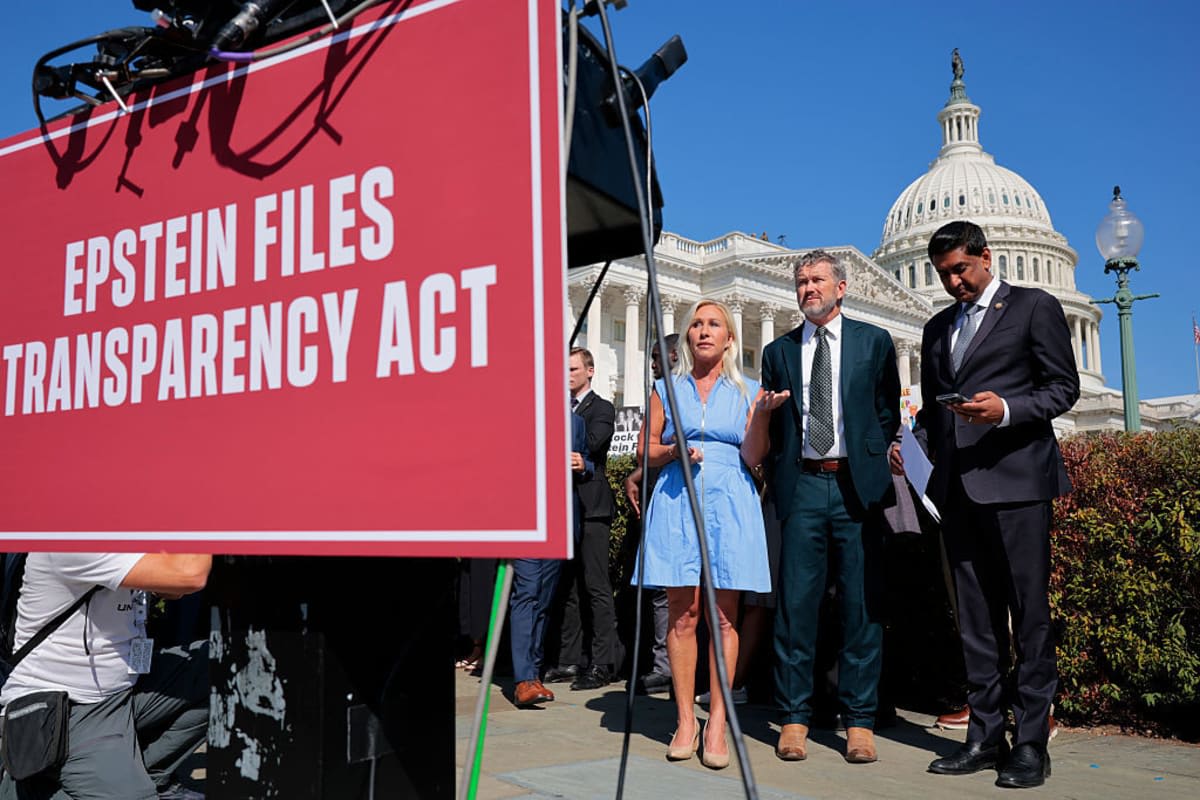
Some lawmakers, including Hakeem Jeffries, Ro Khanna, and Thomas Massie, have gone further, floating investigations and even impeachment if the administration fails to provide adequate justification for the redactions.
Victims’ advocates, meanwhile, say transparency is essential not only for accountability but also for restoring public trust in a system many believe failed to protect Epstein’s victims for years.
The Justice Department has said it will continue reviewing and releasing material on a rolling basis, insisting that victim privacy remains a guiding priority.