Fact Check: Is Trump's claim that Americans are paying lowest price for medicines true?
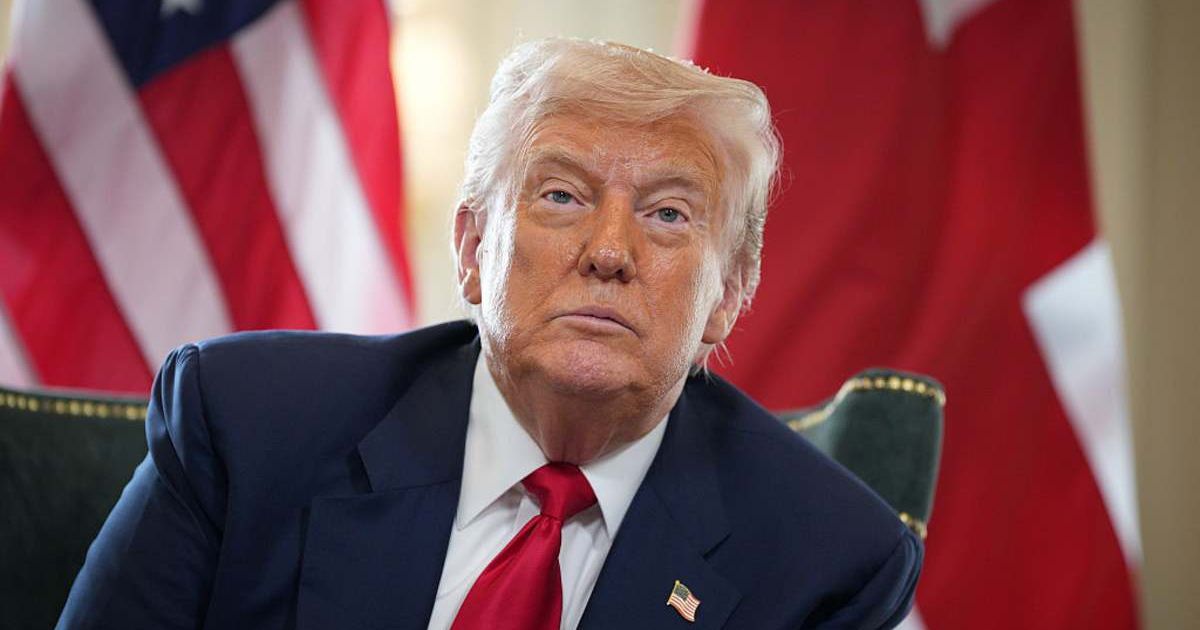
WASHINGTON, DC: Following the announcement of discounted cash prices for a small number of brand-name medicines, President Donald Trump has claimed that Americans are paying or will pay the lowest price for medicines, anywhere in the world. The announcement has sparked questions about the factuality of the claim. Let us fact-check it.
Claim: Americans are paying lowest price for medicines worldwide
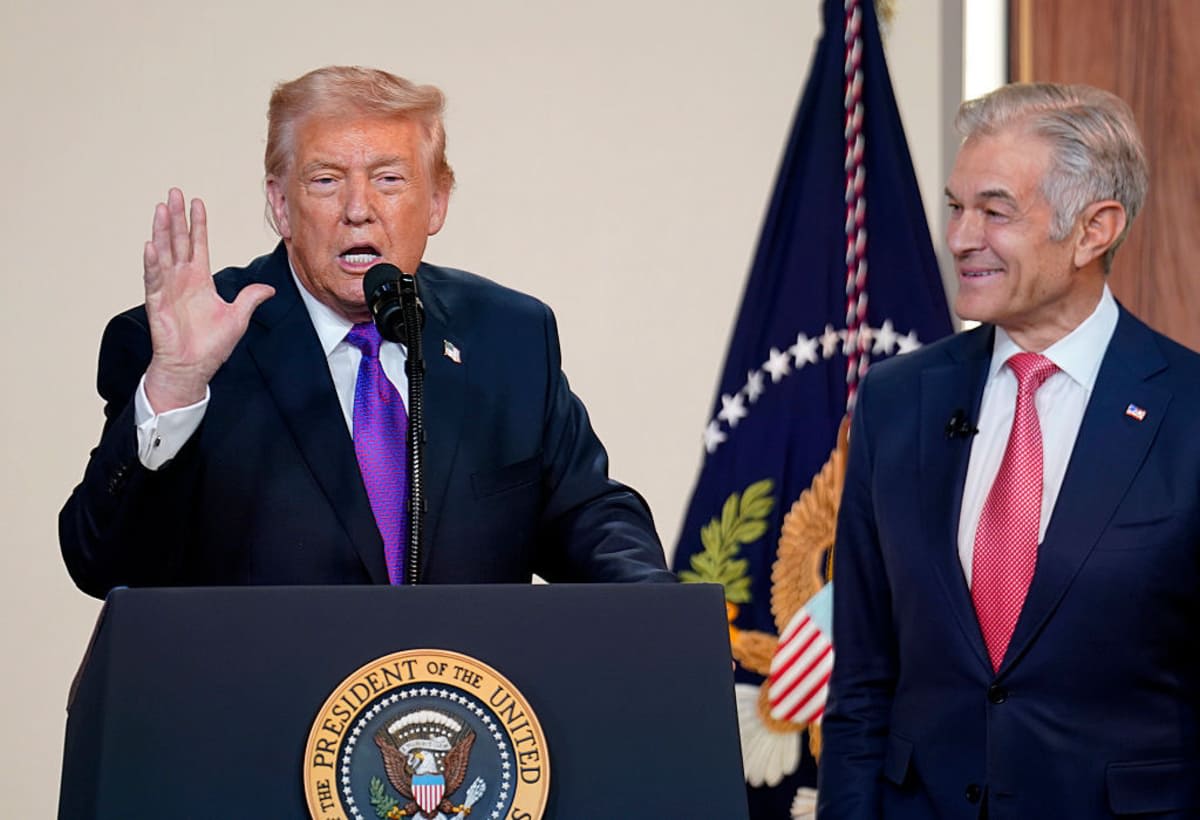
During a speech in Iowa on January 27, Trump said, “We now are paying the lowest price anywhere in the world for drugs. Every other president tried for it. They didn’t try very hard. They didn’t get anything. I got it done.”
“The American people were effectively subsidising the cost of drugs for the entire world, and it’s not going to happen any longer,” he said during the February 5 launch for TrumpRx, the new federal website pointing people toward cash prices negotiated by the administration for brand-name drugs. “We ended it.”
The TrumpRx website makes broad claims, stating that tying US drug prices to those in other countries, a policy known as 'most favoured nation' (MFN) pricing, will 'guarantee significant savings for Americans.'
Fact Check: Limited evidence of broad medicine price reductions under Trump

Trump’s efforts may have lowered prices for some consumers buying certain drugs, but according to experts, there’s no guarantee of substantial savings for Americans in general.
Although important details have not been fully revealed, the Trump administration's efforts to control drug prices have so far resulted in voluntary agreements with 16 companies.
Manufacturers have committed to introducing new or Medicaid-eligible medications at most favoured nation (MFN) prices and to offering discounts on specific medications to uninsured patients who pay cash.
Tariff exemptions and other advantages, such as exemption from future mandatory MFN pricing requirements, have reportedly been extended to the companies in exchange.
“With rare exception, the negotiations with drugmakers don’t appear to have translated into actual savings for people at the pharmacy counter or for public or commercial payers yet,” Rena Conti, a health economist at Boston University Questrom School of Business, told Factcheck.org.
These exceptions include certain weight loss and fertility drugs, which are often not covered by insurance to begin with and are now being offered at reduced cash prices, she said.
It is challenging to assess general assertions regarding price trends because there isn't a single, unambiguous standard for monitoring drug prices in the US.
The majority of consumers pay less because of rebates and discounts, even though businesses publish list prices. Nevertheless, there is no proof that the listed drug prices have decreased significantly.