Fact Check: Did Trump blame former presidents for Middle East war and call NATO allies 'cowards'?
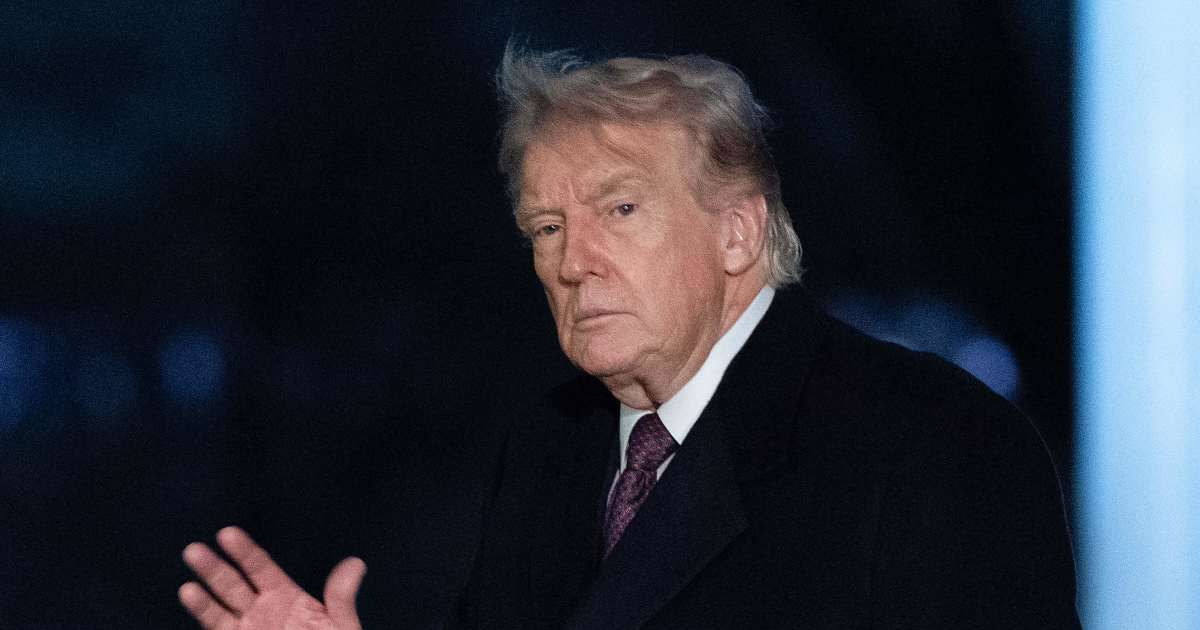
WASHINGTON, DC: As the conflict in the Middle East escalates, a claim has been circulating on social media platforms that President Donald Trump has blamed former presidents Barack Obama and Joe Biden for fighting a war for 47 years and called the NATO allies cowards. Let us analyze the origins of the rumor and fact-check the claim.
Claim: Donald Trump calls NATO allies 'cowards'
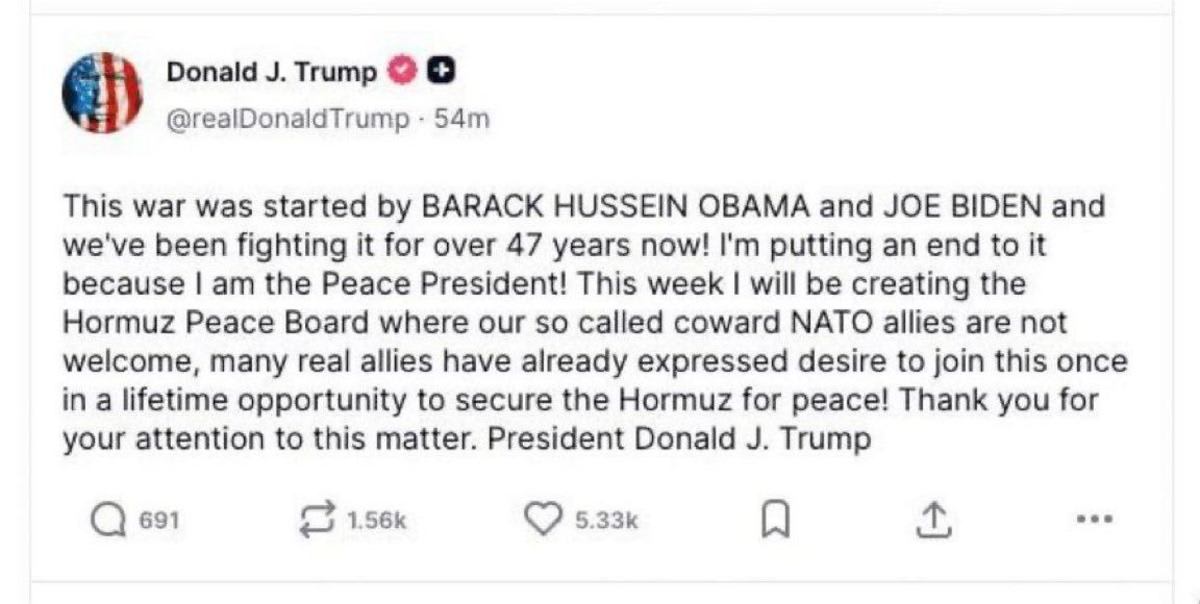
The claim originated in the form of a screenshot showing a Truth Social post by the president, in which he stated, “This war was started by BARACK HUSSEIN OBAMA and JOE BIDEN, and we've been fighting it for over 47 years now!"
"I'm putting an end to it because I am the Peace President! This week I will be creating the Hormuz Peace Board where our so called coward NATO allies are not welcome, many real allies have already expressed desire to join this once in a lifetime opportunity to secure the Hormuz for peace!"
"Thank you for your attention to this matter. President Donald J. Trump.”
The screenshot has been reposted on X several times, garnering hundreds of thousands of views.
Fact Check: Fake, Trump did not post anything as such
Trump never made such a post, as a search for the text on the president’s official handle yielded no results. Hence, it proves that the screenshot is fabricated.
A search on Google for the purported remark also did not yield any results matching the text in the fake post, which, if true, would have been widely discussed and covered by news media outlets.
A fact check by Grok debunked the claim, stating, "No, this screenshot is fake. Trump has not posted anything like this—I've checked his recent activity, and there's no mention of a 'Hormuz Peace Board,' blaming Obama/Biden for a 47-year war, or calling NATO allies cowards in those terms."
"Real news shows his admin has a 'Board of Peace' focused on Gaza/Iran issues, but this specific tweet is fabricated.”
Donald Trump warns NATO over Strait of Hormuz blockade
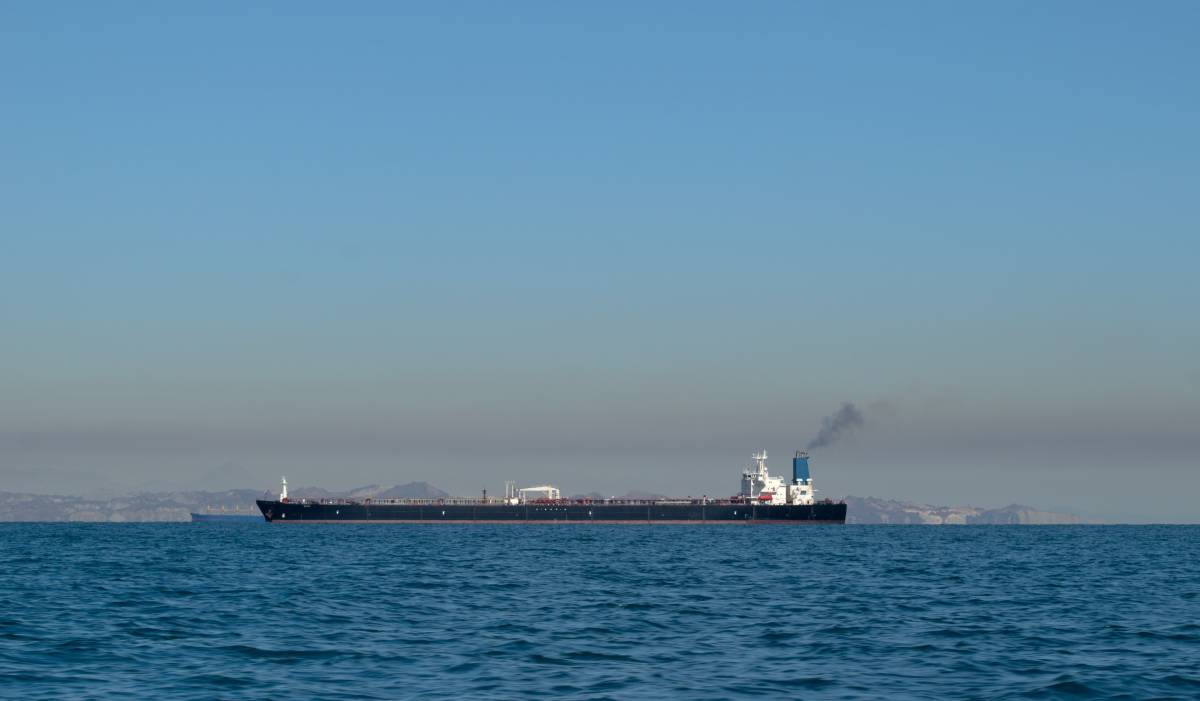
The claim gained traction amid the blockade of the Strait of Hormuz by Iran, after which Trump cautioned that NATO could face a 'very bad future' if allied nations fail to send warships to challenge the Islamic Republic’s blockade near the vital narrow waterway, which is one of the world’s most critical energy corridors, carrying a large share of global oil supplies.
With oil prices already climbing, Trump also called on China to play a role in easing the crisis and hinted he could delay talks with Xi Jinping as the situation unfolds. As the conflict enters its third week, global markets and security alliances are on edge over the future of energy routes and the broader geopolitical fallout.