
Fact Check: Could toxic lead dust from Iowa explosion spread beyond Iowa and Missouri?
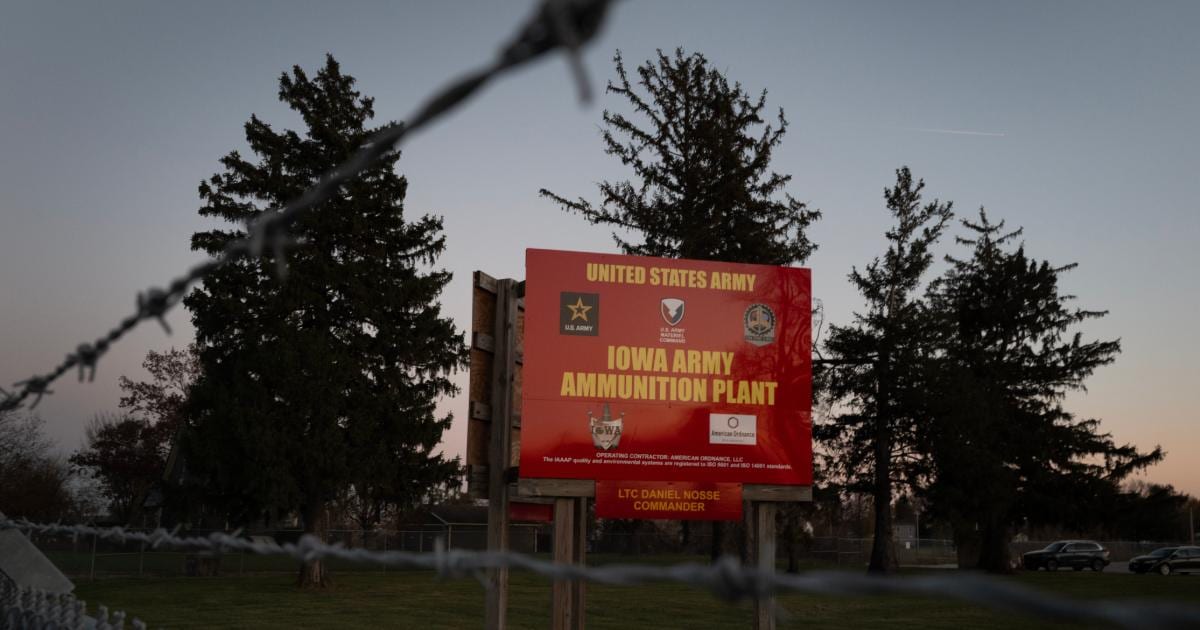
MIDDLETOWN, IOWA: A viral claim circulating on social media has raised concerns that toxic lead dust from a recent explosion at the Iowa Army Ammunition Plant could spread far beyond Iowa and Missouri.
Several users have also shared maps claiming to show the possible spread of toxic fallout. The incident has sparked fears about the safety of nearby homes, farms, and water sources. Let’s fact-check the claim.
Claim: Toxic lead dust from Iowa explosion spread beyond Iowa and Missouri
The US Army has carried out a controlled blast of nearly five tonnes of deteriorating lead azide at a military plant in Iowa, despite concerns that toxic lead particles could spread across communities, farmland and waterways up to 160 km away. https://t.co/q6OceYeDeB
— Al Jazeera English (@AJEnglish) November 25, 2026
Several maps claiming to show the possible spread of toxic lead dust following a controlled detonation of lead azide in Iowa circulated widely on social media ahead of Wednesday's explosion. One map suggested that the lead dust would spread across the Midwest and Southeast.
Another showed the possible contamination reaching Illinois, Indiana, Kentucky, Michigan, and Ohio.
A third map claimed that the fallout could cover the entire East Coast, while another showed it spreading in all directions, reaching as far south as New Orleans and as far north as Montana.
The US Army, which carried out the controlled explosion, released updated maps early Wednesday morning showing a much smaller potential impact area.
Official maps showed that winds could carry the plume southwest from the Iowa Army Ammunition Plant towards northern Missouri, potentially spreading toxic lead dust along the way.
However, viral maps suggested that the fallout could reach areas much farther beyond Iowa and Missouri.
Fact Check: The claim is false
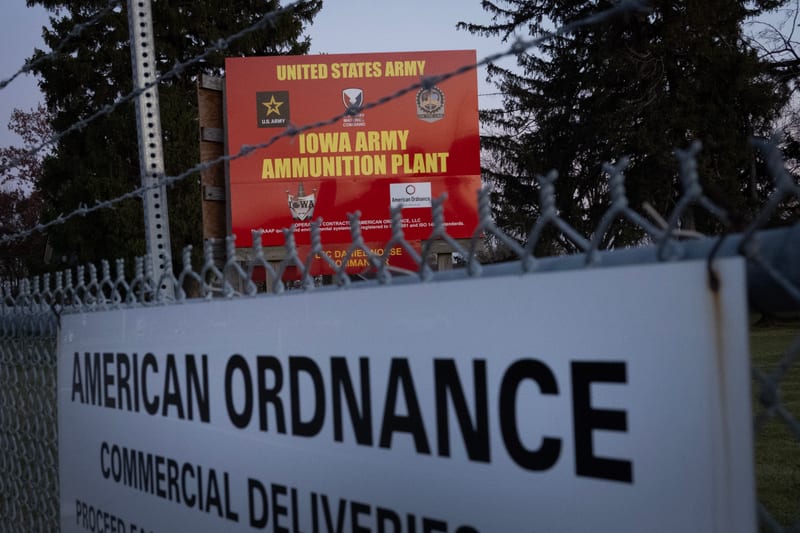
The claim is false. Official maps released by the US Army show that the potential plume could travel from southwest Iowa towards northern Missouri.
However, some social media users shared unrelated maps and falsely presented them as evidence of widespread lead contamination.
Army officials described the controlled detonation as a success. Maj. Gen. Eric Shirley, who led the operation, confirmed that the Army had destroyed all the lead azide.
Meanwhile, air monitors operated by the US Environmental Protection Agency (EPA) detected no lead in the air around the ammunition plant in Middletown, about 200 miles (300 kilometers) west of Chicago.
However, authorities have not yet confirmed whether the plume carried toxic lead towards nearby homes and farms. Lead is a harmful heavy metal that can cause serious health problems, even at low exposure levels.
It poses a particular risk to children and pregnant women. Government agencies plan to conduct further tests in the coming days and weeks. Independent researchers also plan to examine water sources, farms, homes, and playgrounds to check for possible contamination.