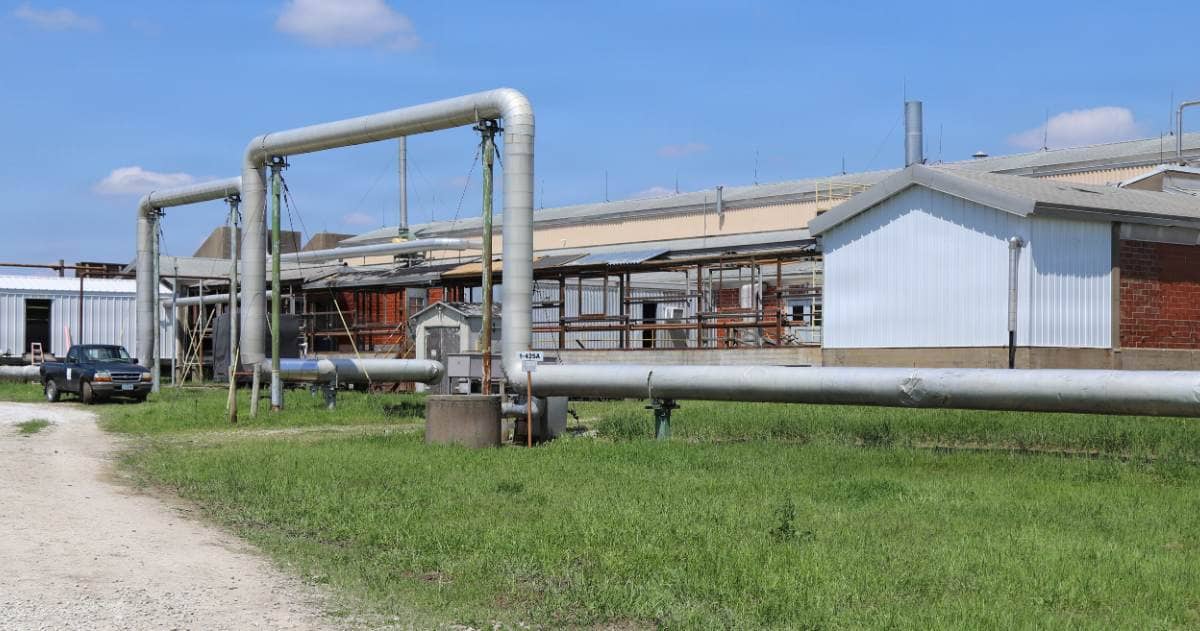
Emails show Iowa plant danger signs emerged months before Army acknowledged lead azide risks
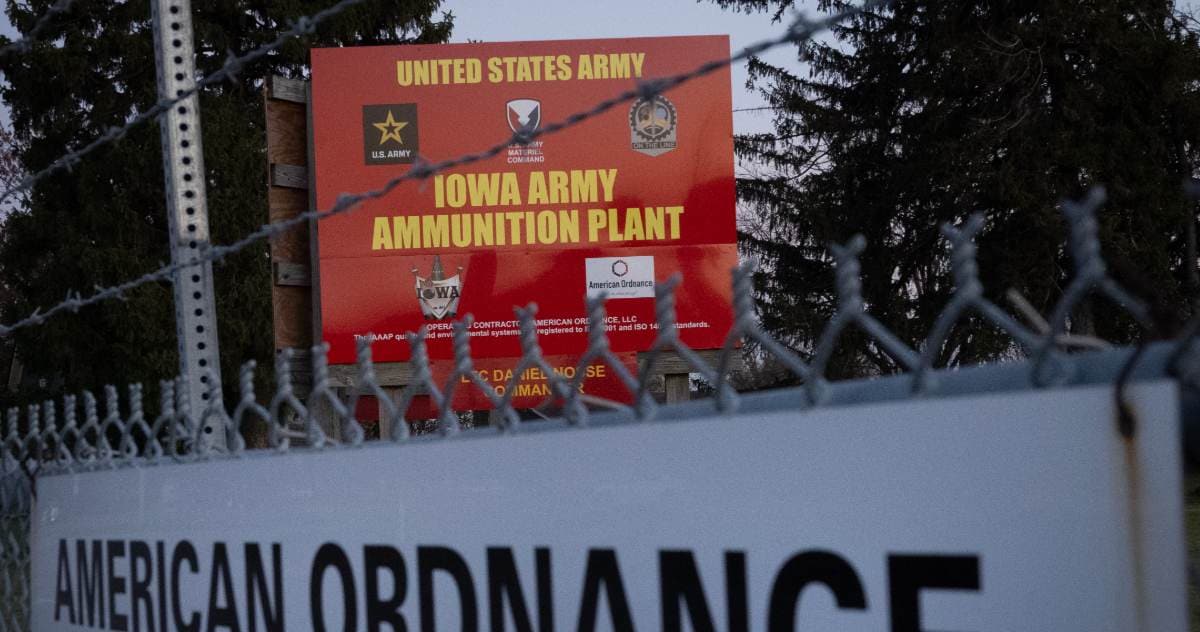
WASHINGTON, DC: Contractors at the Iowa Army Ammunition Plant asked almost six months before the US Army claimed to realize there was a high level of risk associated with 68 drums of lead azide for advice on how to dispose of the explosive, the Washington Post has found. In September 2025, American Ordnance, the company that runs the plant, emailed a waste removal firm asking for help to get rid of the dangerous substance from the Middletown, Iowa base.
This has prompted questions over both how soon officials realized there was a high level of risk and also how the Army decided that an advised method of disposing of the explosives was by controlled explosion. Having been informed of the risk in March 2026, the Army insisted that it had concluded that a controlled explosion was the most secure way of disposing of the lead azide. Around 4.8 tons of lead azide were then exploded on November 25. At first, the Environmental Protection Agency said it had not seen any lead vapor emissions being released into the air, according to its live monitoring equipment.
Contractors sought a neutralization plan in September 2025
According to documents analyzed by The Washington Post, on September 24, 2025, American Ordnance asked a Georgia-based firm, MuniRem Environmental, to prepare a scheme for the deactivation and disposal of 68 drums of lead azide held at the factory.
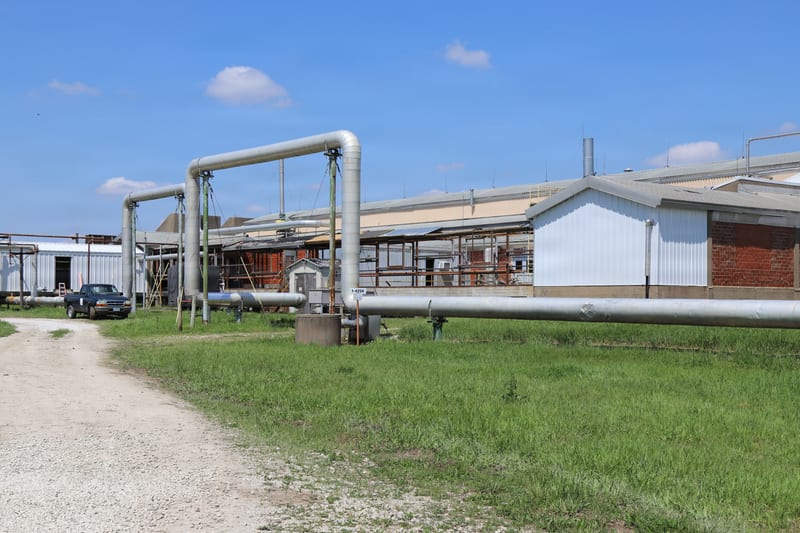
In late October, MuniRem suggested a chemical method that would deactivate the highly explosive substance along with its associated drums and subterranean magazines.
But in an email to MuniRem dated February 4, 2026, an American Ordnance manager stated that the government had decided to follow an alternative method of safely managing the substance, having carried out its own risk analysis.
The Army has stated that it realized there was a risk in March. It added in a statement to The Washington Post that whilst it would be looking into the background to the issue, at this stage it appears that "officials were advised of this in March."
The plant suspended operations on 12th March and initiated an investigation into safety. A day later, the president of American Ordnance got in touch with MuniRem, requesting an urgent meeting. On 26th March, MuniRem was successfully contracted by the company to develop a remediation strategy. However, this was subsequently terminated two months later.
Army says chemical treatment carried risk of accidental explosion
An independent review considered MuniRem’s deactivation process as well as alternative chemical methods and decided that there was too high a risk of the substance detonating, the Army has stated.
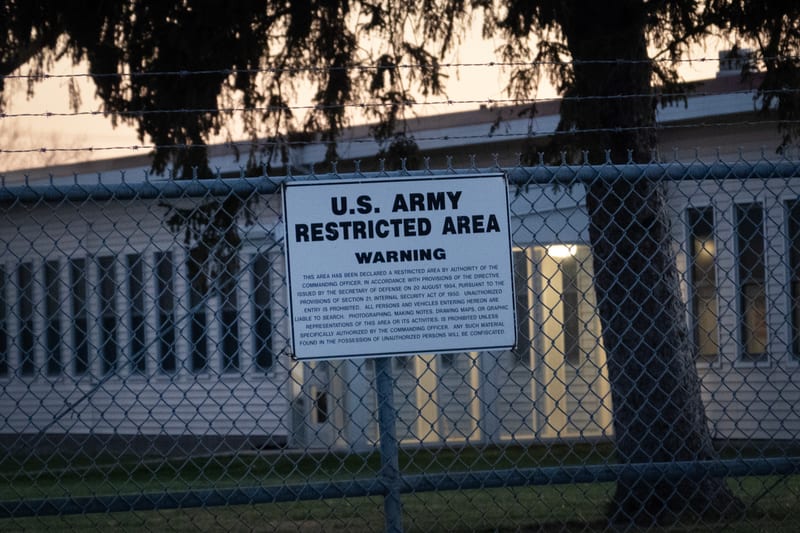
Army personnel have also claimed that the main azide had degraded and formed crystals, which are extremely reactive to knocks, shudders, temperature, and impact. This meant that personnel were unable to handle and open barrels and caps to then chemically deactivate the substance, explained Col Aaron Teller, head of the 71st Explosive Ordnance Disposal Group.
Valentine Nzengung, founder of MuniRem, disputed the army’s decision. He told Iowa Public Radio that he felt chemical deactivation could still work. Documents seen by the radio station show that in March an independent technical group advised in favor of chemical deactivation. However, the Army subsequently decided against this method for fear that staff might cause an explosion by unsealing the drums.
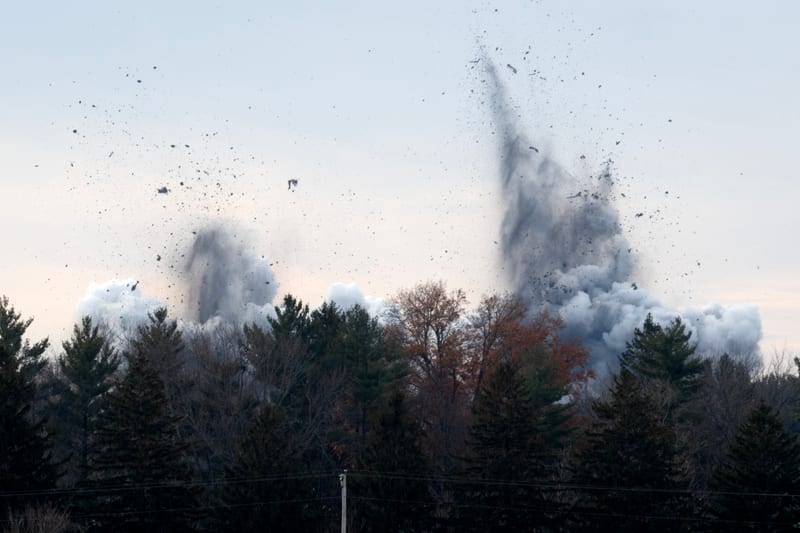
On November 25, the Army went ahead with a live on-site explosion. An hour after the explosion, the EPA confirmed that it had not recorded any lead in the atmosphere. The EPA had already taken over 1,200 air, soil, dust, and water samples prior to the explosion and said it will continue to monitor the environment.