Congress set to consider Medicare for All after Democrats' midterms victory: What would change
WASHINGTON, DC: Medicare for All is expected to return to the center of the healthcare debate in Congress after Democrats secured sweeping victories in the midterm elections, with several incoming lawmakers promising to push for universal health coverage.
The proposal would establish a government-funded insurance system covering all Americans and replace most existing private health insurance arrangements. However, differences among Democrats over the scale and cost of healthcare reform could determine whether Congress pursues a single-payer system or more incremental changes when the new session begins in January next year.
What Medicare for All would cover and how it differs from current Medicare
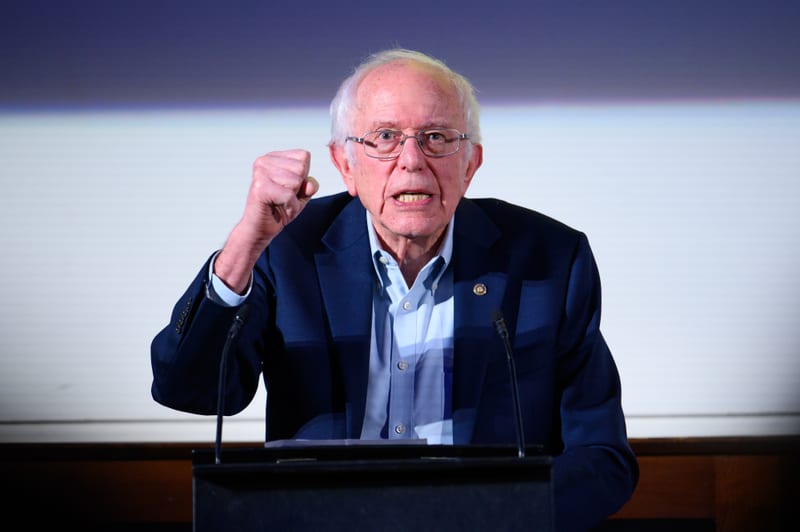
In the outgoing Congress, Senator Bernie Sanders and Rep Pramila Jayapal introduced legislation proposing a nationwide single-payer healthcare system. Both bills are expected to be reintroduced in 2027.
Under their proposals, the federal government would provide health insurance to everyone in the United States, covering medically necessary services such as doctor visits, hospital treatment, surgery, mental healthcare and prescription drugs. Dental and vision services would also be included. Patients would generally not pay deductibles, co payments or coinsurance for covered treatment.
The government would also establish payment rates for healthcare providers, prescription medicines and medical equipment. The Health and Human Services secretary would also determine an annual national budget for covered services.
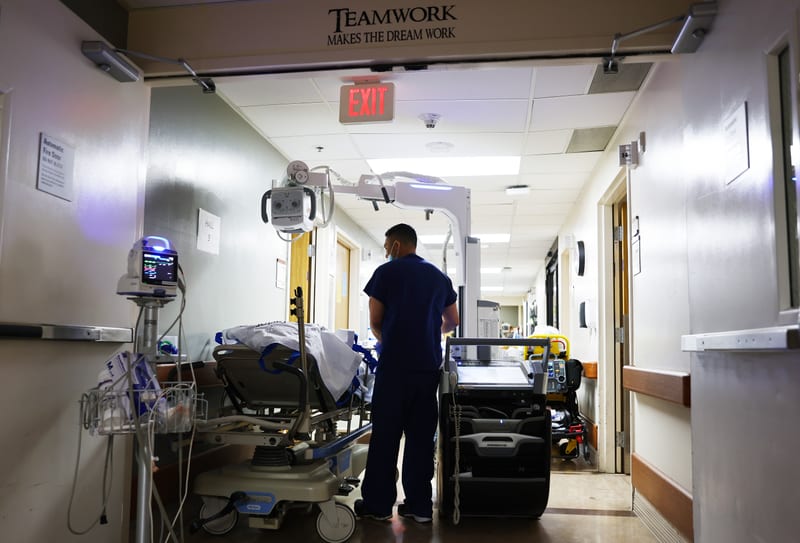
Despite its name, the proposed system would be substantially different from the existing Medicare programme, which primarily covers Americans aged 65 and older and requires beneficiaries to pay premiums and other out-of-pocket expenses. The standard monthly premium for Medicare Part B is currently $202.90, with higher-income beneficiaries paying more. Around 40% of beneficiaries also purchase supplemental Medigap insurance to cover some costs not paid by traditional Medicare.
Medicare for All would replace employer-sponsored insurance, Medicaid, Medigap and the existing Medicare system, with limited exceptions for services such as cosmetic surgery. The transition would affect a substantial part of the US healthcare industry and could reshape a sector representing roughly one-fifth of the national economy.
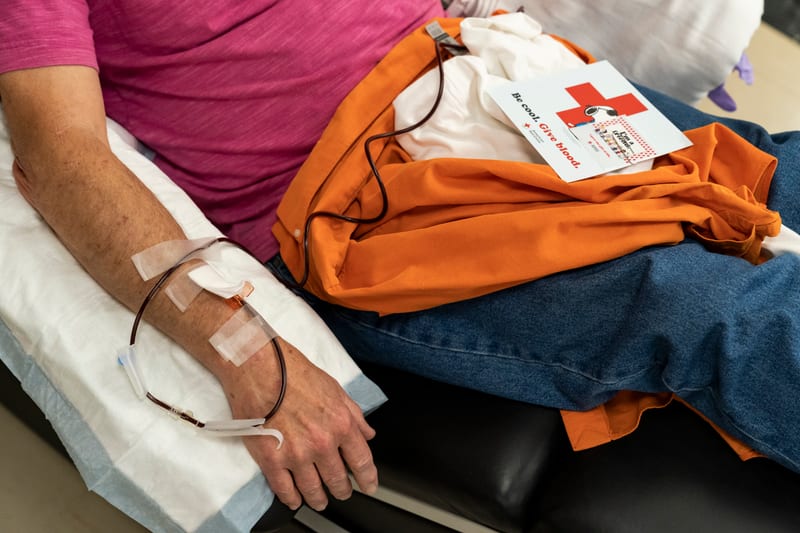
Other proposals include mandatory universal coverage administered partly through private insurers, lowering Medicare's eligibility age from 65 to 55, and establishing a public option that would allow people to purchase government-backed insurance through Affordable Care Act marketplaces. Colorado, Nevada and Washington state already have variations of public-option programmes.
Financial hurdles lie ahead for incoming Congress
The incoming Democratic leadership will also face decisions over whether to prioritise restoring healthcare provisions affected by President Donald Trump's 2025 tax and spending legislation. House Democratic leader Hakeem Jeffries has identified healthcare as a priority, including reversing Medicaid cuts and restoring expired Affordable Care Act subsidies. Those measures could potentially restore coverage to 11 million Americans.
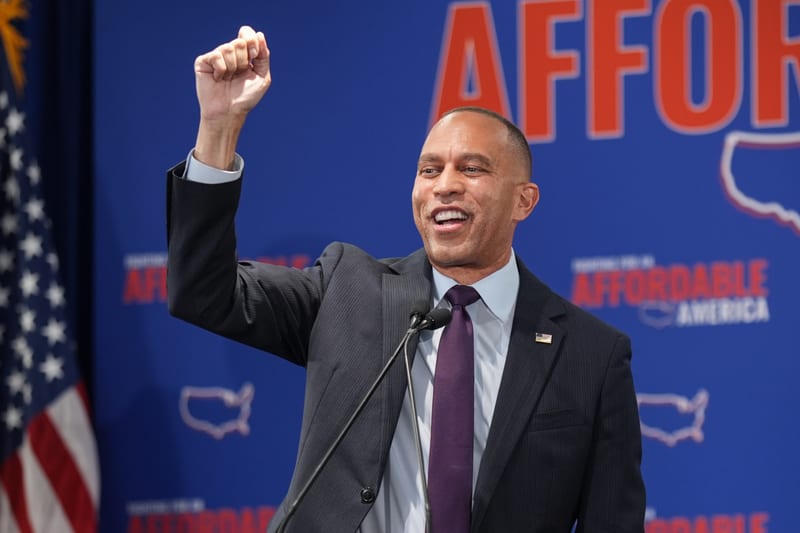
Medicare itself faces financial pressures, with the trust fund supporting its hospital insurance programme projected to become insolvent in 2033. Rising beneficiary costs and gaps in coverage for services such as dental, vision, hearing and long-term care could further complicate efforts to expand the programme.
However, not all incoming Democrats support eliminating private insurance. Michigan Senator-elect Abdul El-Sayed, who made Medicare for All a central part of his campaign, supports a version that would allow people to retain private coverage if they prefer.
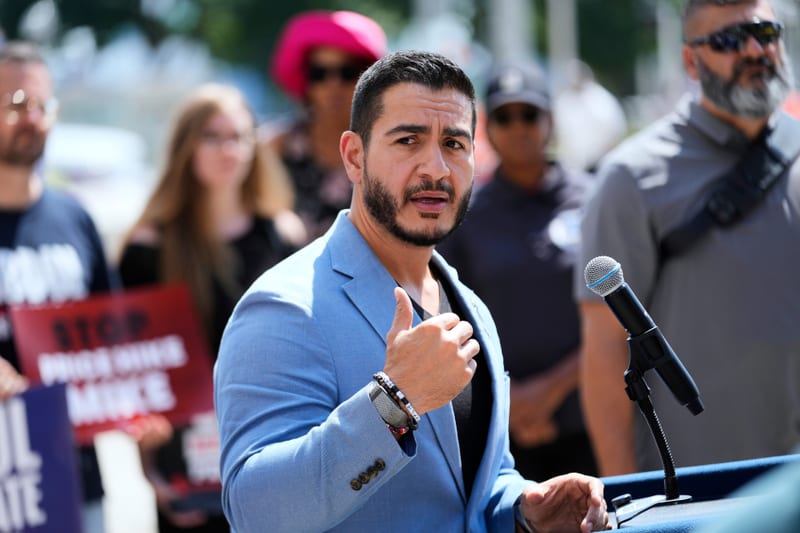
El-Sayed said he supports Sanders’ bill but said that his preference is not to make government healthcare mandatory by eliminating private insurance for those who want it.