Trump’s push, Vance’s ties and a dipping stock market: What drove Jensen Huang's Nvidia return
WASHINGTON, DC: Corporate history has witnessed a number of CEOs disappear from the spotlight almost overnight after a scandal turned them into liabilities.
But Jensen Huang, defying all odds, came back to take over his position as Nvidia CEO on Monday, November 23, less than two weeks after he was forced to resign over reports of an affair with a suspected Chinese spy.
Huang’s return to the Nvidia helm was not an average corporate U-turn; it was the result of a political and market pressure campaign that transformed a boardroom decision into a White House priority.
The campaign included constant push from President Donald Trump, who remained determined to protect a company he considers vital to America’s economic future, Vice President JD Vance’s connections in Silicon Valley, and growing pressure from investors and technology leaders.
The stock market added urgency to the push, but the reversal also required the administration to address the concerns that had led the board to reject Huang’s return in the first place.
A constant push from determined Trump and his allies
Huang was forced to resign from his position following a damaging sequence of disclosures, including an extramarital affair with Alice Huang, a former executive at Singapore-based cloud computing company Megaspeed.
Questions about his conduct as chief executive were further intensified after reports exposed his second relationship with an Nvidia employee.
The disclosures pushed the Nvidia board against Huang and made them shut the door when he indicated he would be willing to return.
On an investor call, the board described his behavior as “inconsistent with the company’s code of conduct, standards and cultural norms.” The concerns extended beyond the personal scandal.
Questions about Huang’s candor with directors, his relationship with a senior figure at a company under scrutiny, and the potential implications for Nvidia’s sensitive business made an immediate return difficult to justify.
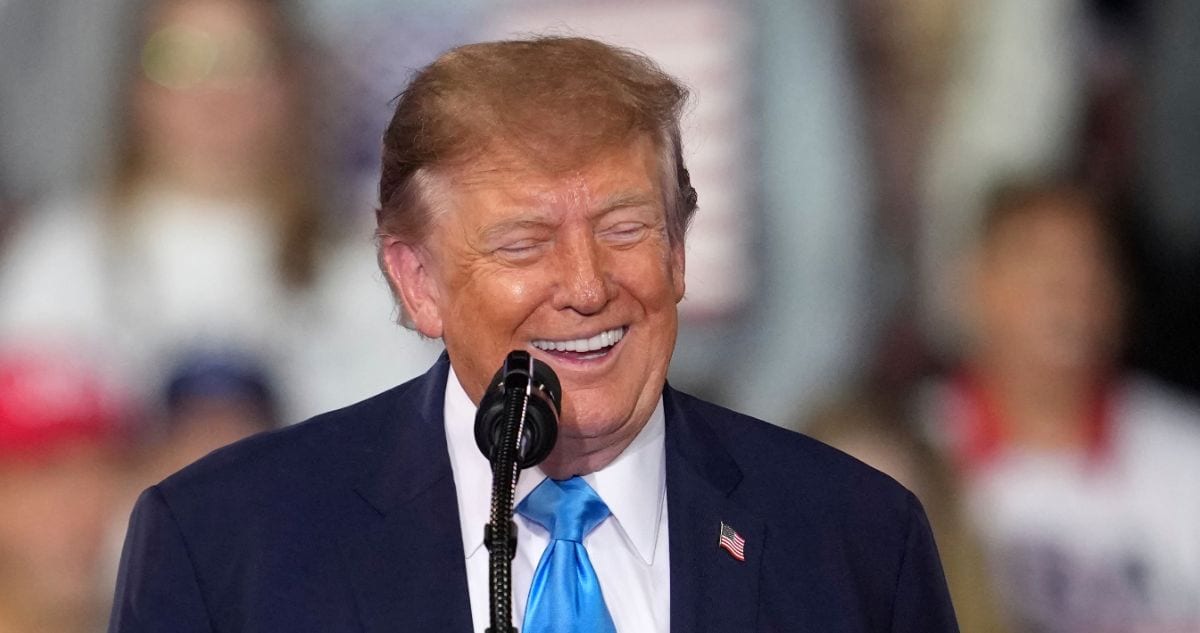
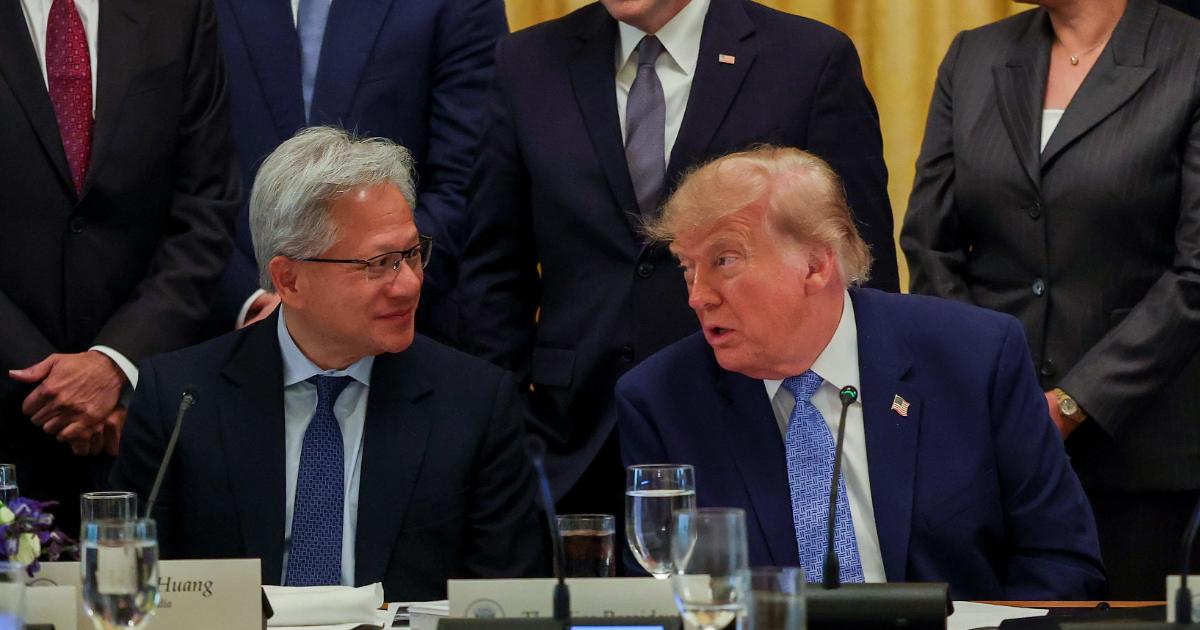
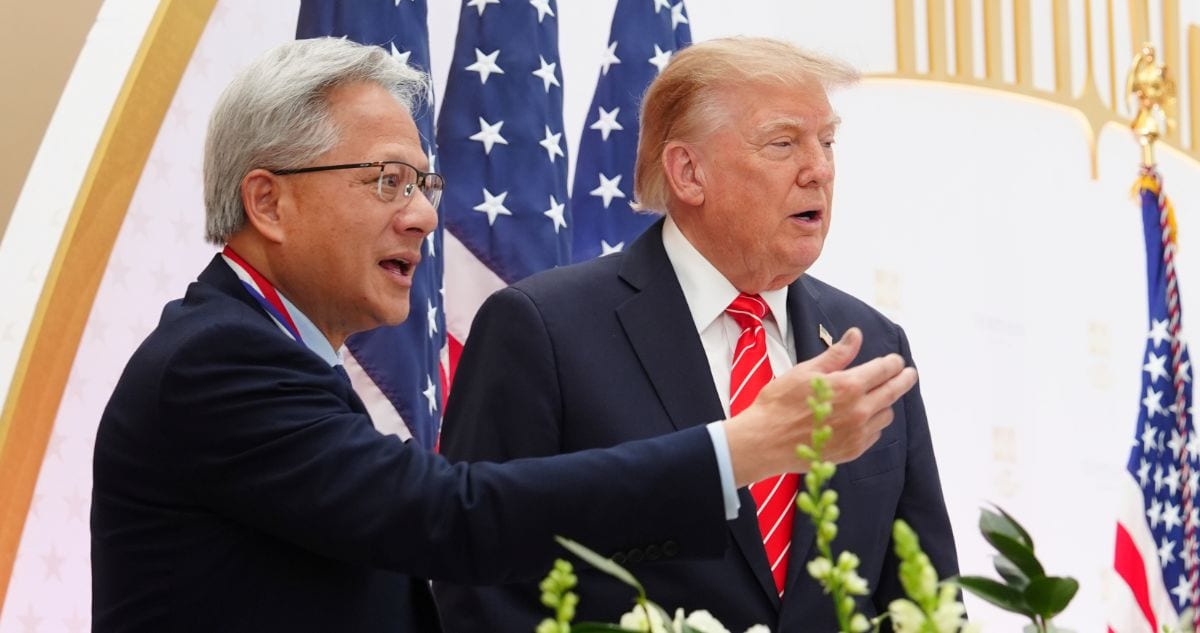
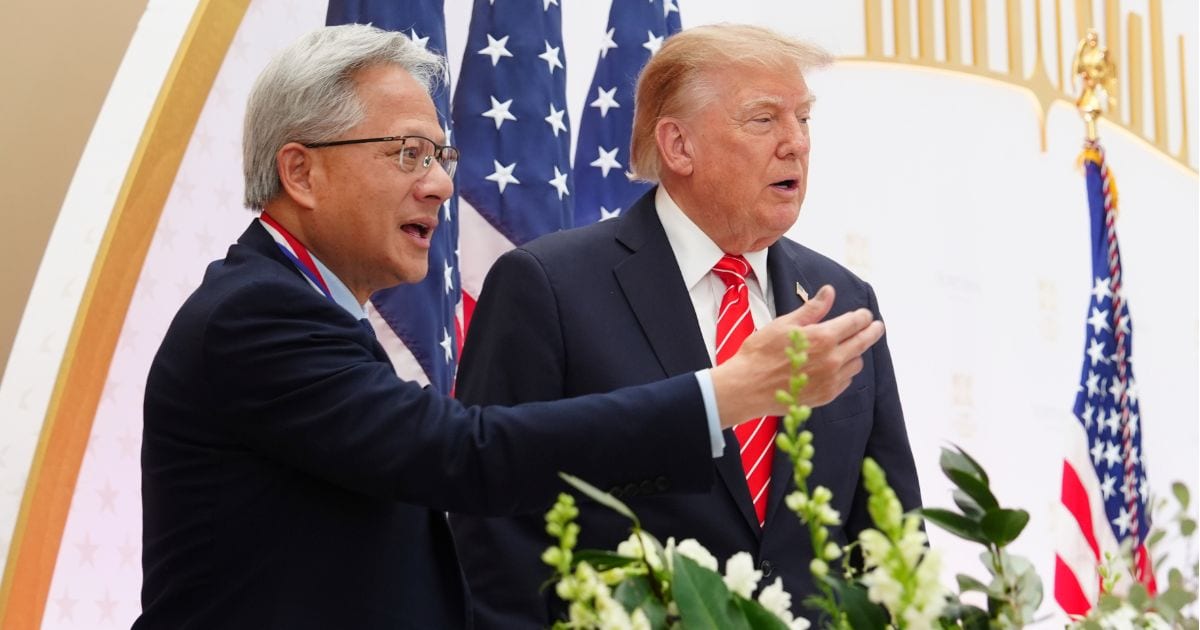
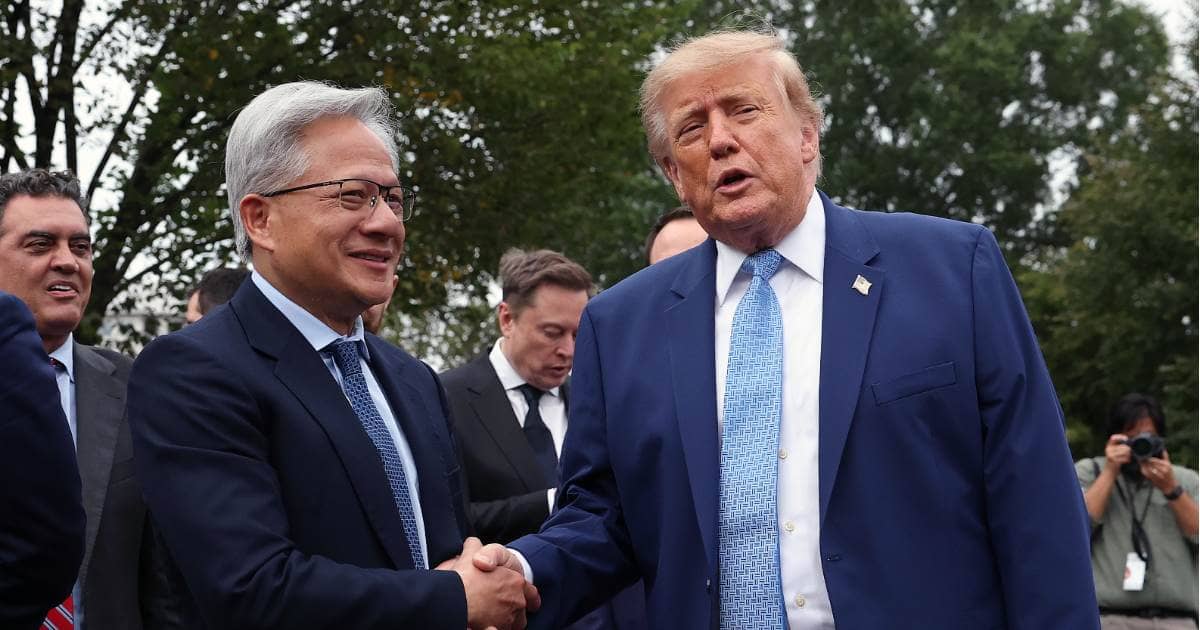
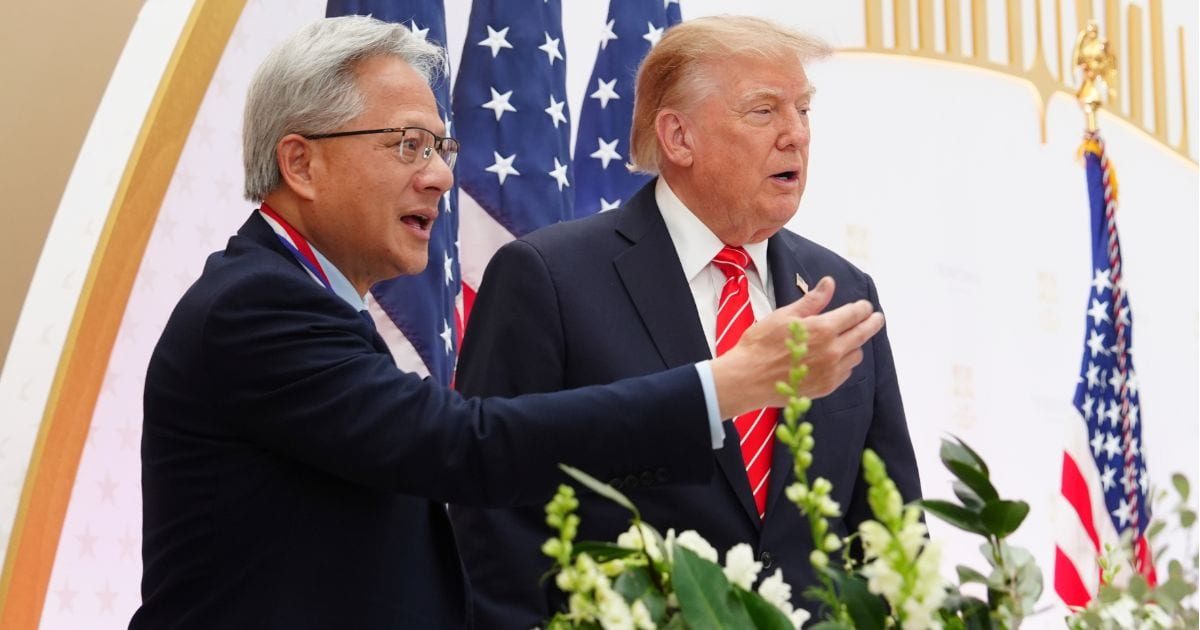
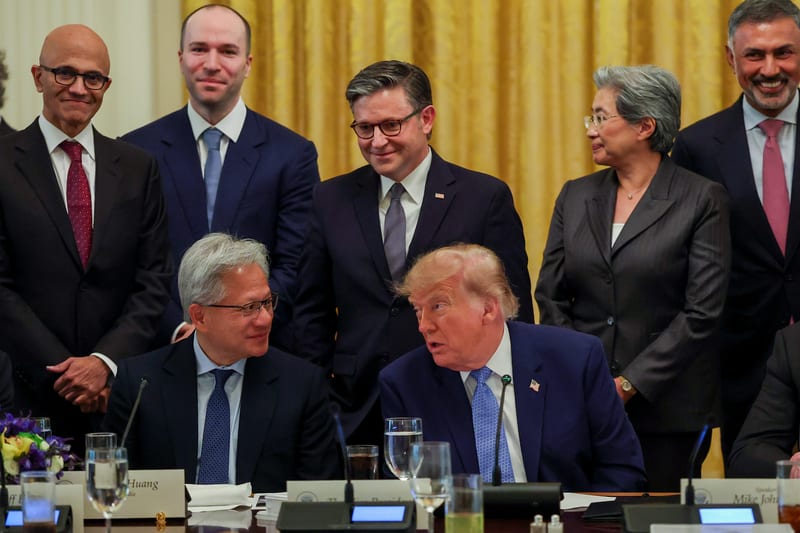
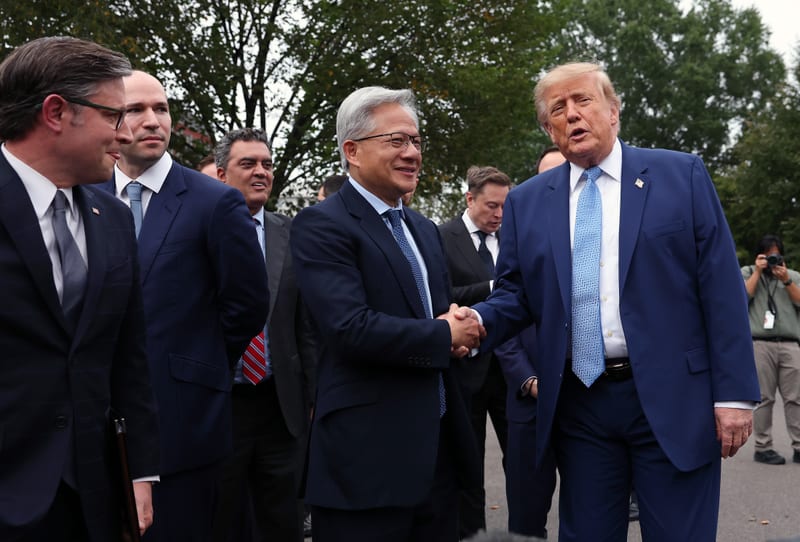
However, the board’s position took a sharp turn as the White House began to intervene in the matter. Trump publicly praised Huang and argued that Nvidia needed his leadership to maintain America’s edge in artificial intelligence.
Following Jensen’s reinstatement, Trump quickly took credit for his role in Nvidia’s change of heart.
“I’ve been speaking to the board directly and indirectly,” Trump told CNBC on Monday morning. “I felt very strongly about it. And I felt more strongly as I saw what was happening with the company, because that was, to me, a very important part of our country.”
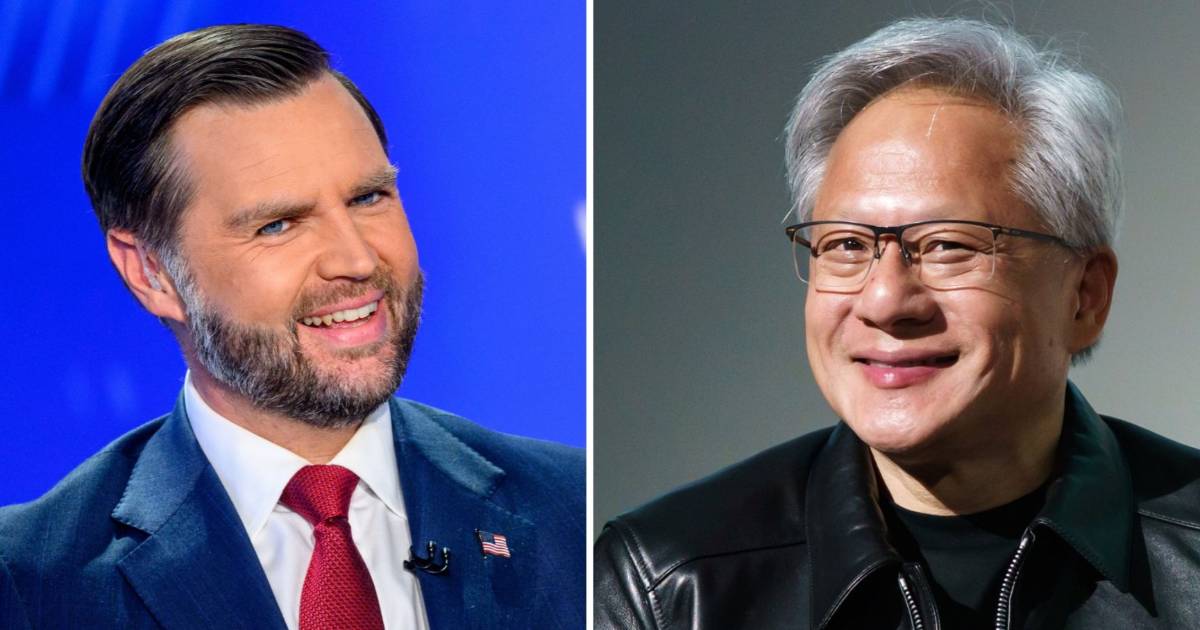
The president also enlisted Vice President Vance to lead the effort, drawing on his Silicon Valley relationships and access to influential technology figures who supported Huang’s comeback.
Vance coordinated directly with Huang and pressed the board over the weekend, CNN reported. Treasury Secretary Scott Bessent and Commerce Secretary Howard Lutnick were also involved.
With cooperation from his allies, Trump worked to get the board two things it would need to bring back.
One was an assurance that the Trump administration did not consider Huang a national security threat. The other was confirmation that he was not facing any criminal charges.
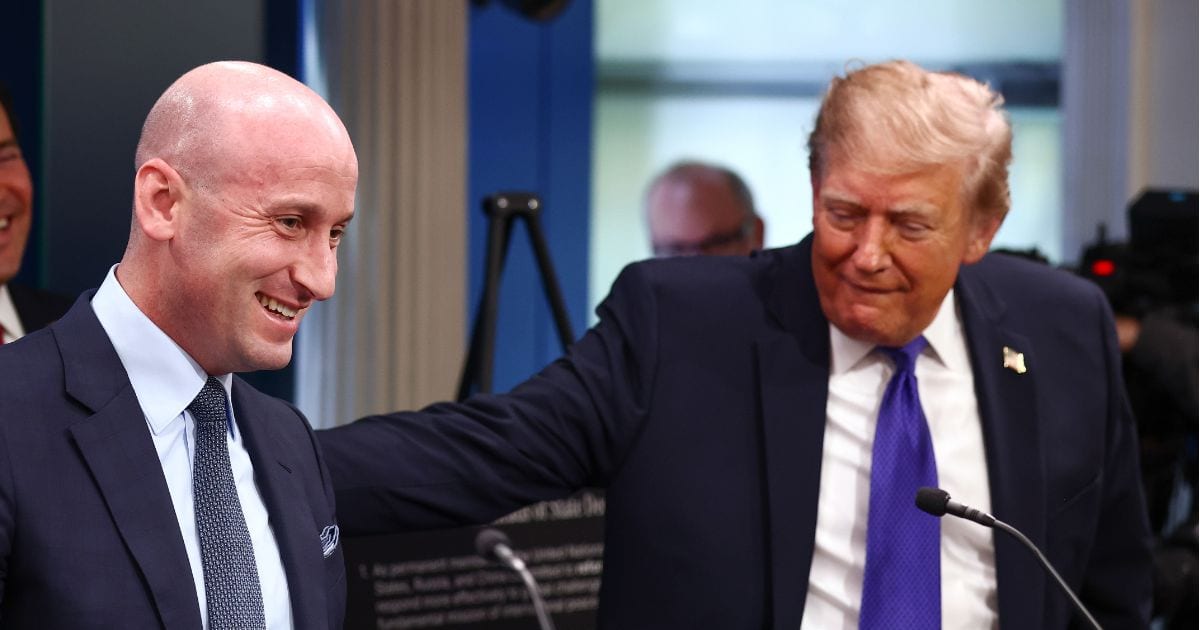
For the question over national security threat, Trump insisted that Attorney General Todd Blanche had told him the Justice Department had no evidence that Huang had engaged in unlawful conduct.
According to the Washington Post, Blanche briefed Trump over the weekend and said the department had no evidence of criminal wrongdoing involving Huang or Nvidia. But that assessment should not be mistaken for a final resolution of the wider investigation.
For the second confirmation, Trump himself assured the board that Huang won’t face prosecution. "I didn't use the word prosecuted," Trump told CNBC. "But I said that 'We believe –' and I put out a statement, I think you probably saw that, 'We believe he's fine.' He's absolutely fine. I gave them enough assurance.”
Silicon Valley and the stock market added another layer of pressure
The push to reinstate Jensen was further intensified by support from Silicon Valley. Current and former Nvidia employees, investors, and prominent technology figures publicly backed Huang’s return.
A petition calling for Jensen’s return drew more than 200,000 signatures, including those of high-profile tech figures such as SpaceX and Tesla CEO Elon Musk, Uber co-founder Travis Kalanick, Epic Games CEO Tim Sweeney, and Y Combinator CEO Garry Tan.
Huang noted last week that he received an “outpouring of calls” from Nvidia staff, investors, business partners and customers for his return, adding he would be “honored” to come back.
Another layer of pressure came from the stock market, which played two crucial roles. For Trump, who had just returned from his Asia visit, where he met Chinese President Xi Jinping and Russian President Vladimir Putin, it was an explicit part of the political and economic calculation.
He acknowledged to CNBC that the sell-off following Huang’s departure “probably” influenced his thinking, while also pointing to Nvidia’s long-term importance. CNN reported that the president saw Huang’s reinstatement as a way to calm markets after a severe losing streak. The reaction was dramatic: Nvidia shares rose more than 31% on Monday, helping lift the Nasdaq and the broader market.
But there is no clear evidence that the board reversed course simply because Nvidia’s share price had fallen. Its public explanation focused on the input it received from senior government officials, its discussions with Huang, and its renewed confidence in his leadership.