EPA finds no airborne lead hours after Iowa detonation as residents are cleared to return home

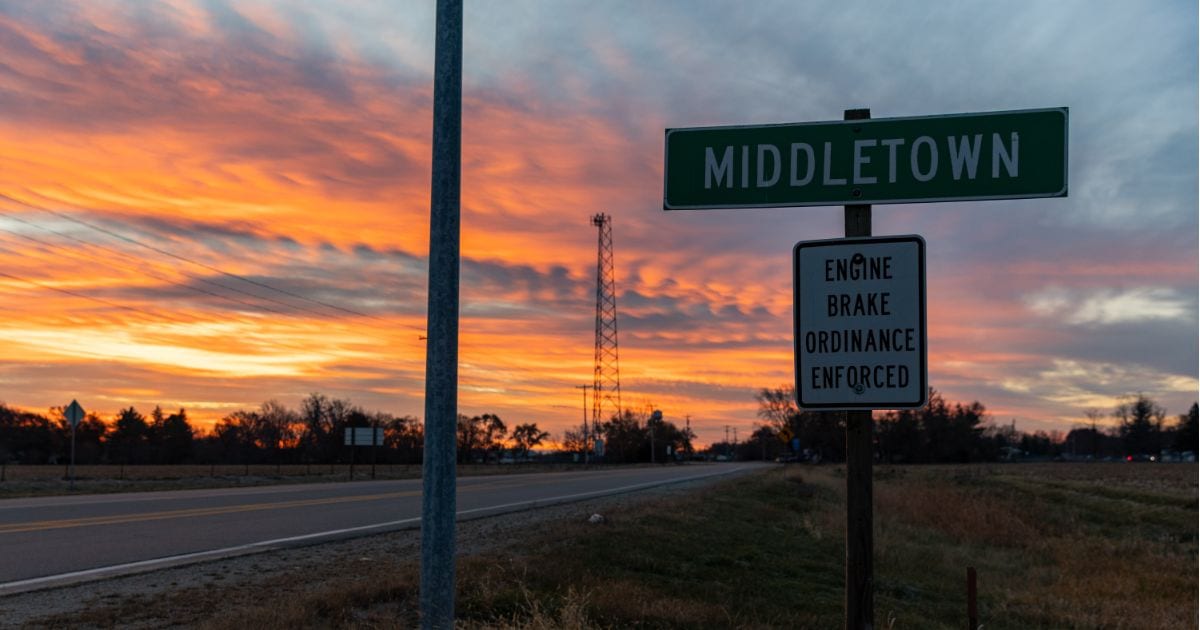
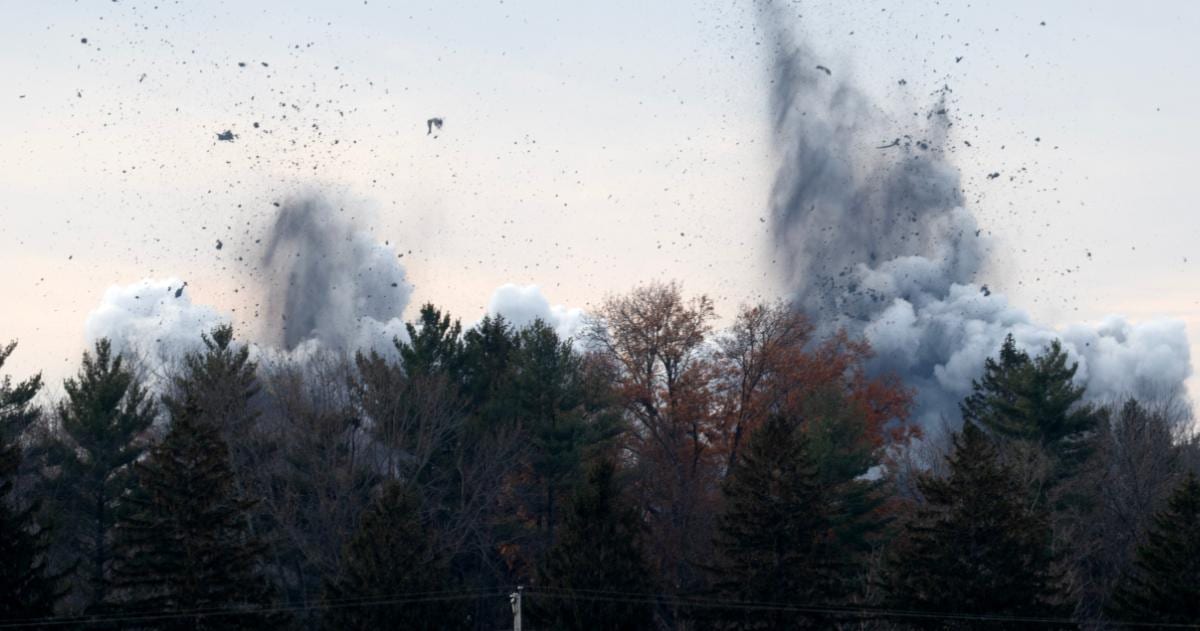
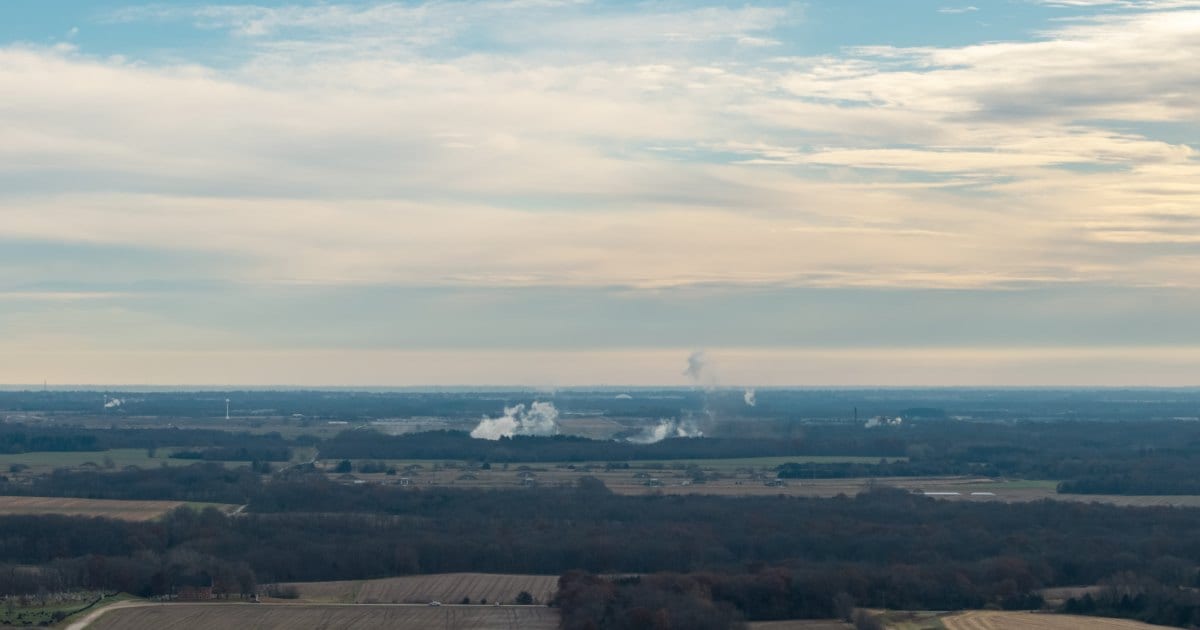
MIDDLETOWN, IOWA: Environmental Protection Agency (EPA) air monitors continued to report zero detection of airborne lead more than five hours after the US Army detonated its stockpile of degraded lead azide in Iowa, EPA Administrator Lee Zeldin said Wednesday, November 25.
However, Zeldin stopped short of declaring the surrounding area safe, saying officials needed further test results before reaching that conclusion. Meanwhile, residents in designated evacuation zones received an all-clear following the controlled detonation.
EPA reports zero airborne lead after Iowa explosion
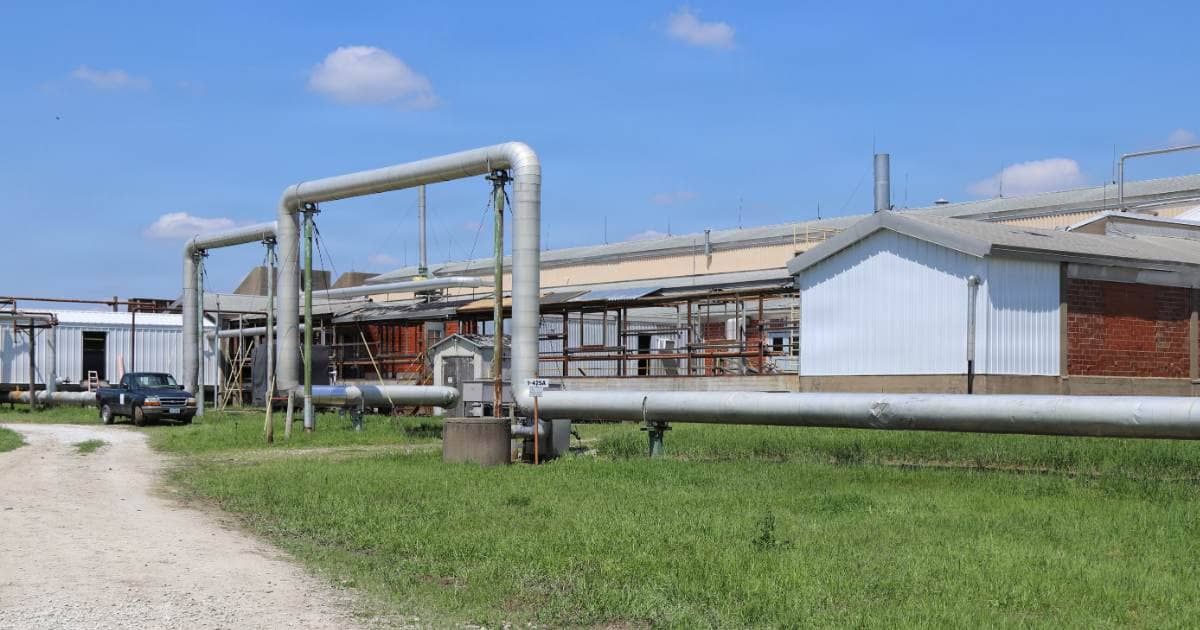
In a post on X, Zeldin said all EPA air monitors continued to show a "ZERO DETECT" of airborne lead more than five hours after the controlled detonation at the Iowa Army Ammunition Plant in Middletown.
He also compared the particulate matter released during the operation with that from a fireworks display in Kansas City.
Over five hours after the Army’s controlled detonation of lead azide at the Iowa Army Ammunition Plant in Middletown, Iowa, all EPA air monitors continue to report a ZERO DETECT of airborne lead. As one way to put this morning’s controlled detonation into perspective, I have been informed that the release of particulate matter from Kansas City’s fireworks show at FIFA World Cup FanFest was roughly 10x greater than this morning’s detonation. After collecting 1,200 land, air, dust, and water samples before the detonation, 300 EPA personnel and contractors were pre-positioned for continued sampling during and after the detonation. They are now back in the field sampling air, land, and water. We will continue our work over the coming days and keep providing updates to the public as we get more information. You can stay informed by visiting https://t.co/bQoZGV1duU or calling 833-649-9624. Please only use the EPA hotline number if you are in the local area.
— Lee Zeldin (@epaleezeldin) November 25, 2026
"As one way to put this morning's controlled detonation into perspective, I have been informed that the release of particulate matter from Kansas City's fireworks show at FIFA World Cup FanFest was roughly 10x greater than this morning's detonation," Zeldin wrote.
The EPA administrator said the agency had collected 1,200 samples of land, air, dust and water before the explosion. Around 300 EPA employees and contractors had been positioned in the area for continued monitoring during and after the operation. Teams have since returned to the field to collect additional air, land and water samples.
Earlier, during an interview with CNN, Zeldin said initial feedback from the Defense Department indicated that mitigation efforts had "exceeded expectations" in containing the plume.
He said EPA monitors were showing no detectable lead concentrations in the surrounding area but cautioned against immediately declaring the area safe before receiving further data.
🚨 JUST NOW: EPA Chief Lee Zeldin announces samples are being taken "IMMEDIATELY" to measure lead exposure in the area around the Iowa lead azide controlled detonation Reports indicate mitigation was better than expected by the US Department of War and the Army 🙏🏻 TONS of staging and preparation was done to keep the community safe and healthy. "EPA will be on the ground as LONG AS IS NECESSARY." Zeldin says his people aren't leaving until everything is 100% complete EPA had already collected more than 1,200 soil, dust, water and air samples BEFORE the blast, so post-blast results can be compared directly ALL HANDS ON DECK.
— Eric Daugherty (@EricLDaugh) November 25, 2026
"I'm not going to rush and just immediately declare, everything is safe before I can receive the data, that we can transparently release it publicly," Zeldin told CNN.
He also referenced the aftermath of the September 11 attacks, saying he did not want officials to repeat the mistake of declaring an area safe before sufficient information was available.
Residents receive all-clear after Iowa detonation
The Federal Emergency Management Agency issued an "all clear" around the Iowa Army Ammunition Plant following the detonation, the US Army said in a post on X. Residents within a five-mile zone were allowed to return home, while those within a 20-mile zone could go outside.
The Army said Defense Threat Reduction Agency maps indicated zero airborne lead detection. However, post-detonation surface sampling remained underway, with results to be released once testing was complete.
The Army’s controlled, mitigated detonation exceeded all expectations and was a HUGE success. The threat of an uncontrolled spontaneous detonation has been eliminated. I am so proud of our SOLDIERS for their courage, training, mitigation, and precision! They put it on the line for all of us just like this every day! Thank you to President Trump and his administration for mobilizing an unprecedented whole of government approach to fix this problem once and for all tor the great people of Iowa. We are watching EPA’s MASSIVE sensor array throughout the area closely, and there are no readings so far above 0.0. To the people of Iowa, we are with you all the way. We will update the public with more information throughout the day.
— Acting Secretary of the Army (@SecArmy) November 25, 2026
Army detonates entire stockpile of degraded lead azide
The operation involved the controlled detonation of 68 drums containing approximately 9,700 pounds of degraded lead azide. The highly sensitive explosive had crystallized, making it vulnerable to friction, vibration, heat and shock.
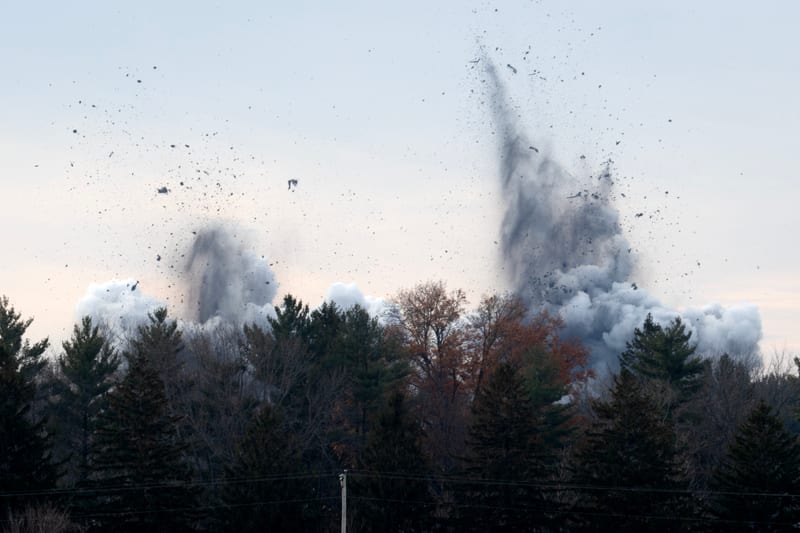
The Army had maintained that controlled detonation was the safest available option because moving or chemically neutralizing the material posed significant risks.
Despite the initial air-monitor readings, environmental testing is continuing to determine whether lead particles settled on nearby soil, water or other surfaces. Zeldin said the EPA would continue monitoring the area over the coming days and provide updates as more information became available.