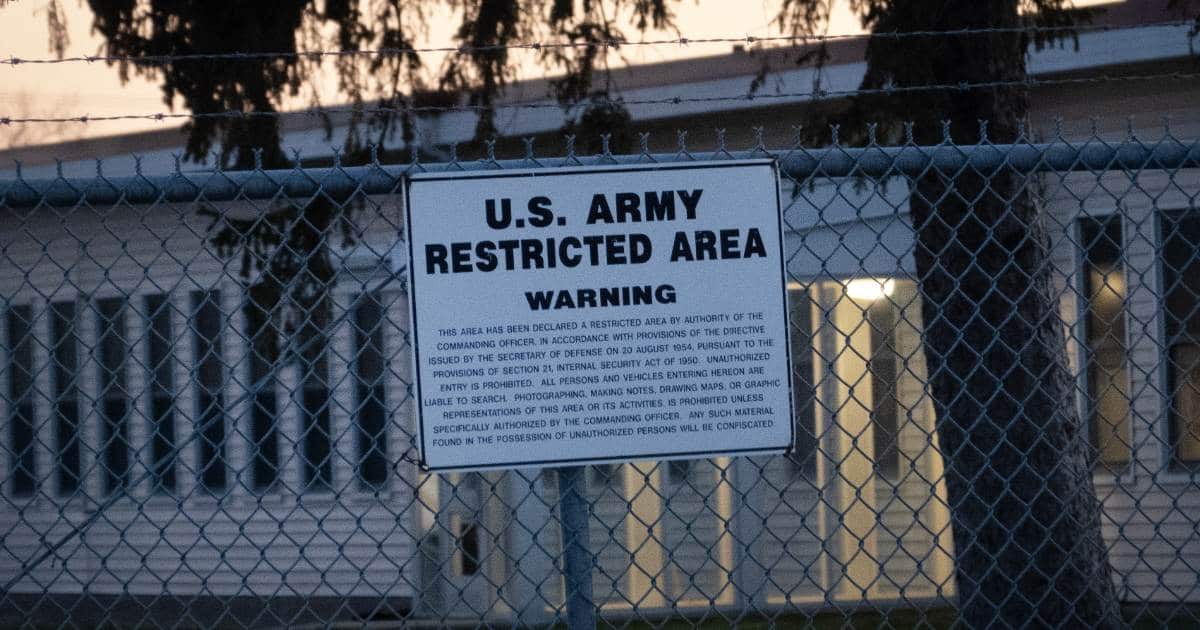
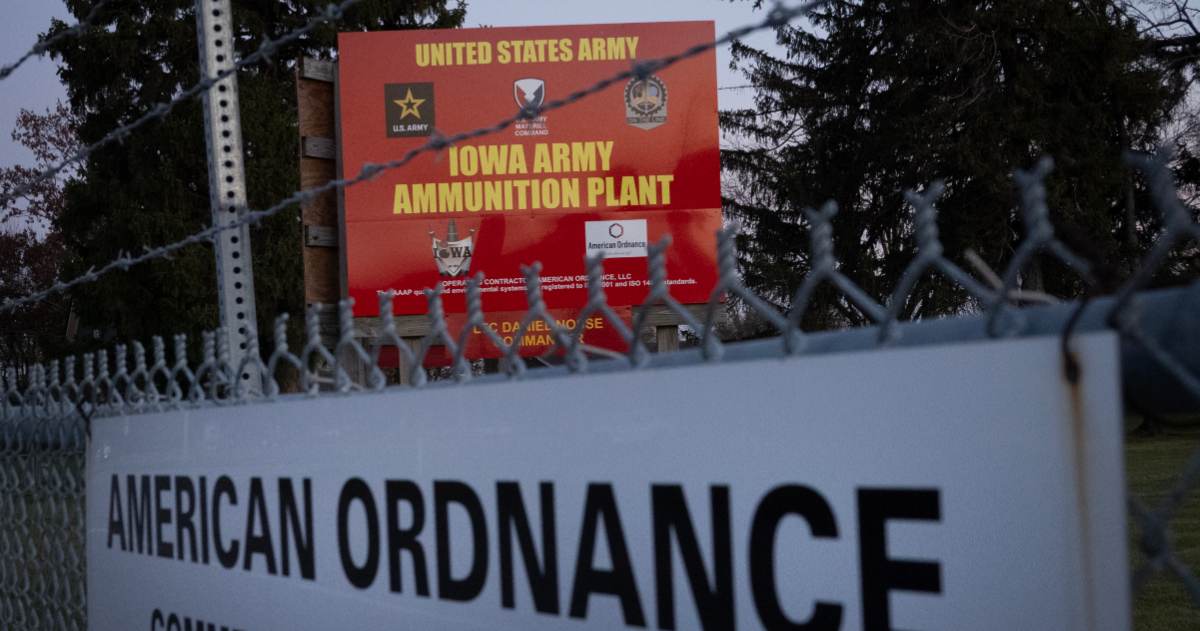
'It should never have come to this': Iowa detonation sparks fury among 350 farm families
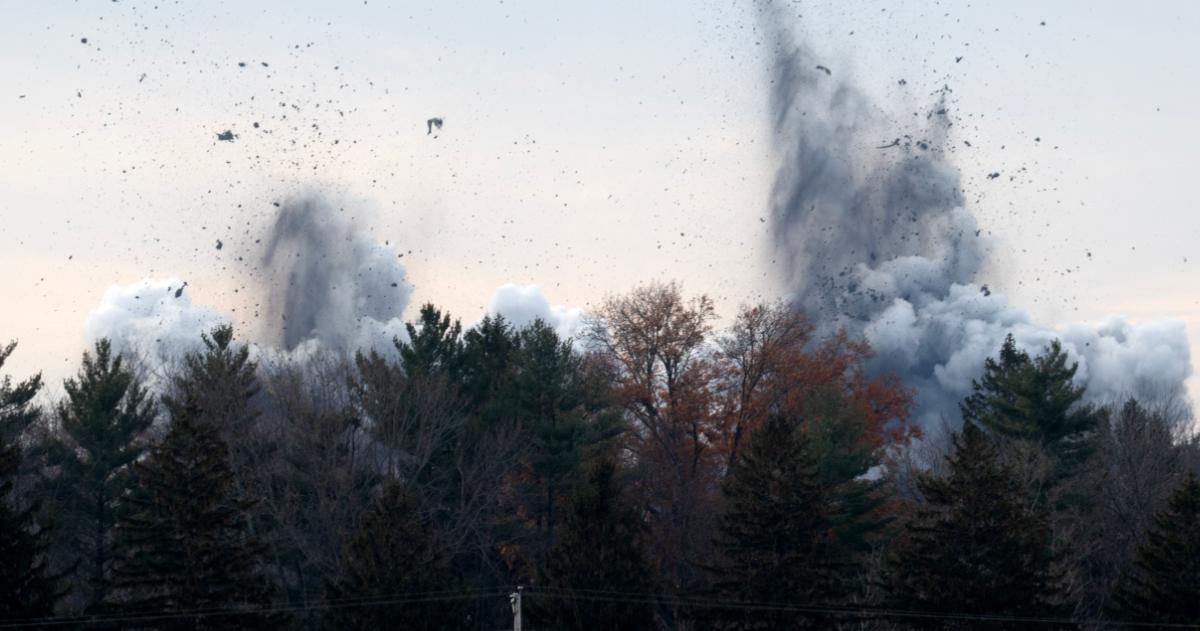
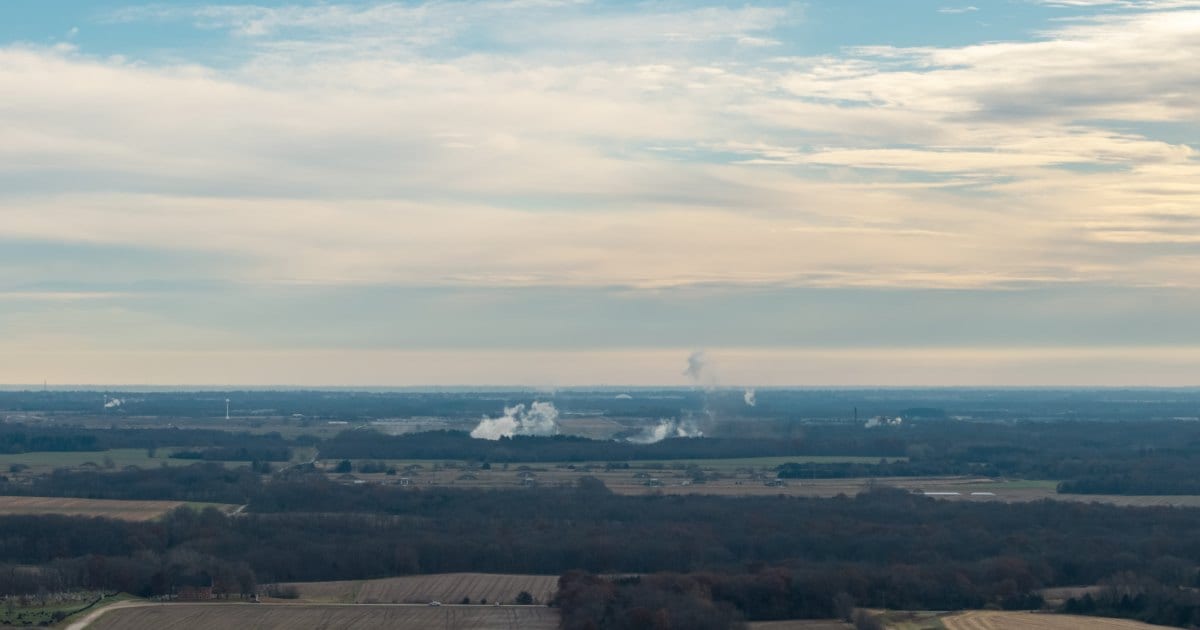
MIDDLETOWN, IOWA: The US Army's controlled explosion of nearly 10,000 pounds of unstable lead azide in Iowa may have gone ahead on Wednesday, November 25, but it has done little to settle the anger among families living around the ammunition plant.
Residents remain deeply concerned about the possibility of toxic lead spreading across their homes and farmland, while questioning why the situation was allowed to reach the point of a major military detonation.
The fallout has also disrupted Thanksgiving plans across the community.
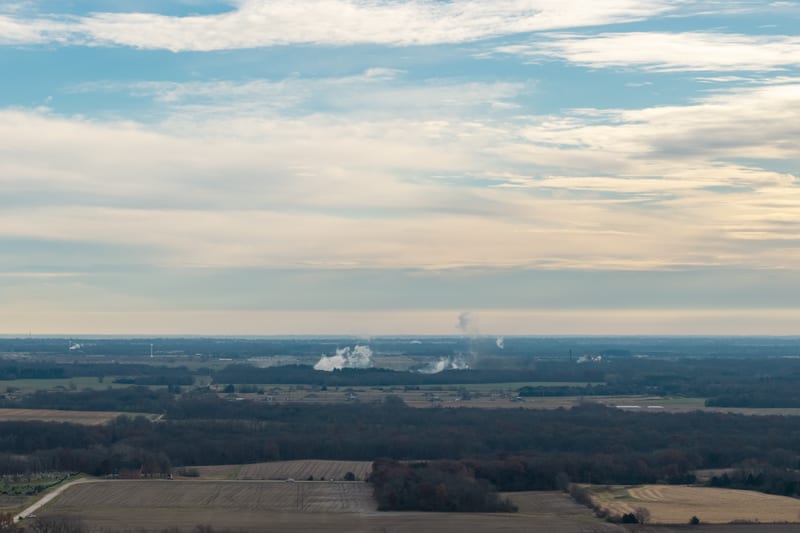
Expectant parents and neighbors say fear hasn't lifted
The fear of contamination is especially acute for families with young children and those expecting babies.
Alec Patterson, whose wife is pregnant, has described the situation as terrifying, saying the couple's priority is to protect the mother and their unborn child.
"We just want to do everything we can to make sure that she's safe and the baby is safe," he told ABC News.
Patterson also took precautions around his property, sealing gaps around doors and moving outdoor furniture into a separate building because of concerns about lead dust.
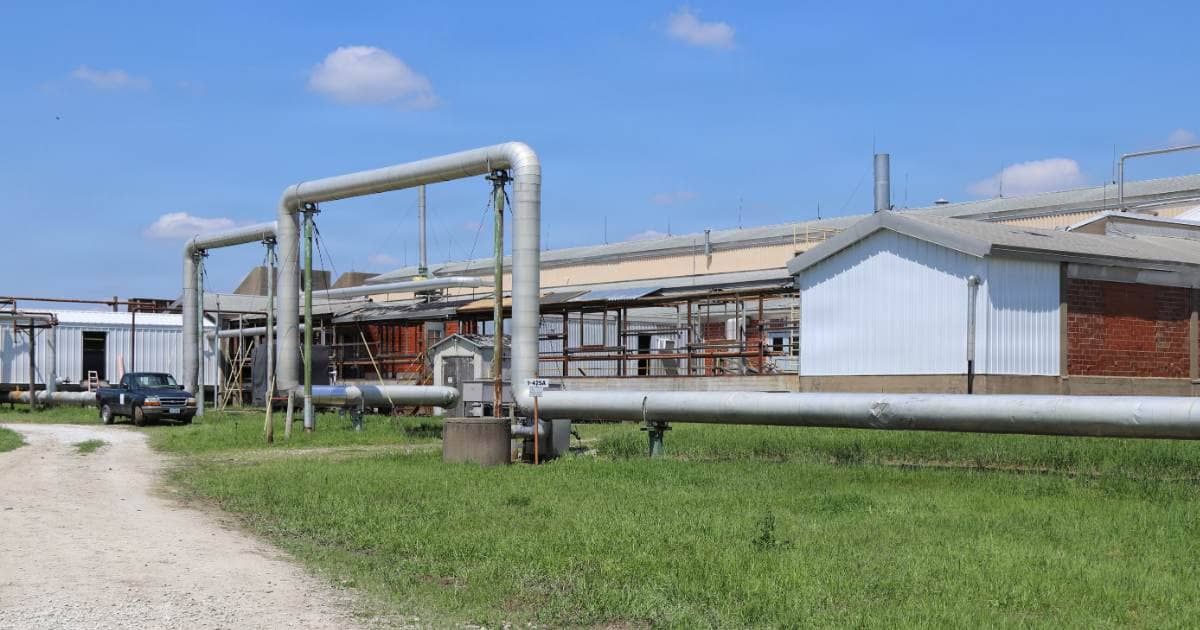
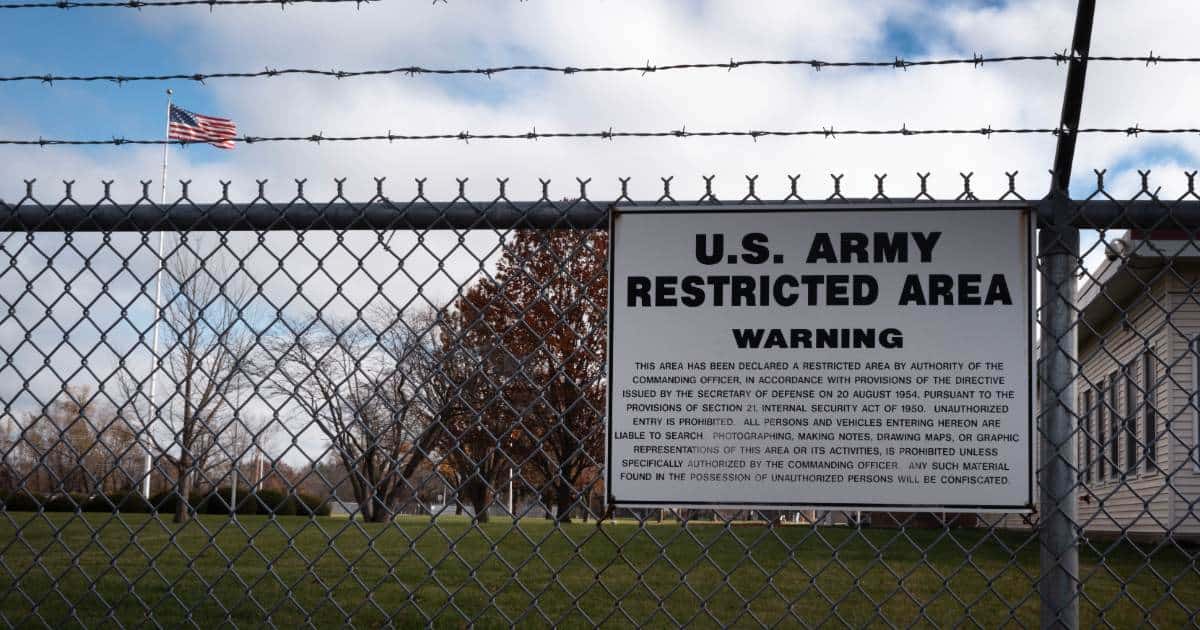
The frustration is shared by residents living close to the Iowa Army Ammunition Plant in Middletown.
Krys Plate, who lives about two miles south of the facility, told The New York Times: "I'm really angry about this. I feel like we're guinea pigs."
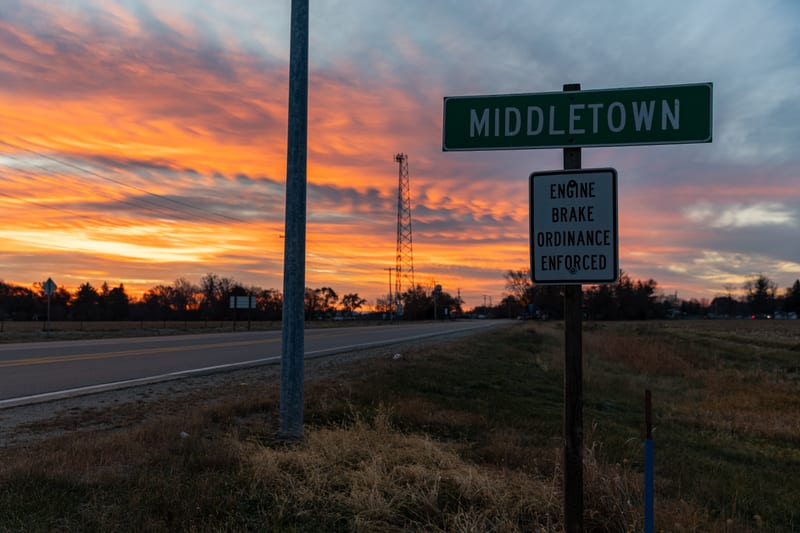
Her husband, Jim Plate, has also questioned the communication from authorities, particularly the repeated changes to the Army's plans.
For Lucy Giehl, who lives in nearby West Burlington, the concern is what happens after the explosion.
She has questioned the long-term impact of lead particles settling on agricultural land and other surfaces.
"I don't think lead danger goes away any time soon," she said.
Some of these residents shared their concerns in interviews before Wednesday's detonation, but the completion of the operation has not erased the questions they raised.
A family speaking to CBS News described themselves as beyond frustrated and upset, arguing that the situation "should never have come to this."
The blast has also affected plans for the Thanksgiving holiday. Residents have criticized the short notice that left households with little time to make arrangements.
EPA monitors lead levels after blast
The immediate concern is whether the explosion released lead particles into the surrounding environment.
The potential impact extends beyond residential neighborhoods, with around 350 farms identified as being within the area of concern.
Farmers fear that contamination could affect fields, livestock, water sources and the wider agricultural supply chain.
At 9:00am CT, @USArmy Sustainment Command executed the controlled mitigated detonation at the Iowa Army Ammunition Plant in Middletown, Iowa. ALL EPA real-time air monitors are reporting ZERO detection of airborne lead throughout the region. EPA monitors never stopped collecting data throughout the event. The data can be viewed as it becomes available at: https://t.co/JMdcrsrYHc
— U.S. EPA (@EPA) November 25, 2026
The first readings released after the detonation have been encouraging.
The Environmental Protection Agency (EPA) said its real-time air monitors detected no airborne lead across the region during the controlled explosion.
The monitoring equipment continued operating throughout the event.
EPA Administrator Lee Zeldin said that some sensors positioned closest to the blast site were also recording levels below the agency's detection threshold.
He described the initial feedback from the Department of War as very positive, saying the Army's containment measures appeared to have exceeded expectations.
However, the EPA is continuing its investigation rather than relying solely on the initial air readings.
Over the course of the upcoming minutes, hours, and days, EPA’s 300 employees and contractors, who have been pre-positioned on the ground, will be conducting extensive and thorough monitoring, taking samples of air, land, and water, and deploying remediation efforts if necessary. In anticipation of the Army’s controlled detonation this morning, EPA placed the full force of the agency behind our effort to ensure we are doing everything possible to protect human health and the environment. This included the collection of 1,200 samples of air, land, dust, and water prior to this morning’s controlled detonation. We stand ready to provide any and all necessary support. EPA’s data can be viewed as it becomes available at: https://t.co/AKqen49i2a
— Lee Zeldin (@epaleezeldin) November 25, 2026
Around 300 agency employees and contractors have been deployed in the area to monitor conditions, collect samples and carry out remediation if necessary.
Zeldin said the agency had already collected more than 1,200 samples of air, soil, dust and water before the explosion.
Further samples are now being taken so that officials can compare the results and identify any changes following the blast.
While the EPA's initial findings offer some reassurance, they do not answer every question about possible contamination of land and water.
The continuing tests will be particularly important for the farming communities surrounding the plant, where residents want evidence that the explosion has not left behind a longer-term environmental problem.