350 Iowa farms could face contamination as Army prepares to detonate lead explosives
MIDDLETOWN, IOWA: The US Army is preparing to detonate 68 drums of unstable lead azide at an Iowa ammunition plant at 9 am on Wednesday, November 25, warning that the chemical could explode on its own if left untouched. However, the planned blast has sparked fear among nearby residents, with officials warning that lead dust could spread across Iowa and into neighboring Missouri.
Around 350 farms could be affected by the explosion, according to the US Department of Agriculture. Federal officials insist that detonating the explosives is the only safe option, despite growing concerns about the possible health and environmental impact.
MS Now: The Army has admitted that 350 farms in Iowa could have lead exposure after Wednesday’s detonation. https://t.co/k6pKBHfWOp
— World Source News (@Worldsource24) November 24, 2026
Why the Army says the Iowa lead azide explosion cannot be avoided
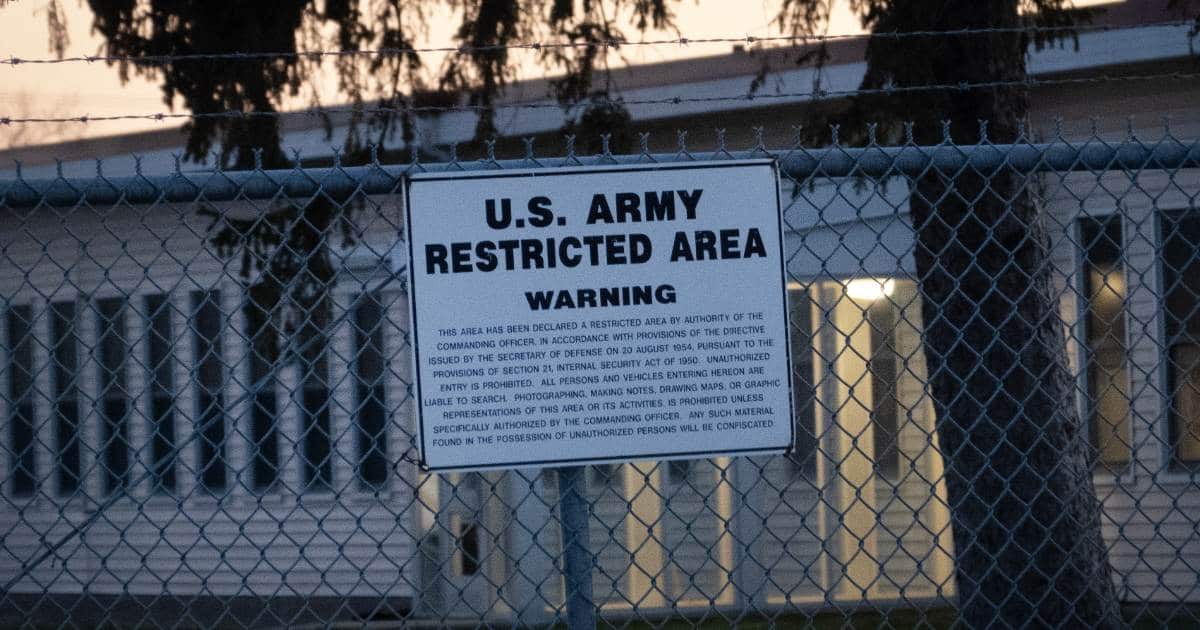
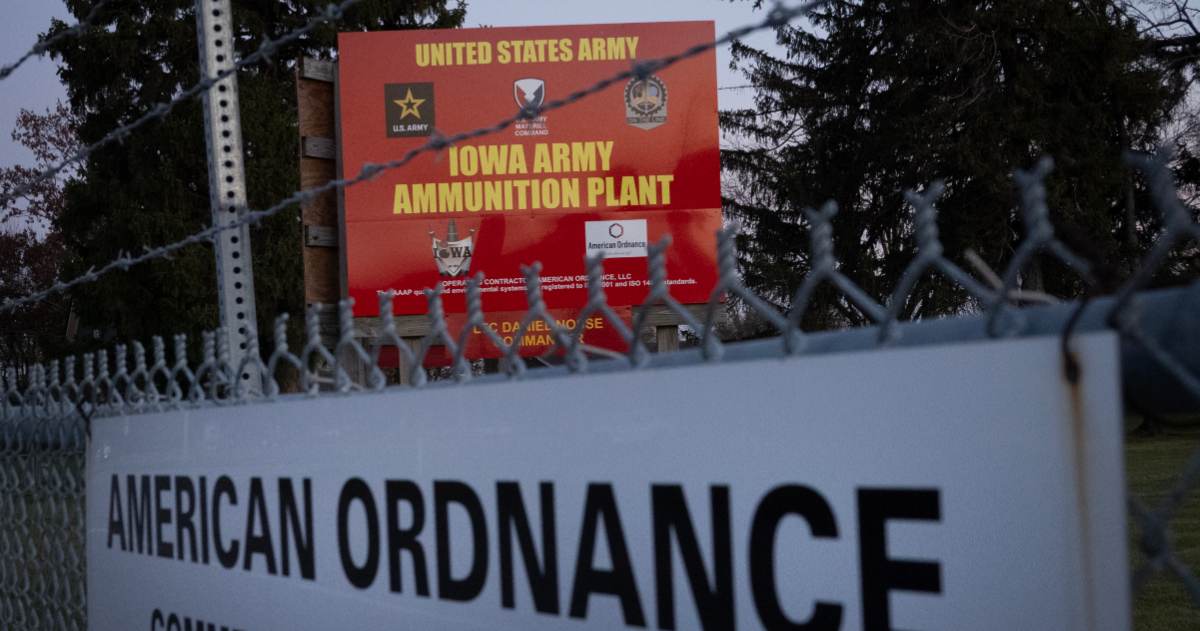
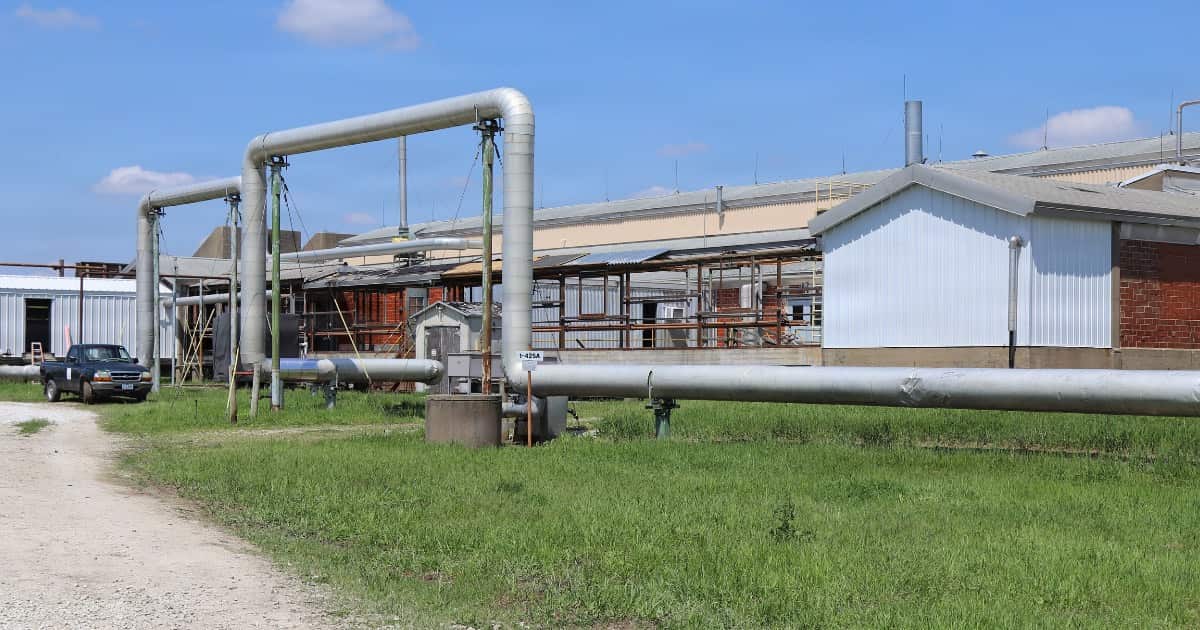
The deteriorating drums are stored at the Iowa Army Ammunition Plant in Middletown. Officials said the lead azide has undergone a process called recrystallization, making it highly unstable. Cold weather is also increasing the risk of a spontaneous explosion.
ATF Director Robert Cekada warned that waiting could lead to an uncontrolled blast.
“It's just a matter of time when we have an uncontrolled detonation,” he said. “It's not a matter if, it's a matter of when, and that would not be a great place for us to be.”
The Army said it discovered the problem during an inspection in March and has been working on a way to deal with the explosives safely.
Acting Army Secretary Adam Telle said federal agencies were taking “unprecedented, innovative” steps to limit the amount of lead dust escaping the facility.
#IOWALeadBomb #IowaDetonation At 10am ET tomorrow (Wed, 25 November 2026) the US Army plans to execute a controlled open detonation of 68 degraded drums (roughly 9,500 to 9,700 pounds) of lead azide at the Iowa Army Ammunition Plant near Middletown, Iowa. Normally submerged in a stabilizing bath of water and alcohol inside two earth-covered bunkers, the liquid evaporated over time, causing the primary explosive to form volatile, needle-shaped crystals that can be triggered by friction, a slight bump, or static electricity. Deemed too dangerous to open for chemical neutralization or to transport (and facing heightened instability from dropping temperatures after blast doors were removed in preparation) the stockpile will be blown up in place behind sand barriers, water walls, ballistic gel blocks, water misters, and aqueous foam. Even with heavy suppression expected to trap 75% to 92% of the roughly 6,900 pounds of elemental lead on-site, northeast winds of 8 to 13 mph are projected to carry a plume of lead dust and fine aerosols southwest across southeastern Iowa and into northeastern and north-central Missouri. (https://t.co/X2TTJP8QGU) (https://t.co/PBYc1LdVXl) The plan has sparked widespread fear, frustration, and legal pushback from nearby residents, agricultural producers, and environmental advocates. While Middletown’s mayor urged calm and backed destroying the unstable explosives quickly, families living near the base sealed up their homes and voiced alarm over permanent neurotoxic lead contamination, school closures, and short-notice evacuation and shelter-in-place advisories. Farmers and ranchers expressed anger over impractical instructions, such as a cattle rancher given less than 24 hours to bring 500 cattle indoors and a local beekeeper forced to haul his hives into Illinois at his own expense. Meanwhile, environmental groups sued to block the emergency EPA permit, criticizing the Army for cancelling an earlier chemical-neutralization contract and questioning how long-term off-site soil and water testing will be handled, before a federal appeals court ultimately lifted its temporary pause and cleared tomorrow's detonation to proceed. (https://t.co/NOFB0S3IDe) 𝟏. 𝐒𝐩𝐞𝐜𝐮𝐥𝐚𝐭𝐢𝐯𝐞 𝐌𝐚𝐬𝐬 𝐁𝐚𝐥𝐚𝐧𝐜𝐞: 𝐇𝐨𝐰 𝐌𝐮𝐜𝐡 𝐄𝐥𝐞𝐦𝐧𝐭𝐚𝐥 𝐋𝐞𝐚𝐝 𝐀𝐜𝐭𝐮𝐚𝐥𝐥𝐲 𝐒𝐩𝐫𝐞𝐚𝐝𝐬? When 9,500 to 9,700 pounds of lead azide (Pb(N₃)₂) detonates, nitrogen gas is violently liberated while the ~𝟲,𝟵𝟬𝟬 𝗽𝗼𝘂𝗻𝗱𝘀 𝗼𝗳 𝗲𝗹𝗲𝗺𝗲𝗻𝘁𝗮𝗹 𝗹𝗲𝗮𝗱 (71.1% by mass) cannot be destroyed. It melts, vaporizes, or shatters into metallic lead and lead oxide (PbO) particulates (https://t.co/0lr9kX3OEA, https://t.co/gmzU2fsteP). However, 𝗮𝗹𝗹 𝟲,𝟵𝟬𝟬 𝗽𝗼𝘂𝗻𝗱𝘀 𝘄𝗶𝗹𝗹 𝗻𝗼𝘁 𝗱𝗿𝗶𝗳𝘁 𝗮𝗰𝗿𝗼𝘀𝘀 𝘁𝗵𝗲 𝗠𝗶𝗱𝘄𝗲𝘀𝘁 𝗮𝘀 𝗳𝗶𝗻𝗲 𝗿𝗲𝘀𝗽𝗶𝗿𝗮𝗯𝗹𝗲 𝗱𝘂𝘀𝘁. Based on explosion physics, EPA AP-42 Chapter 15 ordnance emission testing (https://t.co/mT5FfJE5Px), Sandia National Laboratories blast-foam containment experiments (https://t.co/EBFpQhgJL3), and the Army’s newly disclosed mitigation array, a realistic mass-balance estimate breaks down as follows: 🅞 𝗪𝗵𝘆 𝗨𝗻𝗺𝗶𝘁𝗶𝗴𝗮𝘁𝗲𝗱 𝗗𝗲𝘁𝗼𝗻𝗮𝘁𝗶𝗼𝗻 𝗪𝗼𝘂𝗹𝗱 𝗕𝗲 𝗦𝗲𝘃𝗲𝗿𝗲: Because detonation temperatures exceed the boiling point of lead (1,749°C), an 𝘶𝘯𝘤𝘰𝘯𝘧𝘪𝘯𝘦𝘥 surface blast vaporizes a substantial share of the metal. As the fireball cools, lead vapor condenses into sub-micron and fine accumulation-mode aerosols (<2.5 μm, or PM₂.₅), while mechanical fragmentation produces coarser particles (10–100+ μm). In an unmitigated open blast, roughly 30% to 60% of the metal mass could loft into the atmosphere. 🅞 𝗜𝗺𝗽𝗮𝗰𝘁 𝗼𝗳 𝘁𝗵𝗲 𝗔𝗿𝗺𝘆’𝘀 𝗖𝗼𝗻𝘁𝗮𝗶𝗻𝗺𝗲𝗻𝘁 𝗔𝗿𝗿𝗮𝘆: On November 24, 2026, the U.S. Army detailed a heavy physical suppression setup around the two earth-covered concrete magazines: 𝘁𝘄𝗼-𝘀𝘁𝗼𝗿𝘆-𝗵𝗶𝗴𝗵 𝘀𝗮𝗻𝗱 𝗯𝗮𝗿𝗿𝗶𝗲𝗿𝘀, 𝗮 "𝘄𝗮𝘁𝗲𝗿 𝘄𝗮𝗹𝗹," 𝗯𝗮𝗹𝗹𝗶𝘀𝘁𝗶𝗰 𝗴𝗲𝗹 𝗯𝗹𝗼𝗰𝗸𝘀, 𝗰𝗼𝗻𝘁𝗶𝗻𝘂𝗼𝘂𝘀 𝘀𝗼𝗶𝗹 𝘀𝗮𝘁𝘂𝗿𝗮𝘁𝗶𝗼𝗻 𝘃𝗶𝗮 𝘄𝗮𝘁𝗲𝗿 𝗺𝗶𝘀𝘁𝗲𝗿𝘀, 𝗮𝗻𝗱 𝗮𝗾𝘂𝗲𝗼𝘂𝘀 𝗳𝗼𝗮𝗺 𝗯𝗮𝗿𝗿𝗶𝗲𝗿𝘀 (https://t.co/X2TTJP8QGU). Experimental blast-mitigation testing at Sandia National Laboratories and peer-reviewed high-explosive foam studies show that full aqueous foam immersion quenches fireball temperatures, cuts peak shock overpressure by ~70%, and traps up to 90%–99% of respirable heavy-metal particulates in fully enclosed tests (https://t.co/EBFpQhgJL3, https://t.co/ZDLE8Lmuzw). Because two concrete bunkers holding nearly 5 tons of high explosives plus donor charges will violently breach their earth-covered roofs rather than remain sealed inside a closed tent, real-world capture efficiency will be lower—realistically 𝘁𝗿𝗮𝗽𝗽𝗶𝗻𝗴 𝟳𝟱% 𝘁𝗼 𝟵𝟮% 𝗼𝗳 𝘁𝗵𝗲 𝗹𝗲𝗮𝗱 𝗼𝗻-𝘀𝗶𝘁𝗲 in the wet crater, collapsed soil overburden, foam slurry, and sand walls. 🅞 𝗗𝗲𝗻𝘀𝗶𝘁𝘆 & 𝗦𝗲𝘁𝘁𝗹𝗶𝗻𝗴 𝗣𝗵𝘆𝘀𝗶𝗰𝘀: As atmospheric scientists at the University of Illinois note, lead and lead oxide particles (≈9.5–11.3 g/cm³) are 𝟮 𝘁𝗼 𝟰 𝘁𝗶𝗺𝗲𝘀 𝗱𝗲𝗻𝘀𝗲𝗿 𝘁𝗵𝗮𝗻 𝗼𝗿𝗱𝗶𝗻𝗮𝗿𝘆 𝘀𝗶𝗹𝗶𝗰𝗮𝘁𝗲 𝘀𝗼𝗶𝗹 𝗱𝘂𝘀𝘁 (≈2.65 g/cm³) (https://t.co/3023K4prHM). By Stokes' Law, terminal settling velocity scales linearly with particle density and with the 𝘴𝘲𝘶𝘢𝘳𝘦 of particle diameter. Consequently, coarse lead particles (>30 μm) fall out rapidly within a few miles, intermediate particles (5–25 μm) settle over 5 to 40 miles, and 𝗼𝗻𝗹𝘆 𝗳𝗶𝗻𝗲 𝗮𝗲𝗿𝗼𝘀𝗼𝗹𝘀 𝘂𝗻𝗱𝗲𝗿 ~𝟱 𝘁𝗼 𝟭𝟬 𝗺𝗶𝗰𝗿𝗼𝗺𝗲𝘁𝗲𝗿𝘀 (𝗣𝗠₁₀ 𝗮𝗻𝗱 𝗲𝘀𝗽𝗲𝗰𝗶𝗮𝗹𝗹𝘆 𝗣𝗠₂.₅) remain governed by wind turbulence rather than gravity long enough to travel 40 to 100 miles (https://t.co/3023K4prHM). 𝐄𝐬𝐭𝐢𝐦𝐚𝐭𝐞𝐝 𝐄𝐥𝐞𝐦𝐞𝐧𝐭𝐚𝐥 𝐋𝐞𝐚𝐝 𝐏𝐚𝐫𝐭𝐢𝐭𝐢𝐨𝐧𝐢𝐧𝐠 (~𝟔,𝟗𝟎𝟎 𝐥𝐛𝐬 𝐓𝐨𝐭𝐚𝐥 𝐋𝐞𝐚𝐝) See the attached graphic ("Estimated Elemental Lead Partitioning (~6,900 lbs Total Lead)") for a full breakdown by aerodynamic size class, estimated share of total lead, estimated lead mass, and transport and health behavior. (𝘌𝘷𝘦𝘯 𝘢 2%–8% 𝘰𝘧𝘧-𝘴𝘪𝘵𝘦 𝘥𝘦𝘱𝘰𝘴𝘪𝘵𝘪𝘰𝘯 𝘧𝘳𝘢𝘤𝘵𝘪𝘰𝘯—𝘳𝘰𝘶𝘨𝘩𝘭𝘺 140 𝘵𝘰 550 𝘱𝘰𝘶𝘯𝘥𝘴 𝘰𝘧 𝘭𝘦𝘢𝘥—𝘪𝘴 𝘦𝘯𝘷𝘪𝘳𝘰𝘯𝘮𝘦𝘯𝘵𝘢𝘭𝘭𝘺 𝘮𝘦𝘢𝘯𝘪𝘯𝘨𝘧𝘶𝘭: 𝘜𝘯𝘪𝘷𝘦𝘳𝘴𝘪𝘵𝘺 𝘰𝘧 𝘝𝘦𝘳𝘮𝘰𝘯𝘵 𝘨𝘦𝘰𝘤𝘩𝘦𝘮𝘪𝘴𝘵 𝘕𝘪𝘤𝘰 𝘗𝘦𝘳𝘥𝘳𝘪𝘢𝘭 𝘯𝘰𝘵𝘦𝘥 𝘵𝘩𝘢𝘵 𝘦𝘢𝘳𝘭𝘪𝘦𝘳 30-𝘮𝘪𝘭𝘦 𝘈𝘳𝘮𝘺 𝘱𝘭𝘶𝘮𝘦 𝘳𝘶𝘯𝘴 𝘤𝘰𝘳𝘳𝘦𝘴𝘱𝘰𝘯𝘥𝘦𝘥 𝘵𝘰 𝘴𝘶𝘳𝘧𝘢𝘤𝘦 𝘥𝘦𝘱𝘰𝘴𝘪𝘵𝘪𝘰𝘯 𝘰𝘯 𝘵𝘩𝘦 𝘰𝘳𝘥𝘦𝘳 𝘰𝘧 𝟭𝟬𝟬 μ𝗴/𝗳𝘁², 𝘸𝘩𝘪𝘤𝘩 𝘦𝘹𝘤𝘦𝘦𝘥𝘴 𝘵𝘩𝘦 𝘌𝘗𝘈’𝘴 𝘴𝘵𝘳𝘪𝘤𝘵 𝘪𝘯𝘥𝘰𝘰𝘳 𝘳𝘦𝘴𝘪𝘥𝘦𝘯𝘵𝘪𝘢𝘭 𝘧𝘭𝘰𝘰𝘳-𝘥𝘶𝘴𝘵 𝘩𝘢𝘻𝘢𝘳𝘥 𝘴𝘵𝘢𝘯𝘥𝘢𝘳𝘥 𝘪𝘧 𝘵𝘳𝘢𝘤𝘬𝘦𝘥 𝘪𝘯𝘥𝘰𝘰𝘳𝘴 𝘰𝘳 𝘤𝘰𝘯𝘤𝘦𝘯𝘵𝘳𝘢𝘵𝘦𝘥 𝘰𝘯 𝘱𝘭𝘢𝘺𝘨𝘳𝘰𝘶𝘯𝘥 𝘴𝘶𝘳𝘧𝘢𝘤𝘦𝘴: https://t.co/gmzU2fsteP.) ────────────────────── 𝟐. 𝐏𝐨𝐭𝐞𝐧𝐭𝐢𝐚𝐥 𝐏𝐥𝐮𝐦𝐞 𝐏𝐚𝐭𝐡 & 𝐈𝐦𝐩𝐚𝐜𝐭𝐞𝐝 𝐀𝐫𝐞𝐚 (𝐖𝐞𝐝𝐧𝐞𝐬𝐝𝐚𝐲, 𝐍𝐨𝐯. 𝟐𝟓 𝐅𝐨𝐫𝐞𝐜𝐚𝐬𝐭) On Tuesday morning, November 24, 2026, the US Army Sustainment Command released updated atmospheric dispersion and surface-deposition maps ahead of the scheduled 𝟵:𝟬𝟬 𝗮.𝗺. 𝗖𝗦𝗧 𝗪𝗲𝗱𝗻𝗲𝘀𝗱𝗮𝘆, 𝗡𝗼𝘃𝗲𝗺𝗯𝗲𝗿 𝟮𝟱 detonation (https://t.co/9jbHMJSozm, https://t.co/YQOhDvX7RR). Because steady 𝗻𝗼𝗿𝘁𝗵𝗲𝗮𝘀𝘁 𝘄𝗶𝗻𝗱𝘀 (𝗿𝗼𝘂𝗴𝗵𝗹𝘆 𝟴 𝘁𝗼 𝟭𝟯 𝗺𝗽𝗵) are forecast, the trajectory has pivoted nearly 180° away from last week's northward/Illinois projections, sparing Illinois and eastern cities like Burlington and Davenport (https://t.co/NOFB0S3IDe). Based on the November 24 Army tracking maps, state health advisories, and Missouri Department of Natural Resources disclosures, the impacted corridor divides into four relative risk tiers: 🅞 𝗭𝗼𝗻𝗲 𝟭 — 𝗘𝘅𝘁𝗿𝗲𝗺𝗲 / 𝗕𝗹𝗮𝘀𝘁 & 𝗛𝗲𝗮𝘃𝘆 𝗙𝗮𝗹𝗹𝗼𝘂𝘁 𝗭𝗼𝗻𝗲 (𝟬–𝟱 𝗺𝗶𝗹𝗲𝘀 𝗮𝗿𝗼𝘂𝗻𝗱 𝗠𝗶𝗱𝗱𝗹𝗲𝘁𝗼𝘄𝗻, 𝗜𝗔): • 𝗚𝗲𝗼𝗴𝗿𝗮𝗽𝗵𝘆: IAAAP grounds and immediate rural perimeter in western Des Moines County and eastern Henry County, IA. • 𝗥𝗶𝘀𝗸 𝗣𝗿𝗼𝗳𝗶𝗹𝗲: Peak shockwave/window-breakage overpressure (prompting temporary evacuation advisories for ~55 nearby households) and rapid gravitational fallout of coarse lead particulates (https://t.co/9jbHMJSozm). 🅞 𝗭𝗼𝗻𝗲 𝟮 — 𝗛𝗶𝗴𝗵 𝗥𝗲𝗹𝗮𝘁𝗶𝘃𝗲 𝗥𝗶𝘀𝗸: 𝗦𝘂𝗿𝗳𝗮𝗰𝗲 𝗗𝘂𝘀𝘁 𝗗𝗲𝗽𝗼𝘀𝗶𝘁𝗶𝗼𝗻 𝗦𝘁𝗿𝗶𝗽 (𝟱–𝟰𝟬 𝗺𝗶𝗹𝗲𝘀 𝗦𝗪): • 𝗚𝗲𝗼𝗴𝗿𝗮𝗽𝗵𝘆: A narrow corridor (~5 miles wide and 𝟯𝟱 𝘁𝗼 𝟰𝟬 𝗺𝗶𝗹𝗲𝘀 𝗹𝗼𝗻𝗴) cutting southwest across 𝗟𝗲𝗲 𝗖𝗼𝘂𝗻𝘁𝘆 𝗮𝗻𝗱 𝗲𝗮𝘀𝘁𝗲𝗿𝗻 𝗩𝗮𝗻 𝗕𝘂𝗿𝗲𝗻 𝗖𝗼𝘂𝗻𝘁𝘆 𝗶𝗻 𝘀𝗼𝘂𝘁𝗵𝗲𝗮𝘀𝘁𝗲𝗿𝗻 𝗜𝗼𝘄𝗮 (near West Point, Donnellson, Farmington, and rural areas northwest of Fort Madison/Keokuk) and 𝗷𝘂𝘀𝘁 𝗰𝗿𝗼𝘀𝘀𝗶𝗻𝗴 𝘁𝗵𝗲 𝗗𝗲𝘀 𝗠𝗼𝗶𝗻𝗲𝘀 𝗥𝗶𝘃𝗲𝗿 / 𝗠𝗶𝘀𝘀𝗼𝘂𝗿𝗶 𝘀𝘁𝗮𝘁𝗲 𝗹𝗶𝗻𝗲 𝗶𝗻𝘁𝗼 𝗻𝗼𝗿𝘁𝗵𝗲𝗿𝗻 𝗖𝗹𝗮𝗿𝗸 𝗖𝗼𝘂𝗻𝘁𝘆, 𝗠𝗶𝘀𝘀𝗼𝘂𝗿𝗶 (near Kahoka/Revere) (https://t.co/YQOhDvX7RR, https://t.co/SbqSVbjJIU). • 𝗥𝗶𝘀𝗸 𝗣𝗿𝗼𝗳𝗶𝗹𝗲: Primary zone where heavier airborne dust (5–30 μm) settles onto soil, pastures, vehicles, and playground equipment. Residents between 𝟱 𝗮𝗻𝗱 𝟮𝟬 𝗺𝗶𝗹𝗲𝘀 from IAAAP are under direct Army and Iowa HHS advisories to stay indoors with windows shut for 24–48 hours, set HVAC systems to recirculate, shelter or cover livestock feed/water, and wet-wash outdoor surfaces afterward (https://t.co/9jbHMJSozm, https://t.co/D58TKuVG0n). 🅞 𝗭𝗼𝗻𝗲 𝟯 — 𝗠𝗼𝗱𝗲𝗿𝗮𝘁𝗲-𝘁𝗼-𝗟𝗼𝘄 𝗥𝗶𝘀𝗸: 𝗔𝗶𝗿𝗯𝗼𝗿𝗻𝗲 𝗔𝗲𝗿𝗼𝘀𝗼𝗹 𝗗𝗿𝗶𝗳𝘁 (𝟰𝟬–𝟳𝟱 𝗺𝗶𝗹𝗲𝘀 𝗦𝗪): • 𝗚𝗲𝗼𝗴𝗿𝗮𝗽𝗵𝘆: Northeastern Missouri across 𝗖𝗹𝗮𝗿𝗸, 𝗦𝗰𝗼𝘁𝗹𝗮𝗻𝗱, 𝗞𝗻𝗼𝘅, 𝗔𝗱𝗮𝗶𝗿, 𝗦𝗵𝗲𝗹𝗯𝘆, 𝗮𝗻𝗱 𝗠𝗮𝗰𝗼𝗻 𝗰𝗼𝘂𝗻𝘁𝗶𝗲𝘀 (roughly along a path near Memphis, Edina, Kirksville, and Macon, MO). Missouri DNR notes that 10 public surface-water drinking systems (13 intakes) sit within 100 miles of Middletown and have been placed on enhanced treatment monitoring (https://t.co/PBYc1LdVXl). • 𝗥𝗶𝘀𝗸 𝗣𝗿𝗼𝗳𝗶𝗹𝗲: Minimal measurable soil accumulation, but transient airborne passage of fine sub-10-micron lead dust during the afternoon hours following the 9:00 a.m. blast. 🅞 𝗭𝗼𝗻𝗲 𝟰 — 𝗧𝗿𝗮𝗰𝗲 𝗥𝗶𝘀𝗸: 𝗗𝗶𝗹𝘂𝘁𝗲𝗱 𝗙𝗶𝗻𝗲 𝗣𝗠₂.₅ 𝗣𝗹𝘂𝗺𝗲 𝗧𝗮𝗶𝗹 (𝟳𝟱–𝟭𝟬𝟬+ 𝗺𝗶𝗹𝗲𝘀 𝗦𝗪): • 𝗚𝗲𝗼𝗴𝗿𝗮𝗽𝗵𝘆: Extending into north-central Missouri—including 𝗥𝗮𝗻𝗱𝗼𝗹𝗽𝗵, 𝗠𝗼𝗻𝗿𝗼𝗲, 𝗔𝘂𝗱𝗿𝗮𝗶𝗻, 𝗮𝗻𝗱 𝗻𝗼𝗿𝘁𝗵𝗲𝗿𝗻 𝗕𝗼𝗼𝗻𝗲 𝗰𝗼𝘂𝗻𝘁𝗶𝗲𝘀, 𝘁𝗲𝗿𝗺𝗶𝗻𝗮𝘁𝗶𝗻𝗴 𝗷𝘂𝘀𝘁 𝗻𝗼𝗿𝘁𝗵 𝗼𝗳 𝗖𝗼𝗹𝘂𝗺𝗯𝗶𝗮, 𝗠𝗶𝘀𝘀𝗼𝘂𝗿𝗶, roughly 𝟴 𝗵𝗼𝘂𝗿𝘀 𝗮𝗳𝘁𝗲𝗿 𝗱𝗲𝘁𝗼𝗻𝗮𝘁𝗶𝗼𝗻 (~5:00 p.m. CST Wednesday) (https://t.co/YQOhDvX7RR). • 𝗥𝗶𝘀𝗸 𝗣𝗿𝗼𝗳𝗶𝗹𝗲: Highly dispersed, low-concentration fine aerosol cloud. Acute toxicity is not expected at this distance, though staying indoors while the plume passes eliminates avoidable inhalation exposure for young children and pregnant women (https://t.co/PBYc1LdVXl, https://t.co/gmzU2fsteP). (𝘕𝘰𝘵𝘦: 𝘈𝘵𝘮𝘰𝘴𝘱𝘩𝘦𝘳𝘪𝘤 𝘴𝘵𝘢𝘣𝘪𝘭𝘪𝘵𝘺 𝘢𝘵 9:00 𝘢.𝘮. 𝘊𝘚𝘛 𝘪𝘴 𝘢 𝘤𝘳𝘪𝘵𝘪𝘤𝘢𝘭 𝘸𝘪𝘭𝘥𝘤𝘢𝘳𝘥. 𝘐𝘧 𝘢 𝘤𝘳𝘪𝘴𝘱 𝘕𝘰𝘷𝘦𝘮𝘣𝘦𝘳 𝘮𝘰𝘳𝘯𝘪𝘯𝘨 𝘳𝘢𝘥𝘪𝘢𝘵𝘪𝘰𝘯 𝘪𝘯𝘷𝘦𝘳𝘴𝘪𝘰𝘯 𝘵𝘳𝘢𝘱𝘴 𝘤𝘰𝘰𝘭 𝘢𝘪𝘳 𝘯𝘦𝘢𝘳 𝘵𝘩𝘦 𝘨𝘳𝘰𝘶𝘯𝘥 𝘣𝘦𝘯𝘦𝘢𝘵𝘩 𝘸𝘢𝘳𝘮𝘦𝘳 𝘢𝘪𝘳 𝘢𝘭𝘰𝘧𝘵, 𝘷𝘦𝘳𝘵𝘪𝘤𝘢𝘭 𝘮𝘪𝘹𝘪𝘯𝘨 𝘪𝘴 𝘴𝘶𝘱𝘱𝘳𝘦𝘴𝘴𝘦𝘥 𝘢𝘯𝘥 𝘵𝘩𝘦 𝘱𝘭𝘶𝘮𝘦 𝘴𝘵𝘢𝘺𝘴 𝘯𝘢𝘳𝘳𝘰𝘸𝘦𝘳 𝘢𝘯𝘥 𝘮𝘰𝘳𝘦 𝘤𝘰𝘯𝘤𝘦𝘯𝘵𝘳𝘢𝘵𝘦𝘥 𝘯𝘦𝘢𝘳 𝘴𝘶𝘳𝘧𝘢𝘤𝘦 𝘭𝘦𝘷𝘦𝘭; 𝘤𝘰𝘯𝘷𝘦𝘳𝘴𝘦𝘭𝘺, 𝘴𝘶𝘯𝘯𝘺 𝘮𝘪𝘥-𝘮𝘰𝘳𝘯𝘪𝘯𝘨 𝘤𝘰𝘯𝘷𝘦𝘤𝘵𝘪𝘷𝘦 𝘮𝘪𝘹𝘪𝘯𝘨 𝘥𝘪𝘭𝘶𝘵𝘦𝘴 𝘤𝘰𝘯𝘤𝘦𝘯𝘵𝘳𝘢𝘵𝘪𝘰𝘯𝘴 𝘧𝘢𝘴𝘵𝘦𝘳 𝘷𝘦𝘳𝘵𝘪𝘤𝘢𝘭𝘭𝘺, 𝘸𝘩𝘪𝘭𝘦 𝘢𝘯𝘺 𝘴𝘶𝘳𝘱𝘳𝘪𝘴𝘦 𝘴𝘭𝘦𝘦𝘵 𝘰𝘳 𝘳𝘢𝘪𝘯 𝘴𝘩𝘰𝘸𝘦𝘳 𝘸𝘰𝘶𝘭𝘥 𝘳𝘢𝘱𝘪𝘥𝘭𝘺 "𝘸𝘢𝘴𝘩 𝘰𝘶𝘵" 𝘢𝘯𝘥 𝘤𝘰𝘯𝘤𝘦𝘯𝘵𝘳𝘢𝘵𝘦 𝘵𝘩𝘦 𝘭𝘦𝘢𝘥 𝘰𝘯𝘵𝘰 𝘭𝘰𝘤𝘢𝘭𝘪𝘻𝘦𝘥 𝘱𝘢𝘵𝘤𝘩𝘦𝘴 𝘰𝘧 𝘨𝘳𝘰𝘶𝘯𝘥: https://t.co/3023K4prHM.)
— Jimmy D, life curator (@th3donut) November 24, 2026
350 farms could be affected by Army's Iowa blast
The explosion is expected to send a plume of lead dust southwest, potentially reaching areas around 40 miles away, including Farmington and northeastern Missouri.
Richard Fordyce, a US Agriculture Department undersecretary, said approximately 350 farms could be impacted based on the expected direction of the plume.
The Army has described the evacuation area as a five-mile cone extending southwest from the ammunition plant. Sean Kaufman, principal deputy assistant secretary for preparedness and response at the Department of Health and Human Services, specifically warned vulnerable residents to leave.
“If there are women who are pregnant, children under the age of 6 or children in general, and individuals who may have chronic disease, you definitely want to be out of that area,” he said. “I would evacuate that area.”
Residents who remain have been advised to stay indoors. The Army is also providing short-term hotel accommodation for people in Middletown and other areas within the evacuation zone through Friday.
Army faces questions over alternative to detonating toxic explosives
The Army said it explored other ways to neutralize the lead azide but could not find a safe alternative. However, the decision has raised questions because the military had previously awarded a contract to MuniRem Environmental for a chemical treatment that could neutralize the explosives without an explosion.
Company CEO Valentine Nzengung said the Army canceled the contract shortly after initiating it. He questioned the assessment that the chemical method was unsafe, although he acknowledged that he did not have the Army's latest information about the condition of the drums.
Meanwhile, Col Aaron Teller said the barrels had deteriorated rapidly over the past eight months, with crystallized lead azide accumulating on their exterior and lids. He said this made moving the barrels or removing their lids too dangerous.
The Army's safety plan includes sand-filled HESCO barriers, water mist, a water wall, foam barriers and gel blocks to contain the blast and absorb lead particles.
Iowa residents can request lead contamination testing after explosion
Officials said residents in Iowa, Illinois and Missouri can request testing of their homes, properties and schools for lead contamination.
“If you want your home sampled, your property sampled, your school sampled, you will get that sample,” said Tom Croci, the EPA's associate administrator for national security and operations coordination.
The explosion is expected to leave a crater around 38 feet wide and five feet deep. Emergency permitting documents also warn that concrete fragments could travel up to 3,000 feet from the blast site, with smaller debris potentially traveling farther.
Cleanup work is expected to take up to three months after Army personnel and contractors are allowed back into the facility. Workers could have to move as much as 13 tons of fencing, sand and other debris to a hazardous waste facility.
Lead azide was once commonly used in military explosives but was phased out around 15 years ago because of its sensitivity and the difficulties involved in storing and transporting it. The nation's stockpile was moved to the Iowa ammunition plant in 2009.