US Army delays massive Iowa lead azide blast as fears grow over toxic dust reaching communities
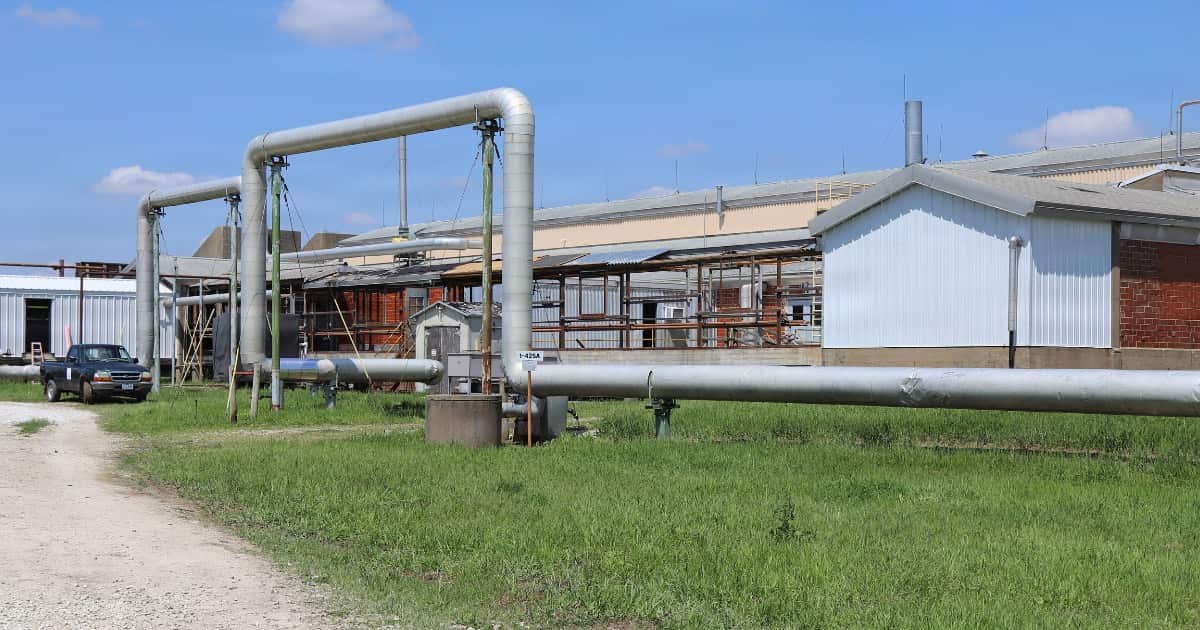
MIDDLETOWN, IOWA: The US Army has postponed its planned detonation of five tons of hazardous lead azide at an ammunition plant in southeastern Iowa following concerns raised by residents and lawmakers.
The controlled explosion, originally scheduled for Friday afternoon, November 20, will now take place on Monday, November 23, according to Iowa Sen. Chuck Grassley.
The operation involves 68 barrels of lead azide, an explosive chemical used in bombs and other devices.
Investigations found that the material, which has been stored in water for nearly two decades, had recrystallized, making it more sensitive and increasing the risk of an accidental explosion.
The delay comes as officials face questions about the potential release of lead particles and the safety of communities near the Iowa Army Ammunition Plant.
ALERT: Toxic lead is expected to spread across parts of Iowa and Illinois as the U.S. Army plans to detonate a highly sensitive explosive used in ammo since WWI. The Army is planning 2 controlled detonations of 68 barrels of lead azide at the Iowa Army Ammunition Plant in Middletown. The town of only 360 holds about 5 tons (10,000 pounds) of the material, and the Environmental Protection Agency believes it has deteriorated during storage. Environmental groups have filed a lawsuit to prevent the explosion from happening. Earthjustice claims the barrels are securely in a bath of ethanol and water to keep them stable; however, a routine check showed that some of the water had evaporated. Some Middletown residents are being advised to evacuate as the explosion could damage nearby buildings and shatter windows. Concerns are rising about toxic dust particles and lead settling on agricultural land, residential properties, playground equipment, and other outdoor surfaces. Though the army is working to minimize the dust, the Centers for Disease Control and Prevention warns that there is no safe blood lead level for children.
— E X X ➠A L E R T S (@ExxAlerts) November 19, 2026
Why the US Army plans lead azide detonation
The Army says the chemical has been deteriorating and becoming increasingly dangerous. Moving the material was not considered a safe option because handling or transporting it could trigger an explosion.
Officials have therefore chosen controlled detonation as their preferred disposal method.
Cold weather could make the material even more unstable, which is why the Army had initially planned to complete the operation before winter sets in.
As of now, the barrels remain stored inside concrete bunkers covered with earth. Before and during the detonation, the Army plans to saturate the ground with water and use misters to prevent as much material as possible from entering the air.
Public safety is the Army’s top priority, and I have directed Army Materiel Command to postpone tomorrow’s controlled detonation at the Iowa Army Ammunition Plant in Middletown, Iowa until Monday, November 23. This will delay the detonation until the latest possible moment prior to a forecasted temperature drop, which would risk further destabilization of the material. In March of this year, the Army uncovered degrading Lead Azide housed in bunkers at the installation and immediately began communicating with stakeholders and the public in Middletown and the modeled impact area about the danger it posed. In coordination with the Environmental Protection Agency, experts, and the local community, it was determined that a controlled detonation was the option that posed the lowest risk to the public in the immediate and surrounding area. Public communication is essential to public trust. Therefore, the Army will continue to actively engage with state and local officials throughout the region to distribute accurate, up-to-date information.
— Acting Secretary of the Army (@SecArmy) November 20, 2026
Lead dust fears spark health and safety concerns
One of the biggest concerns surrounding the operation is the possibility that lead particles could spread beyond the military site and settle on homes and farmland.
The EPA says there is no safe level of lead exposure, raising concerns about potential contact with contaminated surfaces, particularly among young children.
University of Iowa public health professor Patrick O'Shaughnessy highlighted the risks to toddlers, who may unknowingly put their hands or other objects into their mouths.
“Maybe the most concerning thing is 2-year-olds that just have this habit of right of touching everything and then everything goes right into their mouth,” he said.
The Army has advised residents to wash their cars and clean windowsills and outdoor surfaces after the operation. However, some residents have questioned whether these precautions will be enough.
The potential impact is also a concern across the state border, as Illinois officials have warned that a cloud of material could drift into parts of their state.
The exact areas that could be affected and how far the particles could travel will depend on the conditions surrounding the detonation.
Iowa and Illinois lawmakers demand answers
Residents have protested outside the plant, while lawmakers in Iowa and Illinois have called for the operation to be delayed.
Incoming Iowa Sen. Josh Turek has also urged officials to ensure that residents understand the safety measures before the explosion takes place.
Keeping Iowans safe is my top priority. As someone who was born with spina bifida due to my father’s exposure to Agent Orange – an airborne toxin – I am deeply concerned about Friday’s planned detonation in Middletown. I have heard from many Iowans who are worried about their health and safety due to the potential risk of lead exposure as a result of the detonation. The lack of advanced notice and clear communication and transparency from the U.S. Army, including to public officials such as Iowa Governor Kim Reynolds, is deeply troubling. Iowans deserve to know that every precaution is being taken to keep them and their families safe. As I continue to push for answers and reassurances, I am in communication with Senator Joni Ernst and we are doing all that we can to get clarity. In the meantime, I am calling for the U.S. Army to pause and delay the detonation until public officials and the public can fully understand the health impacts to Iowans and know that every safety precaution is being taken. Although this underground detonation may be required to safely neutralize the material, it should not be rushed, and instead be planned to minimize the impacts on Iowans, including on a day where the weather patterns do not increase the associated health risks. Above all, Iowans deserve to know that every safety precaution has been taken and exactly what the associated health risks are. Until those questions are answered, the detonation should not proceed. https://t.co/KvEWMZD0t8
— Josh Turek (@turek4iowa) November 19, 2026
“Iowans deserve to know that every precaution is being taken to keep them and their families safe,” he said.
Grassley said the Army had responded to the concerns he raised on behalf of Iowans and agreed to provide more information before proceeding.
“The Army is responding to the questions and concerns I've shared from Iowans. I've emphasized the need for increased communication,” Grassley said. “The Army is delaying the controlled detonation until Monday to further educate the public.”
Army outlines next steps after detonation delay
The Army plans to test the air, soil and water during and after the explosion to monitor its environmental impact. The results will help determine whether lead particles have spread beyond the plant and whether further cleanup measures are needed.
Illinois officials have also issued precautionary guidance for residents who could be affected by material drifting across the state line.
“Illinois residents who may be affected by the detonation can stay safe by staying indoors and keeping windows closed for 24-48 hours,” Illinois Department of Public Health Director Dr Sameer Vohra said.
IDPH is monitoring a planned detonation in Middletown, Iowa that could impact parts of Mercer County, Illinois and surrounding areas. Here’s what you need to know👇
— IDPH | Illinois Department of Public Health (@IDPH) November 19, 2026
He also advised residents to wash their hands before eating or drinking and clean outdoor surfaces with soap and water to reduce the risk of bringing toxic residue indoors.
“We will continue to work with the Illinois EPA and local health departments to protect the safety of Illinois from the health risks associated from toxic lead,” Vohra added.
The Army's postponement gives officials more time to address public concerns, but questions remain about the potential spread of lead dust and the monitoring measures that will be in place when the controlled detonation eventually goes ahead.