JPMorgan, Visa and Mastercard report customer data exposures as officials deny Iran’s role in mysterious US outages
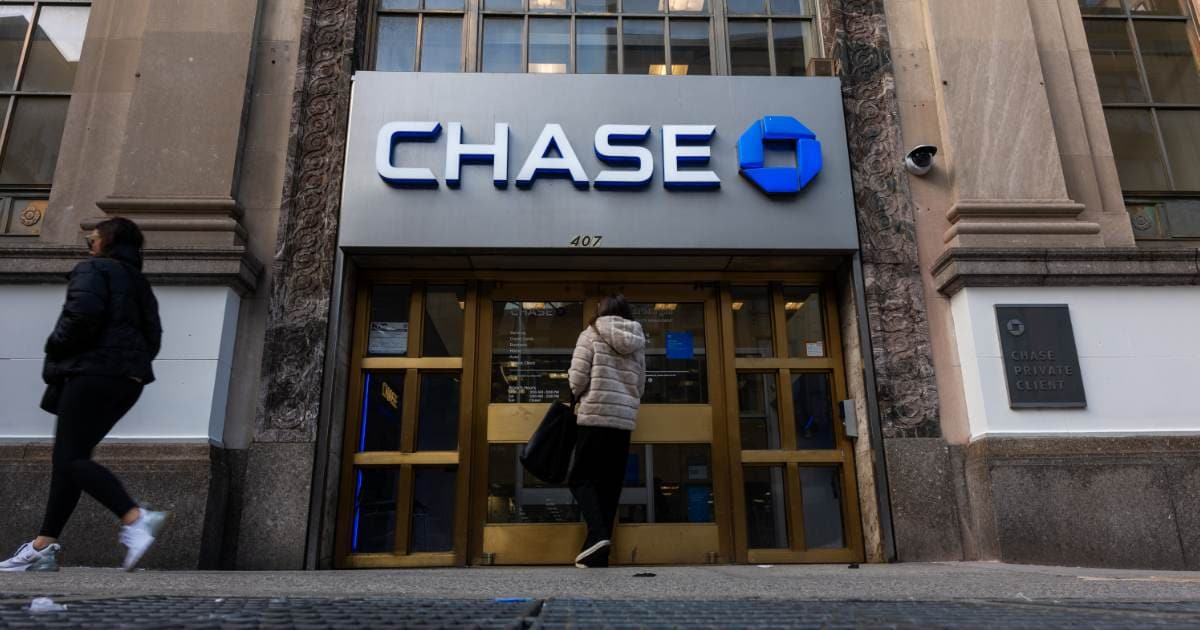
NEW YORK CITY, NEW YORK: A cyberattack involving one of America's biggest banks has emerged just as federal authorities are attempting to calm concerns over a string of unexplained disruptions across the country's financial and technology networks.
JPMorgan Chase, on Thursday, November 19, acknowledged that hackers may have accessed information belonging to some customers, although the bank insists the incident has not affected its operations. Visa and Mastercard have also disclosed separate data exposures involving third-party service providers, raising fresh concerns about the security of customer information across major payment networks.
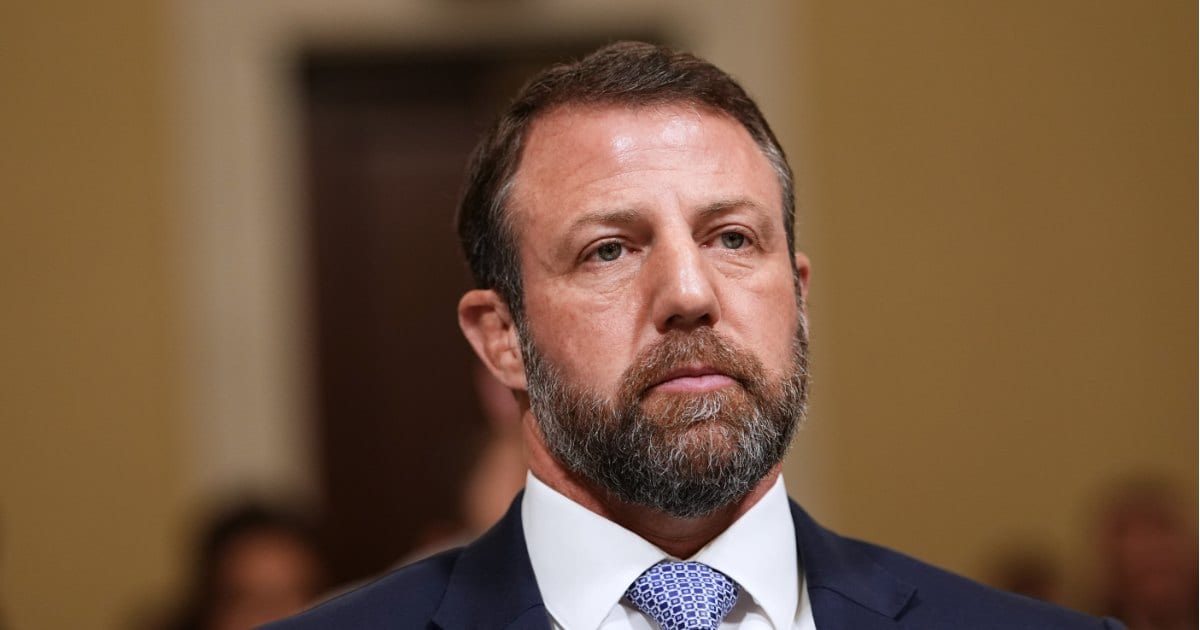
The developments come only a day after DHS Chief Markwayne Mullin denied Iranian links to nationwide outages.
We have learned that third parties who provide services to the firm were the target of a cyber attack. Based on our investigation so far, we believe the attackers accessed certain marketing data held by those vendors, which may include some customer names and email addresses. There is no disruption to our services. Where appropriate, we will contact affected customers directly and offer support, including complimentary credit monitoring. There is no connection to service disruption some customers experienced earlier this week.
— Chase (@Chase) November 19, 2026
Financial giants report data breach
JPMorgan Chase revealed that companies providing services to the bank had been targeted in a cyberattack, with investigators discovering that attackers may have obtained access to customer information stored outside the bank's own systems.
The disclosure came through the bank's official account on X, where Chase explained the nature of the breach and what customers could expect.
"We have learned that third parties who provide services to the firm were the target of a cyber attack," the bank said.
Its preliminary investigation suggests that the compromised information was held by those external service providers and consisted of marketing-related records.
The bank cautioned that the material accessed by attackers "may include some customer names and email addresses".
The statement did not establish how many customers were affected or identify the companies whose systems had been compromised.
JPMorgan said it was continuing to investigate the incident and would directly approach individuals whose information was found to be involved.
"Where appropriate, we will contact affected customers directly and offer support, including complimentary credit monitoring," Chase said.
The bank also sought to address concerns about whether the attack had interfered with its financial services.
It maintained that its systems remained operational and customers had not experienced any disruption as a result of this particular incident.
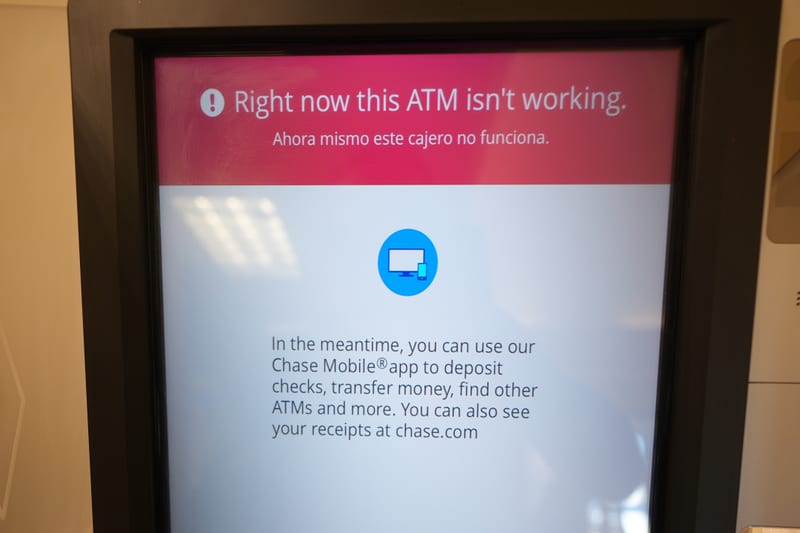
The distinction was important because some JPMorgan customers had encountered service difficulties earlier in the week.
Addressing speculation that the two developments might be connected, Chase explicitly stated: "There is no connection to service disruption some customers experienced earlier this week."
The disclosure is significant given the bank's enormous presence in the American financial system.
Separately, Visa and Mastercard also disclosed separate data exposures involving third-party service providers, with Visa confirming that a provider in the Asia-Pacific region had been targeted and Mastercard reporting that a limited amount of information belonging to a subset of cardholders enrolled in a specific benefits programme had been exposed.
JPMorgan Chase serves more than 83 million customers and approximately 7.4 million small businesses, operating through around 5,000 branches across the United States.
Iran link ruled out in outages
JPMorgan's disclosure comes amid growing scrutiny of a series of technical failures that disrupted several American industries during the week.
Banking platforms, aviation operations and major technology services all experienced problems, raising questions about the resilience of US infrastructure.
The timing fueled speculation about possible foreign interference, particularly given the heightened tensions between Washington and Tehran.
However, senior Trump administration officials rejected suggestions that Iran was behind the disruptions.
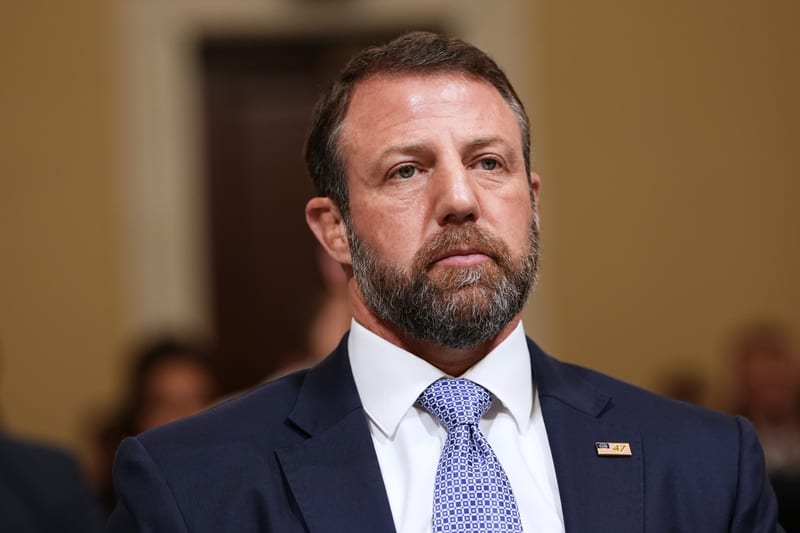
During congressional testimony on Wednesday, November 18, Homeland Security Secretary Markwayne Mullin and Director of National Intelligence Jay Clayton addressed concerns about a possible coordinated cyber operation.
Clayton said intelligence assessments had not established any connection between the incidents and a foreign government.
Mullin went further, expressing 98% confidence that the outages were not caused by a coordinated attack from a hostile nation.
JPMorgan's confirmation of a separate vendor breach adds another cybersecurity concern, although the bank has not linked the incident to Iran or the earlier outages.