Mullin admits Iran has targeted US infrastructure but denies role in nationwide outages
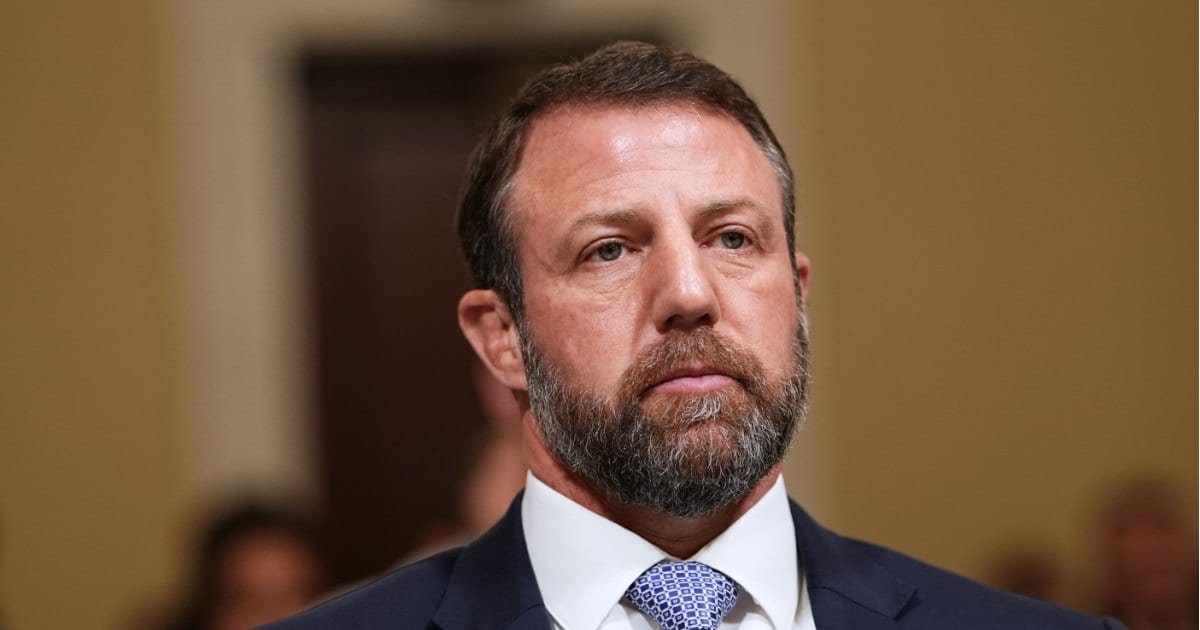
WASHINGTON, DC: Homeland Security Secretary Markwayne Mullin confirmed on Wednesday, November 18, that Iranian actors have tried to target US infrastructure since the war began.
However, he maintained that the investigation had found no link between Tehran and a string of recent technical outages affecting services across the country.
Mullin made the remarks while testifying before lawmakers, as disruptions at major companies and government agencies raised fresh questions about the security of American infrastructure against foreign cyber threats.
DHS Secretary Markwayne Mullin: Iran and Tehran-backed actors have gone after U.S. critical infrastructure. His testimony for Wednesday's worldwide threats hearing doesn't specifically mention the recent email outages or the nationwide flight ground stop. Bloomberg
— Open Source Intel (@Osint613) November 18, 2026
Markwayne Mullin addresses Iranian cyber threats
Mullin's written testimony to the House Homeland Security Committee detailed a series of cyber threats attributed to Iranian government-linked organizations and groups supported by Tehran since the conflict began in February.
The warning covered several essential sectors, including financial services, energy, health care, water and transportation.
These industries, Mullin indicated, had faced attempts by Iranian-linked actors to target their systems, leaving critical parts of the country's infrastructure vulnerable.
He also pointed to an increase in such activity following the outbreak of the war.
However, Mullin's assessment of the Iranian threat did not establish a connection with the separate outages reported by major US companies and service providers.
During the congressional hearing, he asked Director of National Intelligence Jay Clayton to provide details about what investigators had established so far.
DNI Jay Clayton SHUTS DOWN the conspiracy theories about the recent outages in the U.S. “They are not a coordinated or state-sponsored attack.” “I want to address the several unrelated issues that have recently caused disruptions. I understand the timing of these incidents can raise questions, and it should. The American people should ask us these questions.” “But based on what we know today, after a great deal of diligence, these are separate service outages associated with maintenance and technical changes.” “They are not a coordinated or state-sponsored attack. The intelligence community continues to monitor and stay alert to any possibility of malicious cyber activity threatening the US networks and our law enforcement partners.”
— RedWave Press (@RedWavePress) November 18, 2026
Clayton told the committee that the disruptions were not part of a "state-sponsored attack" and did not stem from a cyber operation.
Mullin said that authorities had also contacted companies in the affected sectors but had not detected suspicious online activity pointing to a common cause.
“We have seen nothing that would indicate that they are related. We have reached out to industry; there has been no online traffic that we have seen,” Mullin said.
“We have seen nothing that would indicate that they are related. We have reached out to industry, there has been no online traffic that @CISAgov has seen." @SecMullinDHS makes it clear: there is NO indication of a coordinated cyber attack on recent tech outages. https://t.co/FD1rUIC03G
— Homeland Security (@DHSgov) November 18, 2026
Outages hit banks and services
The discussion around Iranian cyber activity comes against the backdrop of several technical disruptions reported across major American companies, financial institutions, aviation services and government networks in recent days.
On November 12, Microsoft faced service disruptions affecting products such as Outlook and Teams.
On November 13, a technical failure at a Federal Aviation Administration facility in Arkansas disrupted communications and radar operations, prompting a nationwide flight ground stop.
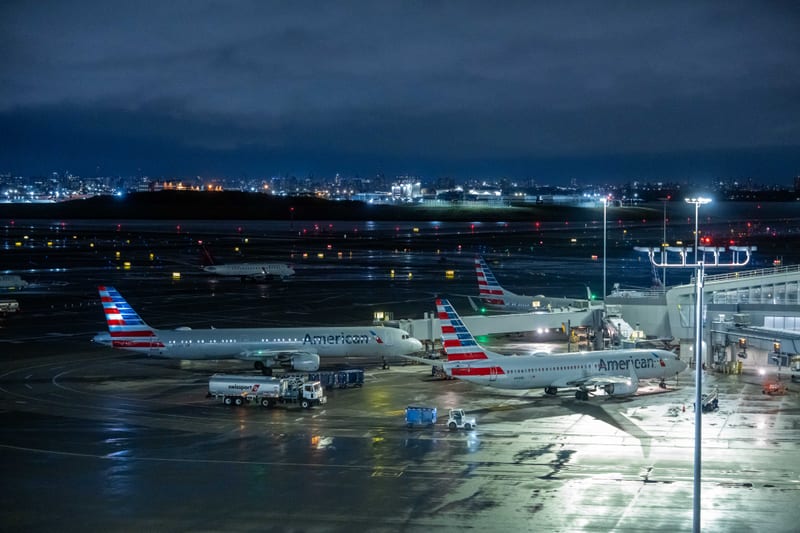
Flights remained grounded for approximately four and a half hours, resulting in thousands of cancellations and delays across the country.
On November 16, customers of JPMorgan Chase and other financial institutions reported problems accessing online banking services and completing transactions.
On November 17, Apple experienced service interruptions affecting platforms including iCloud, the App Store, Apple Music and Apple Pay.
Users reported difficulties accessing several services. The company attributed the incident to an internal update, said most affected systems had been restored and ruled out a cyberattack.
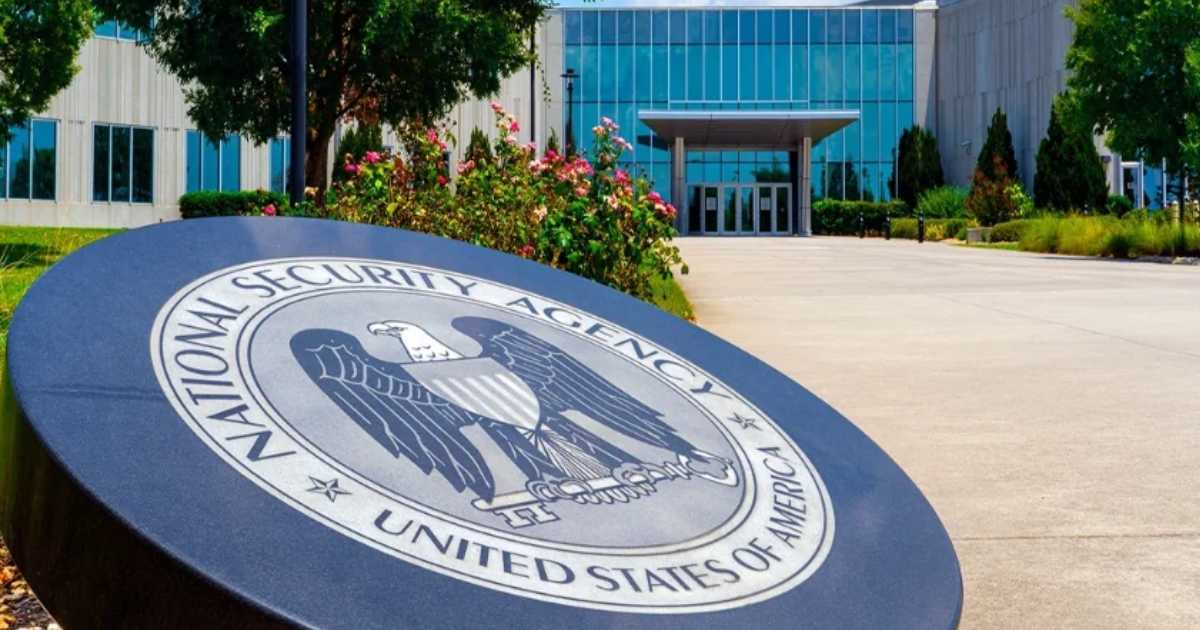
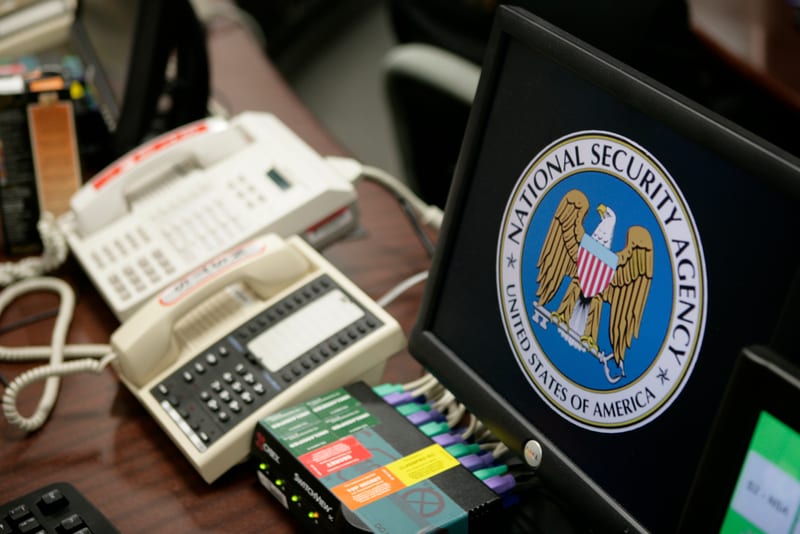
The same day, the National Security Agency experienced problems with NSANet, its internal communications system.
The agency attributed the interruption to scheduled maintenance and said mission-critical operations remained functional. Staff were asked to report in staggered shifts while restoration work continued.