Mullin’s trip to watch LSU game on govt jet draws scrutiny as FAA ground stop throws US air travel into chaos
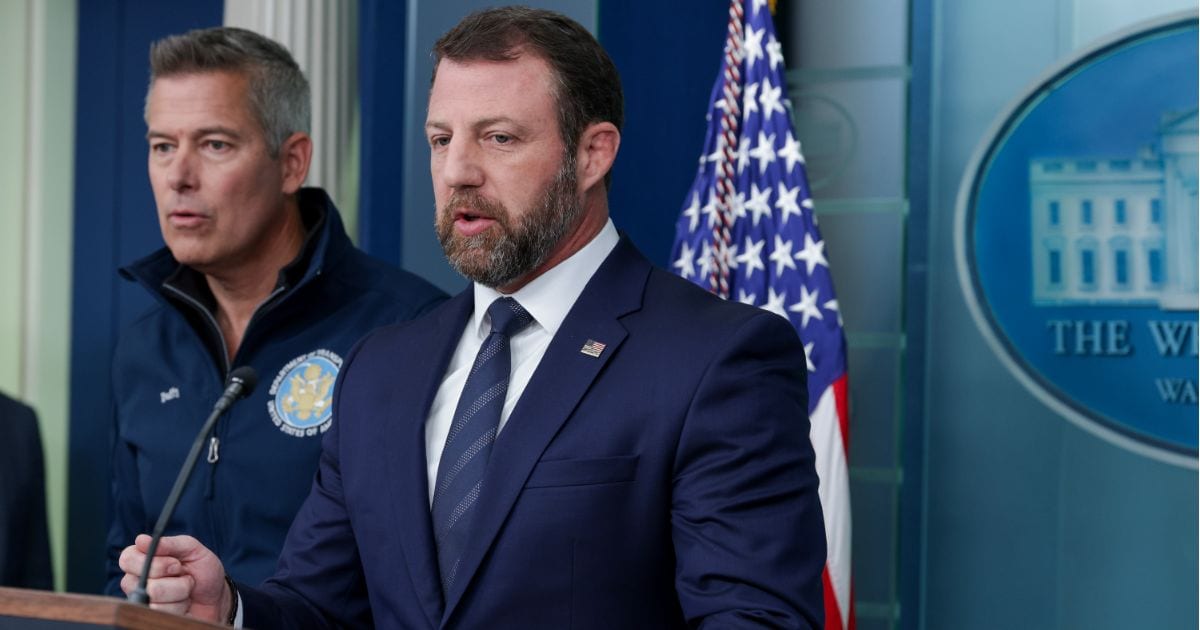
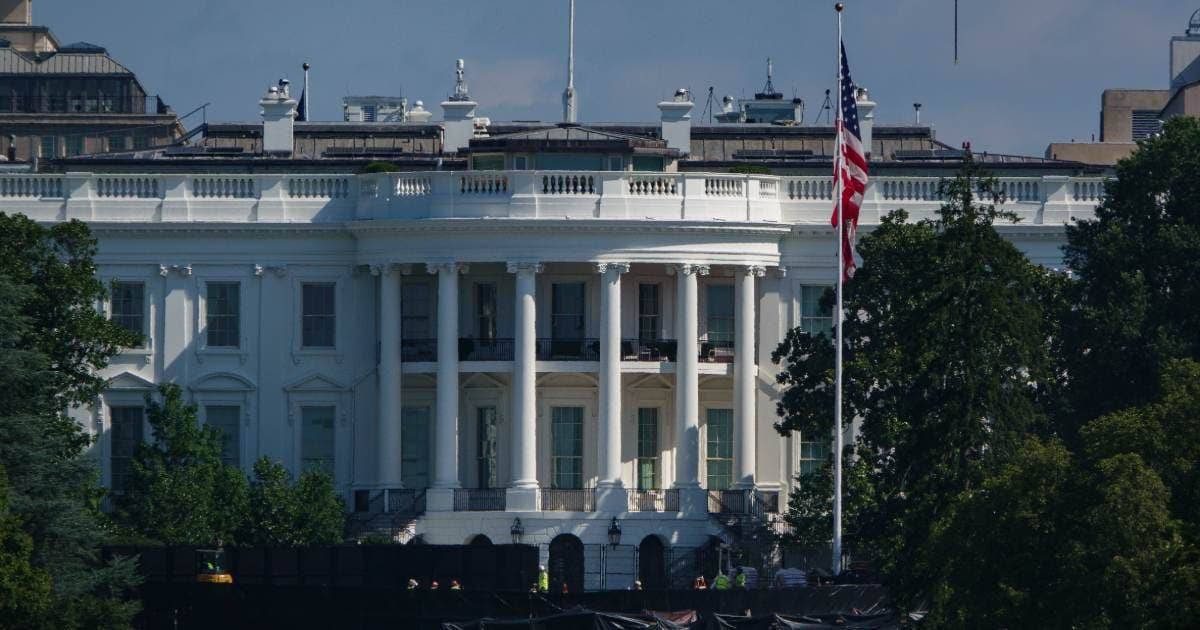
WASHINGTON,DC: Homeland Security Secretary Markwayne Mullin flew to Louisiana aboard a government aircraft on Saturday, November 14, to attend a college football game, even as travelers nationwide continued to grapple with the aftermath of a sweeping FAA shutdown.
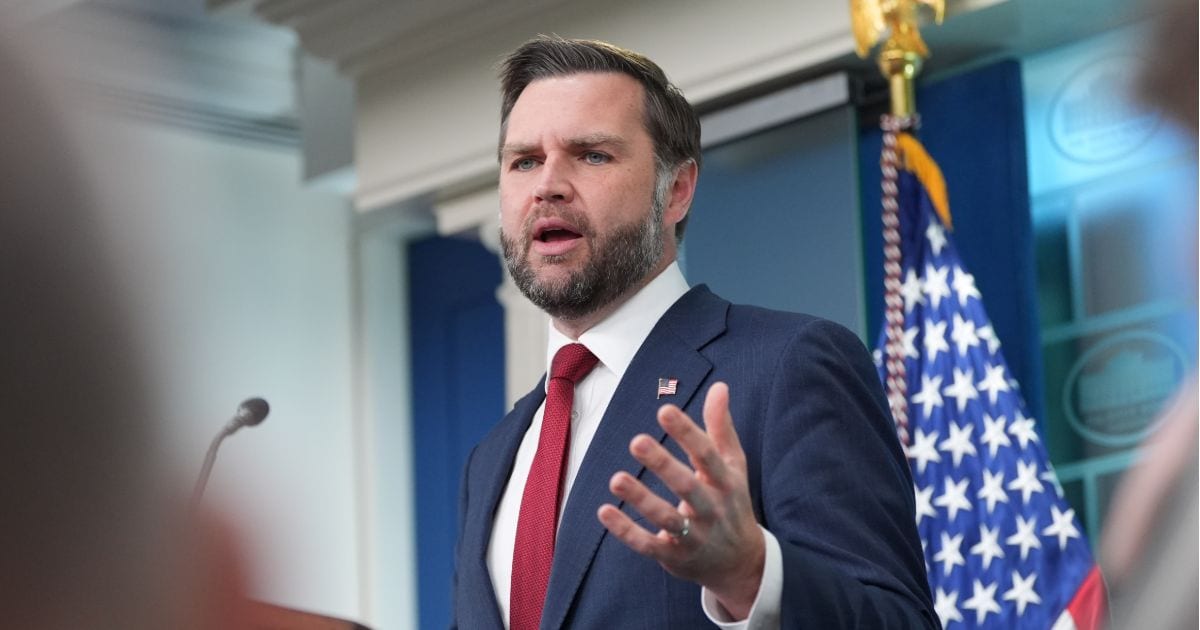
The trip came just a day after Mullin stood at the White House to address the disruption, which had grounded flights across the country and left airlines scrambling to get their operations back on track.
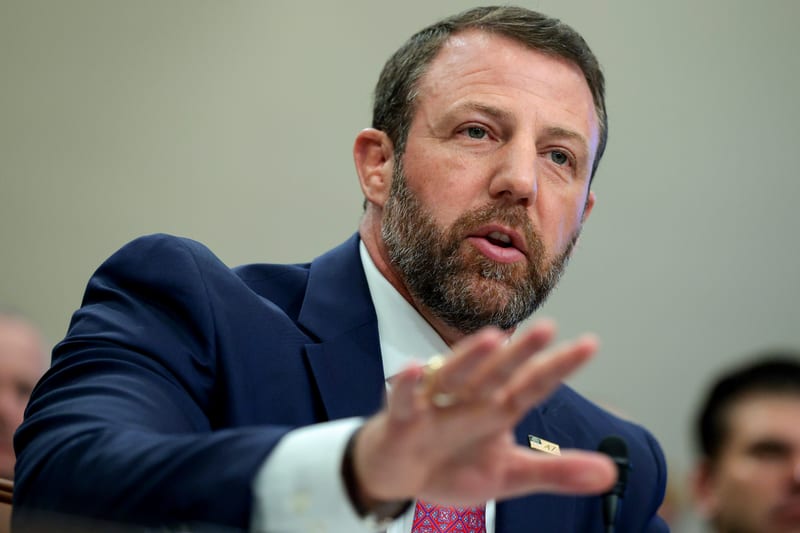
Mullin takes government jet to football game
The Texas-LSU game at Tiger Stadium turned into a star-studded event, attracting more than 102,000 spectators.
Among the high-profile attendees were House Majority Leader Steve Scalise, actor Matthew McConaughey, former NFL quarterbacks Peyton and Eli Manning, and social media personality Alix Earle.
Mullin watched the game from a private suite belonging to Ben Bordelon, the head of Bollinger Shipping, a Louisiana company with major federal contracts.
The business has secured billions of dollars in government work, including a $2.2 billion contract awarded recently to build six icebreakers for the US government.
The New York Post reported on November 17 that Bordelon and Mullin had not met before the game.
According to the report, a close friend arranged the secretary's tickets, for which he paid the prevailing market rate.
The football outing also raised questions about Mullin's travel arrangements.
He made the trip aboard a government aircraft while passengers were still facing disruption following the nationwide FAA shutdown.
DHS said the secretary is required to fly on government aircraft because of security concerns, the need for secure communications and continuity-of-government requirements.
The department told the New York Post that Mullin pays out of pocket for flights taken for personal rather than official purposes.
A government source cited by the publication said the aircraft made the journey almost exactly 24 hours after the FAA reopened US airspace, adding that no special arrangements had been made for the trip.
DHS further insisted that the secretary had met all applicable ethics requirements.
CNBC's Joe Kernen HOLDS DHS Secretary Markwayne Mullin's FEET to the FIRE on WHY he flew a private government plane to the LSU-Texas college football game Saturday, JUST HOURS after the airspace reopened, while thousands of Americans were still stranded in cities across the country. Joe Kernen: “So 24 hours after the skies were reopened, you took a government plane to the LSU-Texas game, which you're required to do. You have to take government planes, right? And you paid for it. So the big kerfuffle is that you Americans were grounded, and you were flying around on a private jet to go to a football game.” Markwayne Mullin: “Well, I'm required to be in continuous communication 24/7, seven days a week, 365 days a year. This isn't a business that you're able to have any privacy. We would have never went if the airlines, if the airways weren't completely open. They'd been completely open for 21 hours. And we actually had an issue that we had to deal with at the same time… I would have never taken airspace if airspace wasn't open. And we still got to live our life at the same time. We still have family, friends. But we also have work we do every day.” A stupid decision and a REALLY bad look!
— RedWave Press (@RedWavePress) November 17, 2026
Mullin defends football trip
Joe Kernen raised the issue with Mullin during an appearance on CNBC’s 'Squawk Box' on Tuesday, questioning why the DHS secretary traveled to Louisiana for the LSU-Texas game so soon after the FAA lifted its nationwide ground stop.
Kernen noted that while thousands of Americans were struggling with cancellations and delays, Mullin had taken a government aircraft to attend a football game.
He acknowledged that the secretary was required to use government planes and had reportedly covered the cost of the personal outing himself but questioned how the decision would look to stranded passengers.
Mullin defended the timing, saying he would not have travelled if US airspace had not been fully operational.
He told Kernen that commercial flights had been running for 21 hours before his trip and stressed that his position required him to stay connected to official communications at all times.
He also maintained that attending the game did not mean he had stepped away from his responsibilities as DHS secretary.
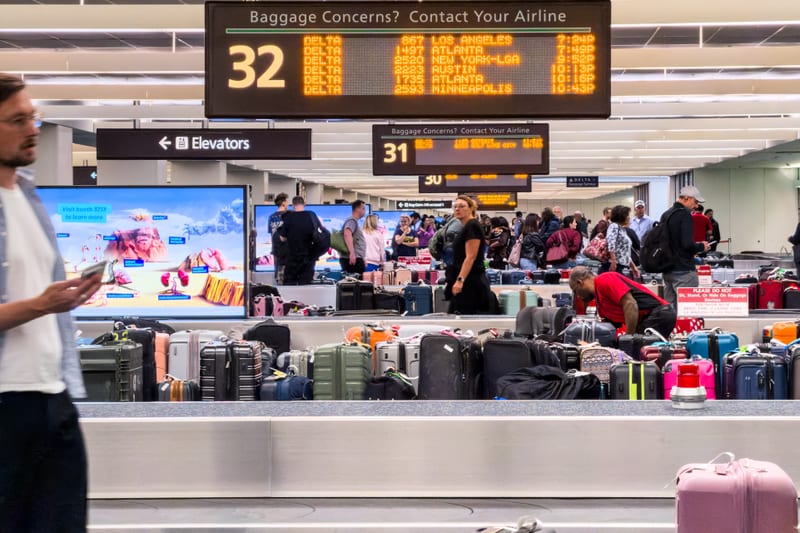
FAA shutdown leaves thousands stranded
The FAA shutdown was over by the time Mullin headed to Louisiana, but its impact was far from over.
The disruption began on Friday, November 13, when the agency halted flights nationwide for nearly four-and-a-half hours because of technical failures involving the communications and radar systems used by air traffic controllers.
The restriction was lifted at approximately 8:15 p.m. Eastern time.
Airlines then faced a mounting backlog as they tried to get planes and crew members back into position.
Reuters, citing FlightAware data, reported around 9,200 flight cancellations and 7,500 delays on Friday alone.
The situation remained severe on Saturday, when another 6,400 flights were cancelled and roughly 8,000 delayed.
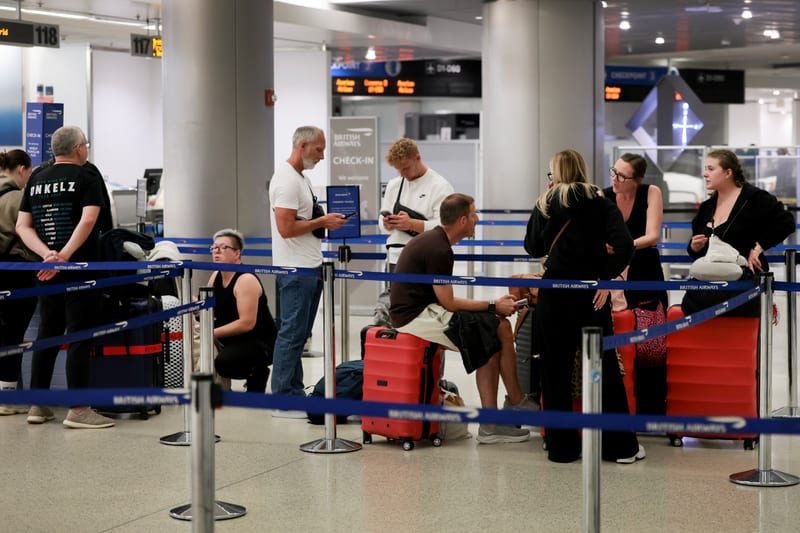
For passengers, the knock-on effects included missed connections, long waits at airports and disrupted travel plans.
Preliminary findings pointed to a technical problem at a remote FAA facility in El Dorado, Arkansas.
The issue emerged during work to replace an aging copper telecommunications line with fiber infrastructure. After a new router was installed, it began flooding the FAA's network with data, destabilizing the system.
Transportation Secretary Sean Duffy said the malfunction disrupted communications with aircraft as well as radar feeds. Officials ruled out any indication of a cyberattack behind the outage.
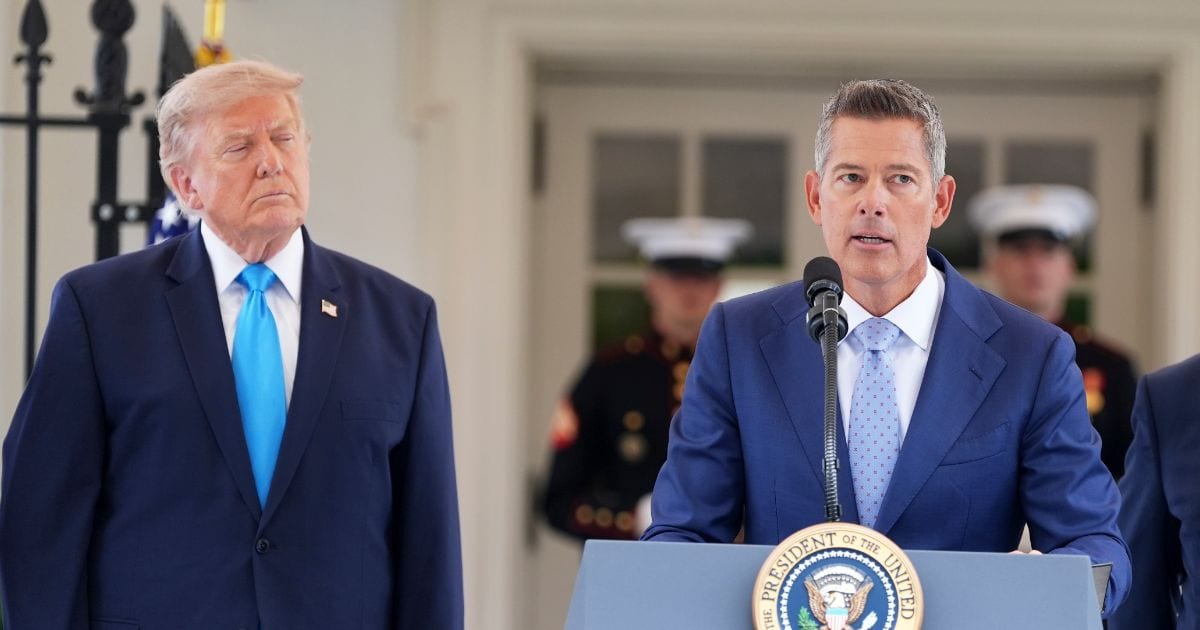
The crisis had already put Mullin and Duffy in front of reporters at the White House on Friday.
Both officials addressed the nationwide shutdown and its impact.
Although flights had been cleared to resume before Mullin's Saturday journey, airports were still dealing with the cascading disruption as airlines worked to restore normal operations.