Jensen Huang admitted to more affairs than previously reported before dramatic Nvidia return
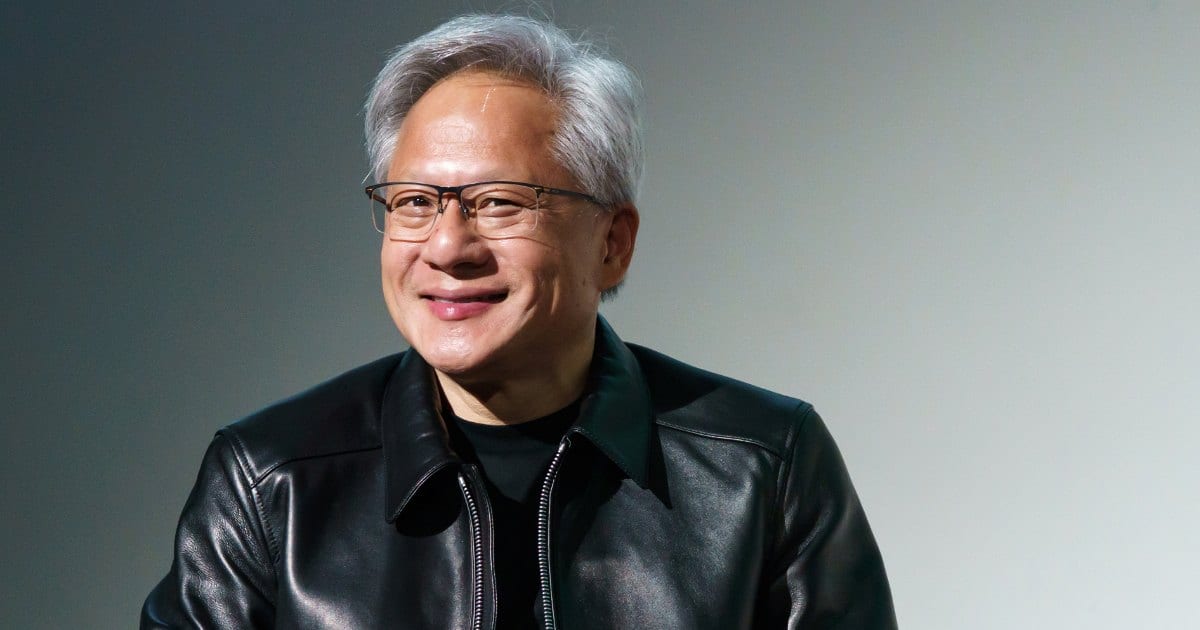
WASHINGTON, DC: Jensen Huang, who was ousted from chipmaker Nvidia over multiple extramarital affairs, one with alleged Chinese spy Alice Huang, has reportedly admitted to more affairs in a meeting with the company's board before his return was announced.
In a dramatic development in Nvidia CEO Jensen Huang’s affair scandal, the company's board reinstated him as CEO and president on November 23, after President Donald Trump convinced them to make a “correct decision.”
While the company had initially considered his departure, it ultimately reversed its decision after discussions involving Trump and other senior officials.
Huang reveals more affairs before the company board
Jensen Huang apparently had more affairs than previously reported, according to a report by The Wall Street Journal. Huang himself revealed this before the company’s board in a meeting held before the board decided to reinstate him.
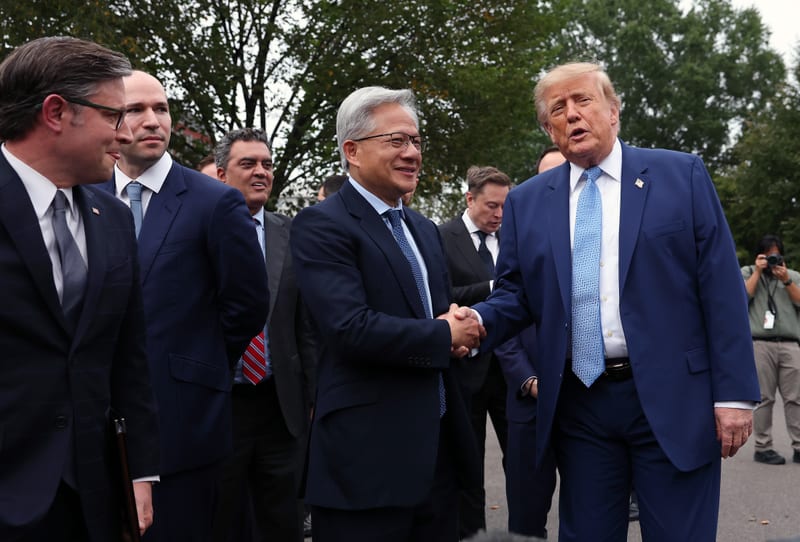
It’s unclear how many affairs Huang apparently admitted to, “but he was contrite about his behavior, people with knowledge of the discussion said.”
“After conversations with Huang about the importance of candor and honesty, the board ultimately decided that having him return was the best path, the people said,” the report added.
Notably, Huang earlier admitted to having an affair with former executive of Megaspeed, Alice Huang, a woman suspected by US intelligence officials of having links to Chinese intelligence. Huang himself apologized for hurting his wife and children through his actions.
Megaspeed is a Singapore-based AI company that is under investigation over allegations that it procured AI chips from the US and subsequently diverted them to China.
Jensen’s affair story spans beyond Alice Huang and board admission
Days after reports about his relationship with Alice Huang surfaced, The New York Times reported that Huang, 63, had also been involved in an affair with 48-year-old Kimberly Powell, Nvidia's vice president of healthcare.
Reuters later reported another relationship involving a second Nvidia employee, whose identity was not disclosed.
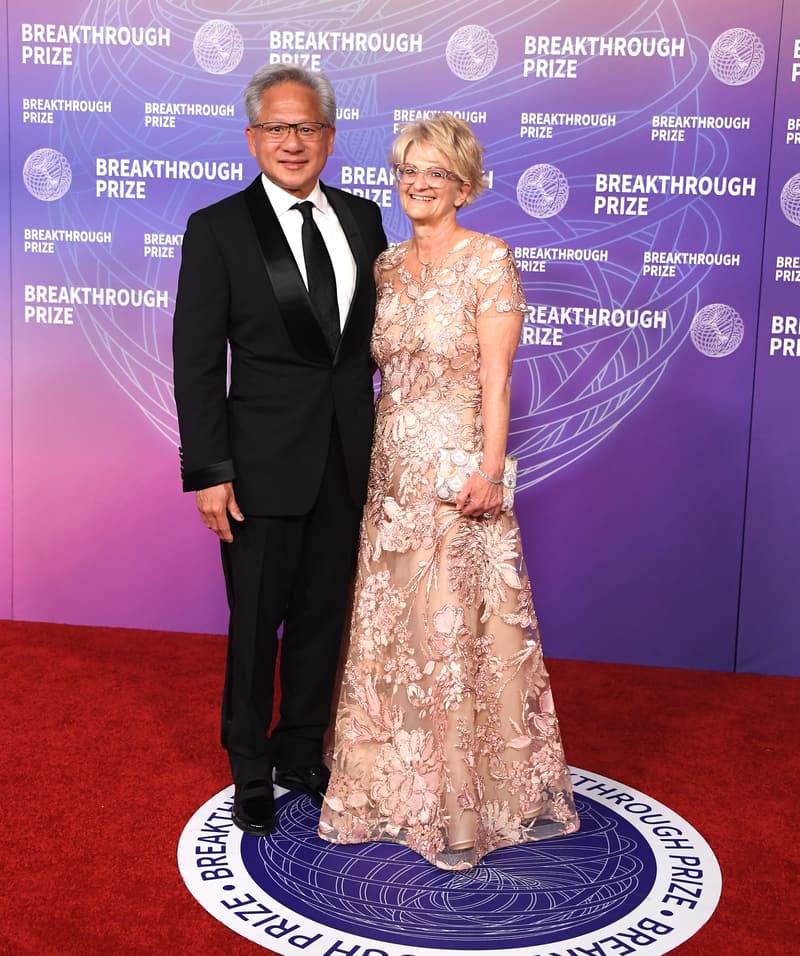
Huang resigned as Nvidia CEO on November 12, the same day Reuters reported the additional relationship and a day after The New York Times published its report about Powell.
However, his exit was short-lived. Nvidia's board reinstated him just 11 days later, on November 23, following concerns over the company's leadership and a sharp decline in its stock price. President Donald Trump also intervened to push for Huang's return, later acknowledging that he had contacted the board "in numerous ways" and "through representatives," according to The Wall Street Journal.
Nvidia's stock subsequently rebounded sharply following Huang's reinstatement, contributing to a broader market recovery. Trump also drew attention to the stock market gains following the decision, as detailed in reports about Huang's return.