Potential health risks emerge ahead of US Army’s nearly 5-ton lead azide detonation in Iowa
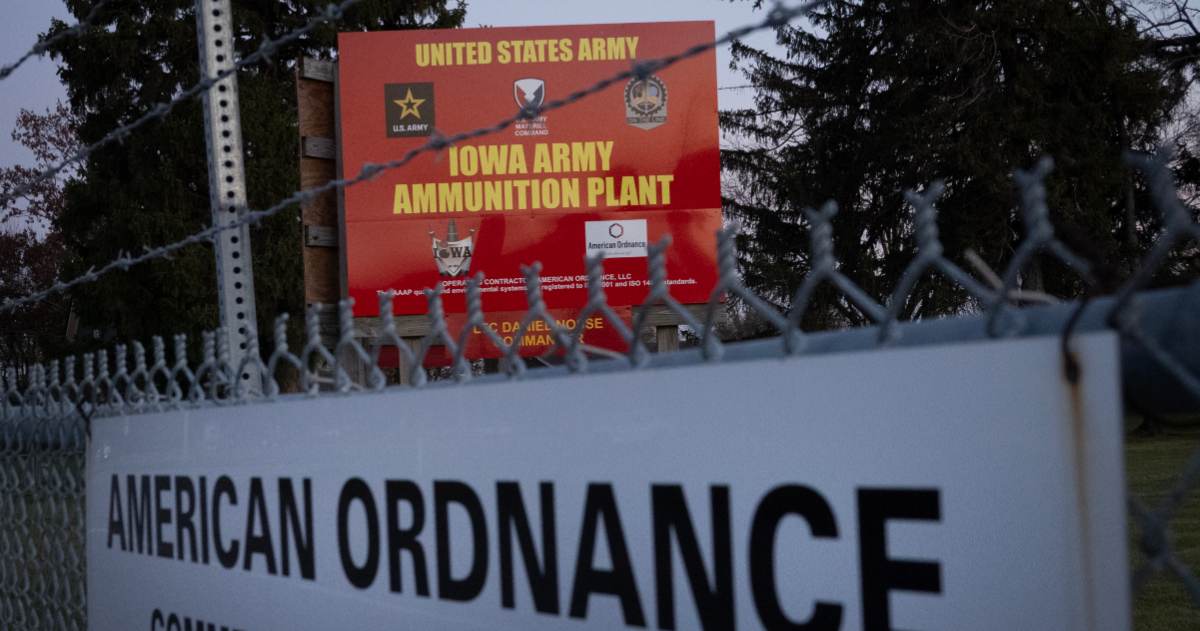
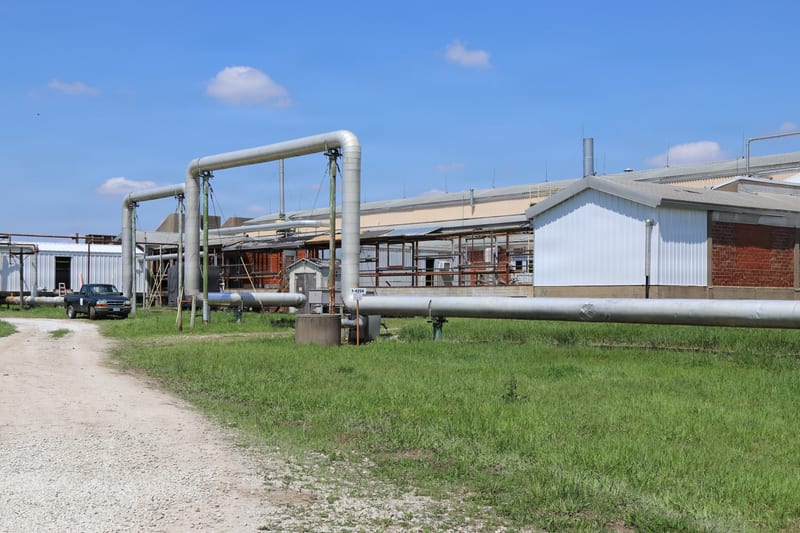
WASHINGTON, DC: The US Army will conduct a test explosion of almost five tonnes of lead azide at an Iowa arms facility on Wednesday, November 25.
Health authorities are advising local residents on how to avoid potential lead poisoning. Meanwhile, the Centers for Disease Control and Prevention (CDC) has launched an emergency response plan to minimize residents’ risk of exposure to lead and air pollution.
Environmentalists have taken legal action in an attempt to prevent the test explosion, arguing that the explosive is dangerous and that its detonation could adversely affect local residents and the environment.
The Army has insisted, however, that the explosive is too dangerous to transport and that the only appropriate solution is to dispose of it on-site.
CDC issues lead exposure warnings ahead of Iowa blast
ABC News medical correspondent Dr Darien Sutton said lead exposure poses a significant health concern, particularly because an explosion could cause people to inhale lead particles.
"There's a humongous health threat already," ABC News medical correspondent Dr Darien Sutton told ABC News Live.
"When you think about lead, humans are exposed in two main ways: either through inhaling it or ingesting it. Now, with a detonation or explosion, the immediate effect is inhaling it."
On Tuesday, the Centers for Disease Control and Prevention said it was activating an emergency response to assist with the Iowa detonation, according to a post by the agency on X.
The agency is supporting Iowa's health department to help protect people from potential exposure to lead and air pollution.
It has also activated a team with expertise in toxicology, communication and public health emergency response.
Residents should stay indoors or evacuate if they are in the evacuation zone until state health officials say the air is safe and they can return home, the CDC said.
They should also close doors and windows and seal any potential gaps. Furnaces should be set to recirculate air, according to the agency.
🚨Update: Federal officials went door to door in Middletown, handing out flyers advising residents to evacuate ahead of tomorrow morning’s planned detonation at the Iowa Army Ammunition Plant https://t.co/US0jWbQTWq
— The Calvin Coolidge Project (@TheCalvinCooli1) November 25, 2026
Federal officials recommended that local residents, particularly children and pregnant women, evacuate on Tuesday, November 24.
The Army said people who leave will be notified by phone once an all-clear is issued and can then return home. Residents were advised to remain relocated until Friday, November 27, at the earliest.
Lead azide explosion raises long-term health concerns
Lead azide is used predominantly in detonators. It is a highly reactive material that can be made to explode by applying heat, impact and/or rubbing, especially when it is dry, according to the National Oceanic and Atmospheric Administration.
Although lead azide breaks down in an explosion, the lead itself is not eliminated.
The Army has stated that a cloud of dust containing lead will be produced. Furthermore, lead particles and/or lead-based waste may persist in the environment.

Lead can harm almost every area of the body, including the brain, kidneys, liver and reproductive organs. Sutton explained that once lead is inhaled or swallowed, it can accumulate in the body and be stored in vital organs and bones.
"Lead damage nearly every organ in the human body, the brain, the kidney, the liver, also the reproductive system," Sutton said. "What many may not realize is lead accumulates in the body."
Sutton explained that when lead is inhaled or ingested, it is stored in vital organs and the skeleton, where it can replace calcium and bone mineral.
"Years or decades later, it can leach back into the blood, causing harmful outcomes for people," Sutton said.
Sutton added that lead could also contaminate surfaces, while lead particles that settle on the ground or enter water could have long-term effects on food and drinking water.
It remains unclear how much exposure to lead azide is required to pose a health risk.
However, lead azide is a highly toxic and extremely sensitive explosive compound, and no amount of lead exposure is considered safe.