Iowa detonation: Drone footage captures twin explosions as Trump hails Army’s mitigation efforts
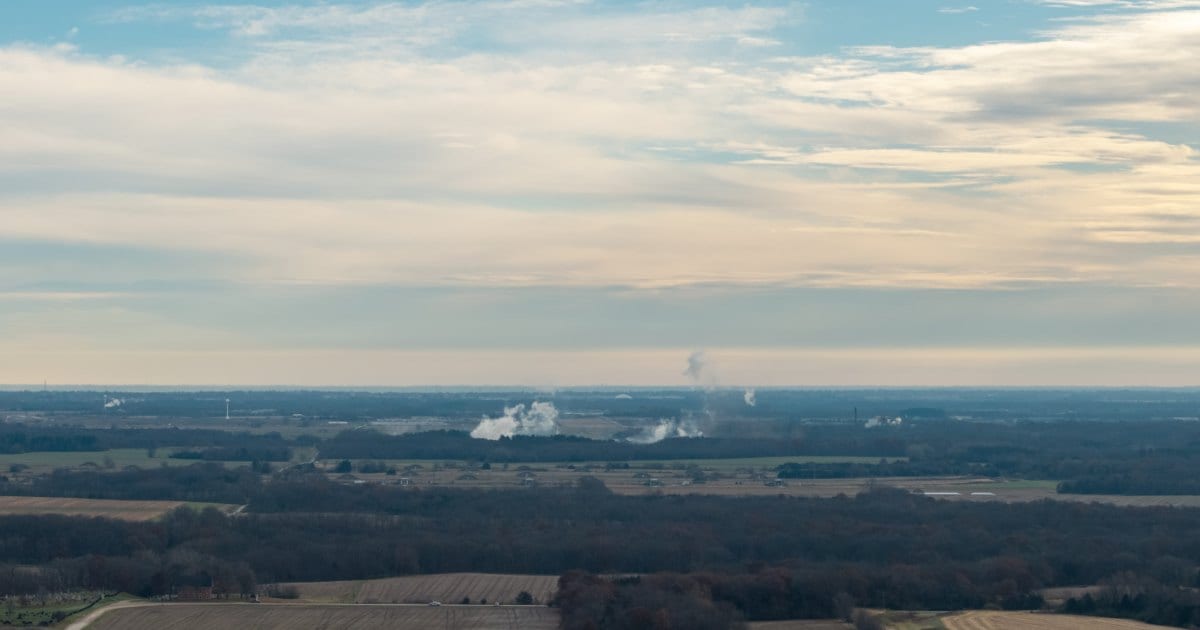
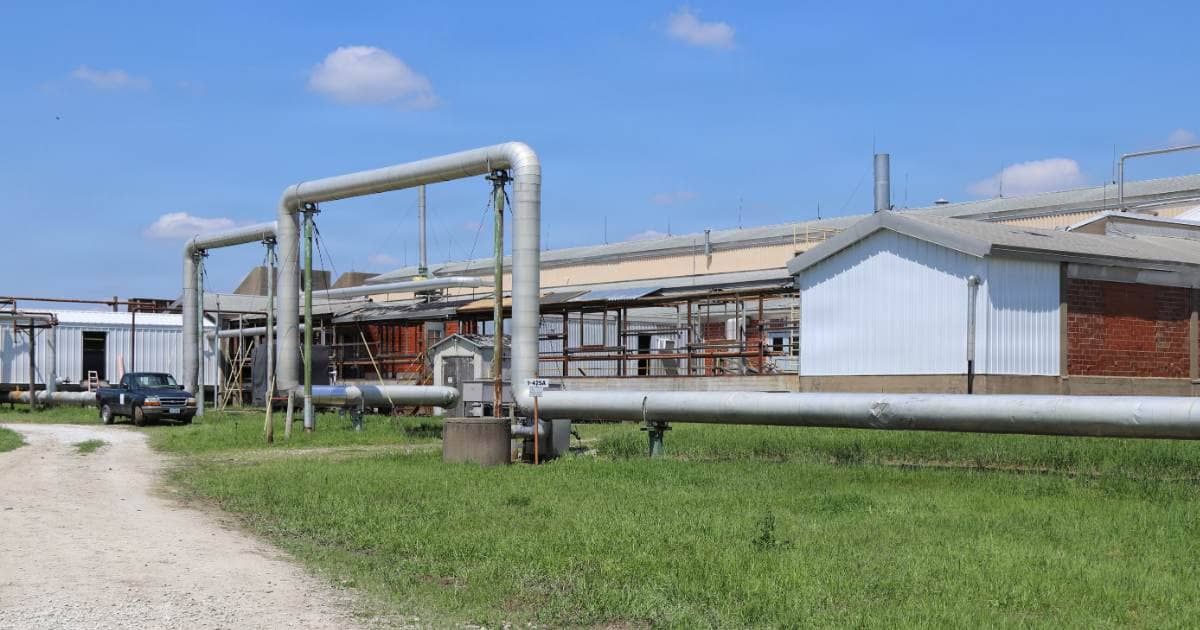
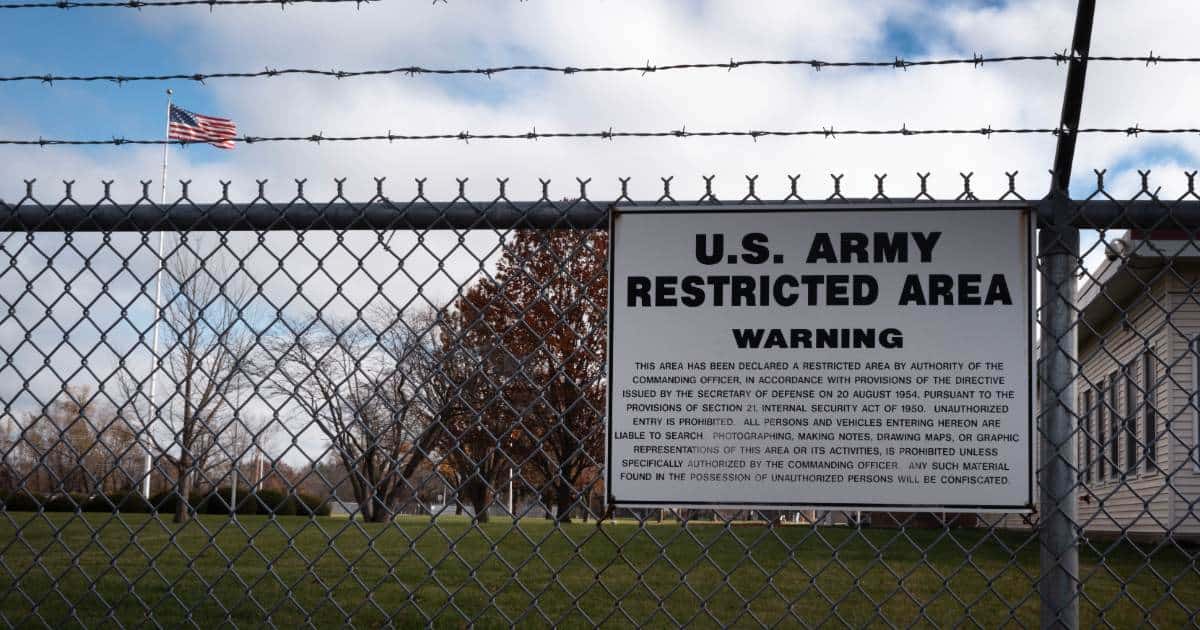
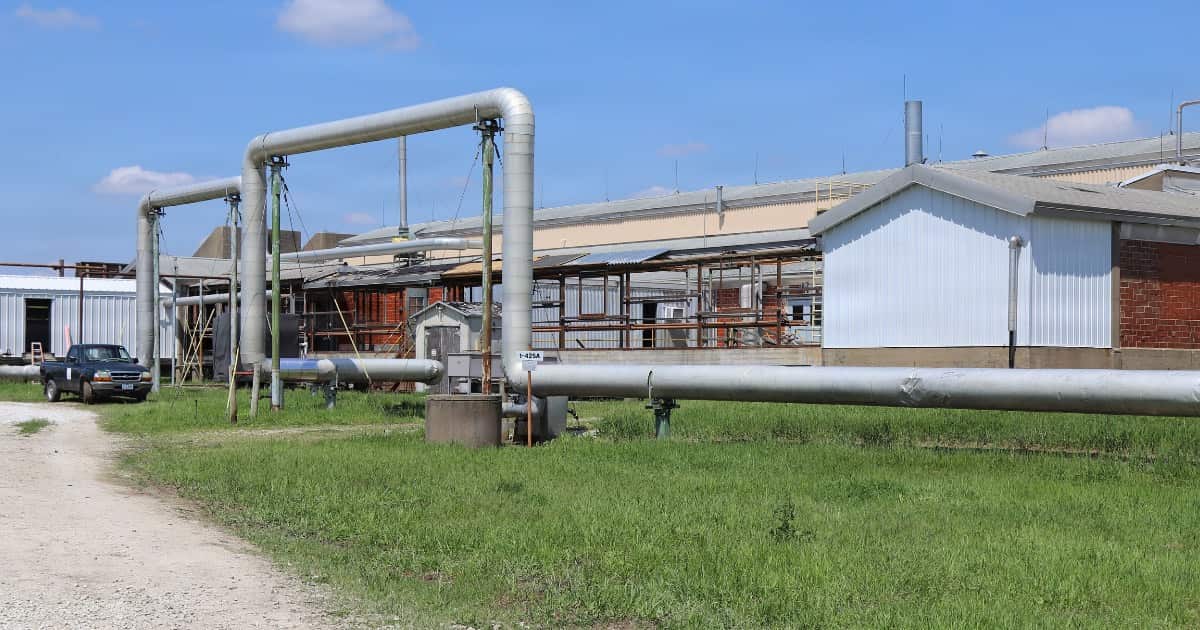
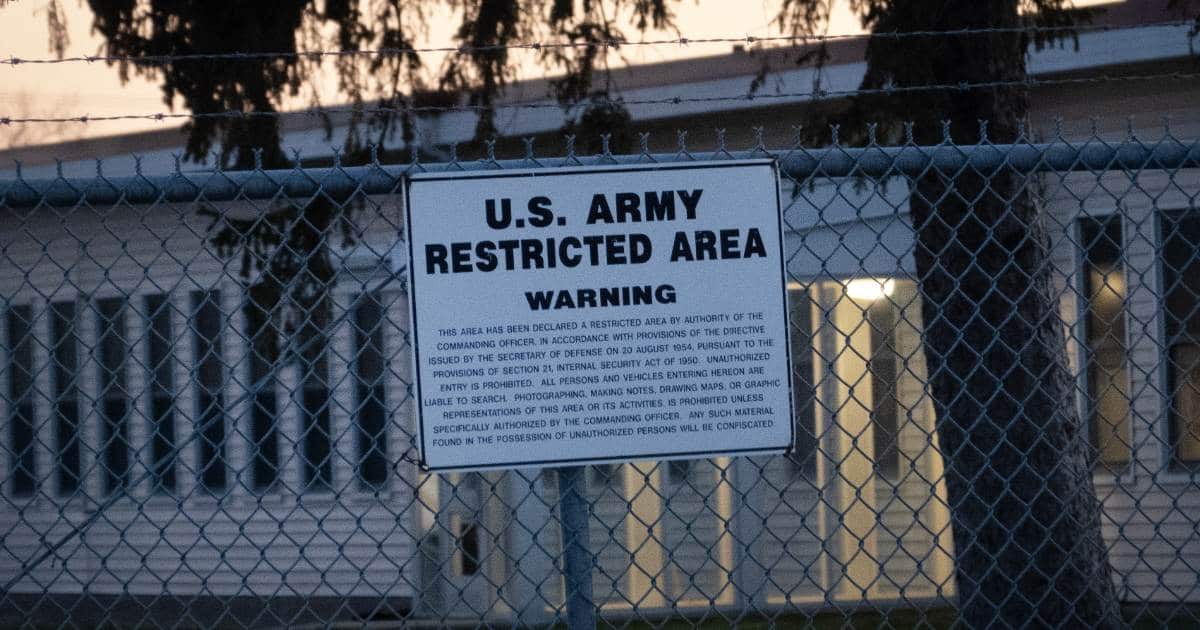
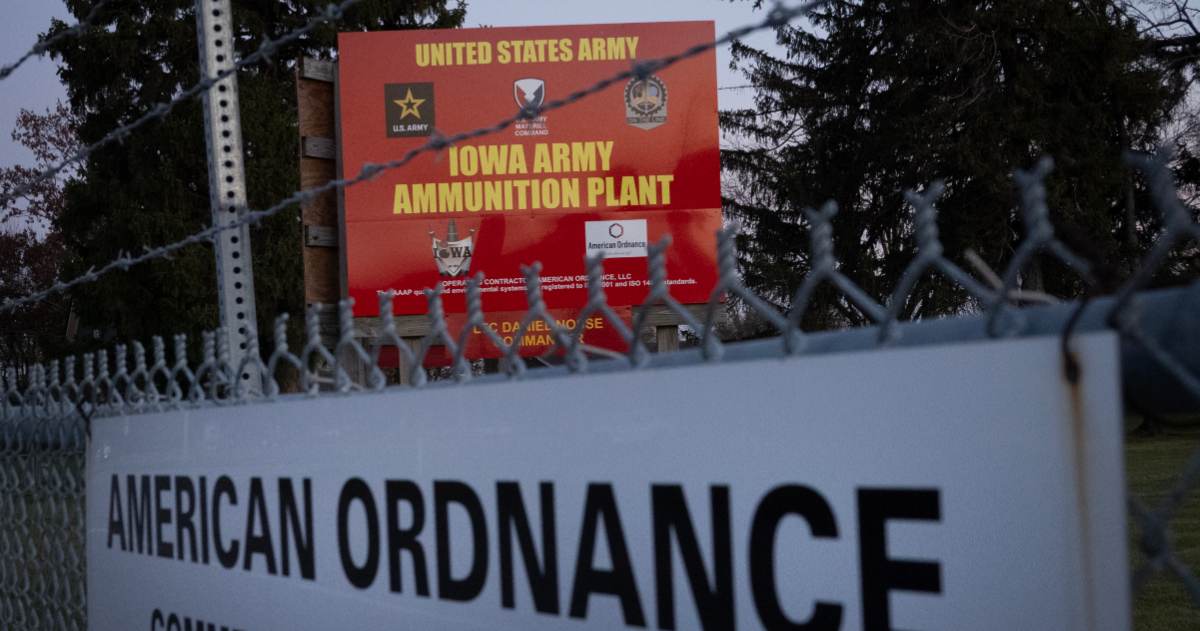
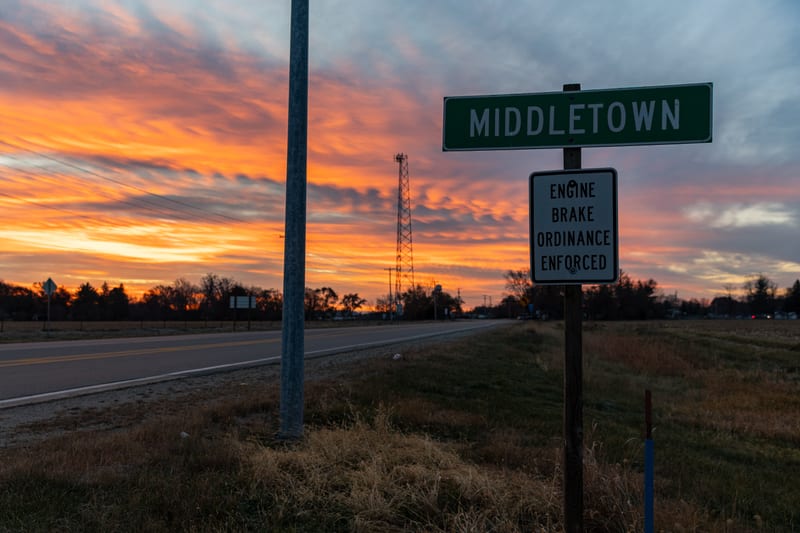
MIDDLETOWN, IOWA: Two explosions ripped through an ammunition storage site in southeastern Iowa on Wednesday, November 25, as the Army carried out its planned destruction of nearly five tons of highly unstable explosives.
The controlled operation targeted a stockpile of toxic lead azide that had raised concerns about the potential spread of hazardous lead particles into surrounding areas.
Videos of the blast show two detonations occurring almost at the same time in Middletown.
President Trump has since shared a preliminary assessment of the operation saying the Army's mitigation efforts had exceeded expectations.
My drone video of the #Iowa detonation moments ago. #detonation #army https://t.co/CNnbJ8sgwo
— James Wilson (@nmjameswilson) November 25, 2026
Twin blasts trigger positive response
Drone footage of the controlled blast has surfaced on social media, showing two explosions erupting simultaneously at the Iowa Army Ammunition Plant.
Thick columns of smoke rose from the site before gradually spreading out.
President Donald Trump reacted to the initial reports, claiming the Army's safety measures had performed better than expected.
In a Truth Social post, he wrote, "Early reports from Iowa are that the Army’s mitigation efforts have far exceeded expectations."
https://t.co/JFTIIuBj53
— Rapid Response 47 (@RapidResponse47) November 25, 2026
EPA Administrator Lee Zeldin also shared an encouraging initial assessment.
He said the agency's monitoring equipment had detected no airborne lead during the first 15 minutes after the explosions.
According to Zeldin, even sensors positioned closest to the blast site continued to register readings at the EPA's non-detection level.
Zeldin added that preliminary feedback from the Department of War indicated that the containment measures had worked beyond expectations.
However, he stressed that the initial readings were not the final word on possible contamination.
Samples collected during the operation still need to be analyzed, with the EPA expected to publish findings as testing continues.
Missouri Governor Mike Kehoe also pointed to early assessments from federal officials and Iowa emergency management authorities, which indicated that the explosion had remained contained.
He said monitoring by state agencies would continue, signaling that the assessment of potential environmental effects was still underway.
The controlled, mitigated detonation of the lead azide stored at the Iowa Army Ammunition Plant has taken place. Initial analysis shared with us by federal partners and Iowa Homeland Security and Emergency Management indicates that the mitigation measures appear to have been successful and the explosion was well-contained. Our state agencies will continue monitoring efforts.
— Governor Mike Kehoe (@GovMikeKehoe) November 25, 2026
Containment measures remain in place
The initial assessments have not yet translated into an all-clear for people living near the ammunition plant.
Authorities have asked residents in potentially affected areas to follow shelter-in-place precautions, including keeping windows and doors closed, until the Army formally declares the surrounding area safe.
The operation has also drawn NASA into the environmental assessment.
The agency sent research aircraft to track atmospheric conditions and gather pollution data around the blast site. Flight-tracking information showed a P-3 Orion and a Gulfstream III operating near the facility around the time of the explosion.
NASA had announced a deployment involving three aircraft and a space-based instrument to examine changes in the atmosphere.
🚨 NOW: NASA's Lockheed P-3 Orion has been spotted circling above the Iowa lead azide detonation site, collecting air and atmospheric data This is an ALL OF GOVERNMENT response -- just in case. NASA also sent a Gulfstream III to support the mission, flying around 12,000 feet. The P-3 is at less than 1,000 feet at times.
— Nick Sortor (@nicksortor) November 25, 2026
The first 15 minutes without detectable airborne lead offer an early indication, not a final verdict on the explosion's environmental impact.
Contamination could require further investigation through samples collected from different parts of the affected area.
Air, soil and water testing is still underway, leaving officials with more data to analyze before they can determine whether the detonation caused any wider pollution.