'That was it?': Army’s flawless Iowa blast leaves reporter stunned as hot mic captures reaction
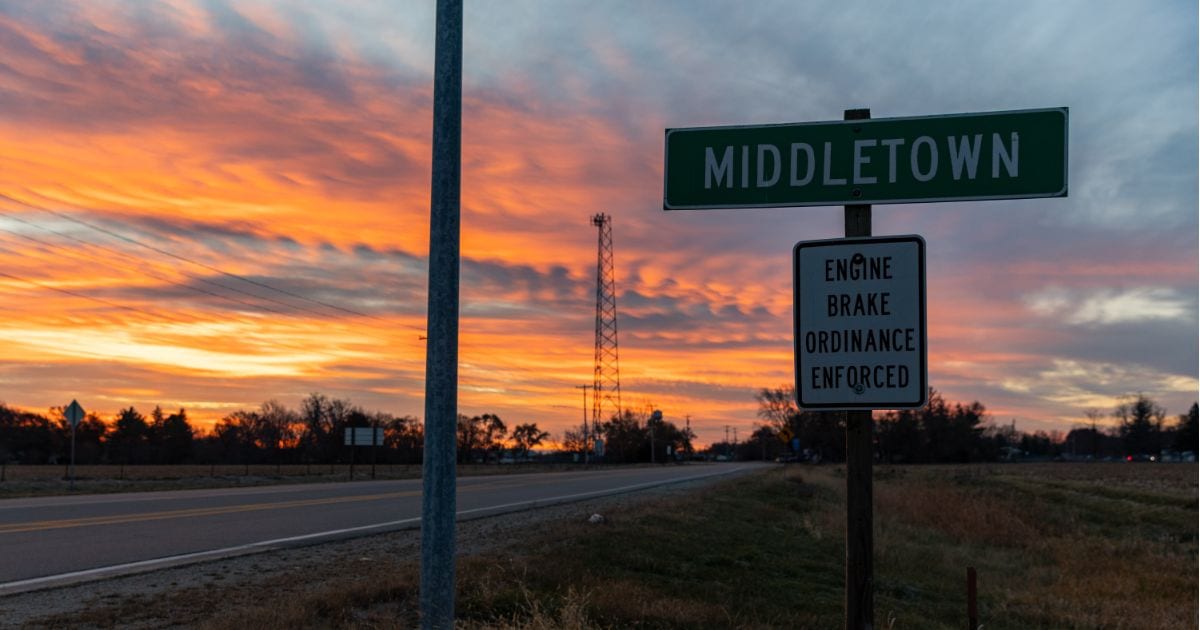
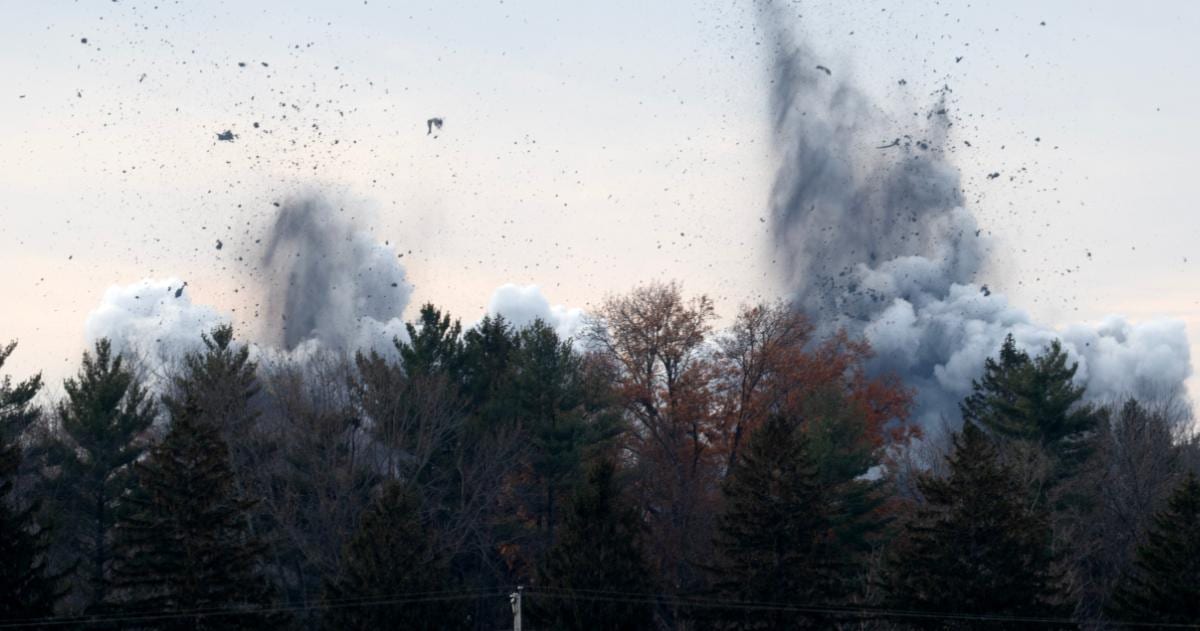
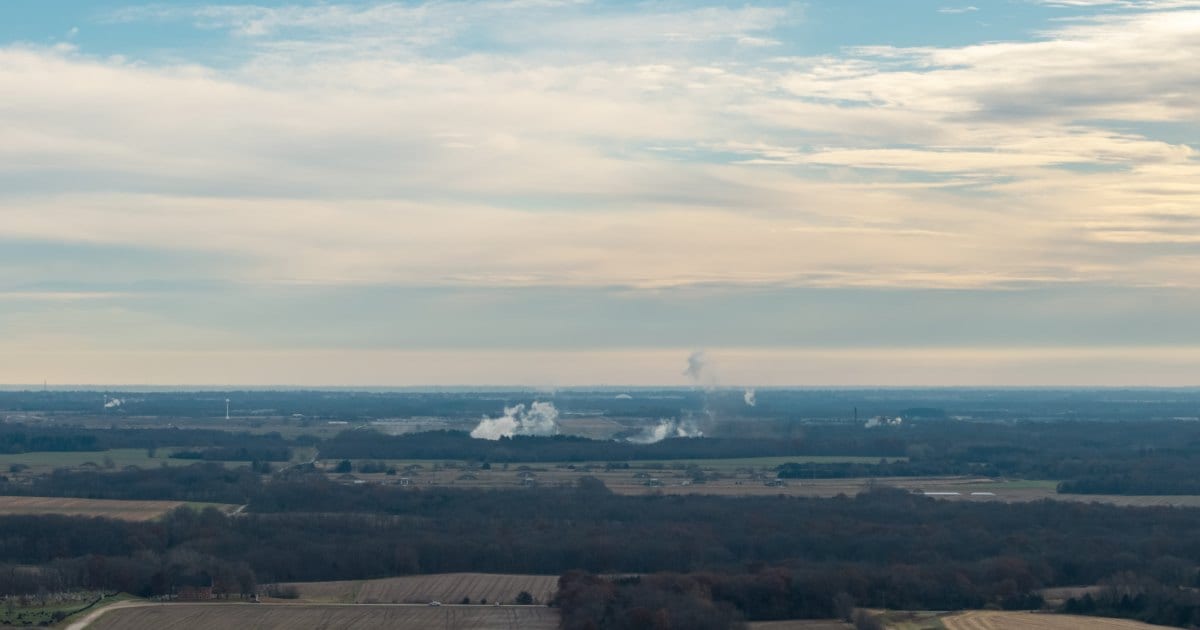
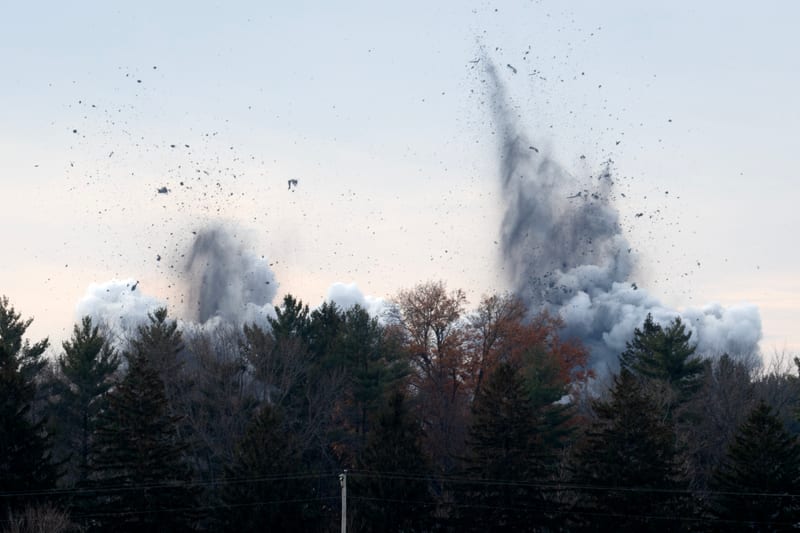
MIDDLETOWN, IOWA: After days of warnings, safety precautions and growing public concern, the US Army's operation to destroy nearly five tons of unstable explosives in Iowa concluded without the catastrophic fallout many had feared on Wednesday, November 25.
Officials declared the mission a success, reporting no damage to surrounding infrastructure.
Yet, as the Army delivered its all-clear, a reporter's live microphone picked up a candid reaction that suggested the uneventful outcome had left someone expecting considerably more drama.
AP hot mic after the Iowa detonation: "THAT WAS IT?!? WHAT?!?" https://t.co/uY3YhePNtN
— End Wokeness (@EndWokeness) November 25, 2026
Reporter caught off guard by blast
The blast that had kept Iowa residents on edge for days turned out to be less dramatic than a reporter apparently anticipated.
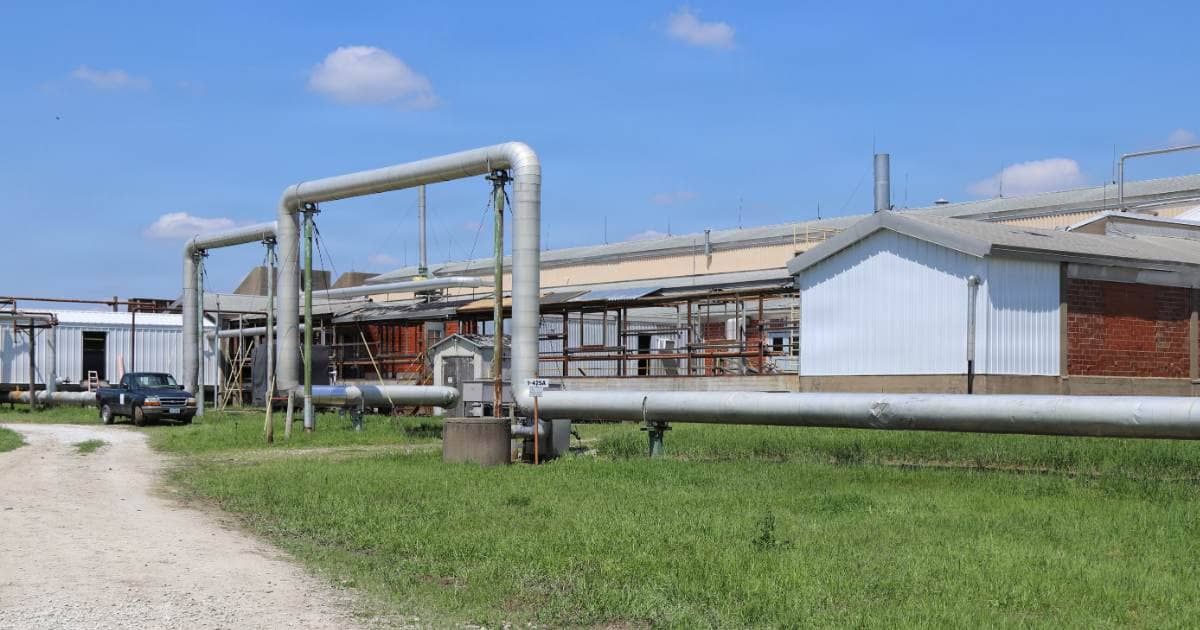
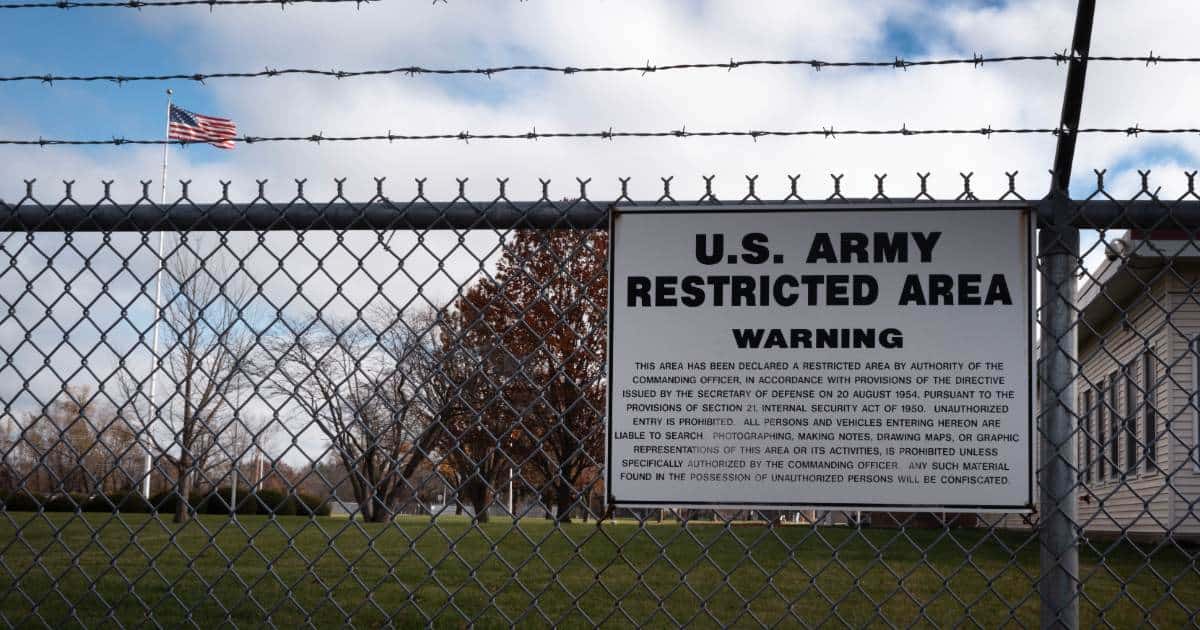
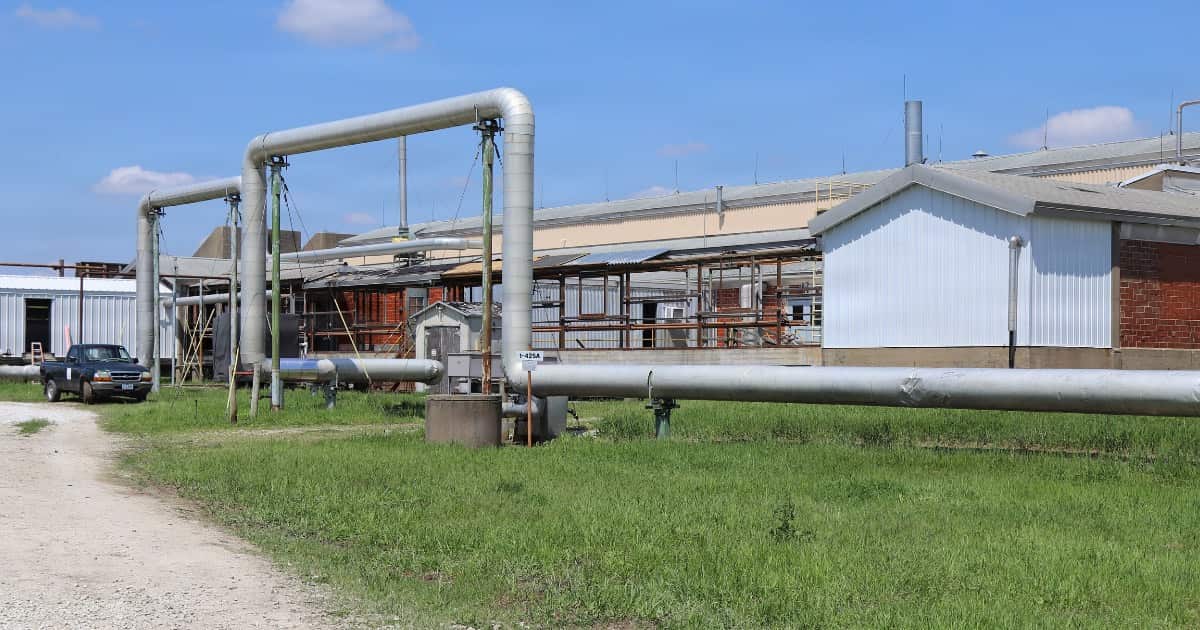
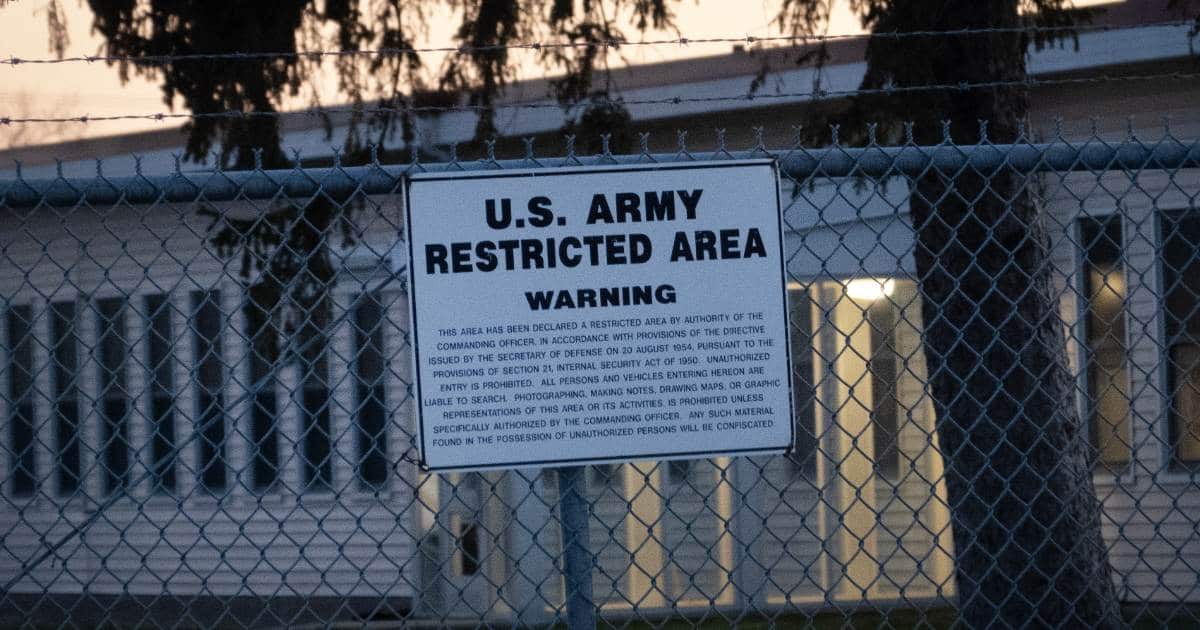
A hot mic caught the reporter reacting with disbelief after the Army carried out its controlled destruction of nearly 9,700 pounds of crystallized lead azide at the Iowa Army Ammunition Plant in Middletown.
The candid exchange came against the backdrop of an operation that had drawn scrutiny over the possibility of lead contamination.
Residents had been warned about potential airborne particles, while concerns extended to nearby homes, agricultural land and waterways.
But the Army's account of the aftermath was markedly different from the fears surrounding the mission.
Maj. Gen. Eric P. Shirley, commanding general of the US Army Sustainment Command, confirmed that the detonation caused no secondary explosions or infrastructure damage.
The military also credited its containment measures with limiting the risk of hazardous material escaping into the surroundings.
Shirley described the results as exceeding expectations, saying the available evidence indicated that the lead azide stockpile had been successfully neutralized.
EPA reports zero airborne lead
The first environmental readings offered some reassurance to communities surrounding the Iowa facility.
The EPA's monitoring network showed no detectable airborne lead following the blast, with its equipment continuing to record measurements throughout the operation without registering the contaminant.
FEMA Administrator Cameron Hamilton separately reported that the initial atmospheric readings showed zero detectable lead.
However, officials are still working through a much larger round of environmental testing.
EPA Administrator Lee Zeldin said approximately 300 agency employees and contractors had been sent to the area.
Before the explosion, teams had already gathered more than 1,200 samples covering air, soil, dust and water.
Those results will serve as a baseline against which post-detonation samples can be assessed.
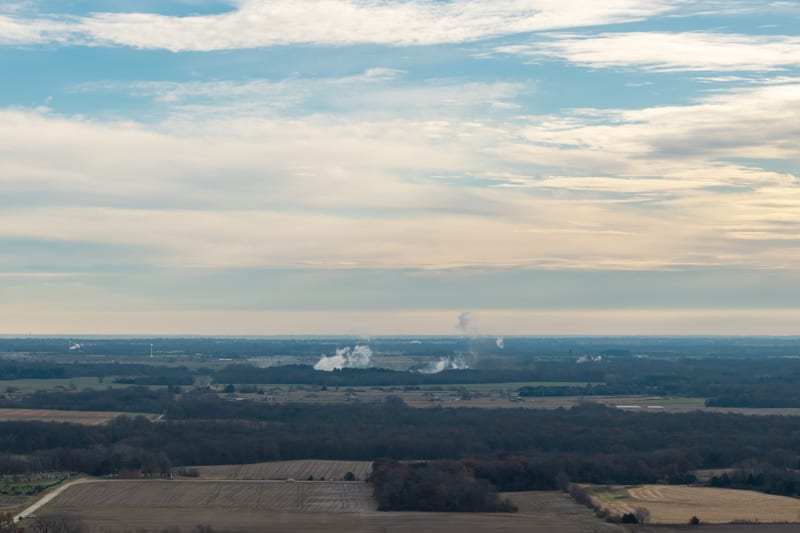
For Iowa Governor Kim Reynolds, the initial findings brought considerable relief.
She called the outcome a best-case scenario for Middletown and neighboring communities, while stressing that state agencies would continue checking environmental conditions and releasing updates.
The explosion involved 68 drums containing deteriorated lead azide, which had developed explosive crystals and could no longer be safely transported or handled through conventional procedures.
To contain the blast, military personnel constructed sand barriers and earth berms and deployed foam and large quantities of water.
Despite the encouraging initial readings, the monitoring effort is not over.
Authorities are still examining post-blast samples, meaning the early absence of detectable airborne lead should not be mistaken for a final environmental clearance.