Fact Check; Did Bill Clinton help homeless veteran outside Kennedy Center?
WASHINGTON, DC: As the United States observes Veterans Day, an emotional story about former President Bill Clinton has surfaced on social media.
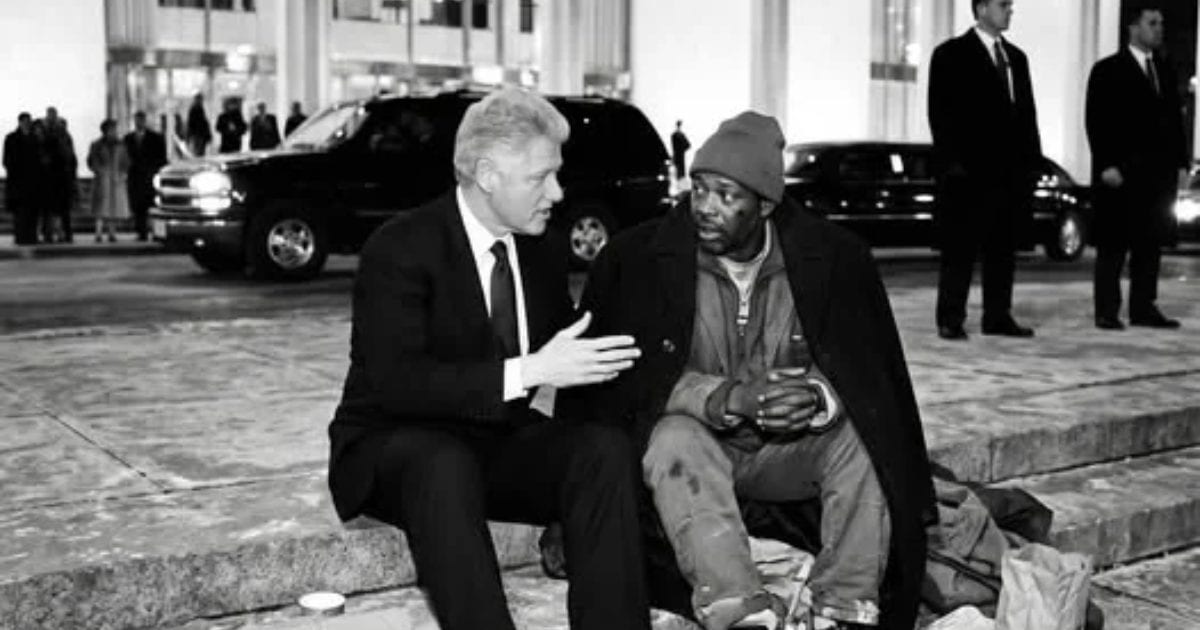
The viral claim says Clinton stopped outside Washington, DC’s John F. Kennedy Center for the Performing Arts in 1997 to help a homeless veteran named Marcus Williams. Let's check the facts.
Claim: Bill Clinton helped a homeless veteran outside the Kennedy Center
On a freezing December night in 1997, President Bill Clinton noticed a homeless veteran outside the Kennedy Center holding a sign reading, “Marine. Desert Storm. Hungry.” Rather than ignore him, Clinton removed his coat, sat beside the shivering man, and listened to his story. When the veteran revealed he had not eaten for two days, Clinton arranged for food and stayed until he finished. Moved by the encounter, Clinton promised to help him rebuild his life and contacted the Department of Veterans Affairs. The story reminds us that compassion, dignity, and a simple human connection can restore hope when someone feels forgotten. #BillClinton #Compassion #Dignity #Empathy #Humanity #Inspiration #Kindness #Leadership #MarineVeteran #MilitaryService #Motivation #NeverForget #Respect #SecondChances #ServeThoseWhoServed #SocialAwareness #SupportVeterans #ThePowerOfKindness #VeteranCare #VeteranSupport #Veterans #Homelessness #Hope #DesertStorm #HumanConnection IMAGINE WHAT TRUMP WOULD DO. HE WOULD TELL THIS VET THAT HE DOESN'T LIKE HUNGRY PEOPLE.
— Bonnie Boden (@designergirla) October 31, 2026
The rumor began circulating after an X user named Bonnie Boden shared a post claiming that former US President Bill Clinton helped a homeless veteran outside the Kennedy Center in December 1997.
The post stated, "On a freezing December night in 1997, President Bill Clinton noticed a homeless veteran outside the Kennedy Center holding a sign reading, 'Marine. Desert Storm. Hungry.'"
The post further claimed that Clinton stopped to help the man instead of walking past him. It stated, "Rather than ignore him, Clinton removed his coat, sat beside the shivering man, and listened to his story."
According to the viral account, the veteran told Clinton that he had not eaten for two days. The post claimed, "When the veteran revealed he had not eaten for two days, Clinton arranged for food and stayed until he finished."
It also alleged that Clinton promised to help the veteran rebuild his life and contacted the Department of Veterans Affairs for assistance. The post concluded, "The story reminds us that compassion, dignity, and a simple human connection can restore hope when someone feels forgotten."
The emotional story received mixed reactions from social media users. Some readers praised Clinton for the kindness described in the post.
One user commented, "A good man and compassionate President. Those were the days that we need to restore!" Another made a political comparison, writing, "Trump would have had his ICE thugs remove the guy..."
However, another user questioned the story's authenticity and commented, "That's a great story, and unfortunately it never happened."
Fact Check: Neither the story nor the image is real
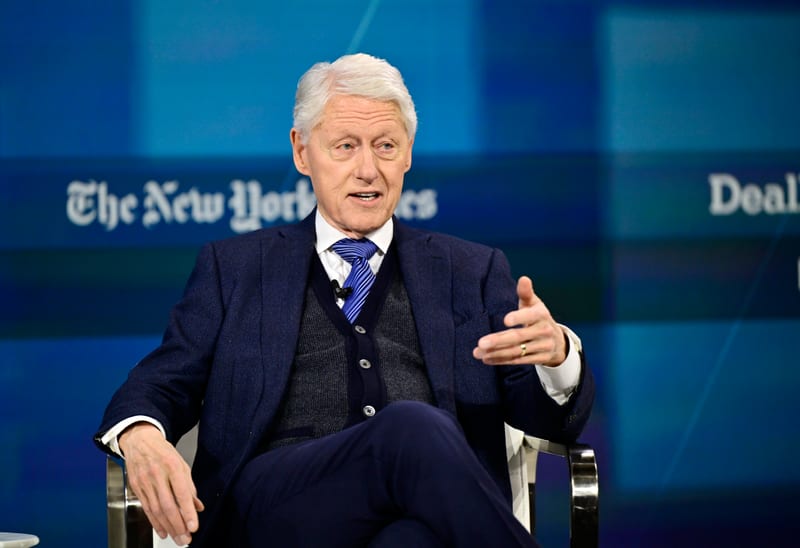
Neither the story nor the images are real. Fact-checkers searched Google, Yahoo, and DuckDuckGo using phrases such as "Bill Clinton Marcus Williams homeless veteran" to find out whether credible news organizations had reported the alleged incident.
However, they found no reliable news reports, photographs or historical records confirming the meeting. If the incident had actually happened, newspapers, media archives and photo agencies such as Getty Images would likely have documented it.
Further checks found that the story and its accompanying images were created using artificial intelligence (AI) tools. Fact-checkers examined the images using three AI detection tools: Sightengine, Hive Moderation and Google's SynthID detector.
Sightengine and Hive Moderation indicated a high likelihood that AI had generated the images. Google's SynthID detector also identified an invisible watermark, suggesting that Google's AI tools had created the visuals.
Identifying the manipulation through a simple visual check proved more difficult because the images appeared in black and white and had a grainy quality. However, the search results and AI detection tools provided further evidence that the viral images were not authentic.
Therefore, the claim that Bill Clinton helped a homeless veteran named Marcus Williams outside the Kennedy Center in 1997 is false.