Fact Check: Did Canada resell Chinese steel as Canadian steel to help China avoid US tariffs?
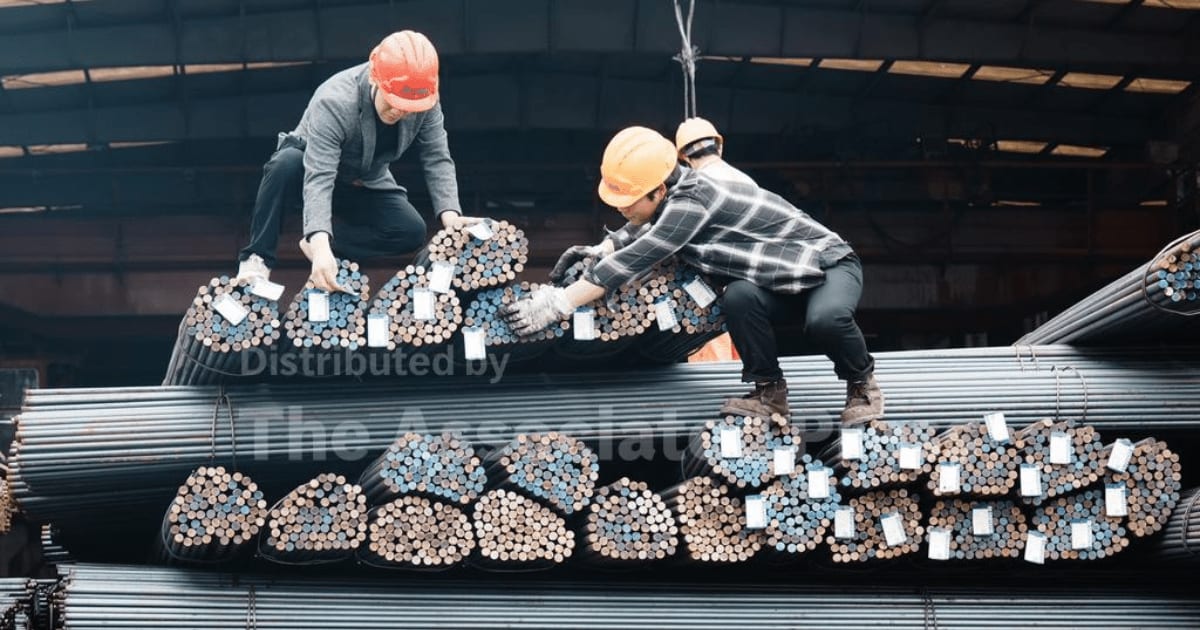
WASHINGTON, DC: Social media said Canada resold Chinese steel as Canadian steel to help China avoid US tariffs.
The claim has gained attention amid rising trade tensions between the United States, Canada, and China. Recent US cases have accused some Canadian companies of misrepresenting the origin of steel to avoid duties. Let's fact-check the claim.
Claim: Canada resold Chinese steel as Canadian steel to help China avoid US tariffs
Here’s the key issue: Canada was bringing in Chinese steel and aluminum and selling it as Canadian steel to help China avoid tariffs
— Department Of Deportations (@DoDeportations) August 23, 2026
When told to knock it off, they refused. This is why the trade deal collapsed
We cannot allow China to build a proxy state on our border
According to the claim, Canada imported Chinese steel, mislabeled it as Canadian steel, and then sent it to the United States to help China avoid US tariffs.
An X post reported, "Here’s the key issue: Canada was bringing in Chinese steel and aluminum and selling it as Canadian steel to help China avoid tariffs. When told to knock it off, they refused. This is why the trade deal collapsed. We cannot allow China to build a proxy state on our border."
The claim spread as trade tensions between the United States and Canada increased. It also followed broader US accusations that some countries allow Chinese goods to bypass American tariffs.
The rumor appears to have started from real allegations against some Canadian steel companies. Several posts describe Canada as a “backdoor” for Chinese steel. They also claim that Canadian companies or the government helped Chinese producers avoid US trade restrictions.
A real US case involving Canadian steel companies helped fuel the claim. In May 2026, the US Department of Justice announced a $19 million settlement with Canadian steel companies over allegations that they misrepresented the origin of steel products. The case gave social media users a real event to connect to the broader claim.
Fact Check: The claim is unverified
The claim remains unverified. As of this writing, no court has found that a Canadian company or government official tried to evade tariffs or help China avoid US tariffs through the alleged scheme.
There is also not enough public evidence to show that such a scheme took place or is still happening.
The claim also links the allegations to the breakdown of US-Canada trade talks in late summer 2026. This connection may stem from reports that US Trade Representative Jamieson Greer raised concerns with Canadian officials about Chinese steel being shipped through countries with which Canada is seeking new free-trade agreements.
The strongest public evidence that some Canadian companies may have avoided tariffs on Chinese steel comes from a US Department of Justice settlement involving Farjess and Royal Canadian Steel.

According to the DOJ complaint, the same people managed both companies. Royal Canadian Steel imported steel into Canada and supplied it to Farjess.
The DOJ alleged that employees at Farjess and Royal Canadian Steel removed labels showing the steel came from a Chinese company.
The companies allegedly replaced those labels with their own before the steel reached customs officials. Court evidence included scans of the original and replacement labels in Exhibits 7 and 8.
The alleged scheme may have helped Chinese steel producers avoid tariffs. However, the Justice Department focused its allegations on the financial benefit to the two Canadian companies.
Prosecutors said the companies made “windfall profits” from the alleged fraud. The case therefore provides evidence of alleged wrongdoing by specific Canadian companies, but it does not prove that the Canadian government operated or supported a broader scheme to help China avoid US tariffs.