Greer challenges court ruling on 10% tariffs and calls judges 'hell-bent on importing from China'

WASHINGTON, DC: The Trump administration expects to prevail in its appeal against a US Court of International Trade ruling that challenged its temporary 10% global tariffs, US Trade Representative Jamieson Greer said on Friday, May 8.
Speaking in a television interview, Greer said the administration believes the court incorrectly interpreted the law used to impose the duties.
The ruling concerns tariffs introduced under Section 122 of the Trade Act of 1974 after broader tariff powers under a separate statute were struck down earlier this year.
The temporary tariffs remain in effect for most importers while the administration prepares its appeal, with the duties set to expire in July unless extended or replaced.

Jamieson Greer says court misread trade law in tariff ruling
Speaking on Fox News with Maria, Greer criticized the Court of International Trade’s 2-1 ruling, which found that President Donald Trump’s use of Section 122 to impose the tariffs was not justified under the circumstances.
Section 122 allows a president to impose temporary tariffs of up to 15% for 150 days to address what the statute describes as “large and serious” US balance-of-payments deficits.
The court ruled that the provision did not apply in this case, finding that trade deficits alone did not meet that threshold.
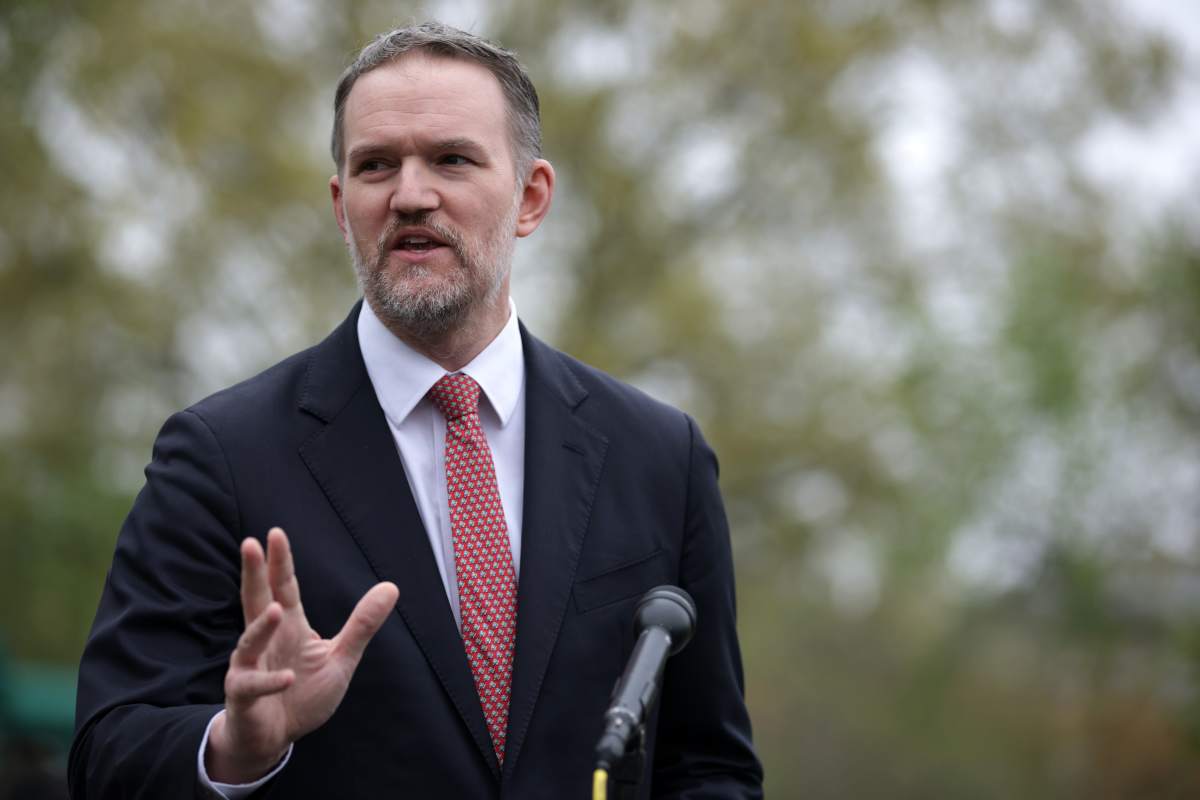
Greer said the court’s interpretation was flawed. “They essentially said that Congress passed a law that can't be used, which we all know in the legal community, that's not how law should be interpreted,” Greer said.
“They should be interpreted to be used. So we're confident that on appeal we'll be successful,” he added.
The Trump administration has not yet formally filed the appeal, but officials indicated the process is expected to begin soon.
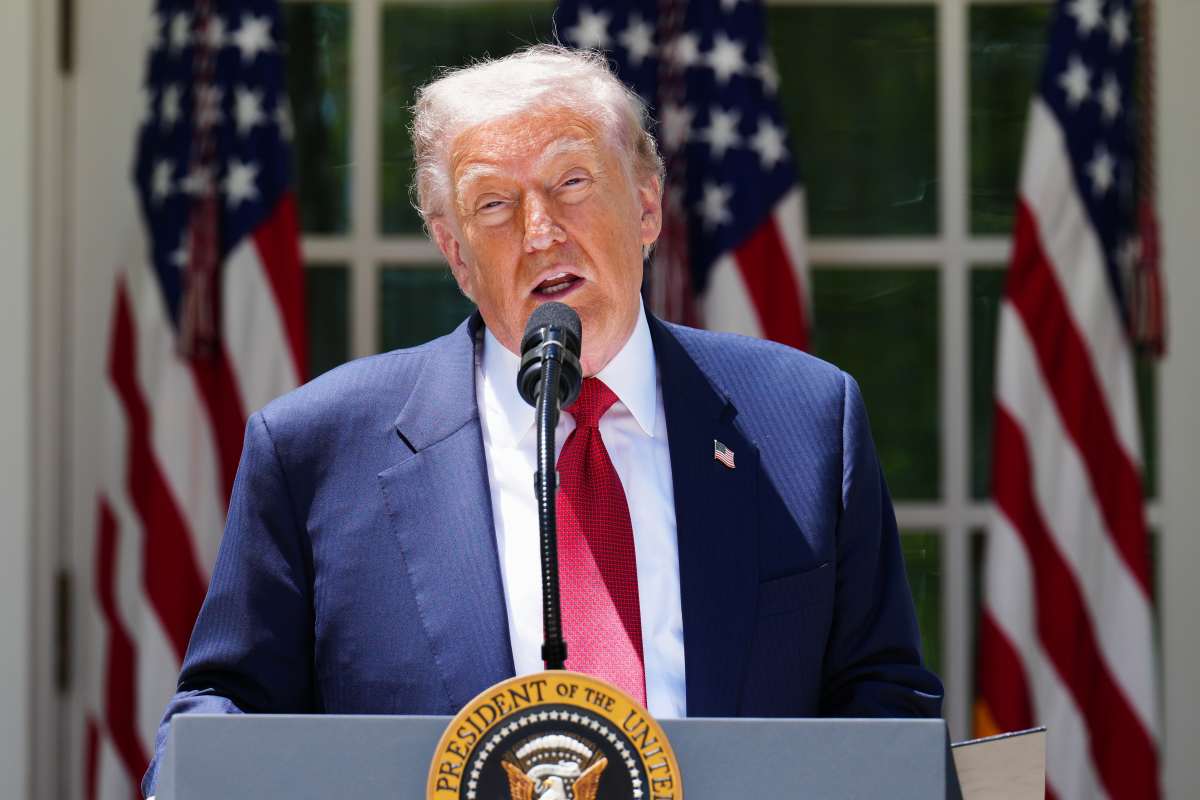
Tariffs introduced after broader trade powers struck down
The Section 122 tariffs were introduced after the US Supreme Court struck down Trump’s broader tariff regime under the International Emergency Economic Powers Act (IEEPA) in February, removing one of the administration’s primary trade enforcement tools.
The 10% duties were designed as a temporary replacement while the administration pursued broader trade measures. Under the statute, they can only remain in place for 150 days, meaning they are due to expire in July.
Greer also pointed to what he described as inconsistencies in the trade court’s legal reasoning, noting that in an earlier ruling related to Trump’s IEEPA tariffs, the same court had identified Section 122 as a potential legal avenue for imposing tariffs.
“That court last year in its initial ruling against Trump's IEEPA tariffs, said Section 122 was another law on the books that could be used for tariffs,” Greer said, arguing that the latest decision contradicted that earlier position.
Greer, a longtime trade lawyer, also sharply criticized the majority opinion, saying the judges “are apparently just hell-bent on importing from China.”
The administration’s appeal could shape the future scope of presidential tariff authority as Trump continues to make trade enforcement a central component of his economic agenda.