Fact Check: Did Chinese influence shape US opposition to data centers?
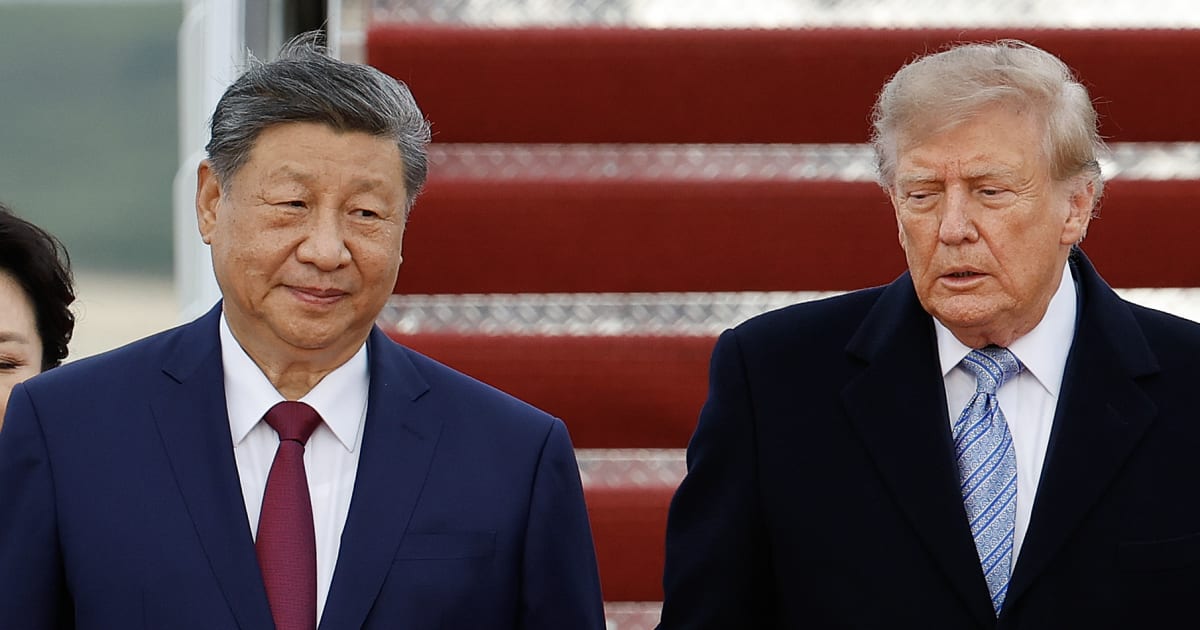
WASHINGTON, DC: President Donald Trump's claim about opposition to artificial intelligence data centers in the United States has drawn attention online.
Trump has linked some criticism of data-center projects to China as the debate over AI infrastructure continues to grow across the country.
The issue has gained attention as communities, lawmakers and technology companies debate the impact of data centers on electricity use, water resources and local development. Trump's comments have added a national security and foreign-influence angle to the wider debate, prompting questions about the basis for his claim.
Claim: Chinese influence shapes US opposition to data centers
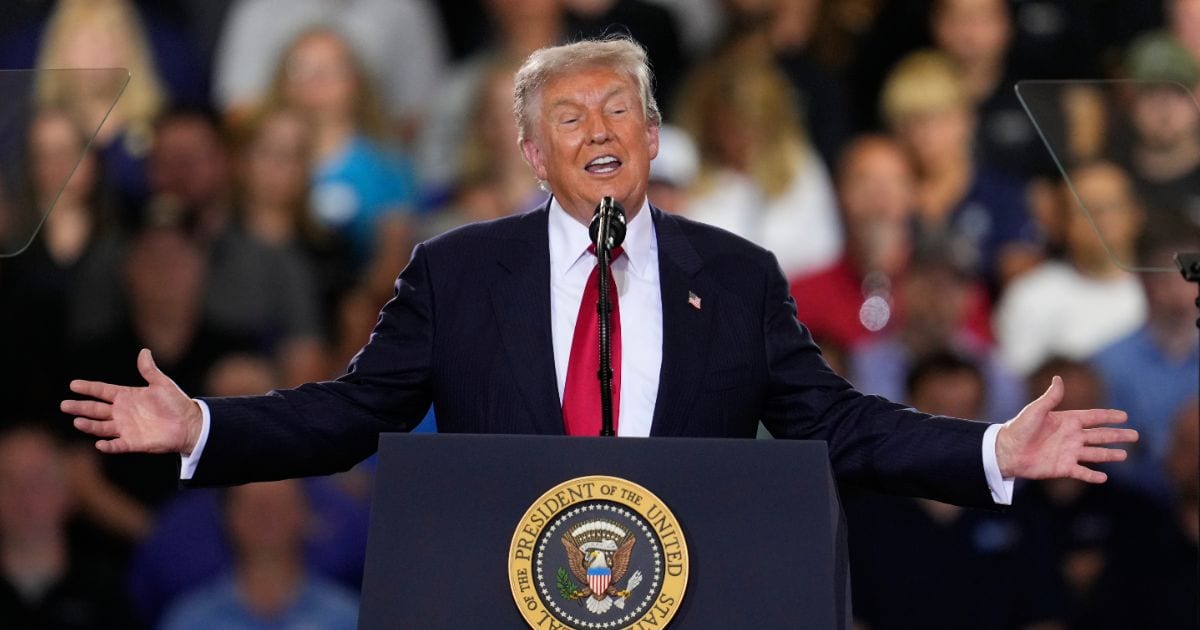
Trump has attributed widespread opposition to US data centers to China. He made the claim during a September 10 interview with Fox News host Laura Ingraham, who asked why many people do not want data centers built near their homes.
Trump said, “You know, a lot of people say that it’s a China PR thing.”
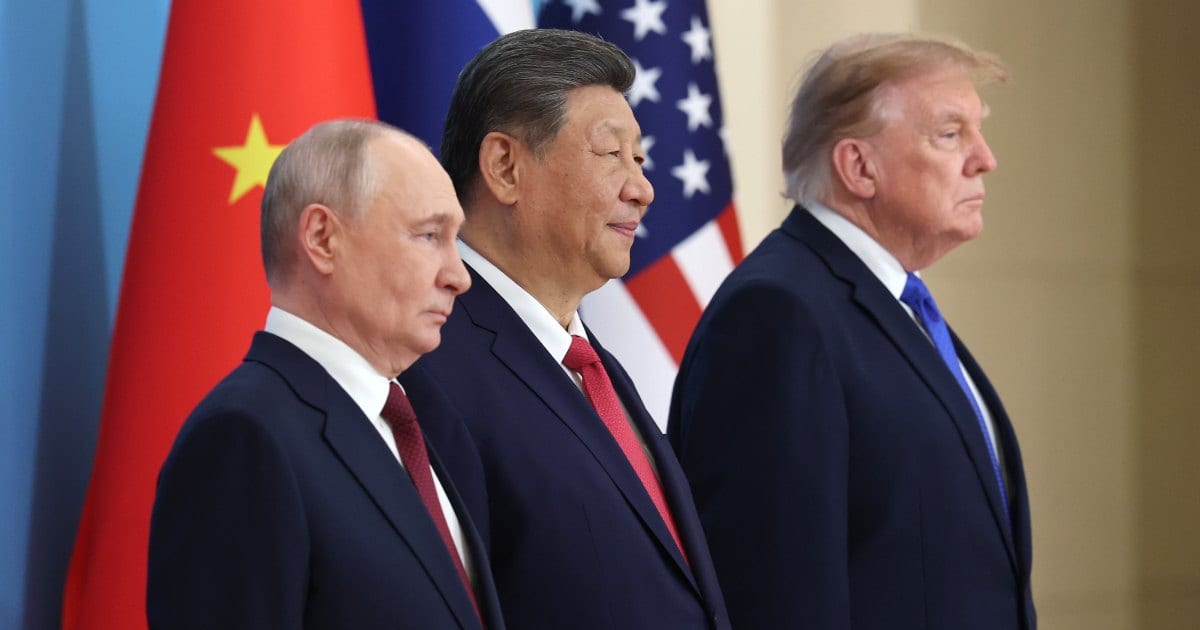
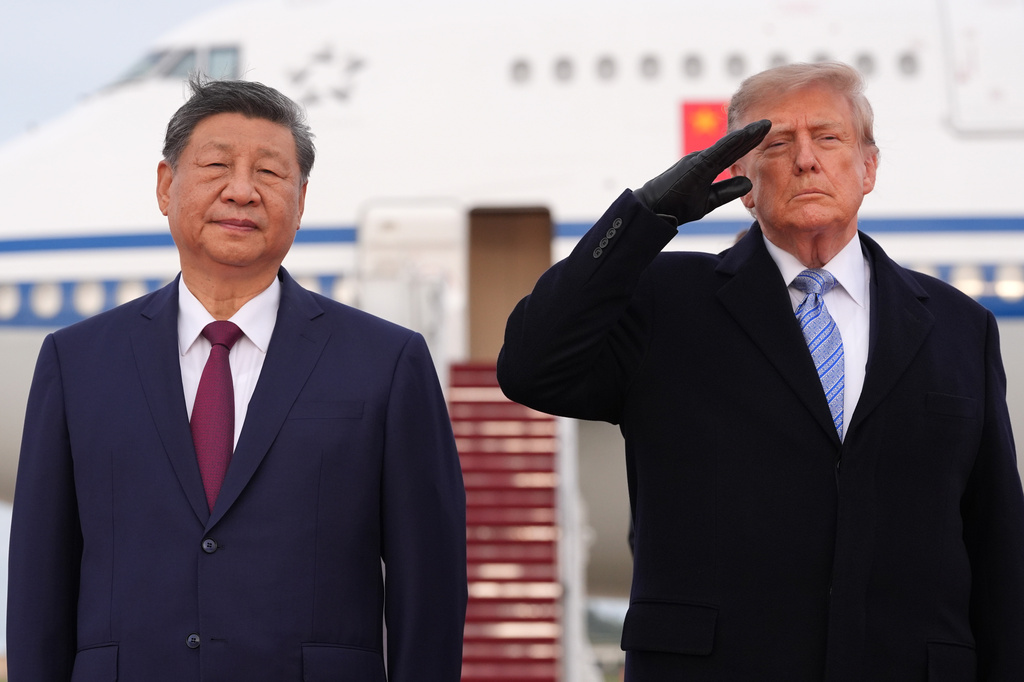
Trump was scheduled to meet Chinese President Xi Jinping in Washington on Thursday as pressure grew on the US government to regulate artificial intelligence.
The debate has intensified following concerns about automated AI agents and the potential risks of advanced AI. Trump has dismissed some of these concerns as a “hoax.”
Interior Secretary Doug Burgum has also blamed foreign actors for opposition to data center projects. In May, he told Fox Business that “foreign source dark money,” “foreign psy-ops campaigns,” and “foreign-directed propaganda” were fueling the pushback.
Burgum said, “There’s a concentrated information propaganda war that’s geotargeted,” and claimed that areas planning to build data centers were being targeted by foreign-directed campaigns.
These claims followed reports of Chinese influence campaigns that sought to amplify concerns about data centers in the US.
Fact Check: The claim is misleading
The claim is misleading. The reported campaigns do not show that China created or drove the broader opposition to data centers. The movement has attracted Americans from across the political spectrum and has spread across many states.
There is evidence that Chinese-linked actors tried to amplify concerns about US AI data centers. OpenAI reported that a China-linked operation used its models to create social media content claiming that data centers were driving up electricity prices.
X also said it identified about 200 accounts involved in activity that could manipulate the debate.
However, these campaigns do not show that China created or broadly drove opposition to data centers in the US. OpenAI said it found no evidence that the operation gained meaningful reach beyond its own activity.
Experts cited by PolitiFact also said foreign actors appeared to be amplifying concerns that already existed rather than creating the opposition.
Opposition to data centers has also grown across political groups and states. A University of Pennsylvania survey found that 61% of US adults opposed building data centers in their area, with majorities of Democrats, Republicans and independents expressing opposition.
People have raised concerns about electricity costs, water use, land, and the impact on local communities.
Foreign influence campaigns are therefore part of the broader debate, but the available evidence does not support the claim that China is responsible for the widespread US opposition to data centers.
The evidence points to a combination of genuine local concerns and attempts by foreign actors to amplify an existing debate.