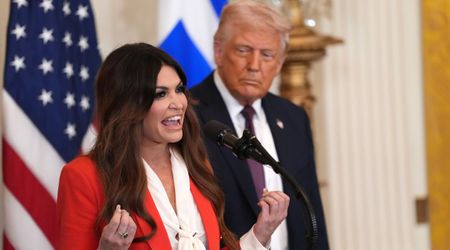
National security experts claim Trump has strategically boxed in China ahead of Xi summit
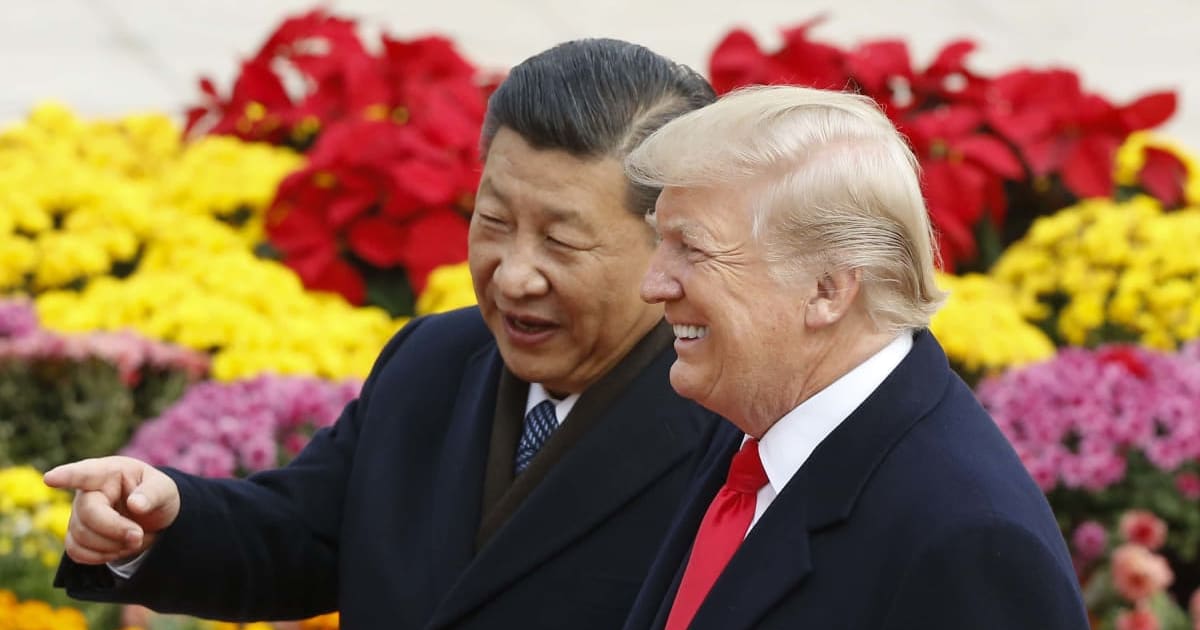
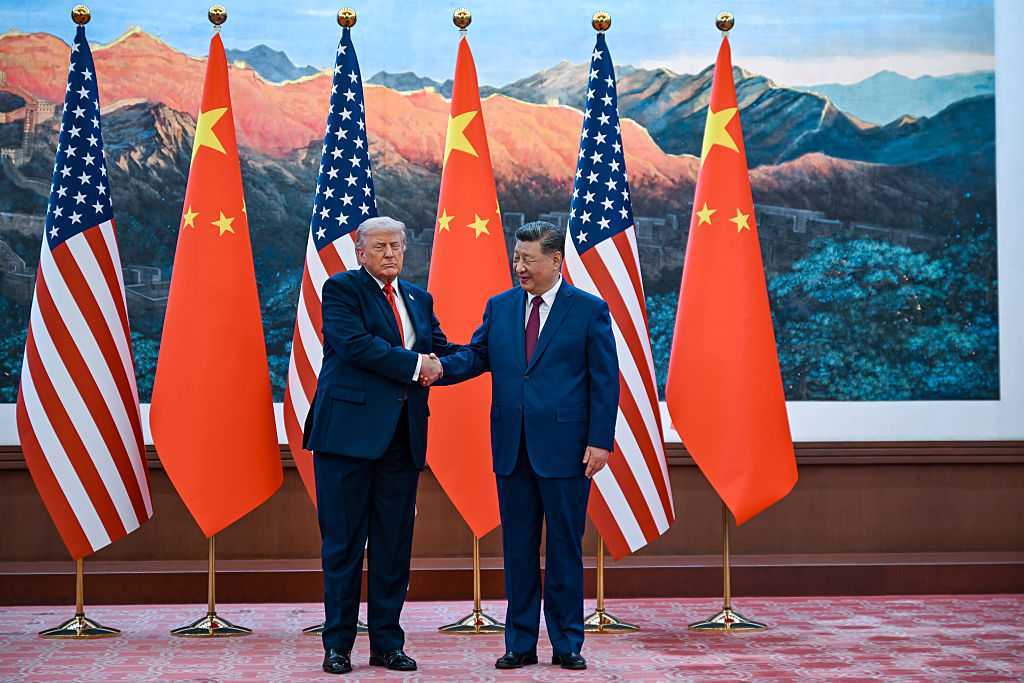
WASHINGTON, DC: National security experts argue that President Trump's administration has significantly advanced America's strategic position against China through various military, economic, and diplomatic actions, despite the president's amiable comments towards Chinese leader Xi Jinping ahead of another summit between the two presidents.
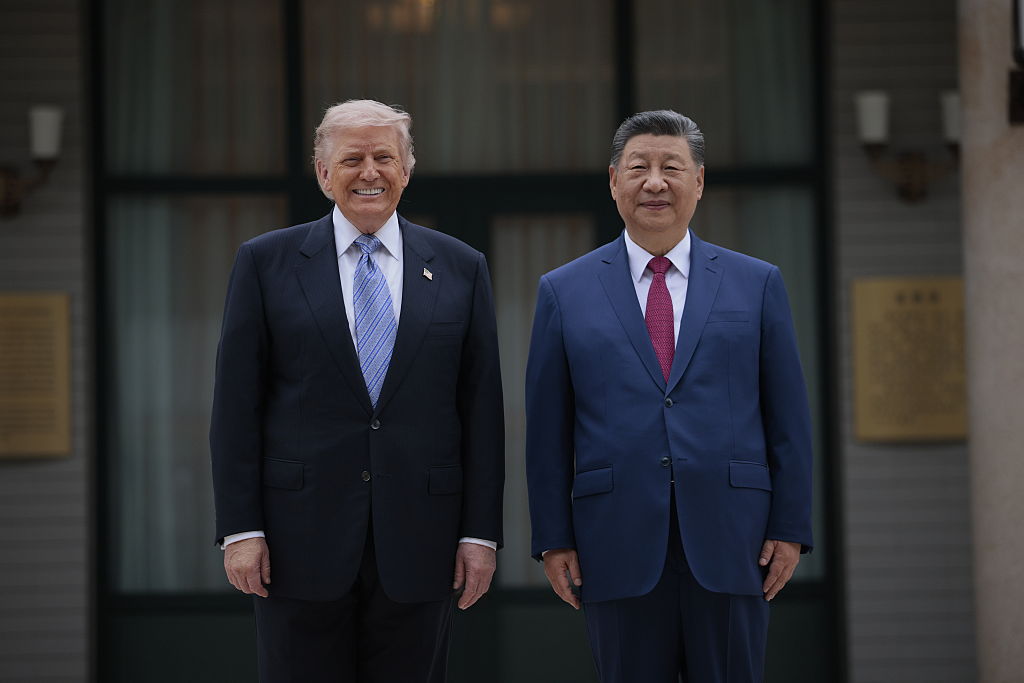
Michael Lucci, founder and CEO of State Armor, told Breitbart News, “While the media focus is on President Trump’s rhetorical niceties with CCP leader Xi Jinping, the Trump administration is engaged in unprecedented geopolitical maneuvering behind the scenes, significantly strengthening America’s position in our strategic competition with Communist China.”
Arctic strategy and NATO defense spending
“Just yesterday, President Trump signed a transformational deal with Denmark and Greenland to ensure the United States maintains a permanent, dominant position in the Arctic while also cordoning off Chinese influence in the Western Hemisphere.”
In 2025, NATO members agreed to boost defense spending to 5% of GDP by 2035, a goal that President Trump had long urged European allies to endorse.

The deal inked this week in the far north of the planet will enable the United States to expand its operations at the Pituffik Space Base and create new defense areas in Greenland, while preventing non-NATO nations from establishing military facilities on the island without the consent of the treaty's signatories.
“Thanks to President Trump’s relentless actions, America has a much stronger negotiating position today than it did during the 4-year collapse of American deterrence under President Biden," said Lucci.
Targeting China’s energy and critical mineral supply chains
Mike Martin, a former senior national security official during the first Trump administration, gave a statement to Breitbart News.
“President Trump has made confronting China a central part of his economic and national security agenda, challenging Beijing over issues ranging from market access to critical supply chains. That approach must continue as competition with China increasingly extends into artificial intelligence and other technologies that will shape America’s economic and national security for decades.”
Trump imposed a 25% tariff in January on countries doing business with Iran, a move expected to particularly affect China because Beijing purchased sanctioned Iranian oil.
The action came after China lost full access to Venezuelan oil following the arrest of former Venezuelan leader Nicolás Maduro, while Chinese Foreign Ministry spokeswoman Mao Ning said Beijing would “firmly protect its legitimate and lawful rights and interests.”
The administration has also pursued alternatives to Chinese dominance of critical-mineral supply chains.
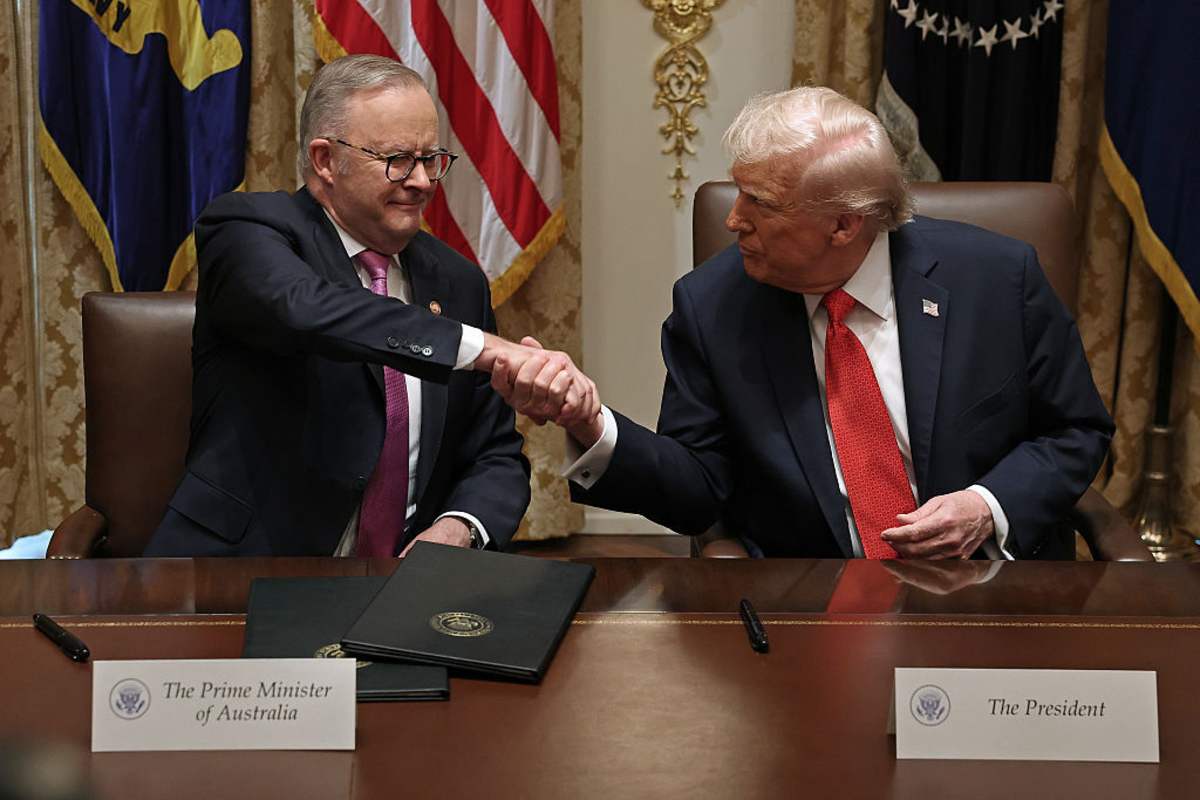
Trump signed a deal with Australian Prime Minister Anthony Albanese in October 2025 under which the United States and Australia committed more than $1 billion each toward mining and refining projects, while the US Export-Import Bank made up to $5 billion in financing available; China produces about 70 percent of rare-earth minerals and controls roughly 90 percent of worldwide refining capacity.
Strengthening US technology and Semiconductor supply chains
The Trump administration has recently intensified its scrutiny of Chinese-made equipment used to power American data centers as electricity demands by artificial intelligence rise.
Trump issued an executive order declaring a national emergency regarding foreign-made equipment in the bulk-power system and authorized the Energy Department to forbid or impose restrictions on specific transactions involving equipment utilized by the power grid and data centers.
Substrate founder and CEO James Proud told Breitbart News in August that the administration had done a “phenomenal job,” adding, “We are now building more fabs than we built in, I think, 20 years in the United States,” while the Commerce Department announced in June 2025 that it had secured a $200 billion investment from Micron Technology to expand American production of advanced memory chips.
The Trump administration has also reached agreements with Panama strengthening the US presence around the Panama Canal, including priority passage for American military and auxiliary vessels and an expanded US presence in cooperation with Panama.
Defense Secretary Pete Hegseth said that “Chinese influence cannot control our own backyard,” adding that Fort Sherman would reopen jointly with the Panamanians.