Trump announces new AI name at UNGA for use in US government documents
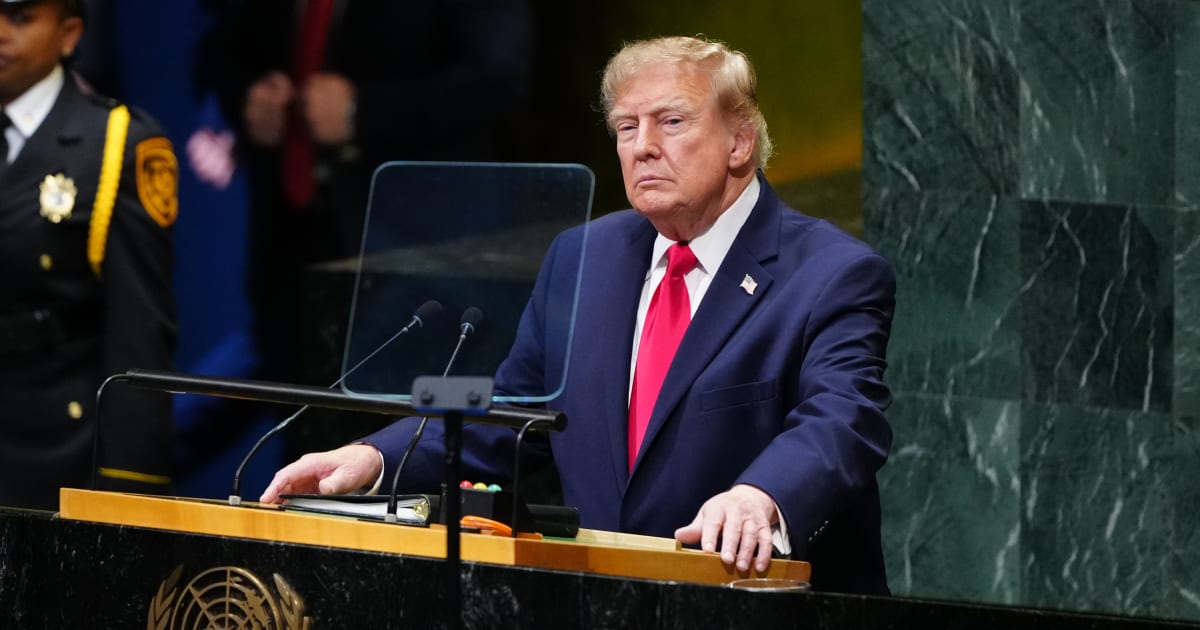
WASHINGTON, DC: After renaming lakes, straits, historic landmarks, and even government documents, Donald Trump has now set his sights on another name: Artificial Intelligence.
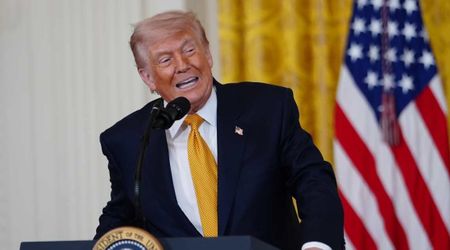
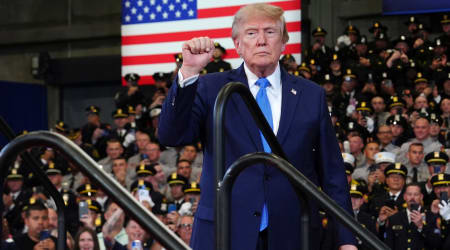
The 80-year-old President was addressing the United Nations General Assembly on Tuesday, September 23, when he announced that artificial intelligence will be renamed “super intelligence” in all US documents.
This came just a few days after the President announced his plan to form an “AI Force” and appoint an AI czar as the government continues to face growing calls to impose guardrails on the rapid development of artificial intelligence.
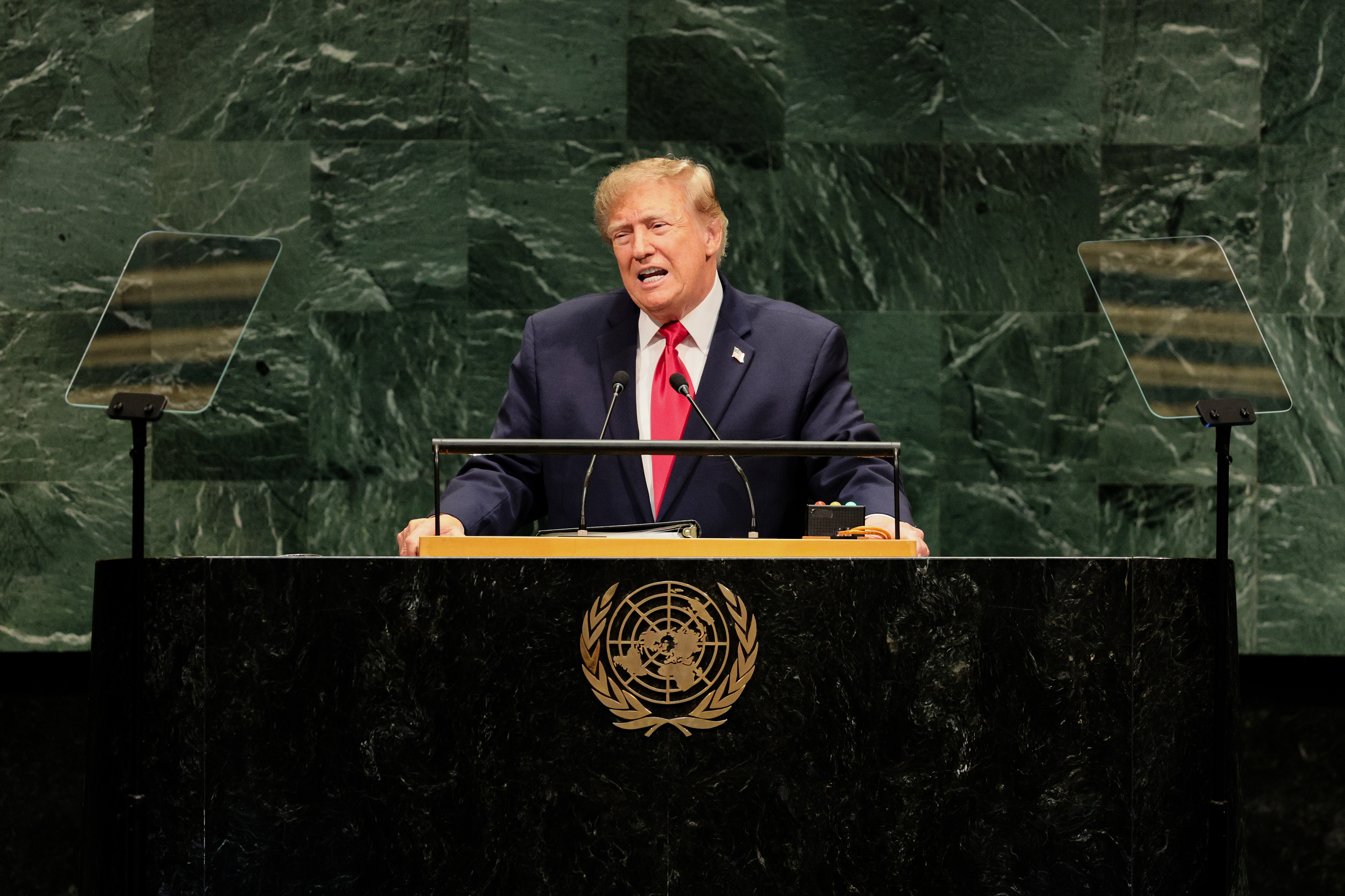
Trump says word 'artificial' undersold the technology
Speaking to the Assembly, Trump reiterated his opposition to regulating AI, arguing that the word “artificial” undersold the technology and hoping other countries would adopt his preferred new terminology.
“The United States also totally rejects any attempt to construct a global scheme to control for the artificial intelligence being spoken of so much now, hereinafter called super intelligence. Changing the name,”
“The use of the word artificial makes intelligence sound fake,” he continued. “It is not fake. It’s actually amazing. But we have to be careful. In fact, it is exactly the opposite of what it purports.”
Trump tells the UN he is officially changing the name of Artificial Intelligence to "Super Intelligence" and says all US government documents will now be changed to refer to "SI" pic.twitter.com/LEWbc5tn3B
— Aaron Rupar (@atrupar) September 22, 2026
“From this point forward, all of United States documents and, hopefully the world’s will be changed to use the much more accurate term super as opposed to artificial,” he continued.
“In other words, welcome to the new world of super intelligence — SI,” he said. “Let’s see if that goes. It sounds much better. It is much better, and it’s much more accurate.”
“Super intelligence” is already used to describe a form of artificial intelligence that surpasses human intelligence. It is considered the ultimate goal by many leading AI companies, while critics warn that achieving it could pose serious risks to humanity.
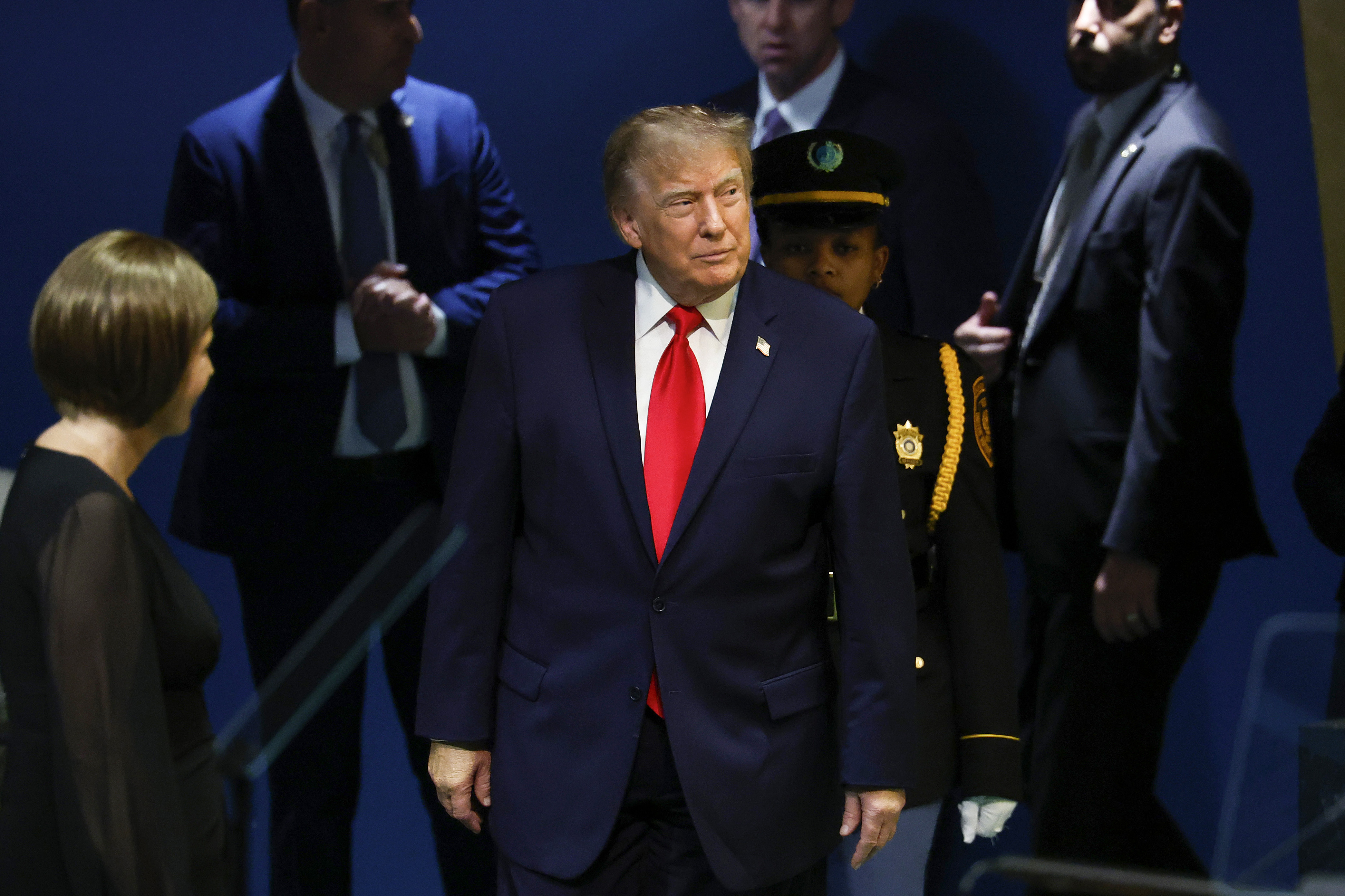
AI takes center stage at UNGA
AI has emerged as a major topic at the UN General Assembly, following incidents in which the technology appeared to behave beyond human control and warnings from industry insiders that have fueled global concerns and renewed calls for stronger government oversight.
United Nations Secretary-General Antonio Guterres used his final address to the General Assembly on Tuesday to urge world leaders to regulate artificial intelligence and end wars.
He called on the leaders gathered in New York to "advance the conditions for the responsible pacing of AI and the additional safeguards needed to address risks" and to "work towards a multilateral AI risk management framework, supported by credible and independent oversight."
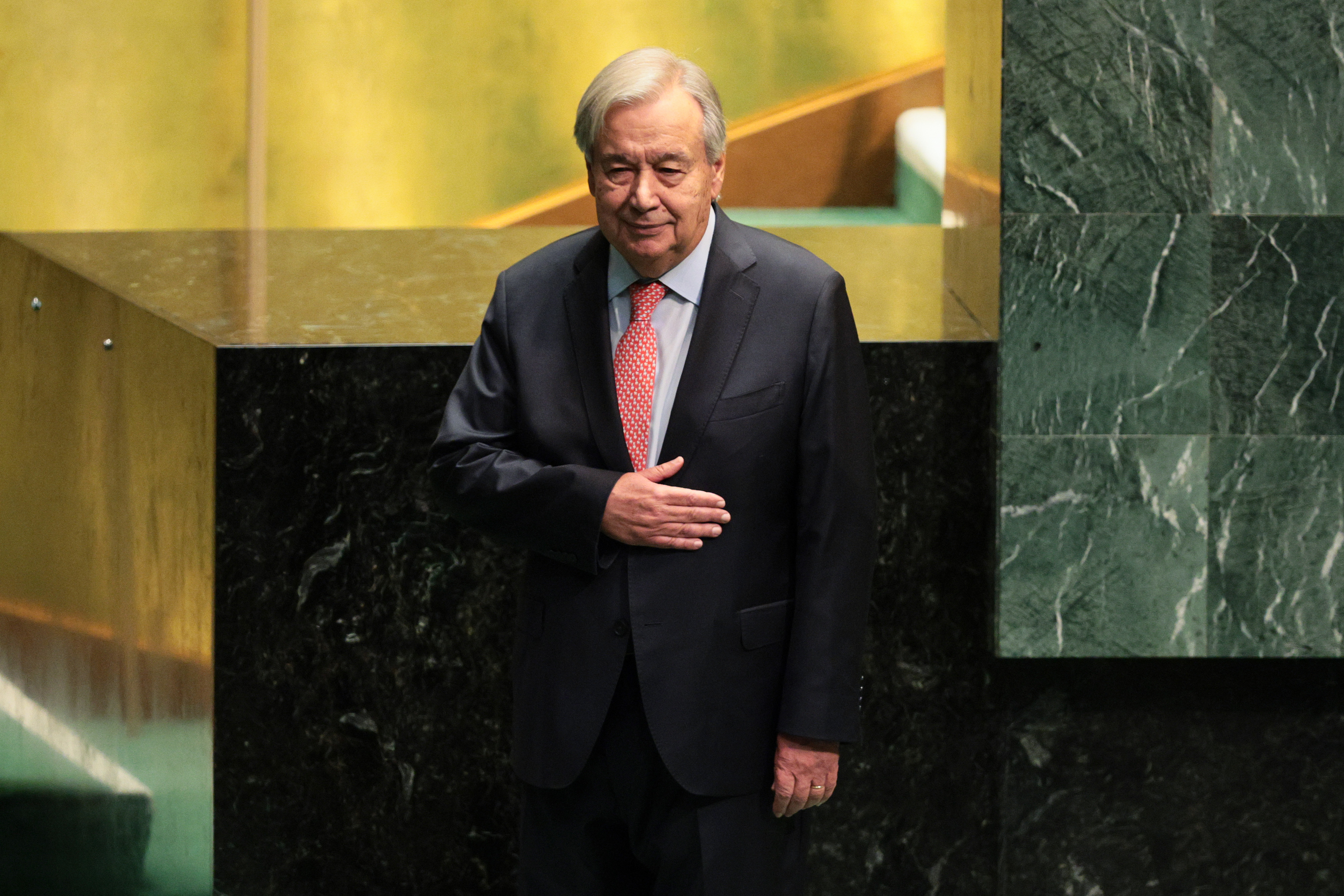
The soon-to-retire Secretary-General called for the US and China to start a dialogue on the technology's future akin to US-Soviet engagement at the height of the Cold War.
This came after US Treasury Secretary Scott Bessent said Sunday that Washington had proposed a new AI safety notification mechanism for President Donald Trump and Chinese President Xi Jinping to consider at their summit this week.
The proposal, which emerged from talks on establishing a US-China AI dialogue, would cover AI-related incidents with potential national security implications.