Fact Check: Did ICE spend hundreds of thousands on vehicles equipped with fake cell towers?
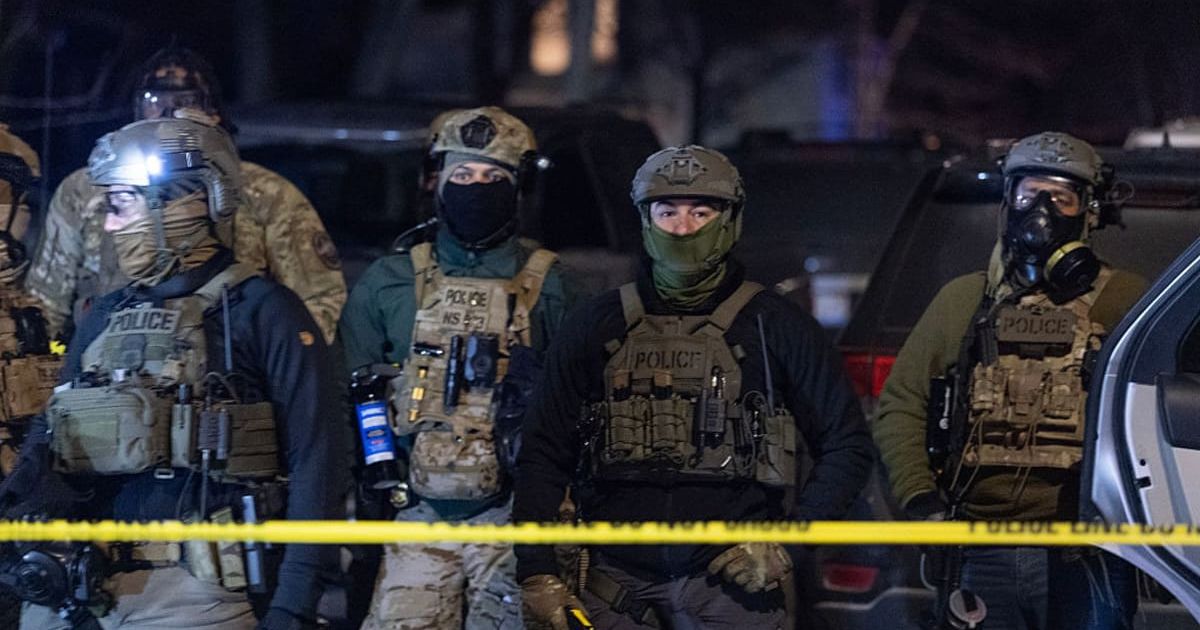
WASHINGTON, DC: A viral claim circulating on social media alleges that US Immigration and Customs Enforcement (ICE) purchased vehicles equipped with "fake cell towers" used to spy on people's phones. The claim also said that ICE spent hundreds of thousands of dollars on vehicles equipped with cell-site simulators. The alleged post has sparked concerns about government surveillance and privacy. It then prompted questions about whether ICE actually acquired such technology. Let's fact-check the claim.
Claim: ICE spent hundreds of thousands of dollars on vehicles with fake cell towers
In July 2026, social media posts claimed that ICE spent hundreds of thousands of dollars on vehicles equipped with cell-site simulators, also known as "fake cell towers."
According to the posts, these devices can mimic real cell towers, causing nearby phones to connect to them.
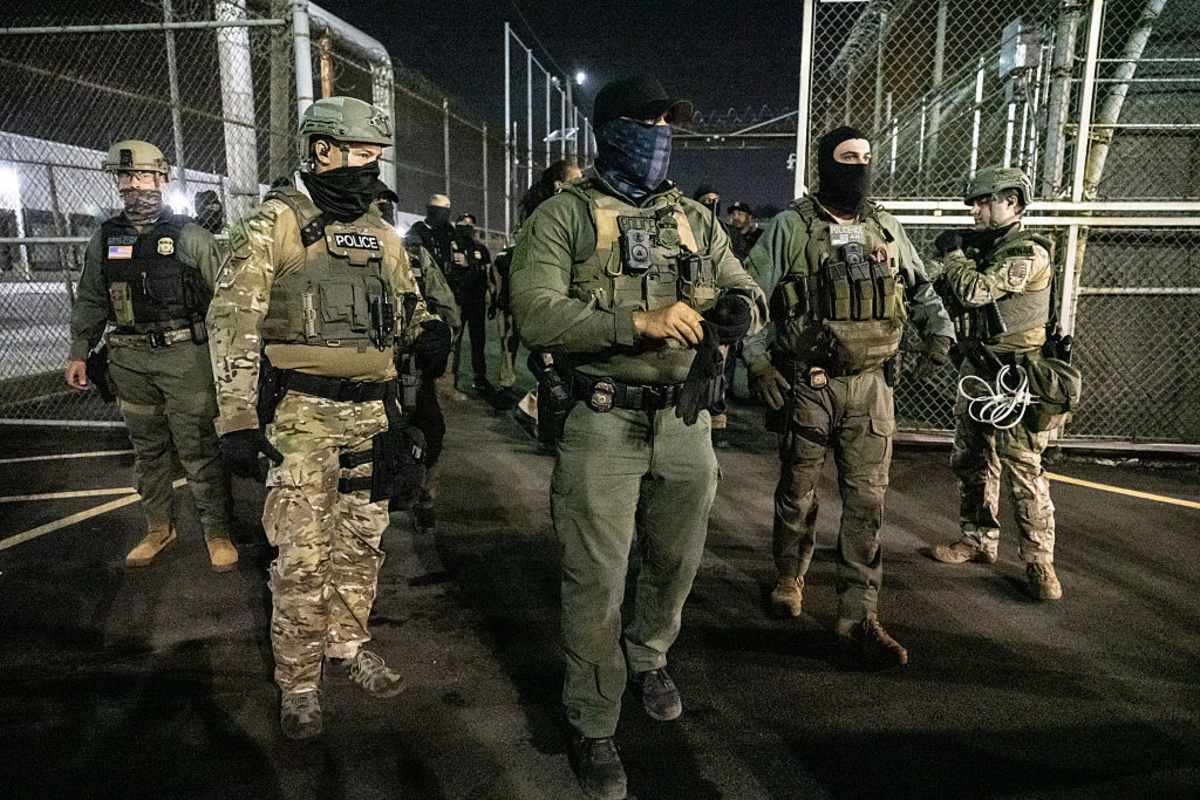
The posts, which circulated on Facebook, claimed the technology allows law enforcement to identify and locate phones in the area. They also alleged that a company called TechOps Specialty Vehicles was outfitting the vehicles for ICE.
The posts further claimed the technology could also collect signals from phones belonging to bystanders, neighbors, protesters, journalists, and others nearby.
"The surveillance may not stop with the intended target," the posts said. "Phones belonging to bystanders, neighbors, protesters, journalists, or anyone else nearby could also interact with the simulator during its operation."
Additionally, they listed supposed signs that a phone had connected to a cell-site simulator and suggested ways to reduce the risk of government surveillance.
Verdict: The claim is true
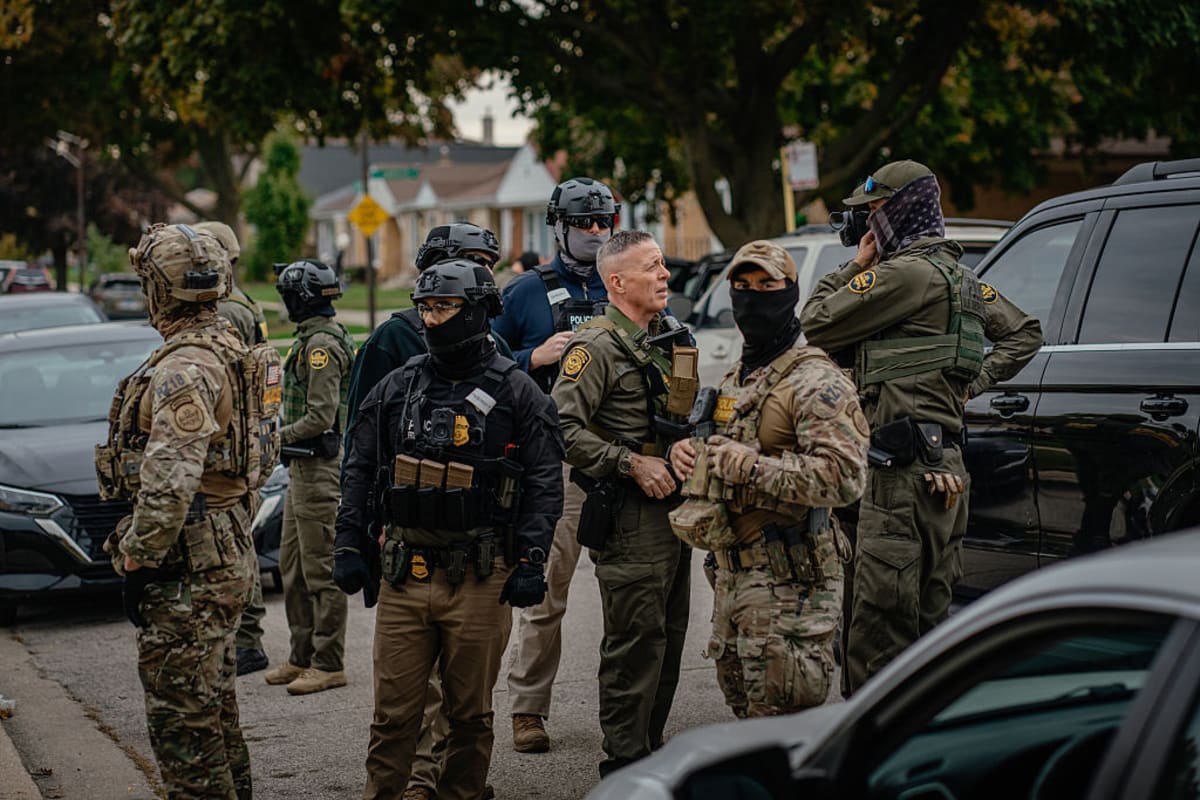
The claim is true. Public US government spending records show that US Immigration and Customs Enforcement (ICE) spent about $1.6 million in 2024 and 2025 on vehicles equipped with cell-site simulators. Based on this evidence, we rate the claim as true.
Cell-site simulators, also known as StingRays, mimic legitimate cell towers and cause nearby phones to connect to them instead. According to the Electronic Frontier Foundation (EFF), a nonprofit digital rights organization, the devices can collect identifying information and, in some cases, data such as the content of text messages or voice calls and websites visited.
Contract records on the US government's federal spending website show that TechOps Specialty Vehicles supplied the vehicles equipped with the technology. The company did not immediately respond to a request for comment. A 2025 TechCrunch report said the company's president, Jon Brianas, stated that TechOps provides cell-site simulators but does not manufacture them.
ICE has used cell-site simulators for years, and their use has remained controversial because the devices can collect information from nearby phones, not just those belonging to the intended target. Privacy advocates argue that this practice may violate the Fourth Amendment, which protects Americans against unreasonable searches and seizures.