Fact Check: Is Trump's claim at SOTU Iran can threaten US with nuclear missiles true?
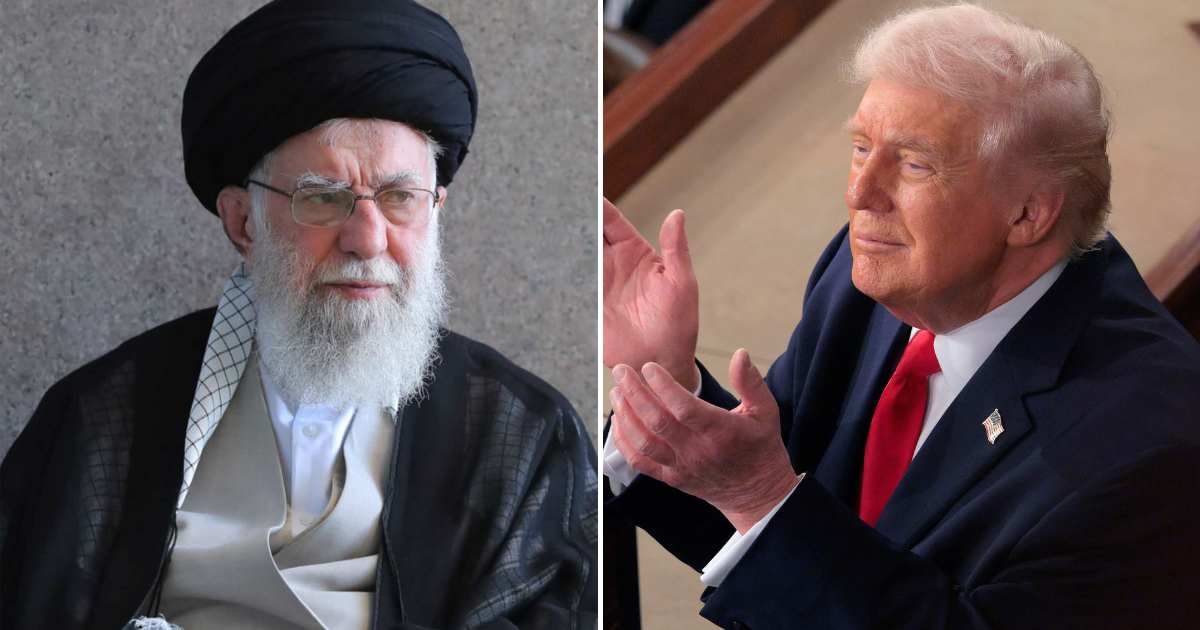
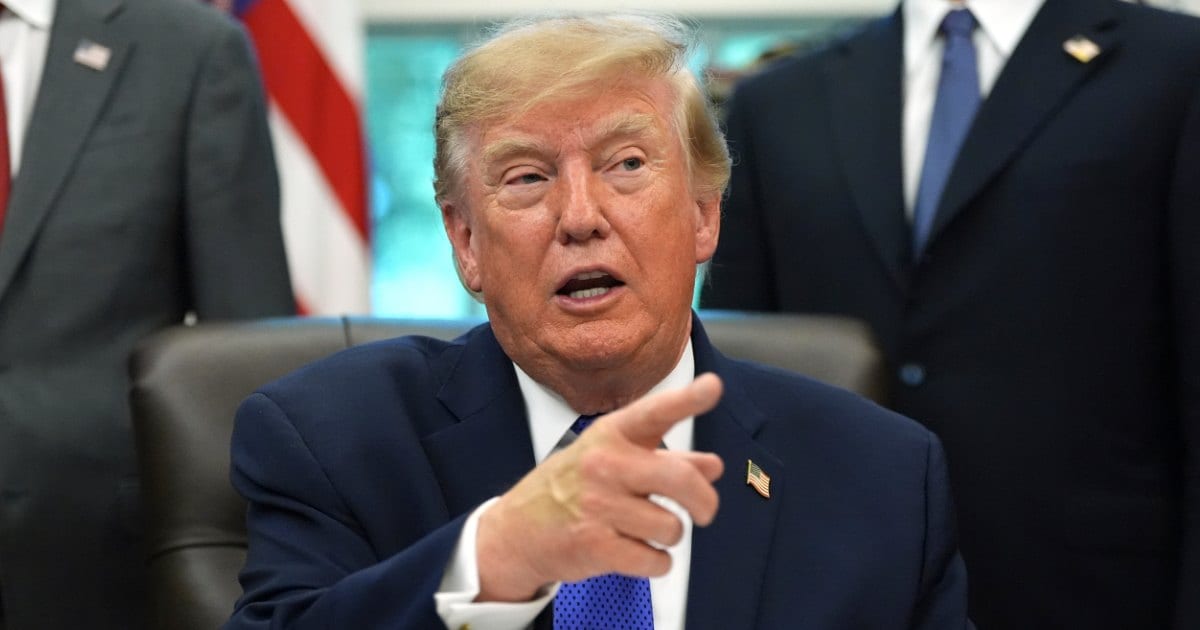
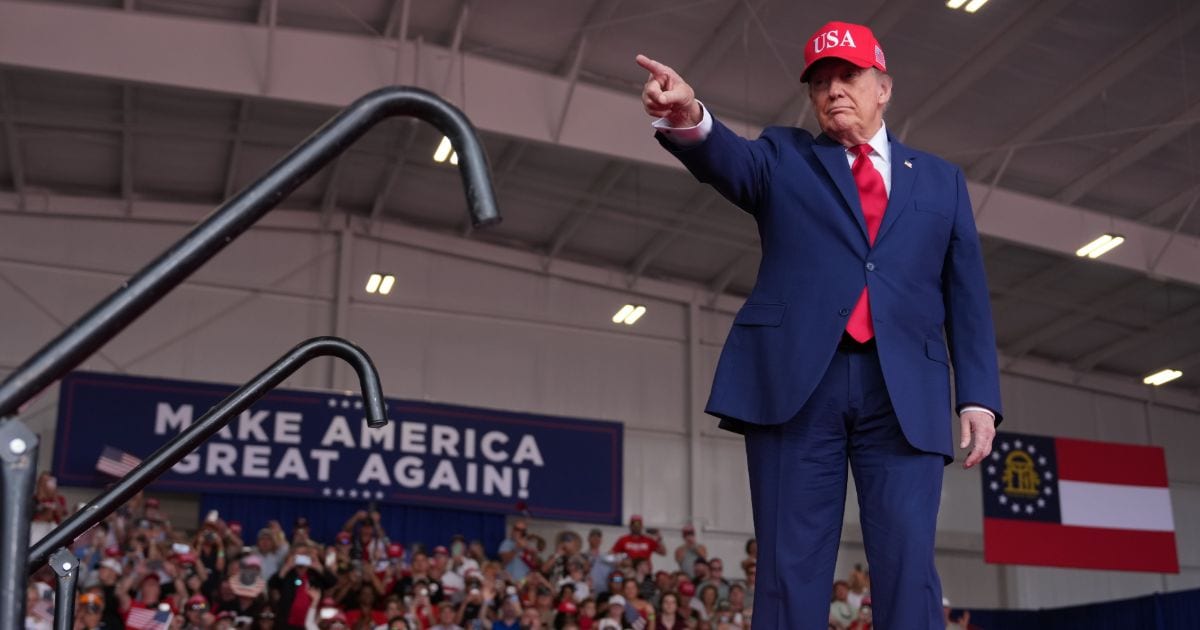
WASHINGTON, DC: During his controversial State of the Union address on Tuesday, President Donald Trump claimed that Iran has missiles that could potentially threaten the US. Trump’s remark came amid the growing tensions between the two countries, sparking speculations about the authenticity of the claim. Let us fact-check it.
Claim: Iran can threaten US with nuclear missiles
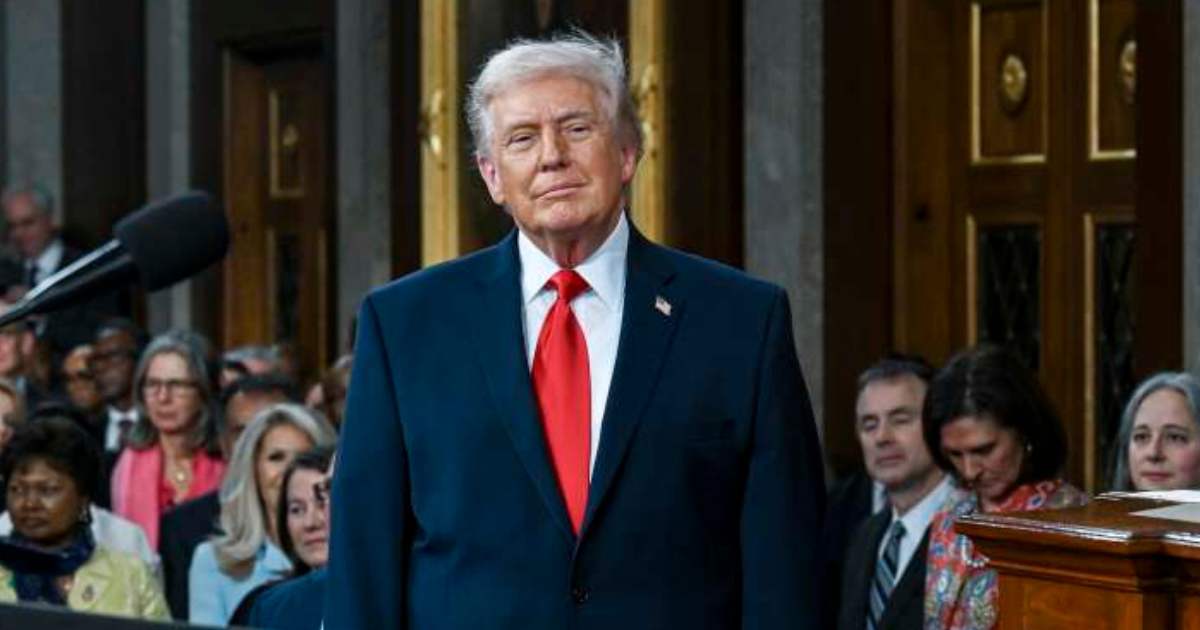
During his Tuesday address, Trump stated that Tehran is working on missiles that 'will soon be reaching the United States.'
Trump also said that while Iran had expressed a desire to make a deal during negotiations, “We haven’t heard those secret words, 'We will never have a nuclear weapon.'”
He said his 'preference is to solve this problem through diplomacy,' but vowed to never 'allow the world’s number one sponsor of terror, which they are by far, to have a nuclear weapon.'
“They’ve already developed missiles that can threaten Europe and our bases overseas, and they’re working to build missiles that will soon reach the United States of America,” Trump said.
Fact Check: Iran's missiles can only target US bases in the Gulf
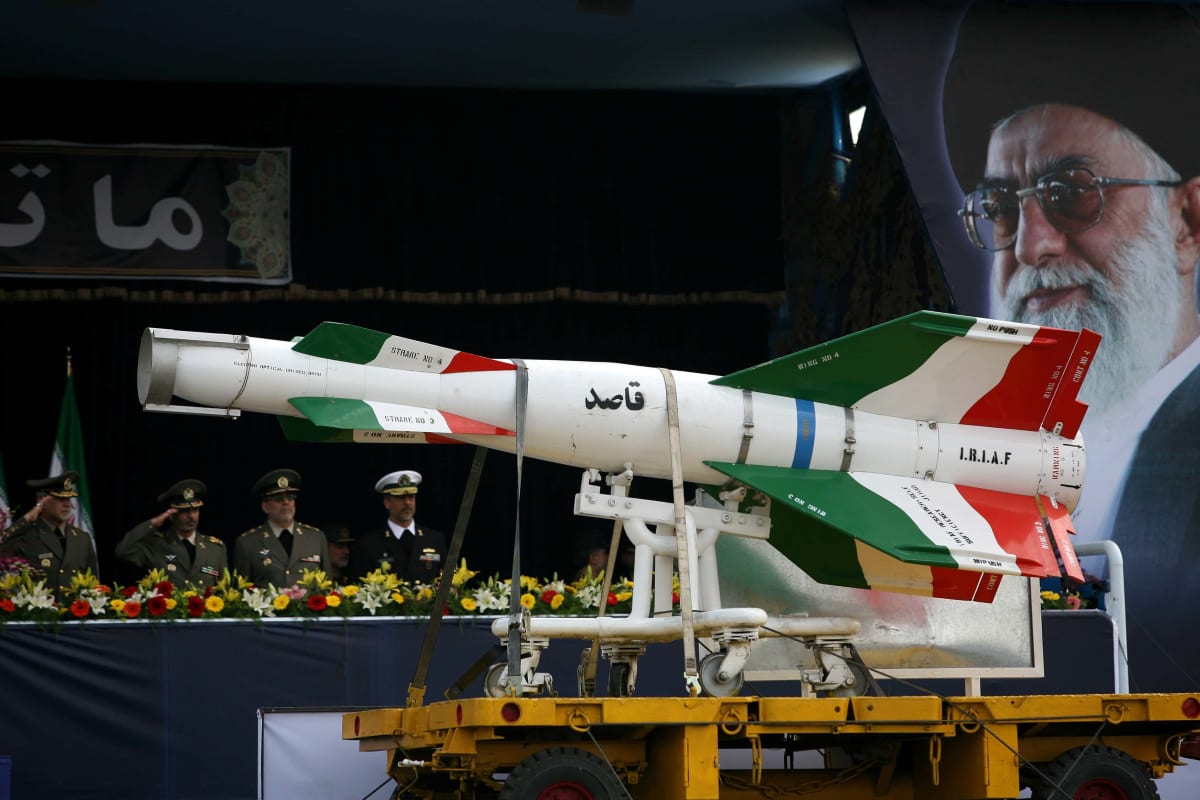
However, experts disagree with Trump’s remark, stating that Iran's missile program could potentially target US bases in the Middle East but cannot reach intercontinental targets, as stated by the Institute for National Security Studies.
Iran's short- and medium-range ballistic missiles are capable of striking military installations in the United Arab Emirates, Saudi Arabia, Kuwait, and Qatar. But as of now, Iran lacks functional intercontinental ballistic missiles that could target the US mainland or Western Europe.
Though the regional US bases in the Gulf are within Iran’s missile range, no verified evidence supports the president’s exaggerated claims.
US-Iran talks in Geneva show significant progress
We have finished the day after significant progress in the negotiation between the United States and Iran. We will resume soon after consultation in the respective capitals. Discussions on a technical level will take place next week in Vienna. I am grateful to all concerned for…
— Badr Albusaidi - بدر البوسعيدي (@badralbusaidi) February 26, 2026
The US and Iran held high-stakes nuclear talks in Geneva on Thursday, February 26, marking a third round of indirect negotiations as Trump intensified pressure on Tehran with the threat of possible military action.
The talks were mediated by Oman, a key regional intermediary in the US-Iran diplomacy.
Omani Foreign Minister Badr al-Busaidi said in a post on X that the talks had ended with 'significant progress in the negotiation.'
He added that discussions would resume after consultations in the respective capitals, with technical talks expected to begin next week in Vienna. Al-Busaidi said both sides showed 'openness to new and creative ideas.'