Fact Check: Is Trump's SOTU claim 'One Big Beautiful Bill' was largest tax cut in history true?
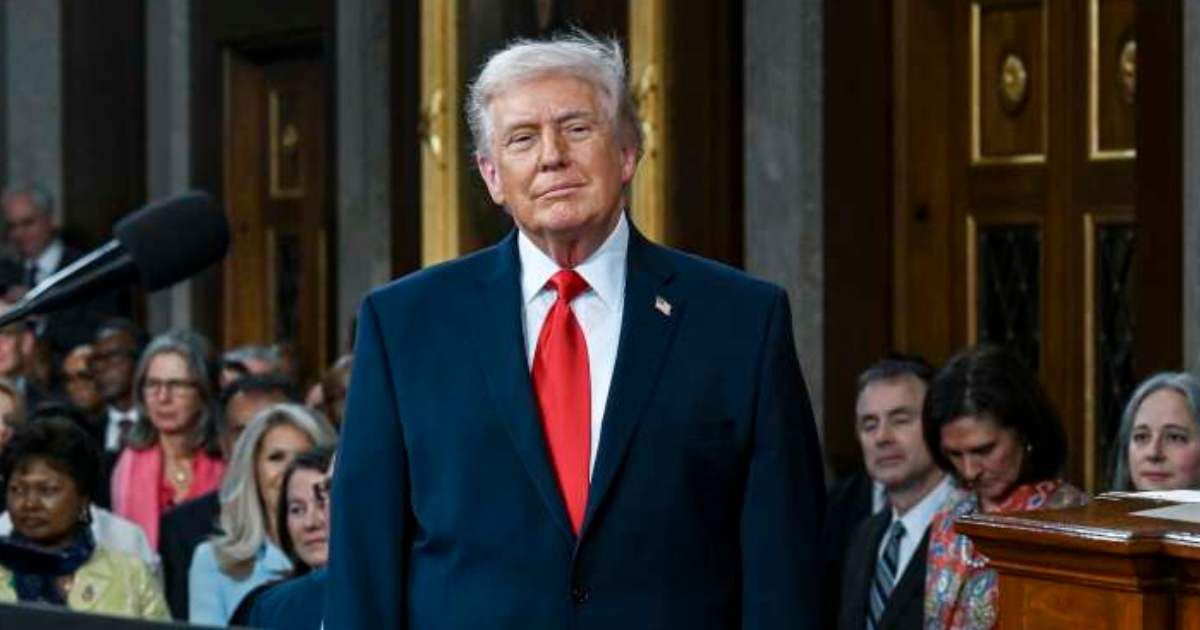
WASHINGTON, DC: President Donald Trump's 'One Big Beautiful Bill' served as a cornerstone of his second-term domestic agenda, and has often been described by the POTUS and supporters as a 'once-in-a-generation' piece of legislation.
Trump went on to claim that the 'One Big Beautiful Bill' was the largest tax cut in history during his recently held State of the Union speech. But is there any truth to his statement? Let us find out below.
Claim: Trump's 'One Big Beautiful Bill' was largest tax cut in history
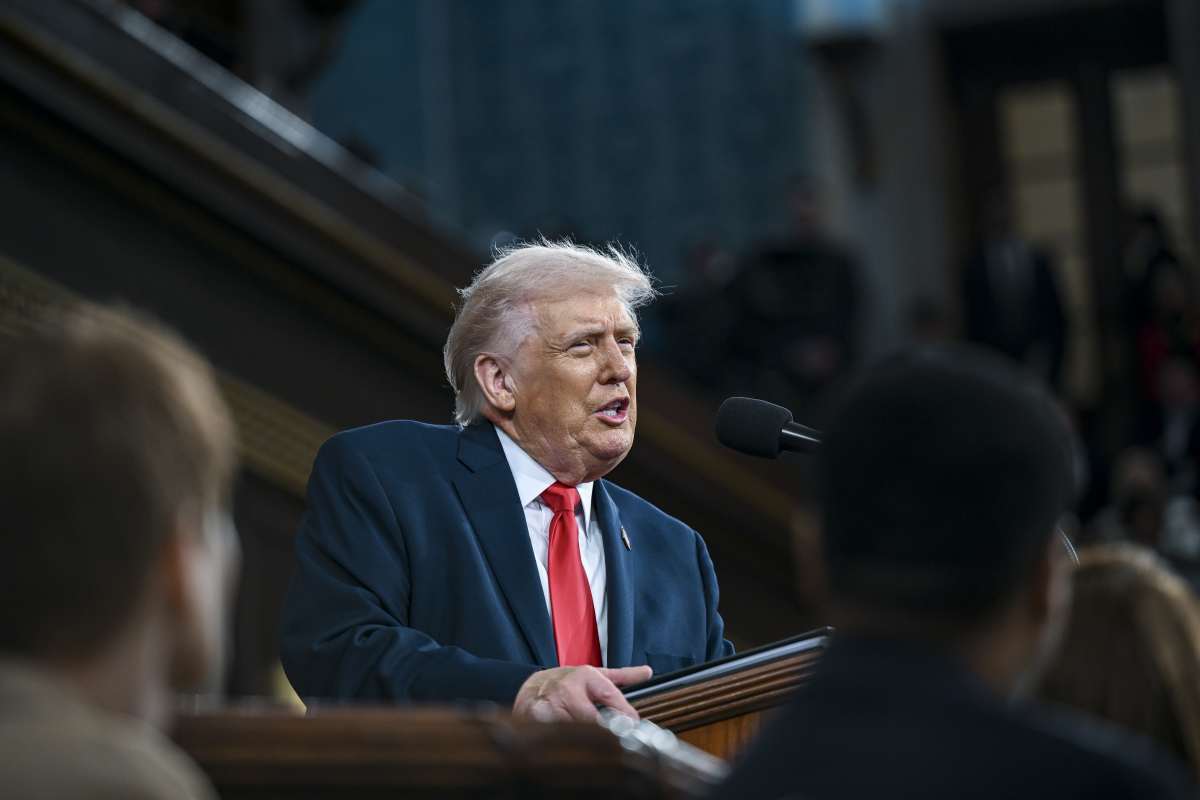
During his SOTU speech on Tuesday, President Trump said, "Last year, I urged this Congress to begin that mission by passing the largest tax cuts in American history, and our Republican Majorities delivered so beautifully."
"All Democrats, every single one of them, voted against these...They wanted large-scale tax increases...but we held strong," the POTUS added.
.@POTUS: Last year, I urged this Congress to begin that mission by passing the largest tax cuts in American history, and our Republican Majorities delivered...All Democrats—every single one of them—voted against these...They wanted large-scale tax increases...but we held strong. pic.twitter.com/3jxPNc2o2k
— Rapid Response 47 (@RapidResponse47) February 25, 2026
The massive bill, passed in July 2025 via budget reconciliation to bypass the Senate filibuster, with narrow party-line votes - House (215–214), Senate (51–50), and final House concurrence (218–214).
The 'One Big Beautiful Bill' combines tax reforms, spending increases in certain areas, and cuts to social programs to offset costs. It provides significant boosts to border security, immigration enforcement, and deportations.
Fact Check: False, tax cuts are sixth largest in American history
The claims made by Donald Trump that the 'One Big Beautiful Bill' was the largest tax cut in history are false, as it is the sixth largest in American history.
The top tax cuts are the Economic Recovery Tax Act of 1981, the Revenue Acts of 1945/1948/1964, and the American Taxpayer Relief Act of 2012. The 'One Big Beautiful Bill' ranks sixth overall since 1940, at 1.40 percent of GDP.
Interestingly, the Revenue Acts of 1945 and 1948 were major postwar tax cuts to relieve Americans from heavy wartime tax burdens. The Revenue Act of 1964 was proposed by Former President Kennedy and signed into law by Former President Johnson to 'reduce the drag on private purchasing power, profits, and employment'.
The data are based on analyzes from the Tax Foundation, CBO, Joint Committee on Taxation, and fact-checking outlets as of early 2026.