Fact Check: Was Khanna the first US politician detained, and did IDF side with settlers?
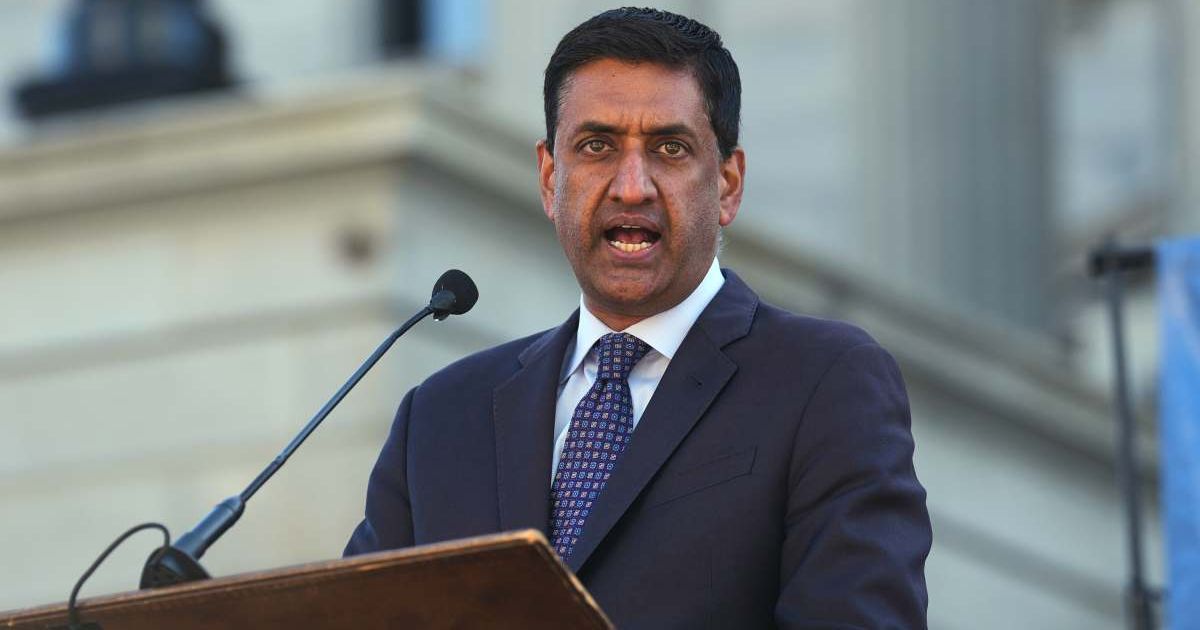
WASHINGTON, DC: Democratic Rep Ro Khanna's account of being stopped by armed Israeli settlers during a visit to the occupied West Bank has ignited a fierce online debate.
In interviews following the July 8 incident, the California congressman made two major claims: that he was "probably the first American politician" detained by Israeli settlers and the Israel Defense Forces (IDF), and that Israeli soldiers sided with the settlers instead of helping his delegation.
While the first claim cannot be conclusively verified, the second remains the central point of dispute between Khanna and the Israeli military.
Claim: Ro Khanna accused IDF of aiding settlers
Israeli settlers, brandishing American made M4s, detained me & other Americans on my trip to Palestine.
— Ro Khanna (@RoKhanna) July 11, 2026
When the IDF arrived, they sided with the settlers & continued our detention.
They made a huge mistake.
You will be hearing more soon. https://t.co/rZw8bRAn64 pic.twitter.com/4z50Ye4I7K
Khanna told Reuters and other media outlets that armed Israeli settlers blocked his vehicle in the southern West Bank before Israeli soldiers arrived.
According to Khanna, rather than clearing the road, IDF personnel moved a military vehicle into position, further preventing his delegation from leaving.
Democratic Congressman Ro Khanna DETAINED by Israeli Settlers during West Bank visit pic.twitter.com/QwKj2aALDe
— Ryan Rozbiani (@RyanRozbiani) July 11, 2026
His aide, Cameron Kasky, publicly backed that version of events, and a New York Times photographer embedded with the delegation documented portions of the confrontation.
The remarks quickly spread across social media, with many users citing Khanna's account as evidence that Israeli forces had actively assisted settlers during the incident.
Thank you to all those who reached out asking about my safety. I am home. But I cannot get the stories of the indignities Palestinian face out or my head. I am still processing it and wanted to share some of what I saw. pic.twitter.com/jj8S59duKz
— Ro Khanna (@RoKhanna) July 12, 2026
Fact Check: Disputed
The claim cannot currently be verified because Khanna's account directly conflicts with the official version released by the IDF.
In a statement issued after the incident, the Israeli military said troops were dispatched after receiving reports of civilians blocking the road.
According to the IDF, troops were dispatched after receiving reports of the blockade and "quickly dispersed the Israeli civilians" before reopening the road.
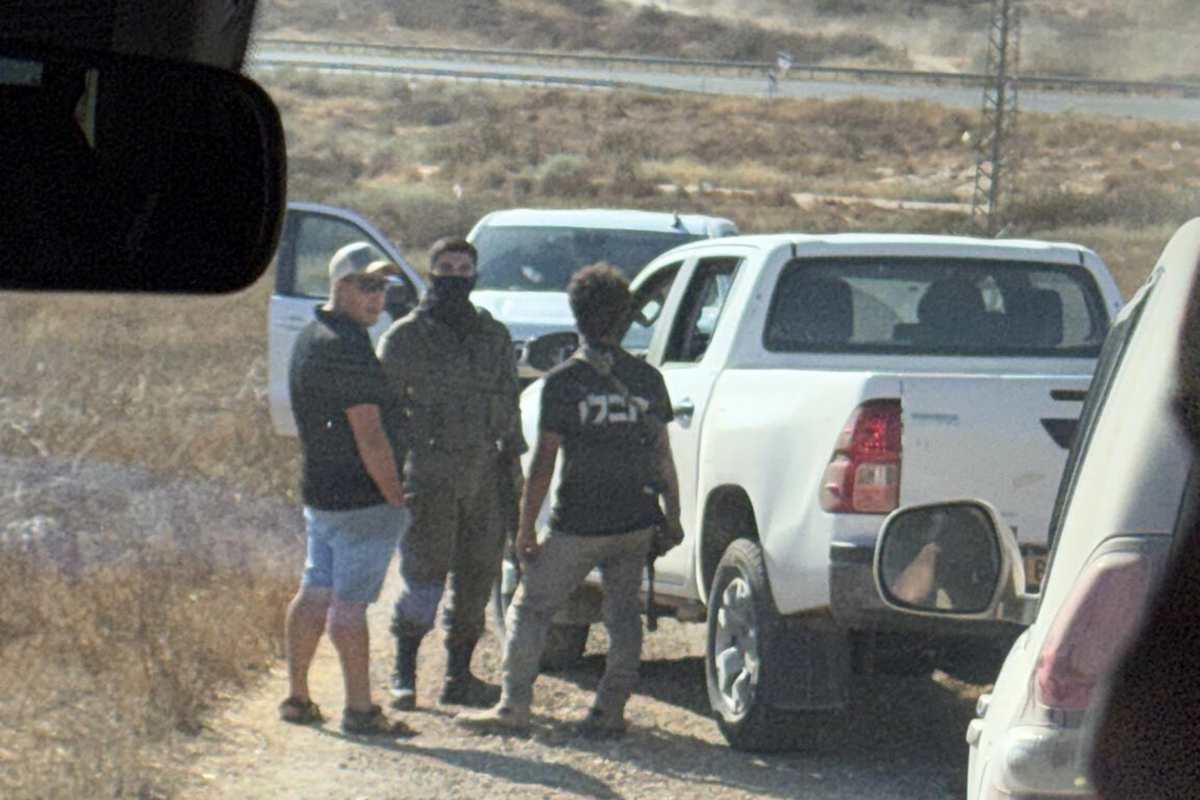
The military insisted that its soldiers "did not take part in blocking the road" and said it is reviewing the identity of the armed civilian involved in the incident, indicating that the settlers' actions remain under investigation.
That account is fundamentally different from Khanna's description, in which soldiers allegedly worsened the blockade after arriving.
At present, no publicly released photo or video conclusively shows what occurred after Israeli troops reached the scene.
Although a New York Times photographer was present, published images do not establish whether soldiers blocked or cleared the roadway.
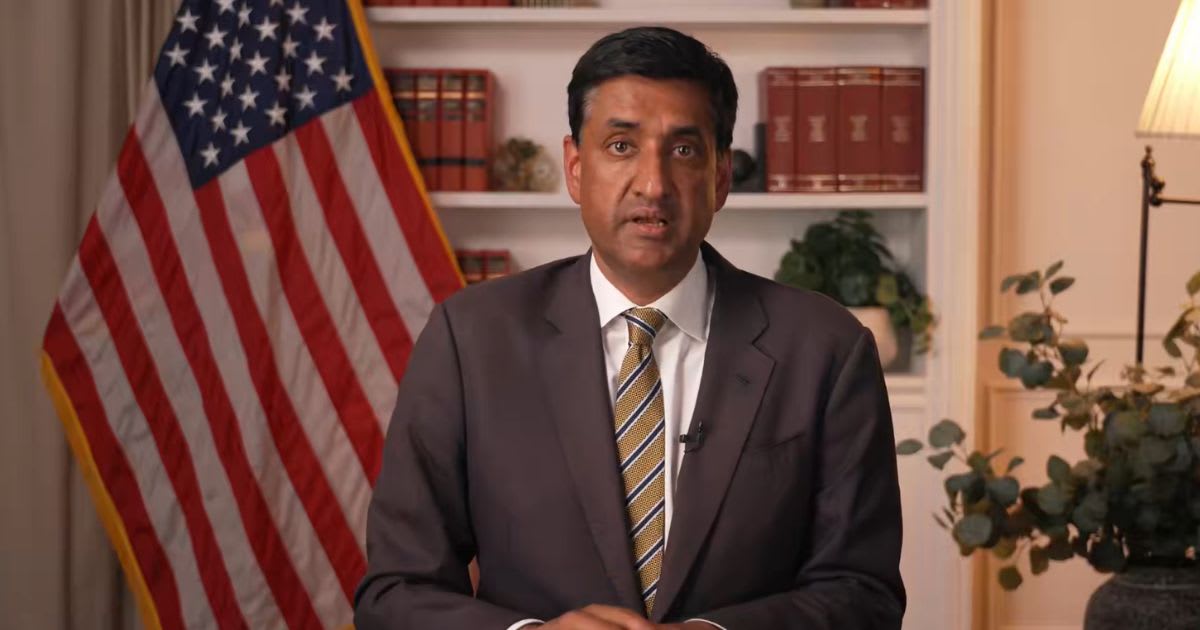
Because the available evidence does not independently confirm either version, neither account can presently be treated as established fact.
What about Khanna's 'first American politician' detained claim?
Khanna also said he was "certainly probably the first American politician who's been detained by the IDF and Israeli settlers."
That claim is unverified rather than false.
His own use of the qualifier "probably" acknowledges uncertainty, and no comprehensive historical record exists documenting every interaction between American elected officials and Israeli security forces.

Comparable incidents involving foreign diplomatic delegations, journalists, activists and aid workers have occurred in the West Bank over the years.
However, no publicly documented case has conclusively established that a sitting American member of Congress previously experienced circumstances identical to those described by Khanna.