Fatal ICE shooting of Renee Good: Reports outline injuries and medical response timeline
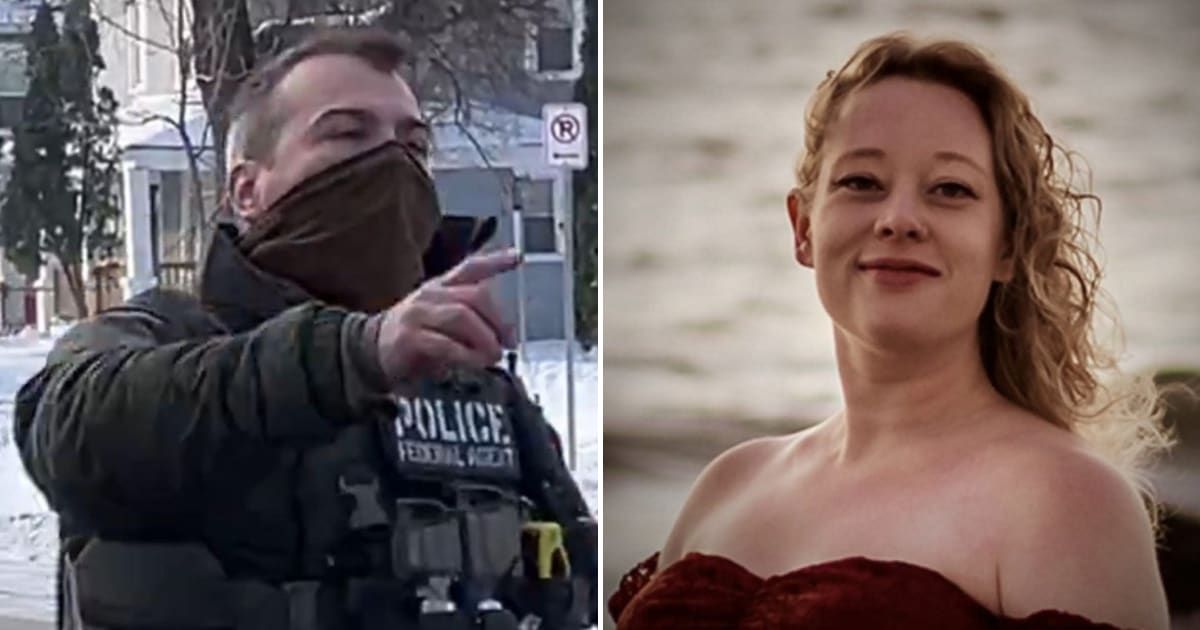
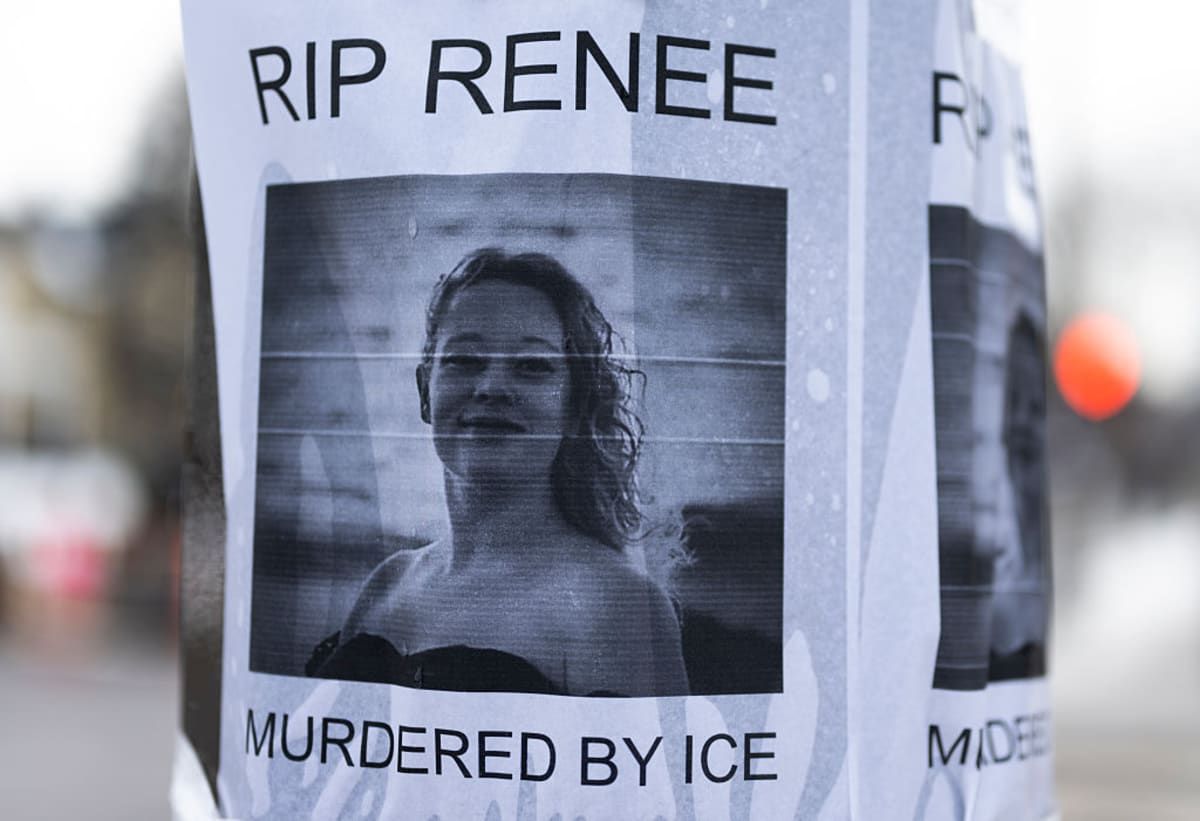
MINNEAPOLIS, MINNESOTA: Newly obtained police and fire department reports are providing additional details about the fatal shooting of 37-year-old Renee Good during an Immigration and Customs Enforcement (ICE) operation in Minneapolis earlier this month.
The documents outlined the nature of Good’s injuries and the emergency medical response following the shooting on January 7.
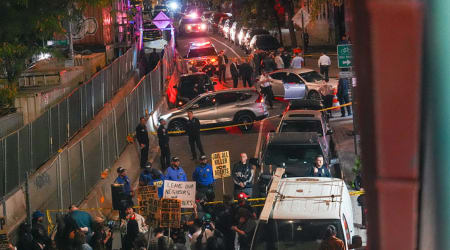
The release of the reports comes as state leaders continued to call for calm amid heightened political tensions surrounding federal immigration enforcement.
Reports outline injuries and emergency medical response
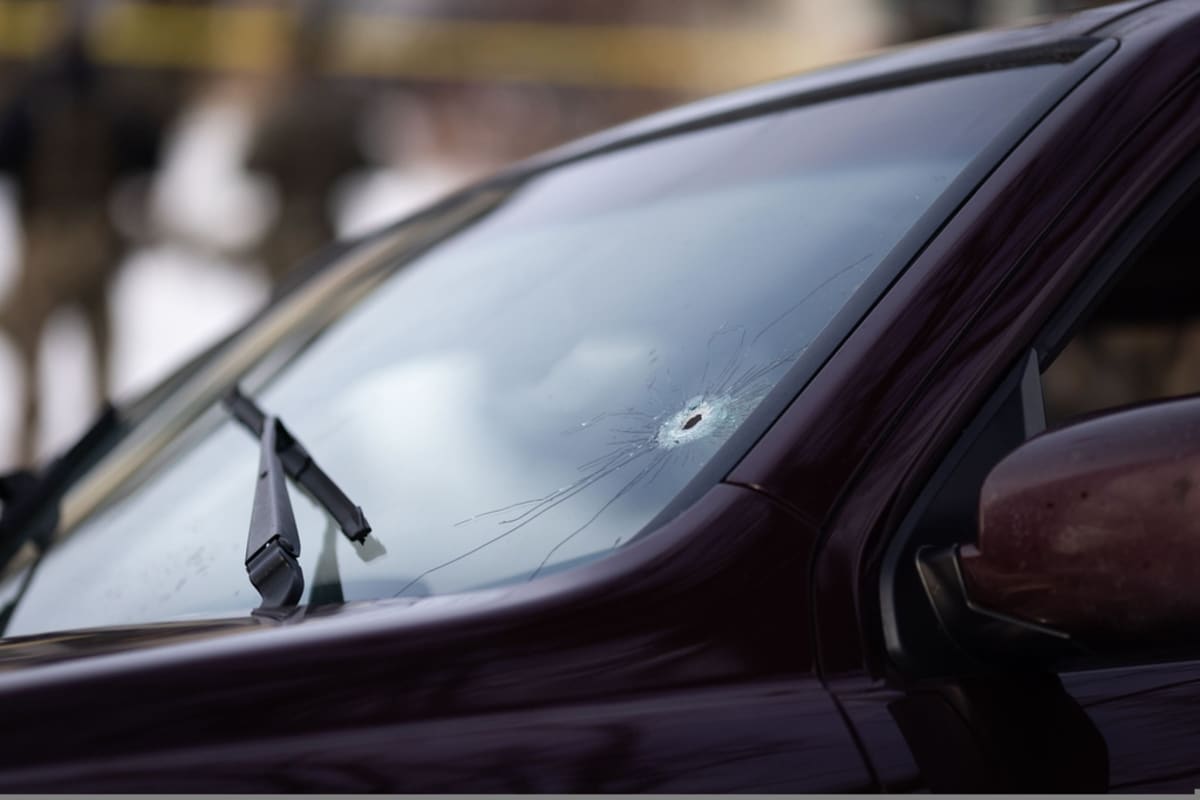
According to Minneapolis police and Fire Department records obtained by WCCO, Renee Good sustained at least three gunshot wounds during the fatal incident.
The reports stated that Good suffered gunshot wounds to her chest and left arm, as well as a possible gunshot wound to her head.
Emergency medical responders arrived at the scene shortly after the shooting. The documents indicated that paramedics began providing care at approximately 9.42 am, roughly five minutes after Good was shot.
When first responders arrived, Good was described as unresponsive, with visible blood on her face and torso.
The reports further noted that Good was not breathing and exhibited irregular and inconsistent pulse activity when paramedics assessed her condition.
Life-saving measures were initiated at the scene before she was transported to Hennepin Healthcare in downtown Minneapolis.
Despite continued medical intervention, the documents state that resuscitation efforts were discontinued at 10.30 am at the hospital.
Good was pronounced dead shortly thereafter. Authorities have not released additional medical details beyond what was contained in the police and fire reports.
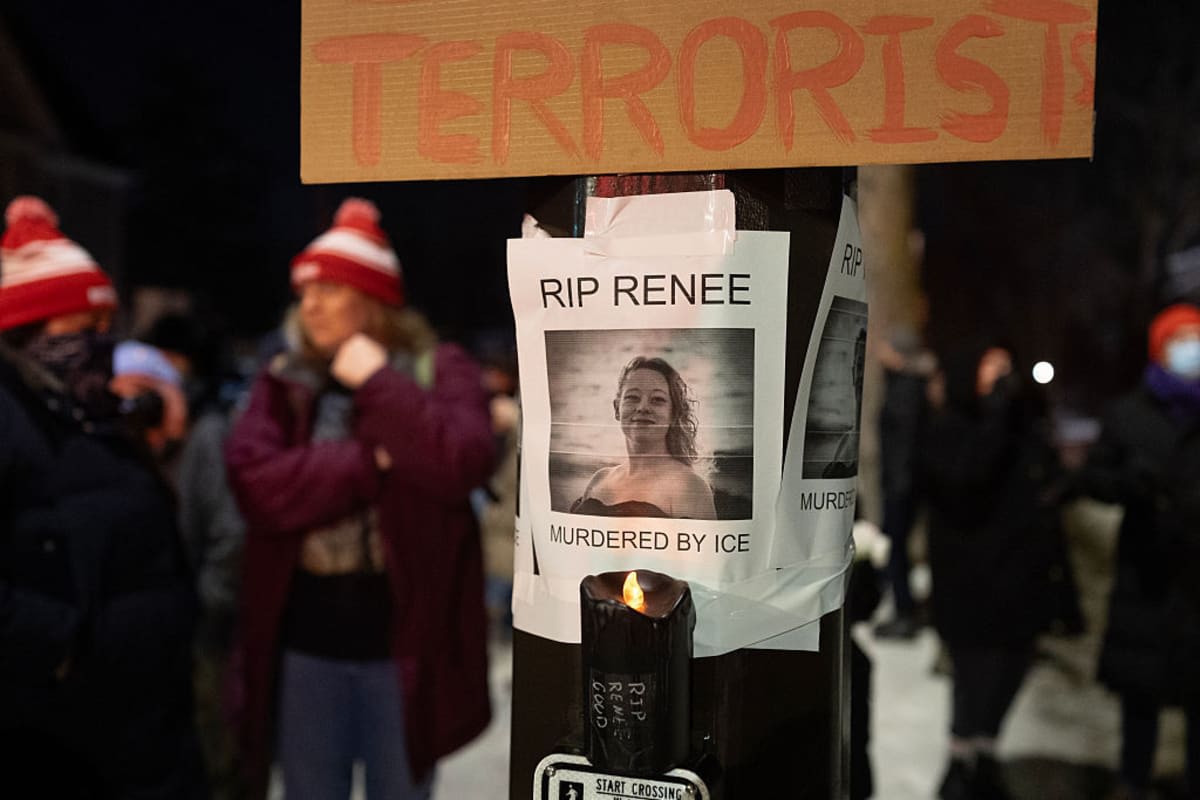
The fatal shooting occurred during an ICE enforcement operation and has been the subject of ongoing investigation and public debate.
Federal officials had previously stated that the shooting involved ICE agent Jonathan Ross and characterized the incident as an act of self-defense.
Political response and agent Jonathan Ross' injuries
Minnesota Governor Tim Walz has called on President Donald Trump to “lower the temperature,” urging restraint and de-escalation after he threatened to unleash the 'Insurrection Act' following days of protests and heightened tensions.
Walz’s office said efforts were underway to communicate directly with the White House, though no confirmed contact has been reported.
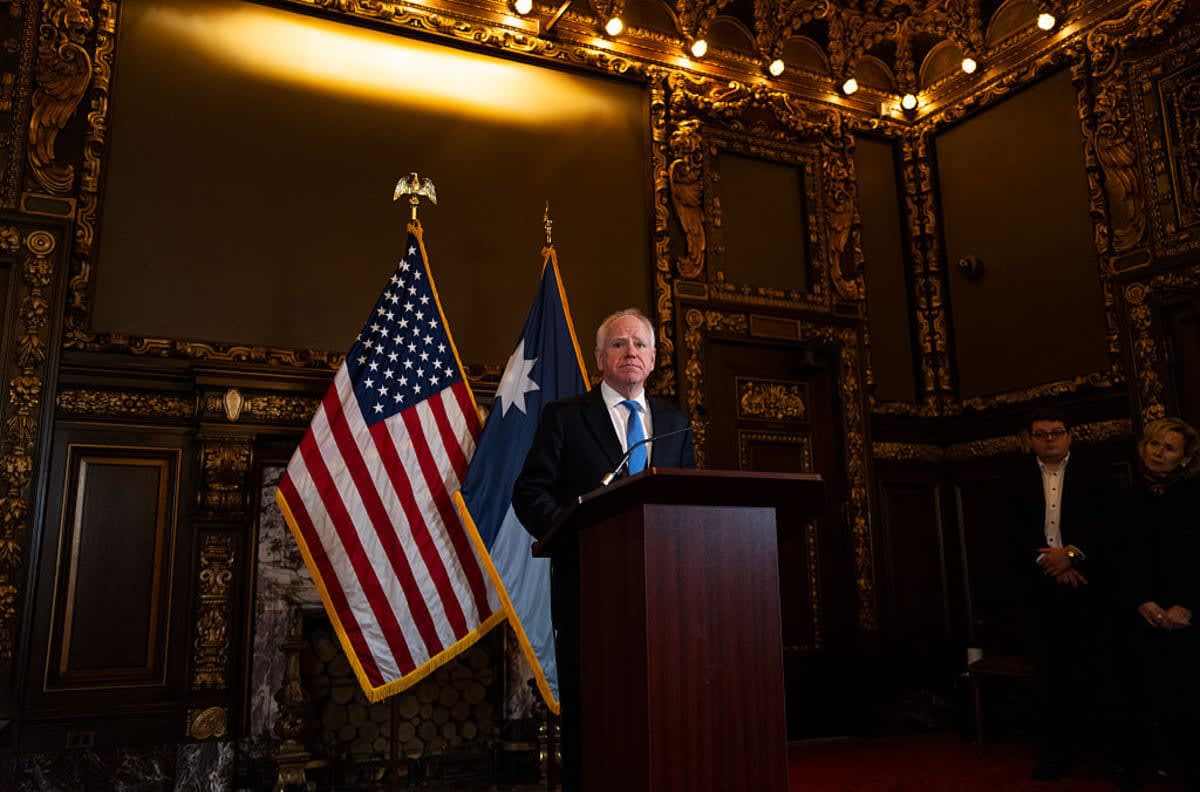
ICE officials, along with the White House, have criticized Walz’s public statements, accusing him of using what they described as “hostile, anti-inflammatory” rhetoric toward federal agents.
That criticism has been echoed by some Republican lawmakers, including Minnesota House Speaker and gubernatorial candidate Lisa Demuth.
“Gov Walz says he wants to turn the temperature down. The solution is simple: Minnesota should be honoring requests by the federal government to hold criminals that are here illegally that are already in our jails, rather than release them onto our streets, so that they can be detained by ICE in an orderly and safe manner,” Demuth said in a statement.

Federal officials have confirmed that ICE agent Jonathan Ross was injured during the incident and suffered internal bleeding in his torso.
Homeland Security Secretary Kristi Noem previously said that Ross was treated at a hospital and released the same day.
The shooting of Good has continued to fuel protests and political fallout across Minnesota as investigations remain ongoing.