FEMA braces for hurricane months amid worse staffing crisis: 'Holding our breath'
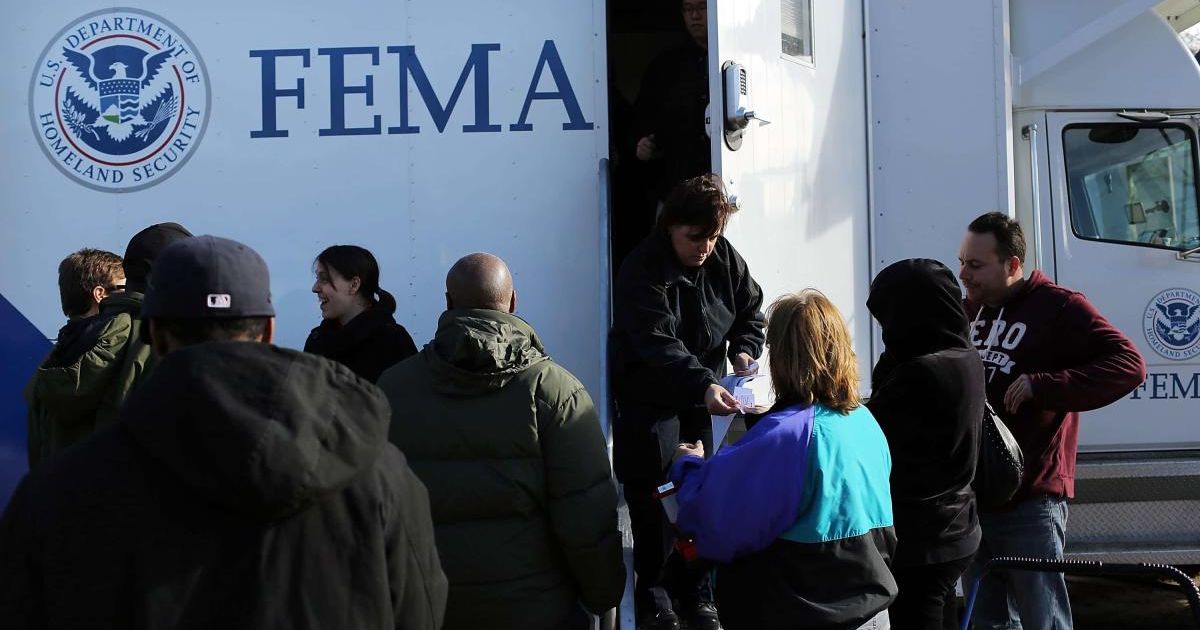
WASHINGTON, DC: The United States is entering hurricane season with its smallest federal disaster-response workforce since 2021, a growing backlog of disaster aid requests and multiple vacancies in key emergency management positions.
Forecasters expect between three and six hurricanes this season, putting communities across the Gulf Coast, Southeast and Atlantic seaboard on alert for potentially destructive storms. Although forecast falls below the long-term average, emergency managers warn that even a single major hurricane can cause billions of dollars in damage and test the federal government's ability to respond.
Forecasted storm threat meets reduced federal disaster workforce
The National Oceanic and Atmospheric Administration (NOAA) recently projected three to six hurricanes during the 2026 season. While lower than average, emergency officials note that storm severity, rather than storm count, often determines the scale of destruction.
The federal disaster-response agency enters the season with its smallest workforce since 2021. According to federal employment records, FEMA's staffing fell from nearly 26,000 employees in January 2025 to about 21,100 by March 2026, representing a decline of nearly 20 per cent.
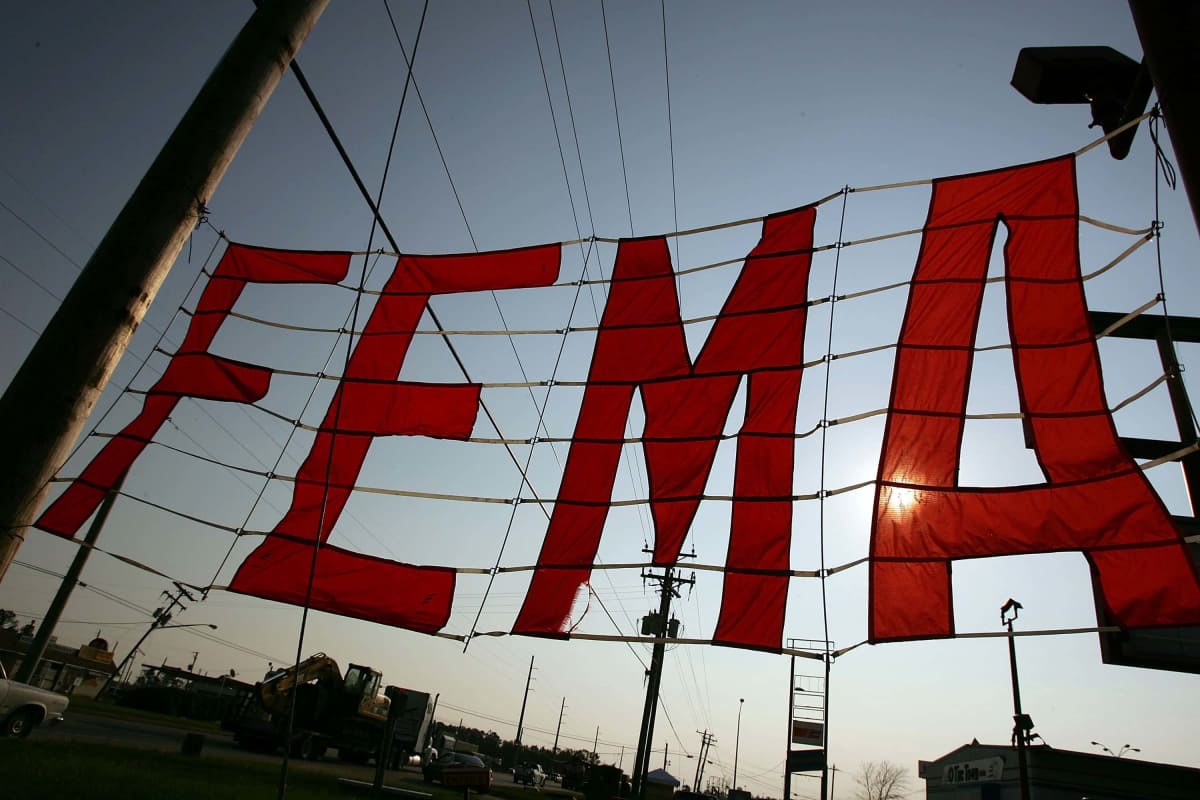
The agency's senior ranks have also been affected. FEMA's career leadership workforce has reportedly declined by roughly 35 per cent, while nine of its 18 leadership positions remain vacant. Six of FEMA's 10 regional offices currently lack permanent administrators.
President of the International Association of Emergency Managers, Josh Morton said, “FEMA has lost a lot of higher level people with a lot of experience and a lot of knowledge over the past year and a half.”
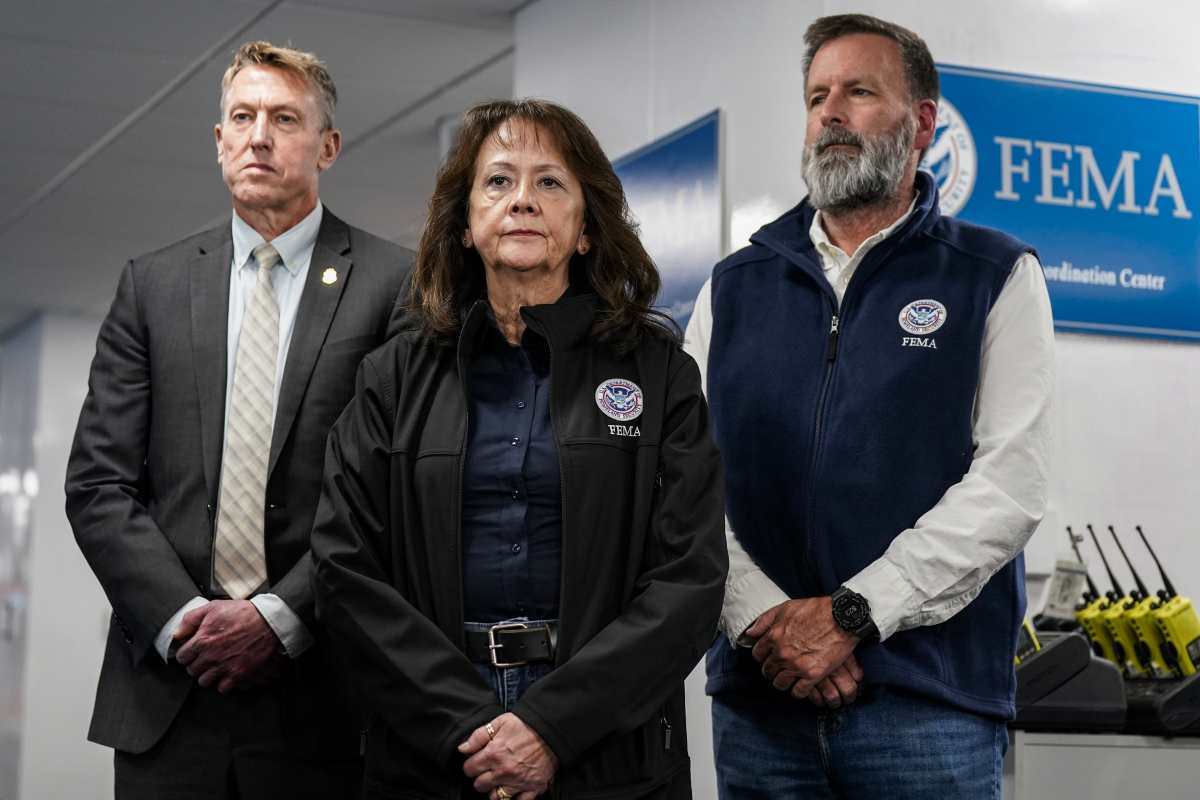
FEMA maintains that it remains ready. “FEMA is fully prepared for hurricane season,” the agency said in a statement, adding that the administration is committed to ensuring disaster survivors receive assistance “as quickly and efficiently as possible.”
“There is a feeling of holding our breath, hoping for an easy season again,” said Judson Freed, a past president of the International Association of Emergency Managers.

The Government Accountability Office (GAO) has previously warned that workforce reductions could intensify existing challenges during large-scale disasters. Following Hurricanes Helene and Milton in 2024, the GAO found that staffing pressures had already strained response operations before recent workforce reductions.
What smaller disaster response workforce could mean for communities
The concerns over FEMA's capacity come even as weather-related disasters continue to grow in scale and cost. According to Climate Central, 2025 was the third-costliest year on record for billion-dollar weather and climate disasters, with 23 separate events causing 276 deaths and an estimated $115 billion in damages.
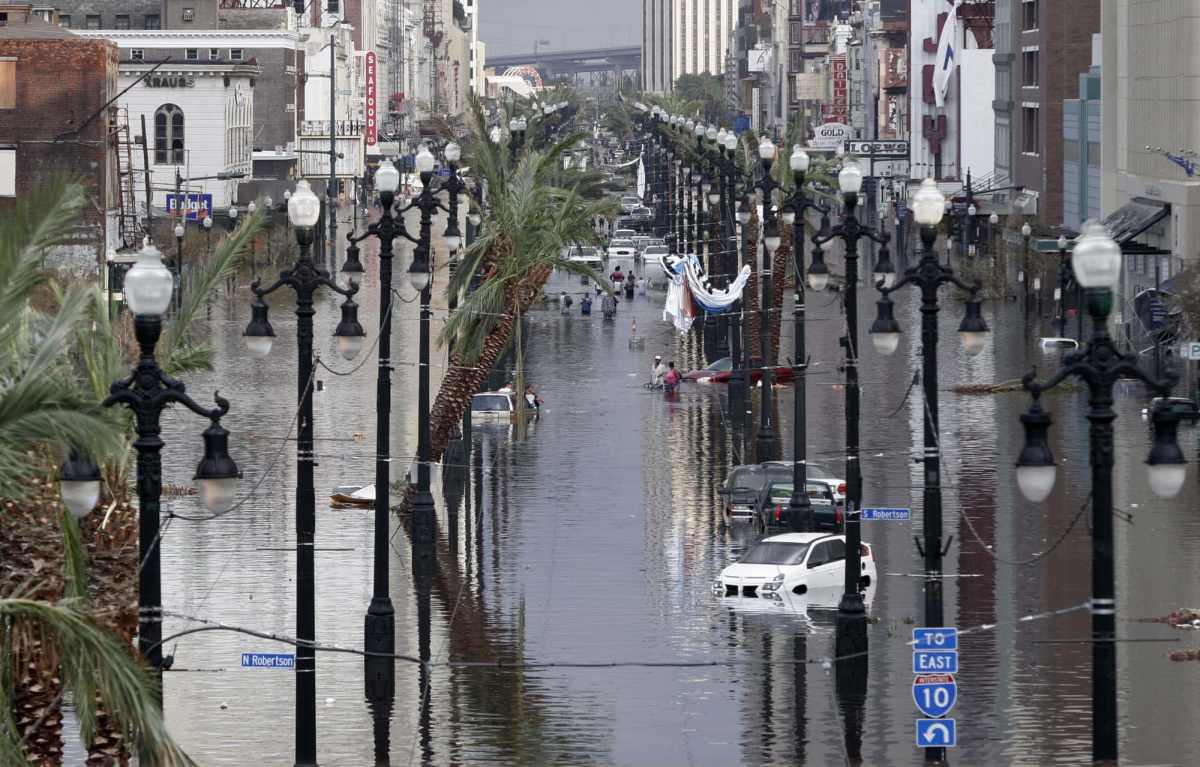
Meteorologists noted that three Category 5 hurricanes formed during the last year's season, only the second time that has occurred. Experts said favorable weather patterns helped steer some of the strongest storms away from heavily populated areas.
“We were just lucky that meteorological conditions helped steer away those very powerful storms... it would have been an even costlier year,” climate economist Adam Smith said.
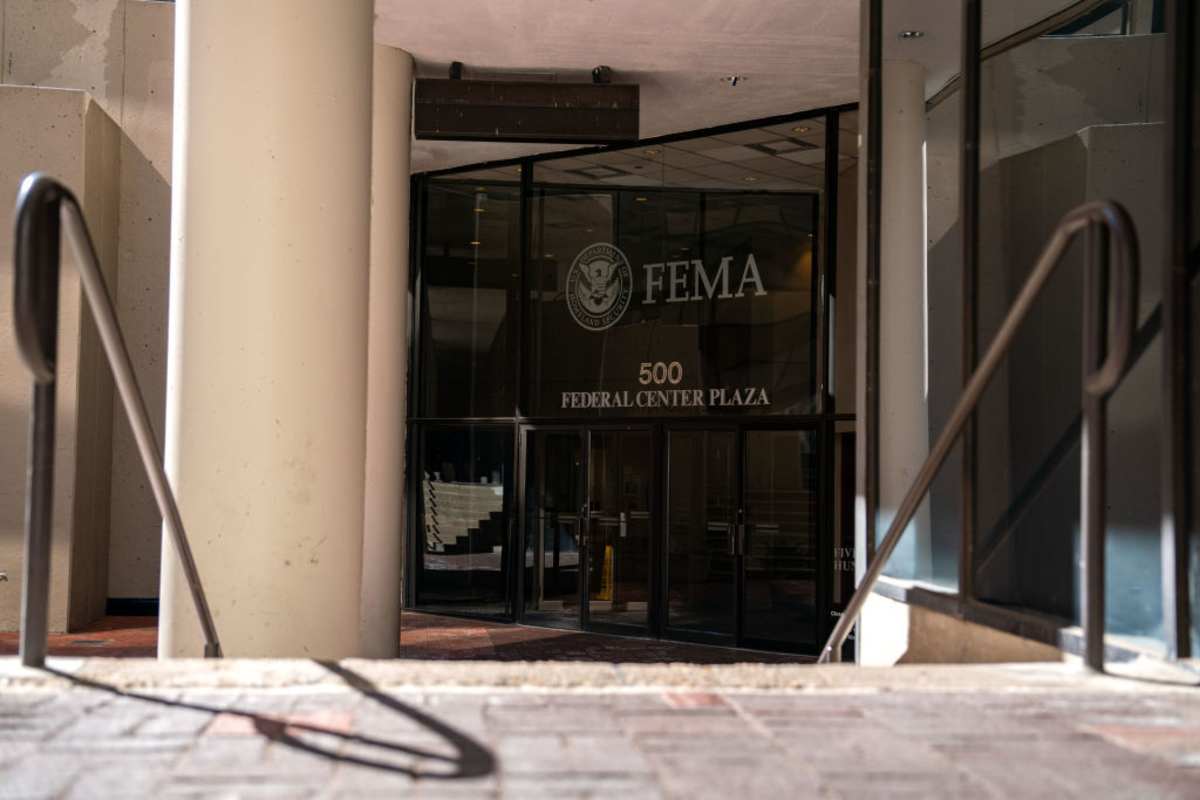
At the same time, FEMA is managing a backlog of disaster requests from states and tribal governments. Federal records show 23 pending disaster declarations as of late May, the highest number recorded for that date since at least 2017.