Trump vs. Kaitlan Collins: 10 times their long-running feud went nuclear
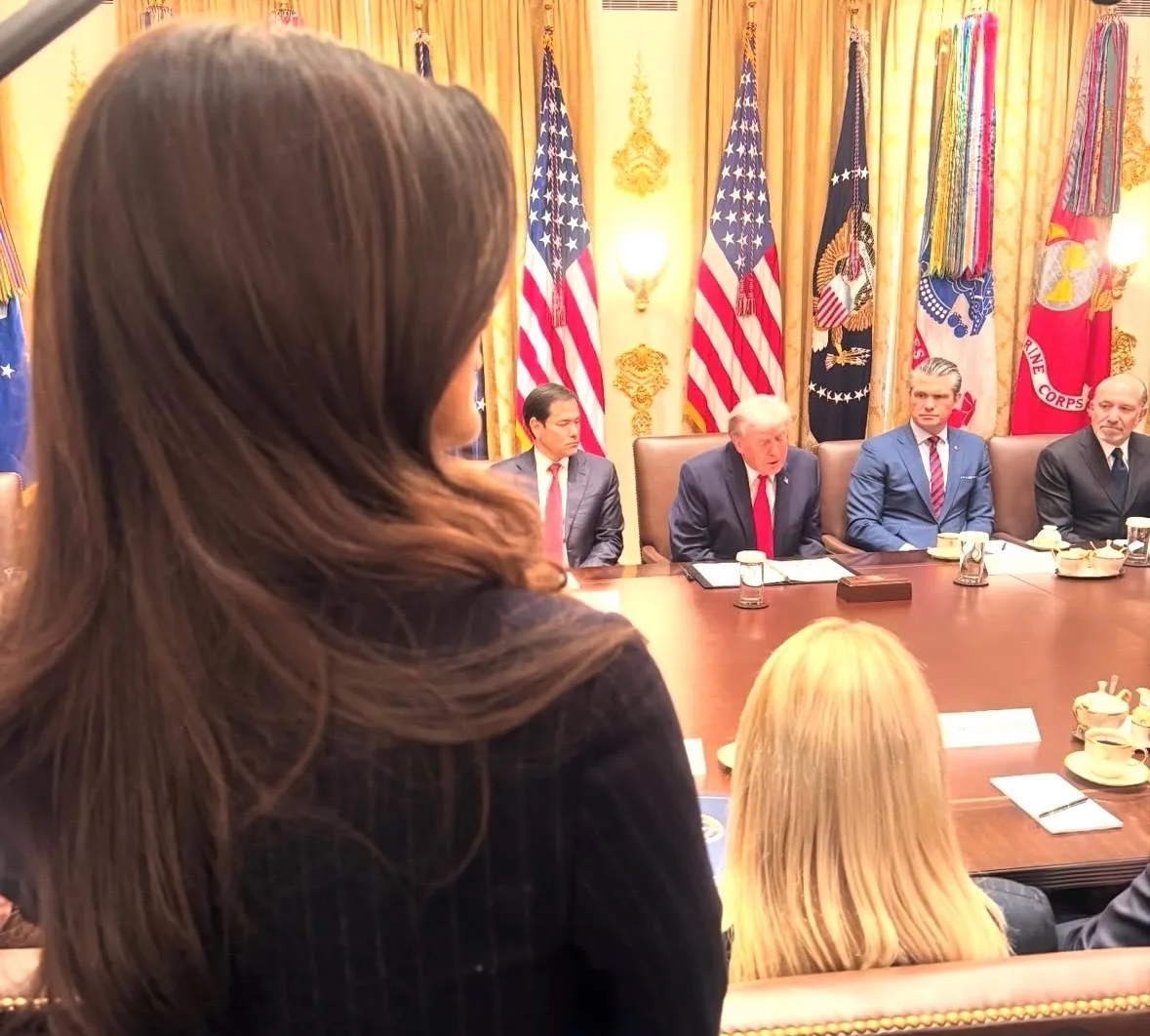
Collins barred from White House event
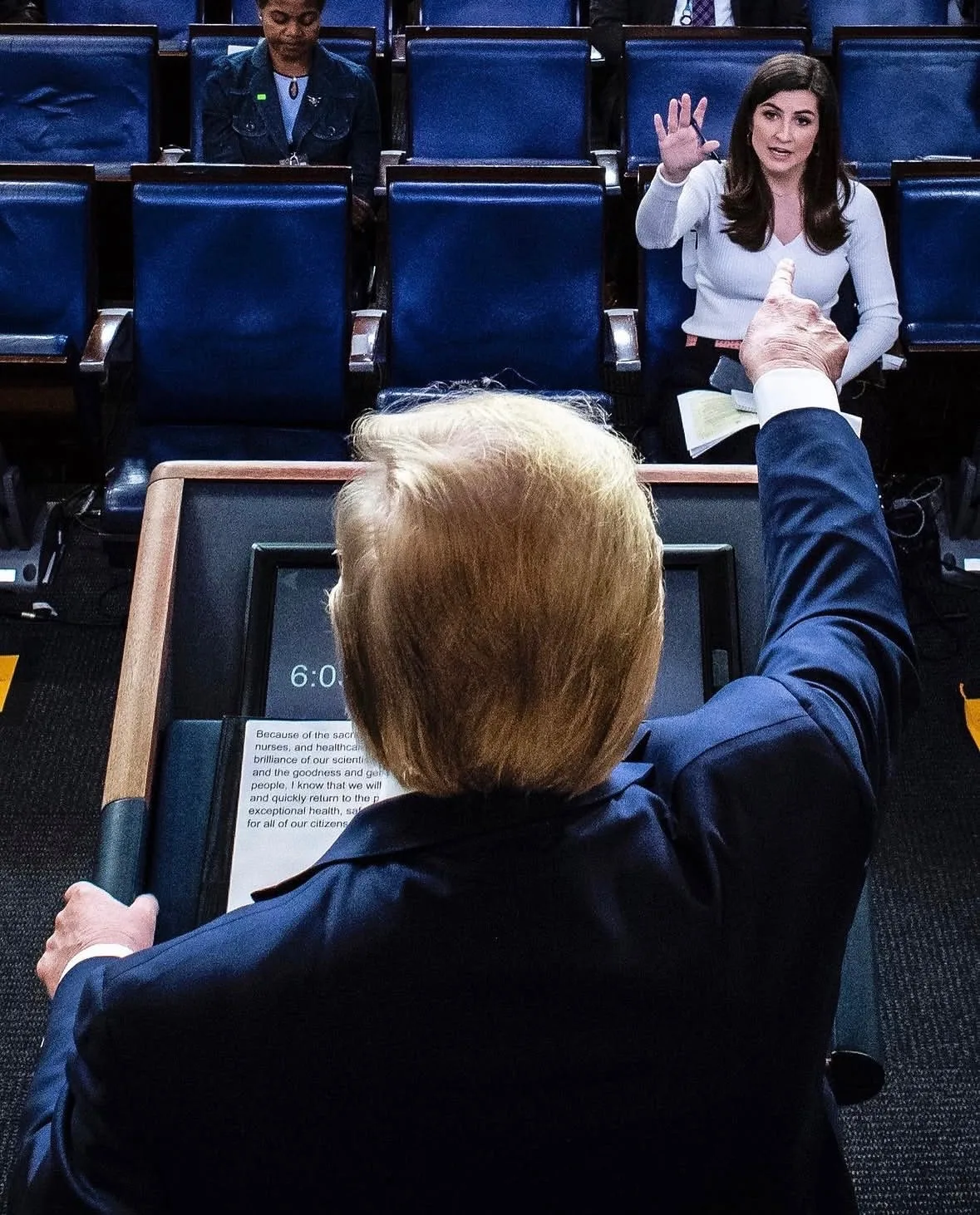
The first major flashpoint came during Trump's first term after Collins questioned the president in the Oval Office about Russian President Vladimir Putin and former attorney Michael Cohen. Hours later, Collins was denied access to a Rose Garden press event. White House officials said she had shouted questions and refused to yield the floor, a characterization she disputed.
Trump calls Collins a 'nasty person'
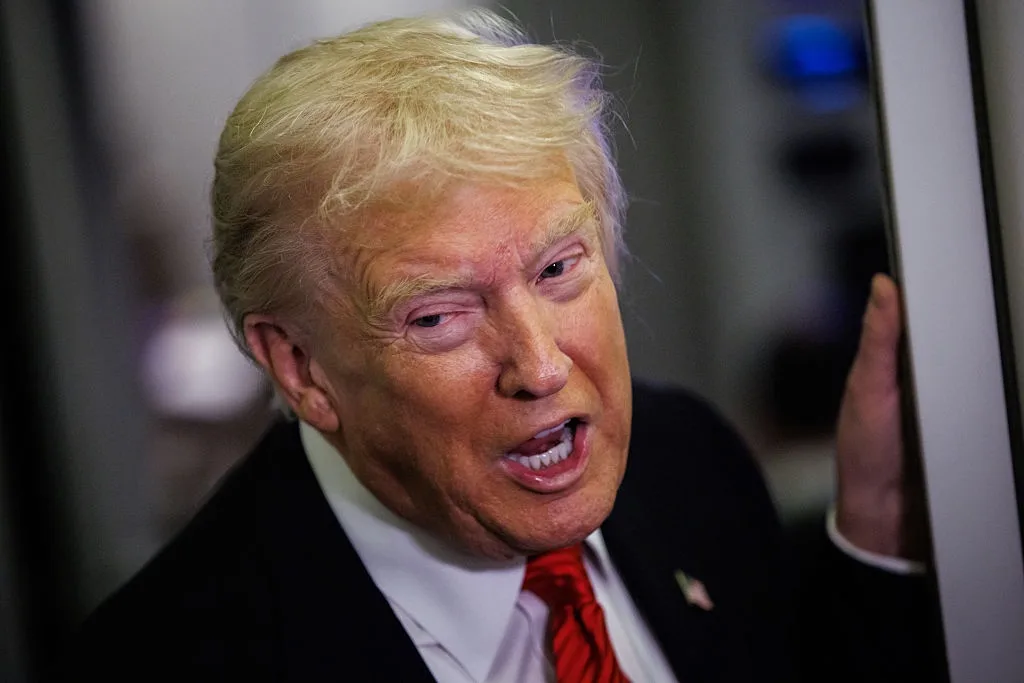
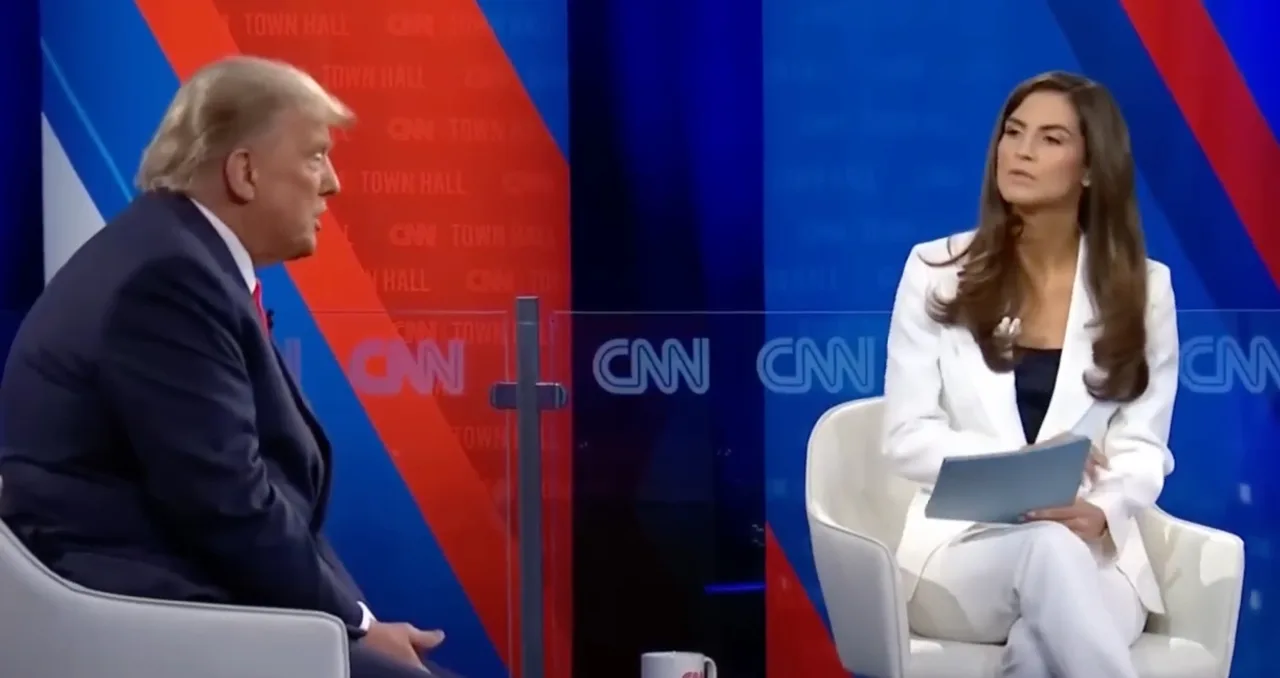
The feud returned to center stage during CNN's New Hampshire town hall shortly after Trump announced his 2024 presidential campaign. As Collins repeatedly challenged him on classified documents, the 2020 election and Jan 6, Trump responded by calling her "a nasty person." The exchange became one of the defining moments of the event, highlighting Trump's combative approach toward journalists who pressed him with follow-up questions.
'You're the worst reporter'
After returning to the White House, Trump resumed his verbal sparring with Collins. During an Oval Office question-and-answer session, Collins asked about files related to Jeffrey Epstein. Before fully addressing the question, Trump dismissed her as "the worst reporter" and criticized CNN's coverage.
'You never smile'
The same Oval Office exchange took an unusually personal turn when Trump shifted from criticizing Collins' reporting to commenting on her demeanor. "You never smile," he remarked before suggesting she should smile more. The comments sparked renewed debate over the treatment of female journalists covering the White House.
'Hatred in your eyes'
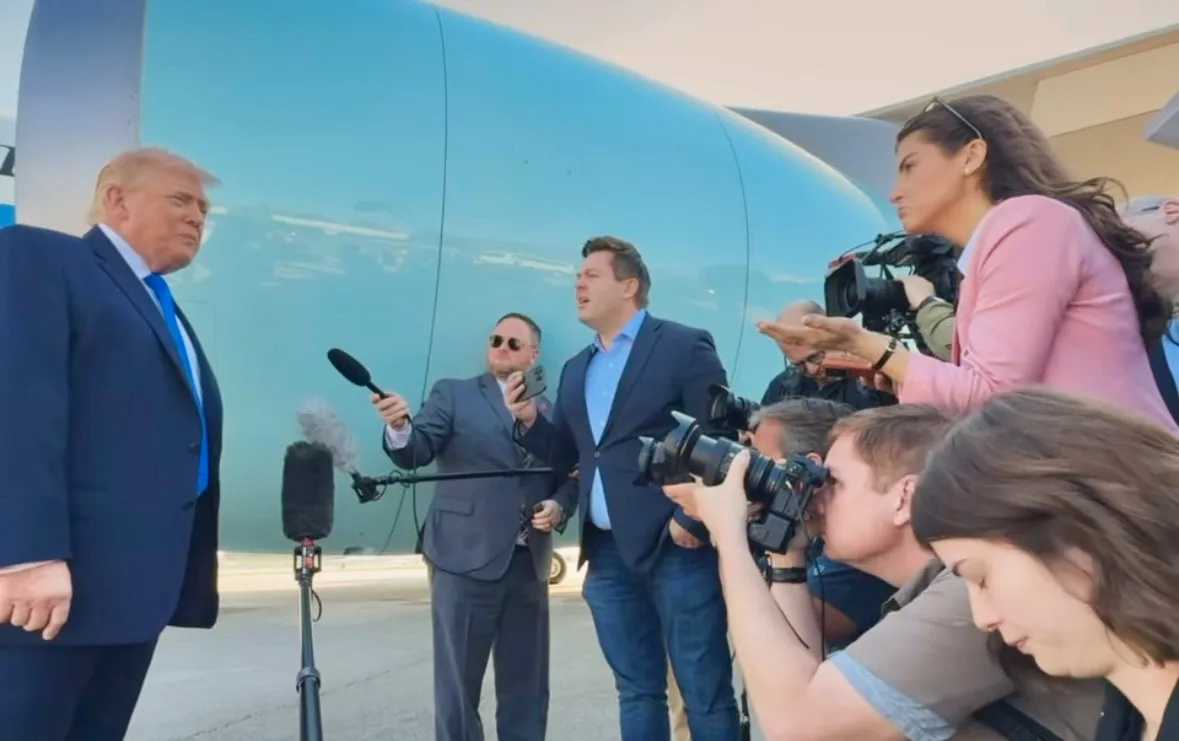
Several months later, Trump again targeted Collins during a White House press availability. Before she had finished asking her question, Trump accused her of having "hatred in your eyes," dismissing both the reporter and CNN while moving on to other members of the press corps.
'Be quiet'
The confrontation escalated moments later when Collins attempted to continue questioning the president. Trump cut her off with a blunt "Be quiet," ending the exchange before calling on another reporter.
Personal jabs overshadow the jokes
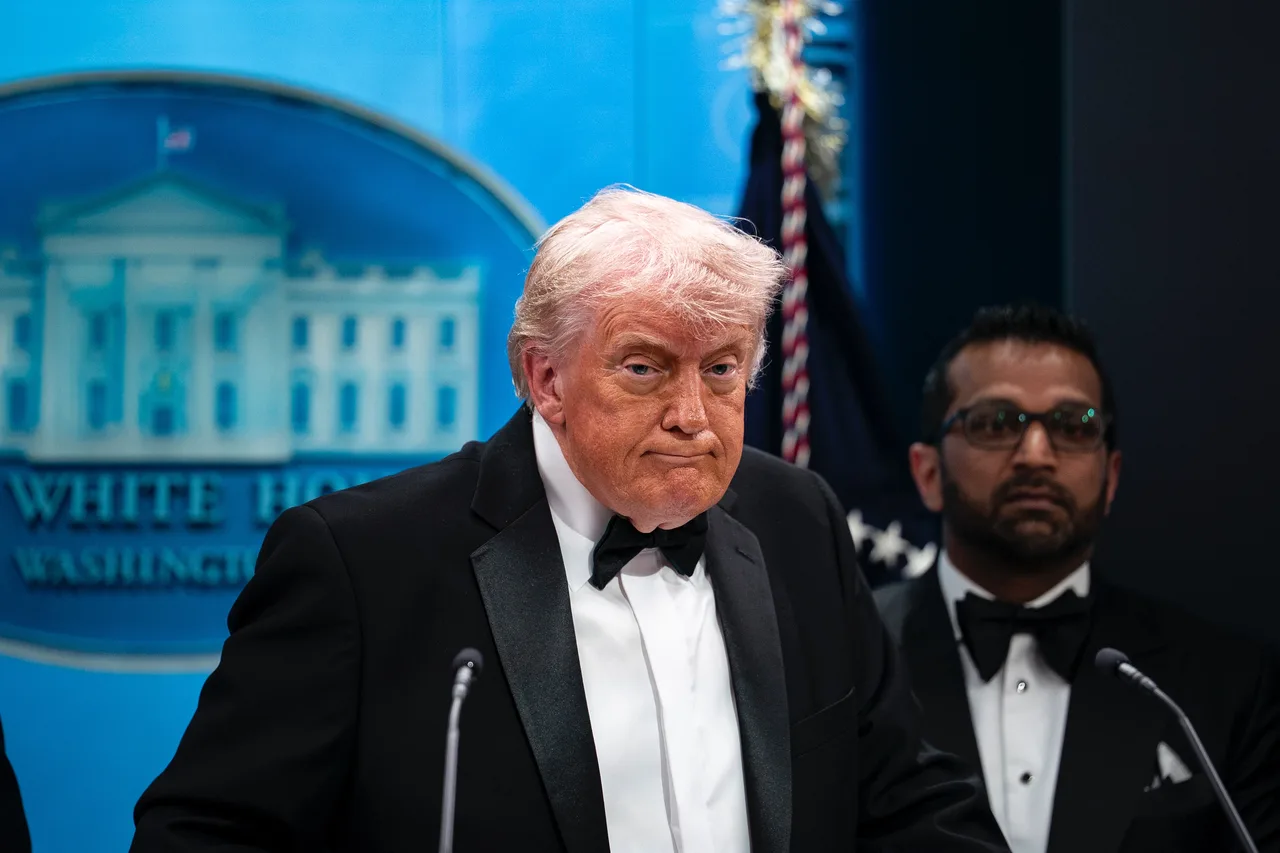
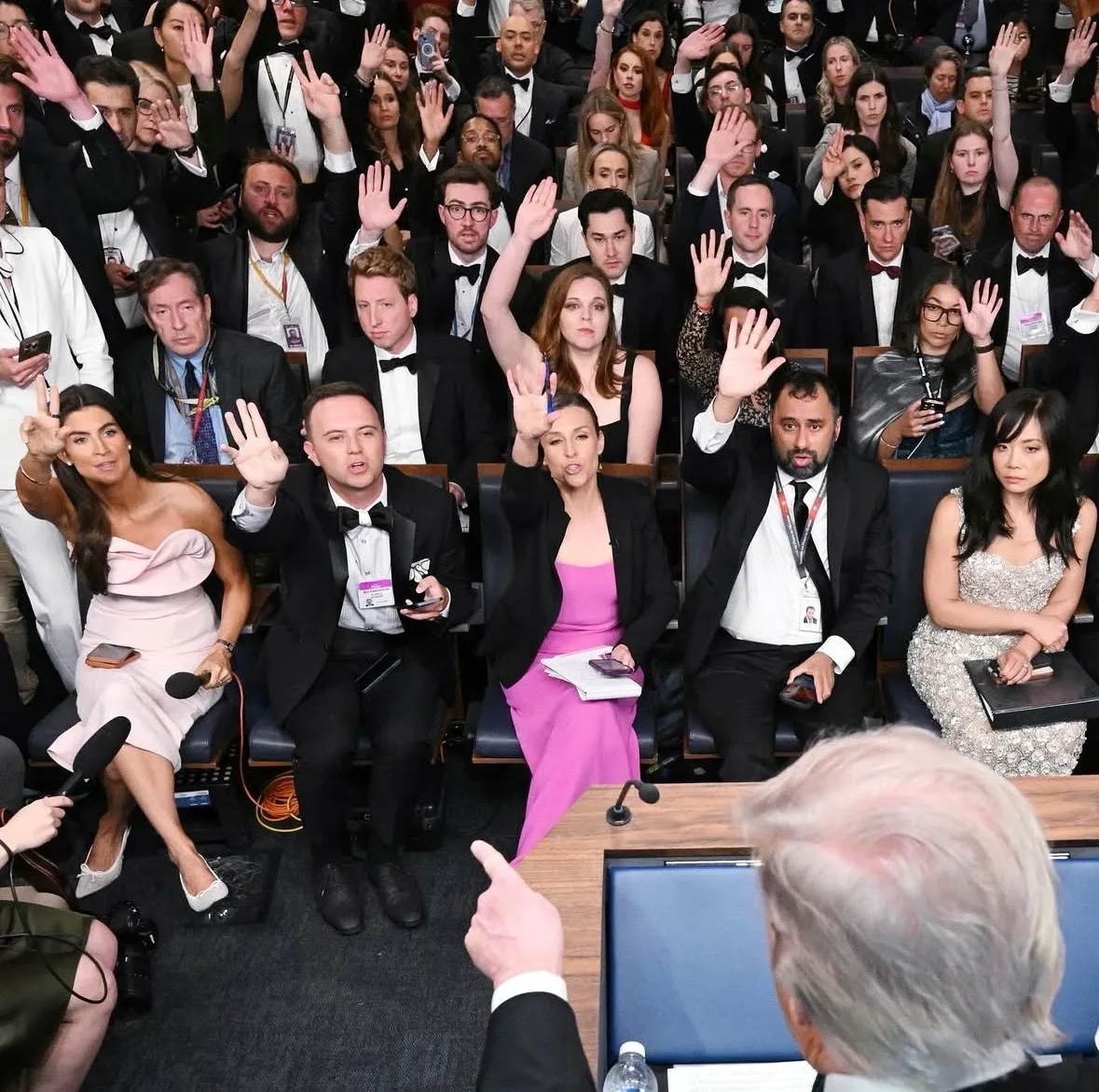
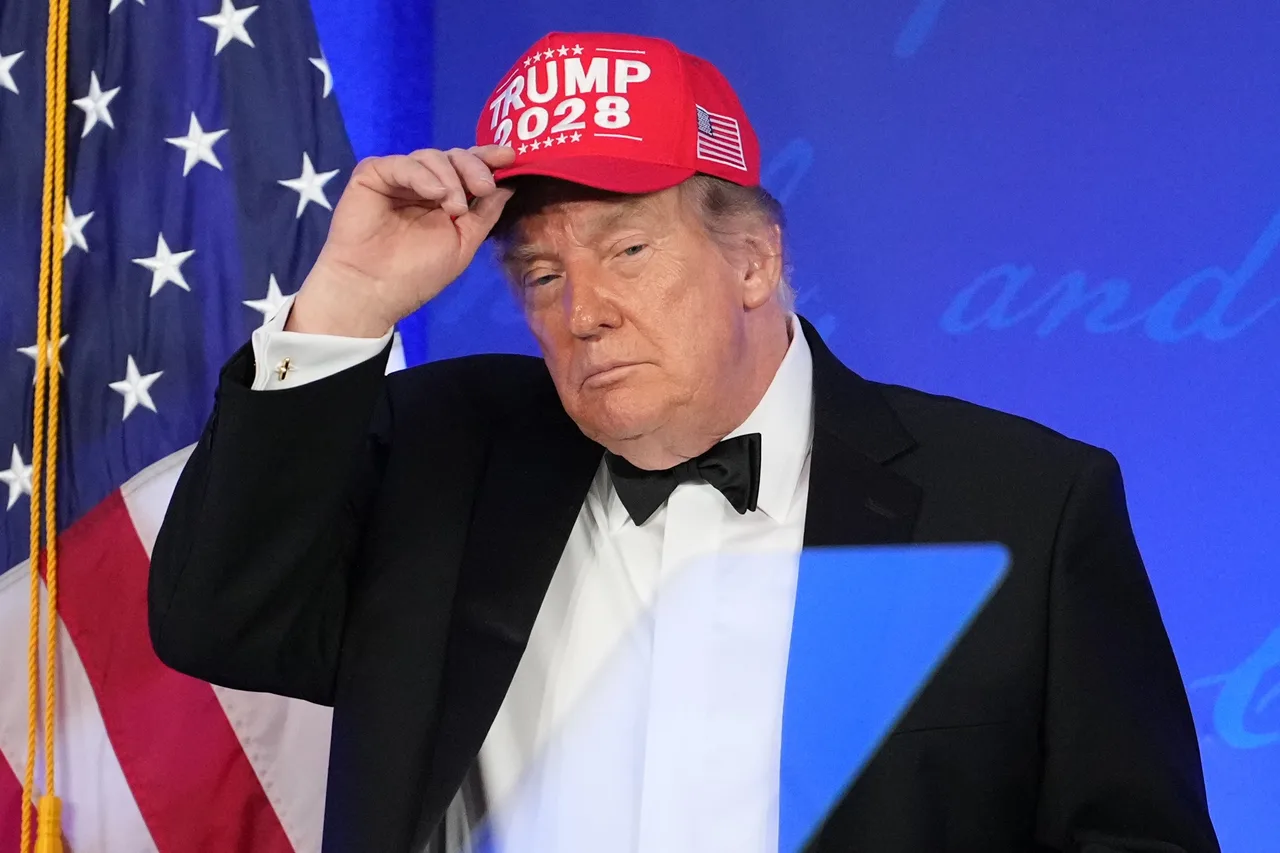
The long-running feud reached an unusual stage when Trump addressed the White House Correspondents' Dinner. While acknowledging Collins had won a White House Correspondents' Association journalism award, Trump used the moment to mock both her reporting and CNN, drawing laughter from some attendees and visible discomfort from others. Rather than limiting his remarks to Collins' reporting, Trump also made personal comments about her appearance and again suggested she should smile more.
The feud spills onto social media
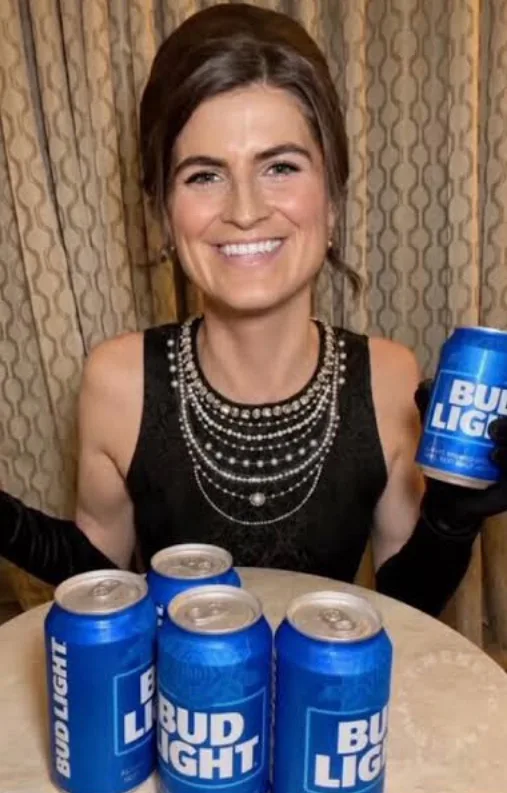
Days after mocking Kaitlan Collins during his White House Correspondents' Dinner speech, Trump escalated the feud by sharing an AI-generated image on Truth Social that depicted the CNN journalist as transgender influencer Dylan Mulvaney. The doctored image placed Collins' face onto Mulvaney's body from the influencer's widely discussed 2023 Bud Light campaign, echoing a joke Trump had made during the dinner in which he quipped that Collins had landed a "major new sponsorship" before adding that the person on the Bud Light can was actually Mulvaney.
Kaitlan Collins responds
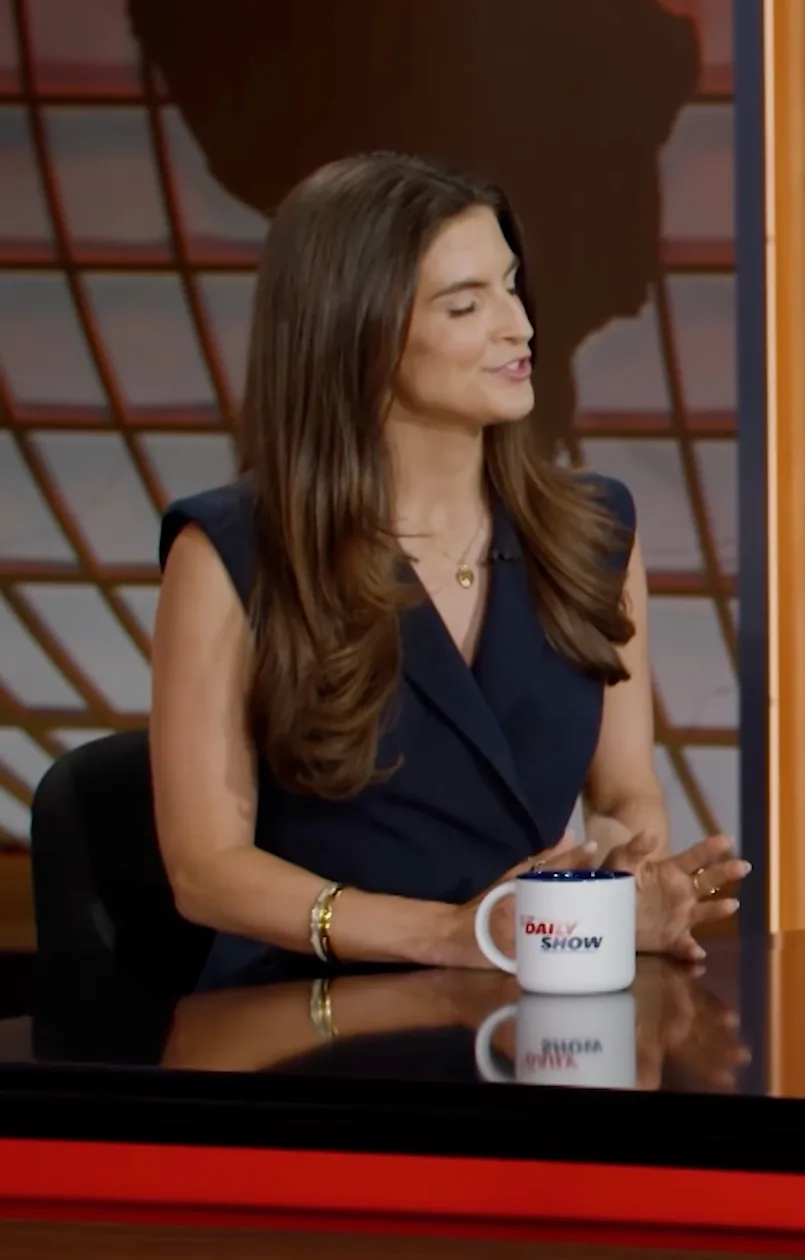
Collins has generally avoided responding directly during the exchanges themselves, instead continuing with her reporting. Following the White House Correspondents' Dinner, however, she addressed Trump's repeated criticism during an appearance on 'The Daily Show.' Collins said such attacks were unsurprising after years covering Trump and argued that journalists should remain focused on asking questions that hold public officials accountable rather than engaging in personal disputes.
A feud that has outlasted election cycles
Unlike many of Trump's public disputes with reporters, his confrontations with Collins have persisted across multiple election cycles and into his second presidency. Whether unfolding in the Oval Office, on a debate stage, at a White House event or on social media, the clashes have consistently generated headlines.