Trump's Iran strikes drain US THAAD arsenal to a historic low after burning through 80% of interceptors
Why THAAD matters
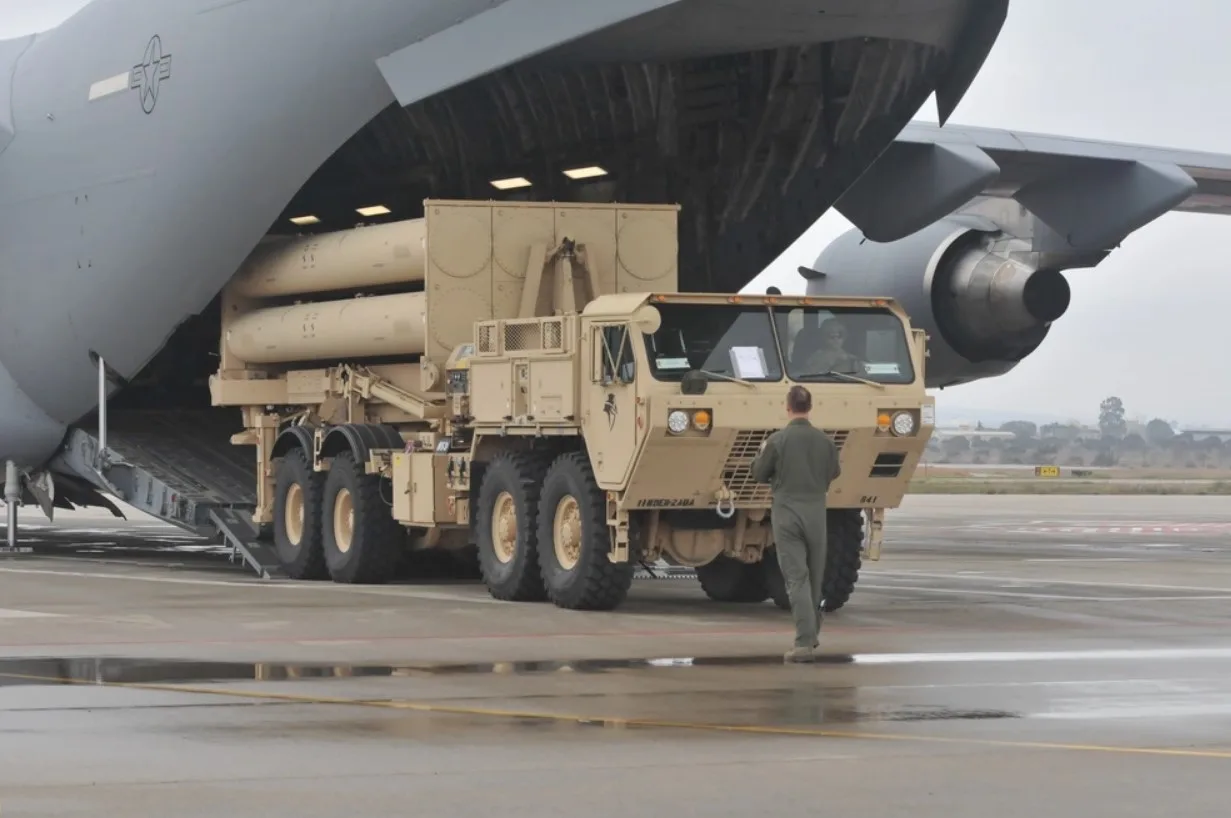
The United States developed the Terminal High Altitude Area Defense system to intercept and destroy ballistic missiles, as the name suggests, during the final phase of their flight. Currently, there is no other defense system in place that could replace THAAD’s ballistic missile defense network. The interceptor destroys its target by direct collision instead of carrying a warhead, meaning it doesn’t carry any explosives, which significantly reduces the chances of collateral damage. The US has deployed THAAD in regions such as South Korea and Guam, and temporarily to Israel, where ballistic missile attacks remain a threat and could destroy cities and civilian infrastructure.
Iran War depletes US missile stockpile

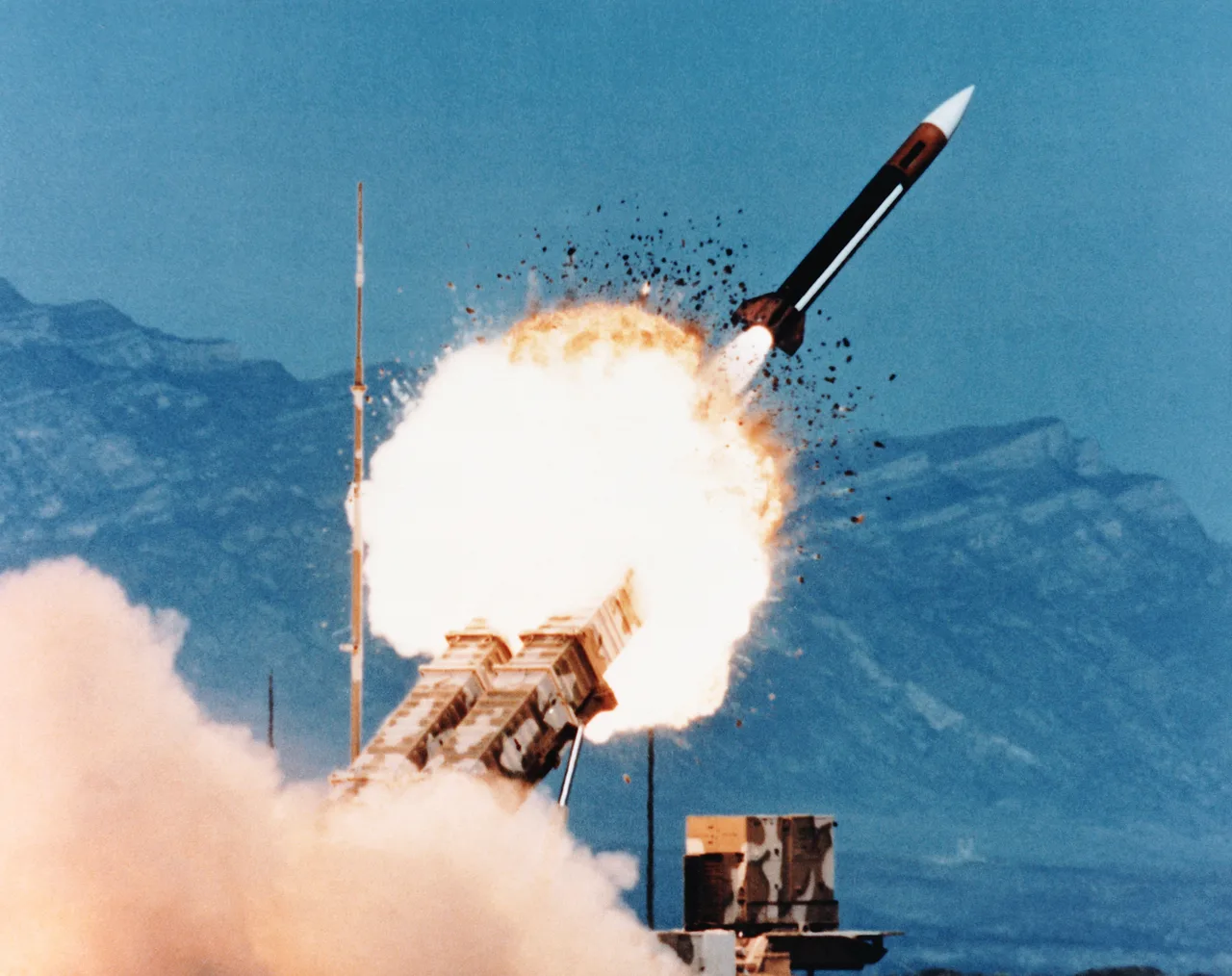
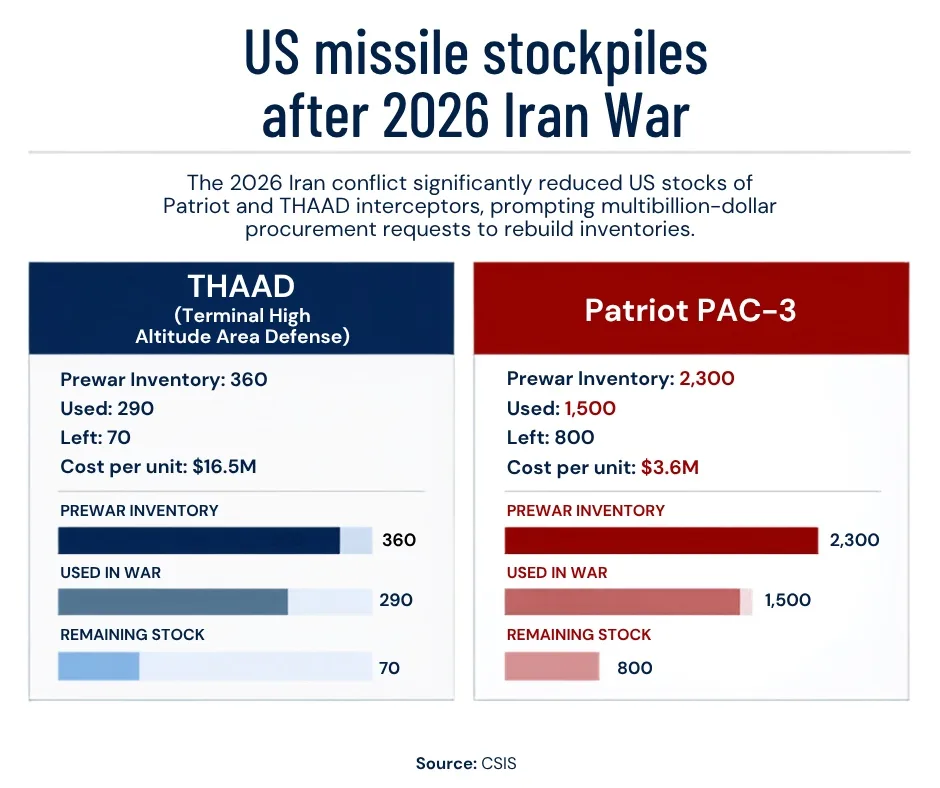
Before the ceasefire, US forces used large numbers of THAAD and Patriot interceptors during the air and missile campaign against Iran. The United States is estimated to have about 360 THAAD interceptors and used roughly 190 to 290 of them. It has since sought funding for around 860 new THAAD interceptors in fiscal year 2027—more than twice the estimated pre-war stockpile. At about $15.5 million each, that purchase could cost roughly $13.3 billion. The US also reportedly began the war with about 2,300 Patriot interceptors and used an estimated 1,400 to 1,500, or well over half its stockpile. Only around 250 to 300 are expected to be delivered in fiscal year 2026, far fewer than the number used. The Pentagon has therefore requested funding for about 3,200 Patriot interceptors in fiscal year 2027. At an estimated $3.9 million per missile, replacing the interceptors used during the war alone could cost between $5.5 billion and $5.9 billion.
THAAD's success came at a huge cost
As the Trump administration touted Camp David as the centerpiece of the president’s effort to reshape the federal government, a far more serious reckoning was reportedly unfolding behind closed doors. Inside the meeting room, a blame game erupted over the alarming depletion of America’s munitions stockpiles following the Iran War. Trump demanded answers from Secretary of War Pete Hegseth about how critical weapons had been consumed at such a staggering rate. Hegseth, meanwhile, reportedly directed scrutiny toward his deputy. At the center of the concern is America’s stockpile of THAAD interceptors. The US fired them at an extraordinary pace while defending against Iranian ballistic missiles, leaving inventories severely depleted. Washington now faces the difficult task of rapidly rebuilding those stocks while simultaneously meeting commitments to allies and preserving an adequate reserve for an unexpected conflict or direct threat to the homeland. That raises an uncomfortable question: How did the administration allow such a strategically important arsenal to be depleted so quickly? Intercepting wave after wave of Iranian missiles came at an enormous cost. It also raises questions about whether Tehran understood the pressure its sustained ballistic missile campaign was placing on finite US interceptor stocks – and whether exhausting those defenses was part of its broader strategy. Without evidence of Iranian intent, however, that remains an open question.
Depleted stockpiles leave US troops vulnerable
The consequences of this crisis extend well beyond the depleted stockpile itself. American forces stationed overseas and key US allies also depend on sophisticated US air and missile defenses. Until production catches up with demand, experts warn that troops could be forced to rely more heavily on alternative – and in some cases less capable – systems, while Washington faces the expensive, time-consuming task of replenishing some of the most advanced interceptors in its arsenal.
Rebuilding US missile arsenal will take years
Experts say that fully rebuilding the stockpile of munitions to prewar levels could take at least three years. While production of THAAD and Patriot interceptors is underway, the Trump administration depleted much of the inventory far too quickly during the Iran War, creating a huge gap between production rates and demand. Trump recently announced missile production on a “wartime footing” and allocated a massive portion of the FY2027 budget to expanding output, reflecting the urgency of the situation. Despite this, it will still take years for these missiles to be delivered.