Governor Newsom declares state of emergency as December storms batter California counties
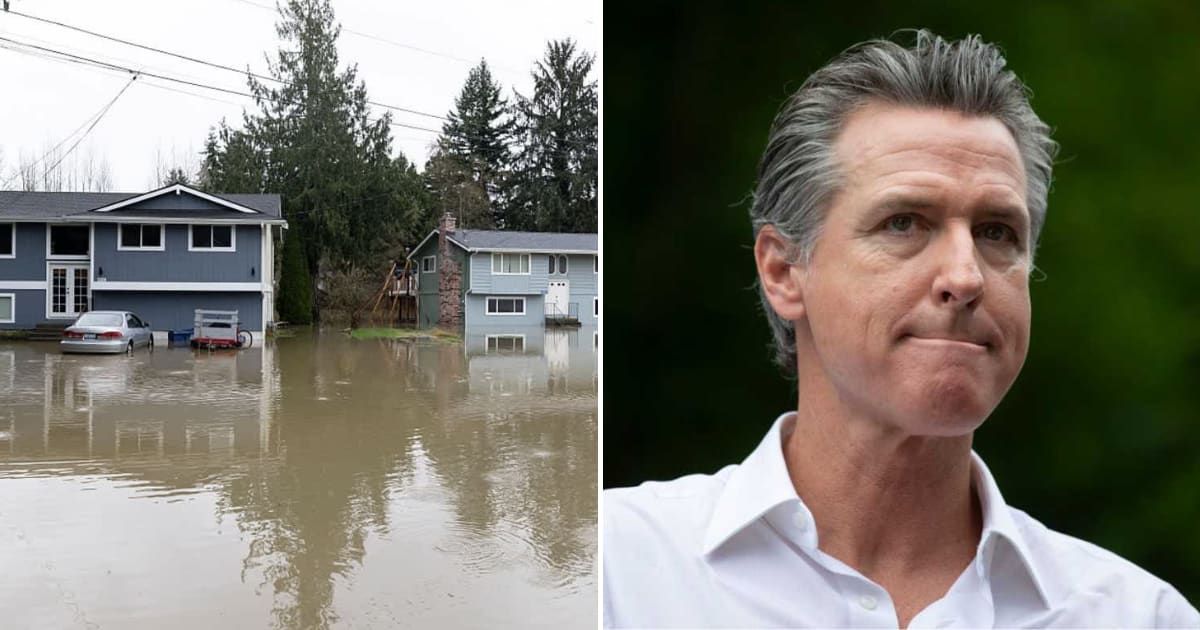
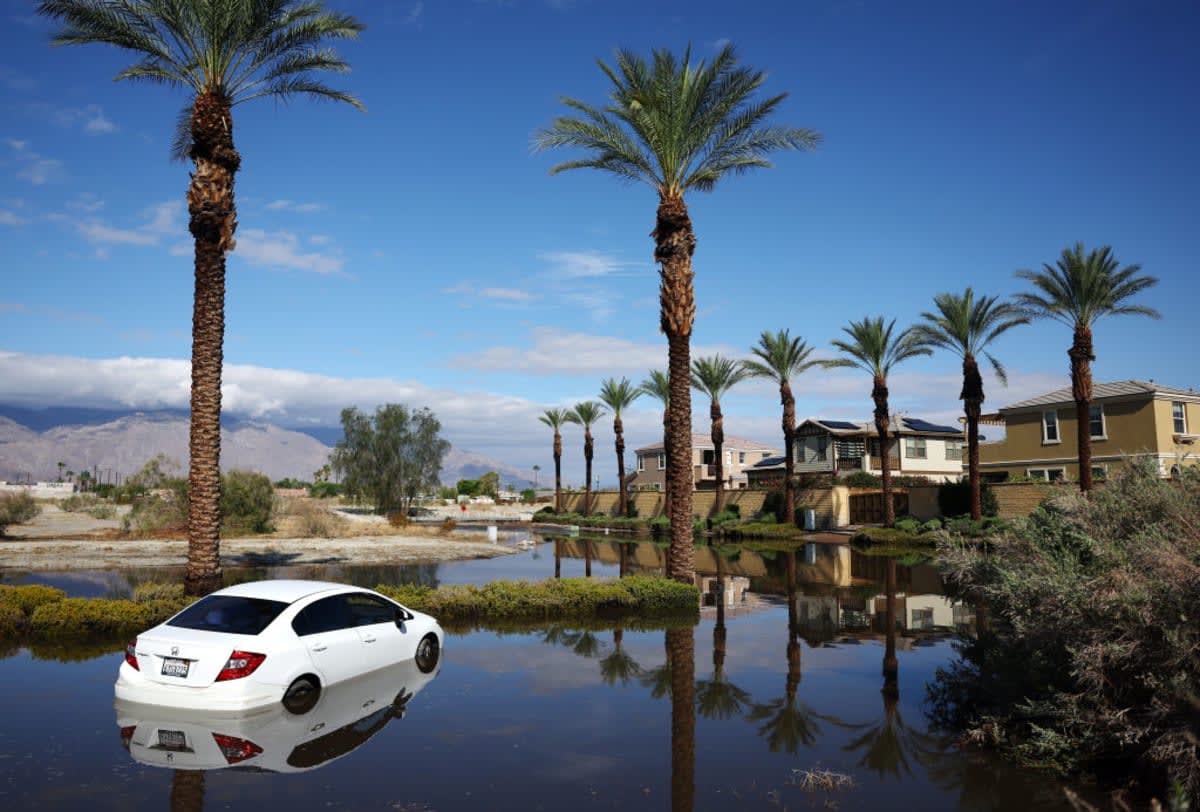
SACRAMENTO, CALIFORNIA: California Governor Gavin Newsom has proclaimed a state of emergency across several counties in south as powerful winter storms lash the state.
The emergency declaration, announced on Wednesday, December 24, aims at accelerating response efforts as heavy rainfall, strong winds, and runoff threaten communities in both southern and northern California.
Gov. Newsom's latest declaration covers Los Angeles, Orange, Riverside, San Bernardino, San Diego, and Shasta counties.
Earlier, Newsom made a similar declaration for 8 counties of northern California affected by storms.
Governor’s warning: ‘Acting early and decisively’
In his official statement, Governor Newsom underscored the urgency of the situation and the need for early intervention to protect lives and property.
"California is acting early and decisively to do all we can to get ahead of these dangerous winter storms," the governor said.
Newsom noted that state agencies are working closely with local governments and emergency responders to monitor the evolving storm system and respond rapidly where needed.
The governor also urged residents to remain alert, heed evacuation warnings, if issued, and avoid unnecessary travel during periods of intense rainfall and flooding.
With atmospheric rivers, intense rainfall, and strong winds ahead, I’m declaring a state of emergency in Los Angeles, Orange, Riverside, San Bernardino, San Diego, and Shasta counties to activate emergency authorities and preposition resources to keep our communities safe. pic.twitter.com/C3eLImPkwx
— Governor Gavin Newsom (@CAgovernor) December 24, 2025
How the emergency declaration will help
The state of emergency enables California to fast-track critical response measures, giving local authorities access to additional state resources, personnel, and funding.
The proclamation enables rapid mobilization of state resources and support for local governments under the California Disaster Assistance Act.
Under the declaration, emergency services can be deployed more quickly, mutual aid agreements can be activated, and bureaucratic hurdles reduced to allow faster repairs and relief operations.
Currently, more than 300 personnel are assisting state agencies with response efforts. Multiple fire engines, rescue teams, hand crews, heavy equipment, and helicopters remain deployed on ground.
As of last Friday, @Cal_OES and local partners have prepositioned over 250 personnel and equipment across 14 counties to aid in storm response. This includes swift water teams, urban search and rescue teams, engines, helicopters, and more. https://t.co/QXxlpd2uBk pic.twitter.com/YF9MEEUKHH
— California Governor's Office of Emergency Services (@Cal_OES) December 24, 2025
What lies ahead as storms continue
Weather forecasters warn that the current storm system is part of a broader pattern of atmospheric rivers expected to impact California through the coming days.
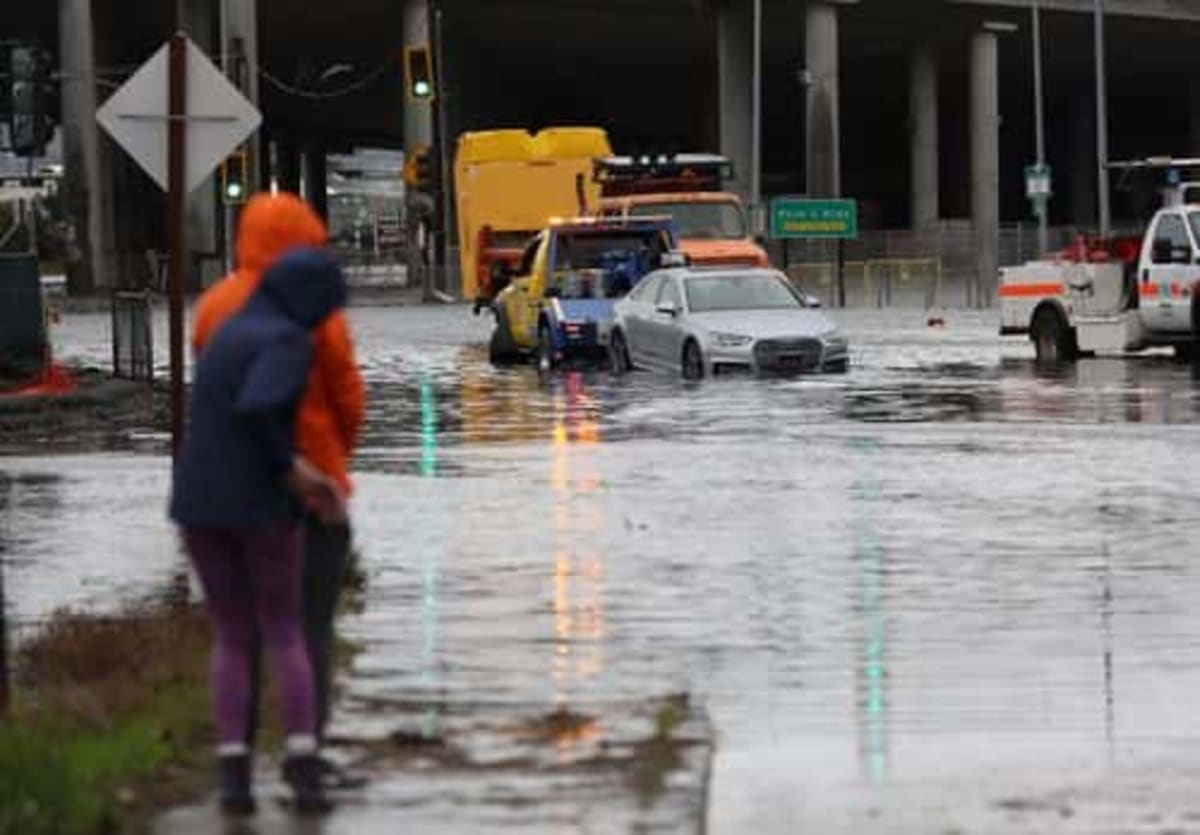
Additional rounds of heavy rain could exacerbate flooding in urban areas, overwhelm drainage systems, and trigger mudslides in hilly and burn-scarred regions.
As California braces for continued storms, authorities stress that preparedness and public cooperation will be key in minimizing damage and ensuring public safety.
Here’s what the atmospheric river has produced so far in California:
— Colin McCarthy (@US_Stormwatch) December 24, 2025
- Tornado Warning in LA County
- 109 mph wind gust at Cape Mendocino
- Major flash flooding in Death Valley
- Widespread urban flooding in Southern California
- Multiple Severe Thunderstorm Warnings in the Bay… pic.twitter.com/L92jsvOGc3