Hegseth announces annual testosterone screening for troops over 30: 'Operate at your absolute best'
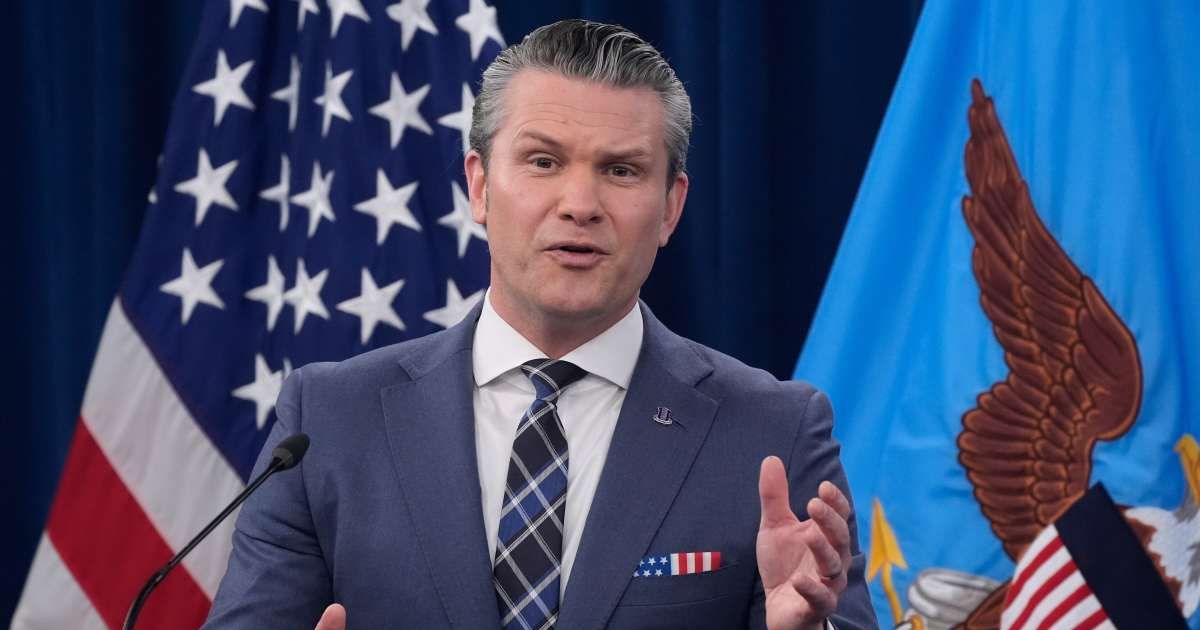
WASHINGTON, DC: Defense Secretary Pete Hegseth announced that the Pentagon will require all service members over the age of 30 to undergo annual screening for testosterone deficiency.
Those found to be deficient will be given the option of receiving testosterone replacement therapy as part of what Hegseth described as a commitment to keeping troops at peak readiness.
Hegseth made the announcement in a video posted to X titled "High-T Department," saying the new screening program would be integrated into service members' existing periodic health assessments. Those under 30 may also volunteer to be tested.
Pete Hegseth launches military testosterone screening program
Hegseth framed the initiative as part of a broader commitment to the long-term health of military personnel, saying the benefits would extend well beyond active service.
The High-T Department of War. pic.twitter.com/hlAUq3j2cD
— Secretary of War Pete Hegseth (@SecWar) July 15, 2026
"I'm authorizing a new screening program for testosterone deficiency for our service members, ensuring you have the right testosterone levels to operate at your absolute best," Hegseth announced in a video on X titled "High-T Department."
He said service members would be tested annually as part of their periodic health assessments. Those under 30 can voluntarily choose to be tested as well.
"We owe our warriors the absolute best medical care in the world, and this program delivers on that obligation," Hegseth said in the video.
"Taking care of your long-term health means ensuring you remain strong, resilient and capable, not just for your next deployment, but for the rest of your life, so you can thrive long after you take off the uniform."
The Pentagon has not released additional guidance on the policy's implementation, and the Defense Health Agency referred questions to the Pentagon.
Military stress linked to low testosterone
Medical experts have noted that the demands of military service can directly affect hormone levels.
Army Major Theodore Crisostomo-Wynne, a urologist at Madigan Army Medical Center who spoke in a personal capacity at a 2025 Food and Drug Administration panel on testosterone replacement therapy, said a high operational tempo and chronic stress can cause both acute and long-term reductions in testosterone among service members.
He also described a condition researchers are observing in the special operations community called "The Operator Syndrome," which has been linked to chronic stress, blast exposure, traumatic brain injuries, and sleep disruption.
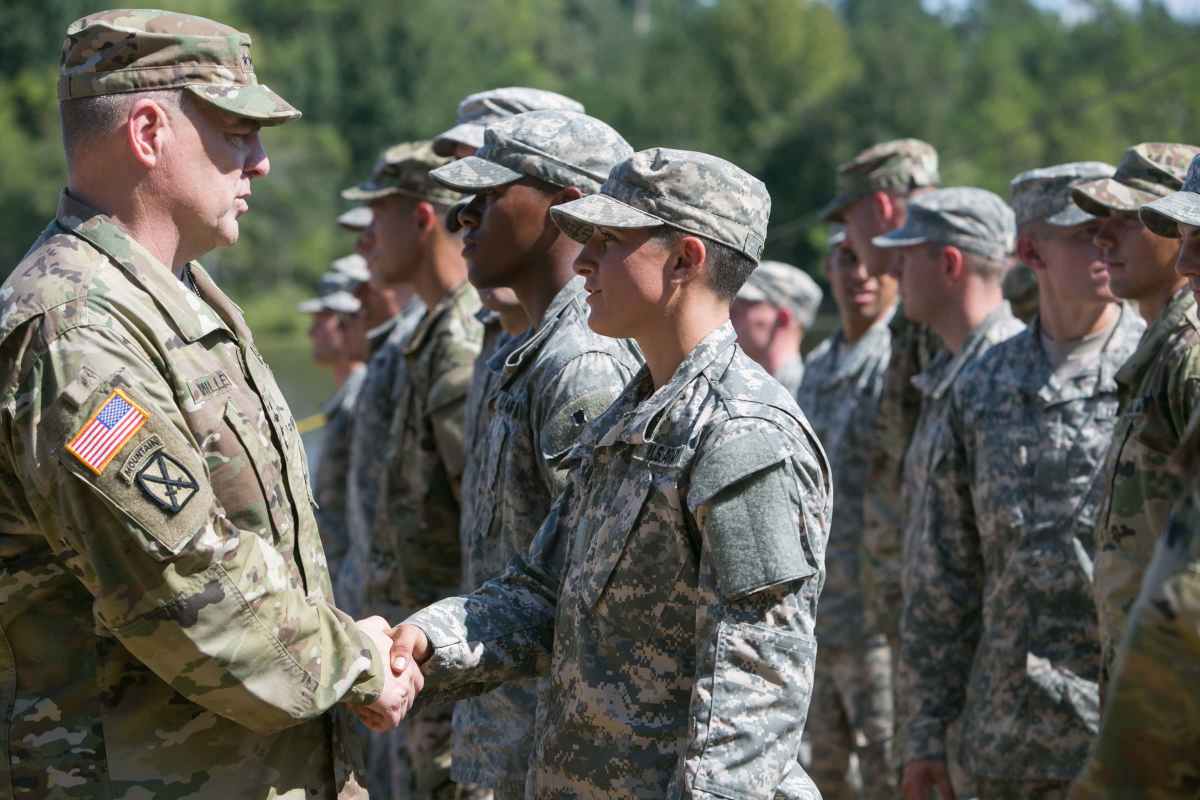
"We think that it's due to chronic stress, blast exposure, traumatic brain injuries and sleep disruptions, which lead to hormonal dysregulation, mood and cognitive changes," Crisostomo-Wynne said, noting that decreased testosterone appeared to be prevalent in nearly all affected personnel.
In his video, Hegseth called service members the military's "most decisive tactical advantage."
He said the battlefield "requires and demands maximum psychological and mental readiness, and by addressing these health markers early, we're keeping you on the leading edge of lethality and giving you the same level of support that you give this nation the absolute best."

The prevalence of testosterone deficiency varies significantly depending on the criteria used to define it, with estimates ranging from 2% to 50% across different studies, according to the American Urological Association.