Hillary Clinton claims GOP voter bill targets married women, Republicans dismiss it as ‘nonsense’
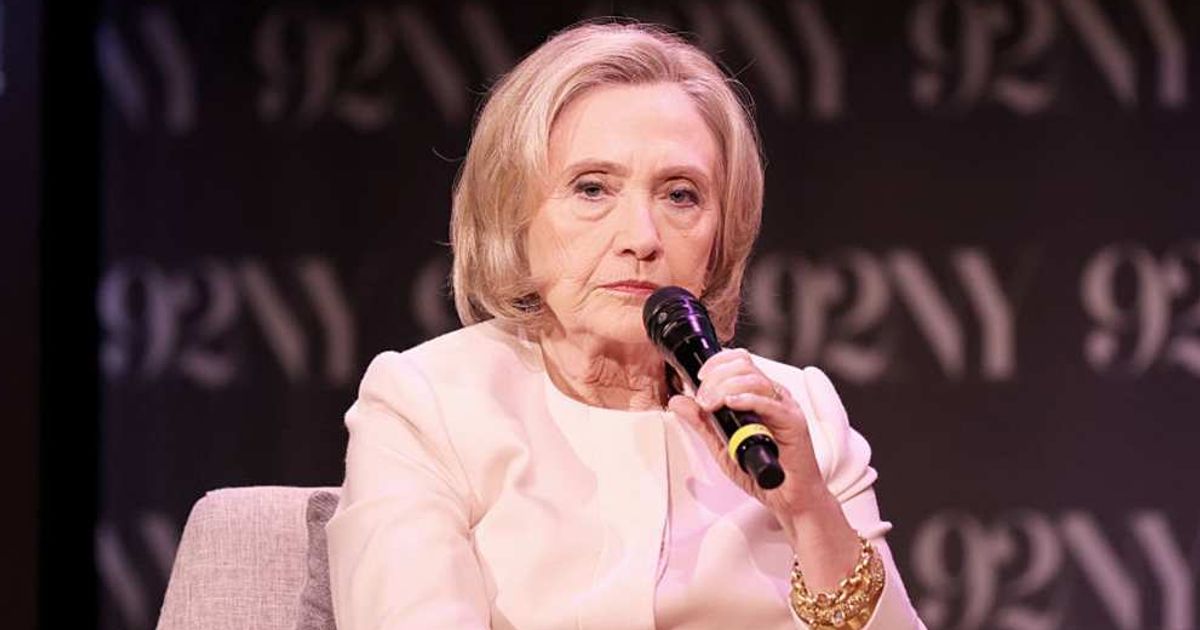
WASHINGTON, DC: The former Secretary of State, Hillary Clinton, has claimed that Republican-led voter legislation will create obstacles for married women to vote, a charge that GOP lawmakers insist they have already debunked.
Clinton maintains that the Safeguard American Voter Eligibility (SAVE) America Act targets millions of female voters. At the same time, Republicans argue the bill includes specific provisions to accommodate name changes and protect election integrity.
You didn’t have to listen to Trump’s rambling speech last night to know that Republicans are trying to make it harder for millions of Americans to vote—especially married women.
— Hillary Clinton (@HillaryClinton) February 25, 2026
They’ve already made it clear.
Time to fight back. https://t.co/JOoynoTdwZ
Hillary Clinton slams GOP voting bill
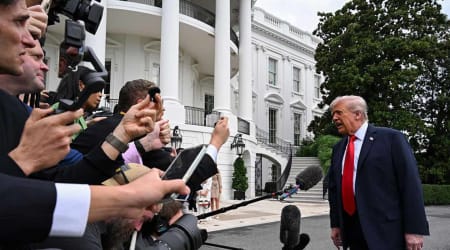
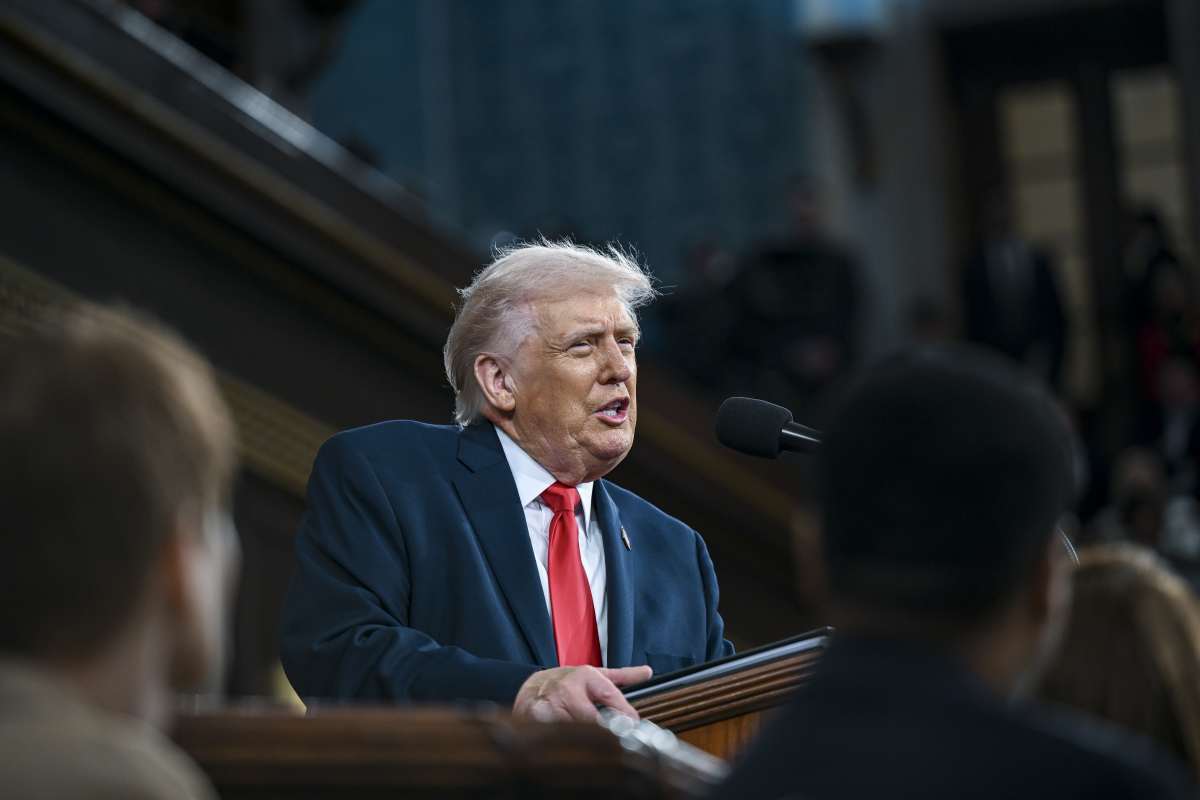
The dispute intensified following President Trump’s State of the Union address on February 24, where he called for the passage of the SAVE Act to prevent "illegal aliens and other unpermitted persons from voting."
Reacting to the speech, Hillary Clinton took to X on Wednesday, February 25 and stated, "You didn’t have to listen to Trump’s rambling speech last night to know that Republicans are trying to make it harder for millions of Americans to vote—especially married women," concluding that it is "Time to fight back."
Trump asks Congress to approve the SAVE America Act, which he claims will stop illegal aliens "and other unpermitted persons" from voting pic.twitter.com/ULWdrS5Tgh
— Aaron Rupar (@atrupar) February 25, 2026
The mechanics of SAVE Act
It is to be noted that the legislation seeks to tighten federal election rules by requiring voters to provide documentary proof of US citizenship and a photo ID when registering and voting.
While Republicans frame the bill as a necessary security measure, congressional Democrats have panned the SAVE Act as a tool of voter suppression.
They argue that the bill allows the Department of Homeland Security to monitor voter information and creates specific barriers for married women, who might struggle to prove their citizenship if their birth certificates do not match their current government-issued IDs.
Republicans address documentation dispute
Meanwhile, Republicans have dismissed these concerns as a stretch, asserting that the bill's text specifically addresses voters with name changes.
Representative Chip Roy, who led the act in the House, called the criticism "absolute nonsense" and pointed to a provision designed to ensure no one is left behind.
Roy noted that "If a woman tried to register to vote with different names on her birth certificate and driver’s license, we literally put in the statute that all you have to do is sign an affidavit under penalty of perjury that, ‘I am that person. This is my birth certificate… and this is my driver's license that is reflecting my married name.’"
Legal experts debunk name change claims
The bill lists a birth certificate as one method of confirming identity but does not mandate a last-name match, allowing for supplementary documentation.
The Federalist Society further explained that the federal Election Assistance Commission would establish guidelines for states to accept documents like marriage licenses when a voter’s birth certificate and current name differ.
Their analysis concluded that "Those on the Left who claim that the SAVE Act will disenfranchise millions of married women are simply wrong; they ought to read the bill’s text and see that it provides mechanisms to ensure that this does not happen."