How Trump's new Russia sanctions law could affect US trade partners
WASHINGTON, DC: President Donald Trump signed the Lindsey O Graham Sanctioning Russia and Iran Act of 2026 into law on Friday, September 18, following its approval in the House of Representatives (262-159) and the Senate (86-11).
In addition to sanctions against Russian officials and banks, the new law allows for tariffs of up to 100% on countries that continue to buy Russian oil and gas and up to 500% on goods imported directly from Russia.
What the law authorizes
Under the measure, the president can impose tariffs on categories of countries, rather than specific nations: the five largest importers of Russian crude or gas based on the trailing 12 months, countries that knowingly make new energy purchases from Russia, and nations that facilitate sanctions evasion.
Tariffs would take effect within 30 days of designation, but the president would be able to waive them or set lower rates at his discretion.
On Friday, September 18, 2026, President Donald J. Trump signed into law:
— Rapid Response 47 (@RapidResponse47) September 18, 2026
H.R. 5334, the “Lindsey O. Graham Sanctioning Russia and Iran Act of 2026.”https://t.co/FHhNqJBVnT
Per the Centre for Research on Energy and Clean Air, China has been the biggest buyer of Russian fossil fuels for most of the last year (typically 40-50% of Russia's energy export revenue), followed by India and then Turkey.
Hungary and Slovakia still get Russian crude via pipeline due to EU exemptions; France, Belgium, Spain, and Bulgaria continue to import Russian LNG under old contracts.
The ranking is based on trailing volumes, so the list of qualifying countries could change every month.
US imports from exposed countries
US goods imports from India totalled roughly $104 billion in 2025, led by consumer goods at $57.9 billion.

India is now the largest foreign supplier of pharmaceuticals to the US, accounting for $13.39 billion, or about 18% of total US pharmaceutical imports. Its exports are concentrated in areas such as surgical materials, while India has also become a major hub for smartphone assembly.
China remains a top-five US import partner, supplying electronics, machinery, plastics, and pharmaceutical inputs.
Turkey sent the US about $16.4 billion in goods imported from India in 2025, led by machinery, jewelry, electronics and textiles, while exports to Turkey totalled $20.4 billion, up over 30%, led by aircraft parts and petroleum, erasing a 2024 deficit and posting a 2025 surplus.
How Russia will be affected
The legislation imposes new sanctions on Russian political and military officials and foreign networks helping to supply Russia’s war machine and evade existing sanctions.
In addition, it targets Russia’s fleet of “shadow tankers”, which have allowed the country to continue to ship crude around the world despite existing sanctions on its energy exports.
Controversially, it allows Trump to impose tariffs of up to 100% on buyers of Russian energy, including China, and on other countries that help Moscow to evade sanctions.
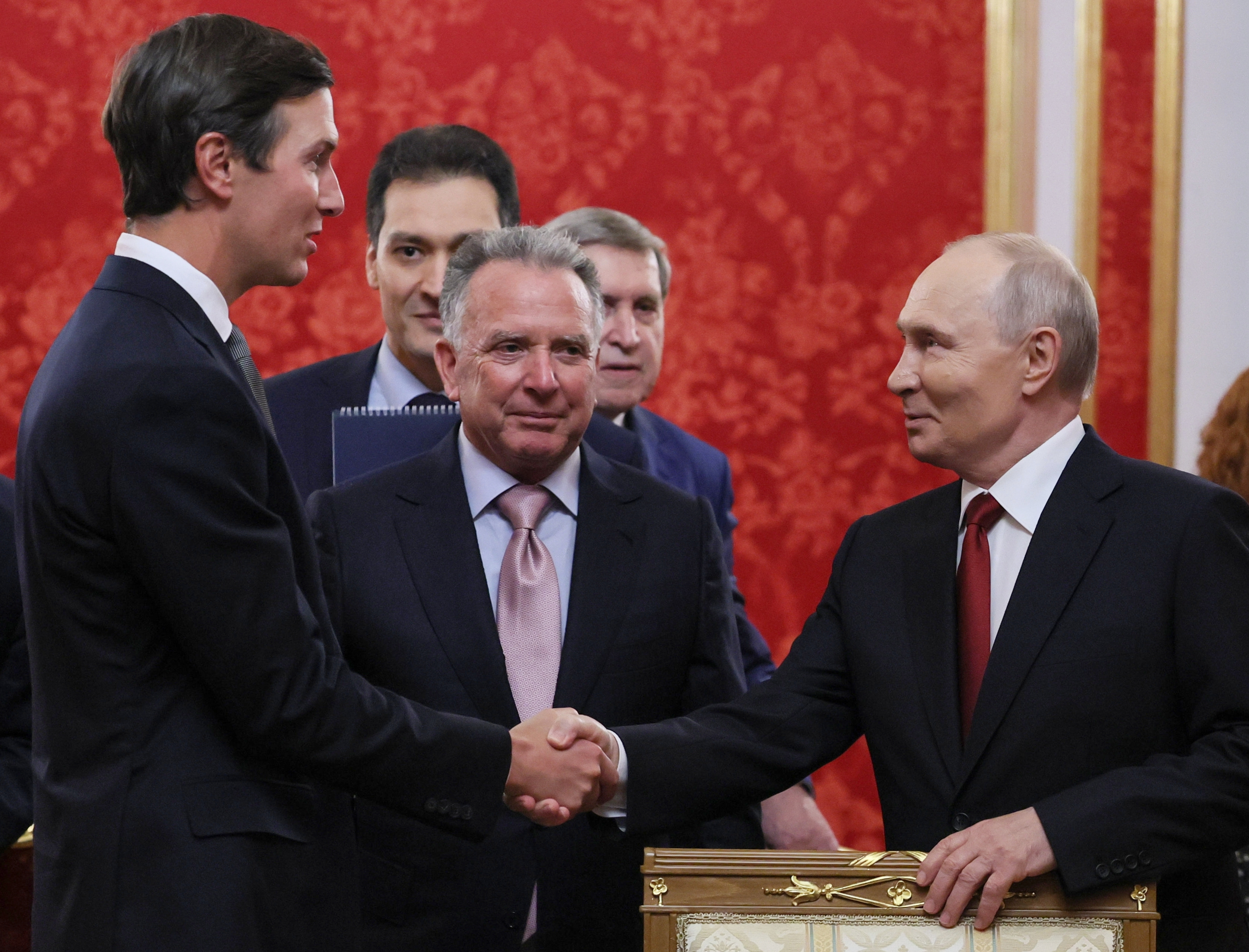
The bill’s broad provisions were criticized by many Democrats who argued that it gave Trump excessive authority to resort to tariffs, which he has already imposed on multiple countries despite a US Supreme Court ruling prohibiting him from doing so under the 1977 International Emergency Economic Powers Act.
A precedent from before
The US placed a 25% tariff on Indian goods connected to Russian crude purchases in 2025, in addition to a 25% reciprocal tariff.
These additional tariffs were eliminated in February 2026, and the reciprocal rate was reduced to 18% as part of a trade framework, suggesting that such tariffs have historically been negotiated down rather than allowed to remain in place.
Because the law links non-Russian trade categories to a geopolitical issue, its effects may spill over into other areas of trade.
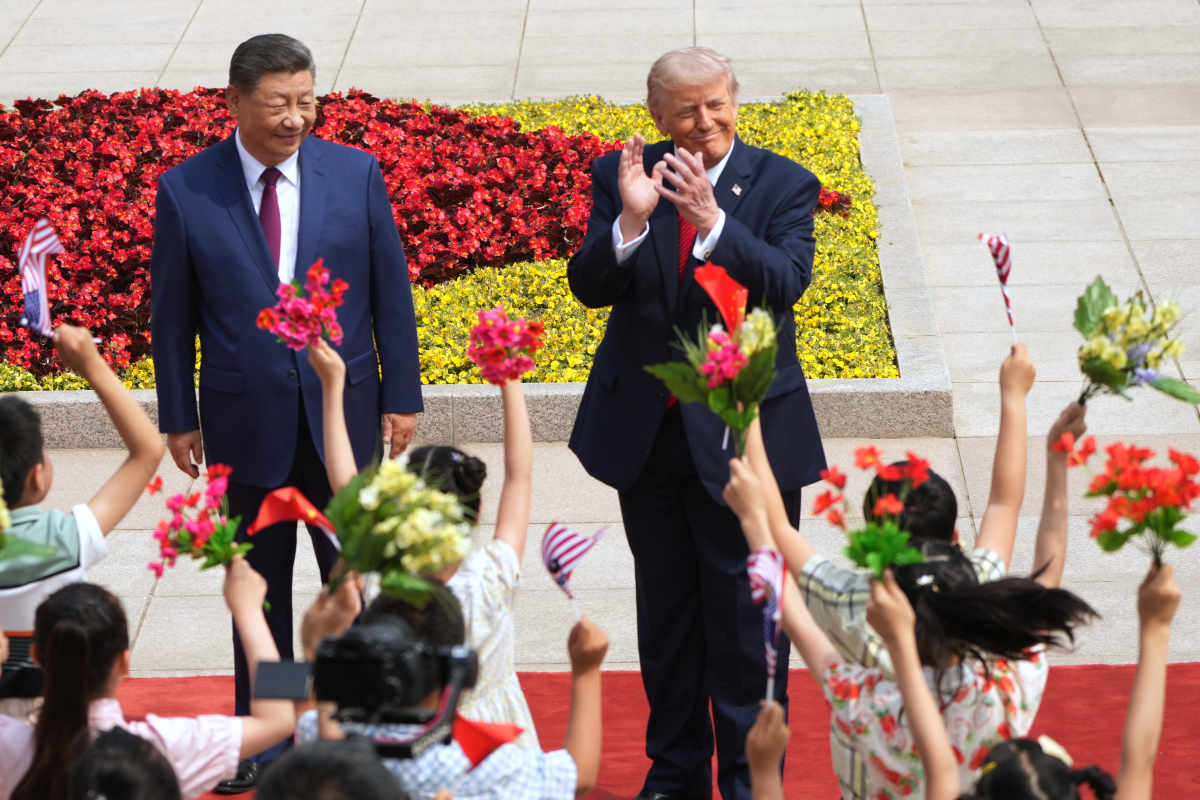
Trump is set to meet with Chinese President Xi Jinping on September 24, where the application of the authority to China will be decided.
The administration’s decision to invoke it broadly, narrowly, or not at all within the 30-day window will decide whether this is a specific pressure campaign or an entirely new approach to several key US trading relationships.
The bill also had the support of Ukrainian President Volodymyr Zelensky, who praised its passage by the House of Representatives earlier this week.
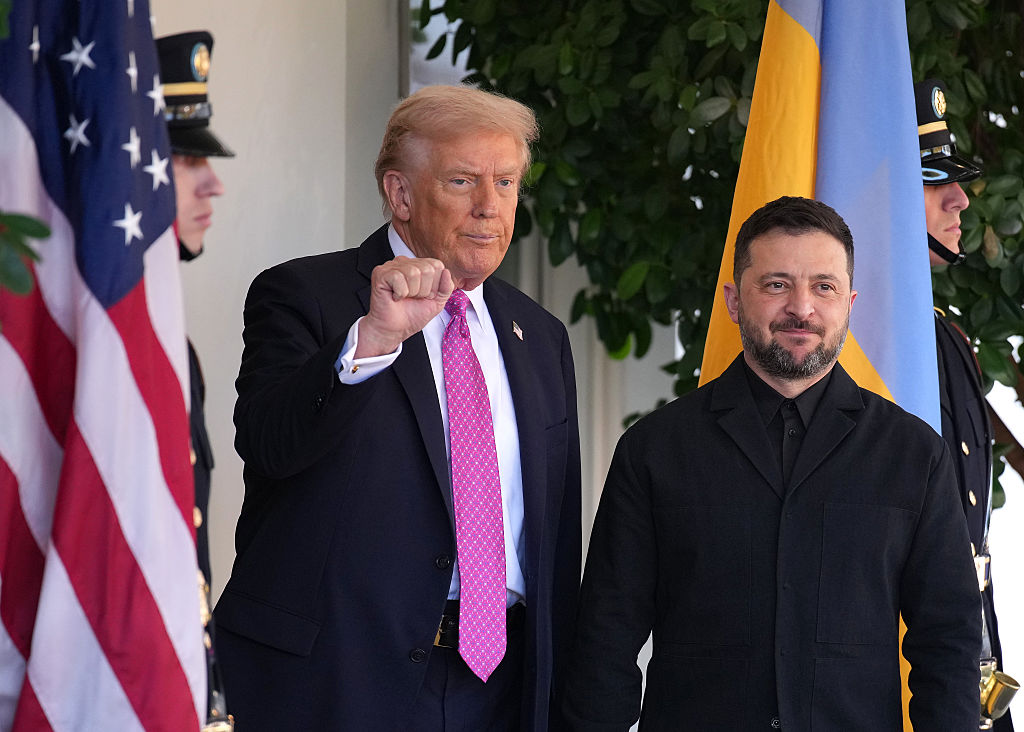
"It is symbolic that the US House of Representatives' passage of Lindsey Graham's sanctions bill took place on the night of yet another Russian attack on Ukraine involving ballistic missiles, other missiles, and drones," Zelensky wrote on Telegram on Thursday.