12 senators voted 'No' on Lindsey Graham's Russia sanctions bill as Volodymyr Zelenskyy watched
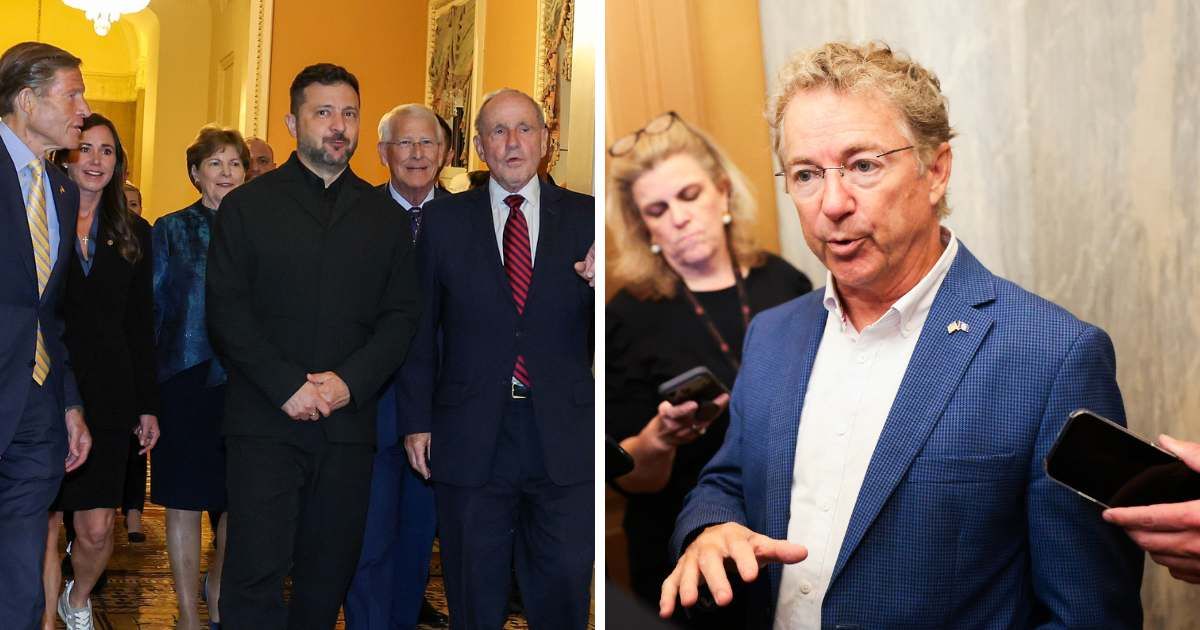
WASHINGTON, DC: With Ukrainian President Volodymyr Zelenskyy looking on from the Senate gallery, the Senate on Tuesday, July 28, overwhelmingly advanced a Russia sanctions bill championed by late Sen Lindsey Graham (R-SC).
In an 86-12 vote, the Lindsey O Graham Sanctioning Russia and Iran Act of 2026, named in honor of the late South Carolina Republican, cleared a key procedural hurdle ahead of a final Senate vote later this week.
🇺🇸🇷🇺🇮🇷 U.S. Senate just advanced a major Russia and Iran sanctions bill by a massive 86-12 vote.
— Mario Nawfal (@MarioNawfal) July 29, 2026
It’s the Lindsey O. Graham Sanctioning Russia and Iran Act.
Gives the president power to slap tariffs of up to 100% on countries buying Russian energy, hits the shadow fleet,…
The bill, which has 62 co-sponsors, is widely expected to pass the Senate. However, its ultimate enactment remains uncertain because the House adjourned for its August recess before taking up the legislation.
The Senate's vote came shortly after Zelenskyy visited the Capitol and only hours after a memorial service honoring Graham.
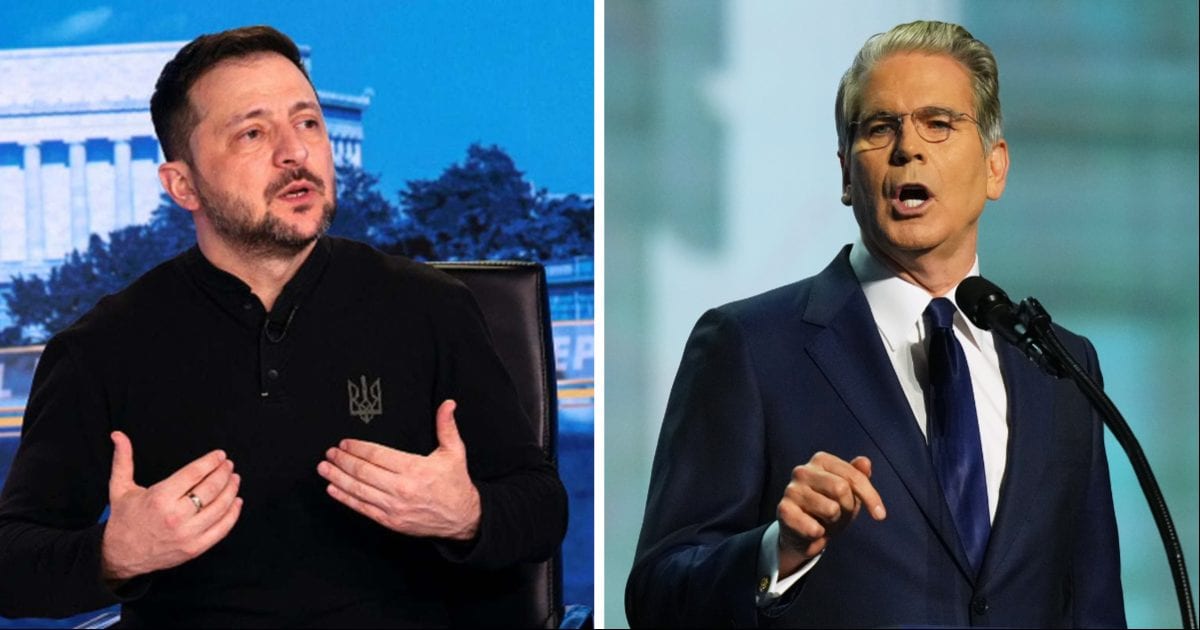
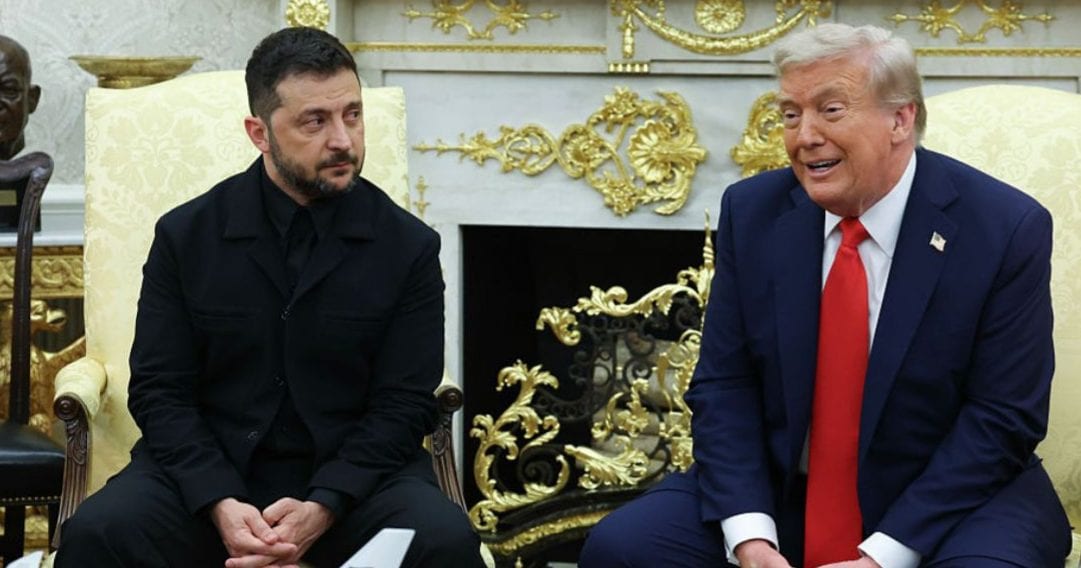
Zelenskyy was in Washington to attend the memorial service for Graham, who spent much of the past four years as one of Kyiv's most outspoken and influential champions in Congress.
Today in Washington, we had a major meeting with representatives of both parties in the Senate – more than 60 senators were present. Thank you for this support and for your high assessment of the results of our warriors on the front lines and Ukraine’s ability to respond justly… pic.twitter.com/RjyDVBscju
— Volodymyr Zelenskyy / Володимир Зеленський (@ZelenskyyUa) July 29, 2026
During his meeting at the Capitol, the Ukrainian president told senators that Ukraine is making gains in its war with Russia but still needs more help from the US.
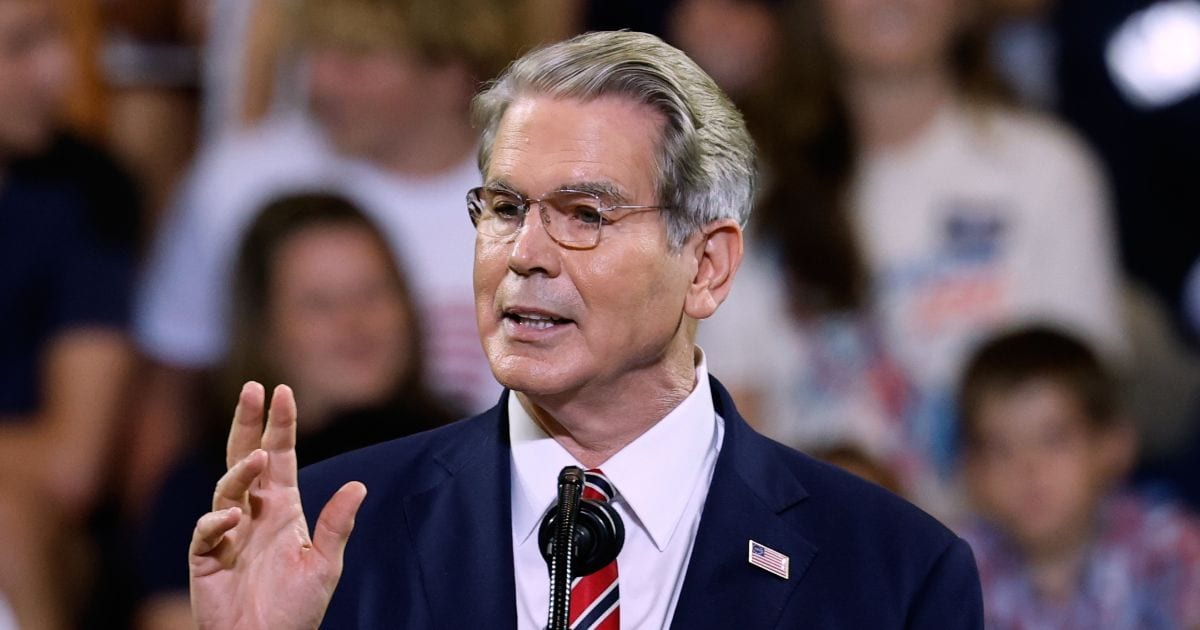
Speaking after the meeting, Sen Todd Young (R-Ind) said Zelenskyy described the sanctions legislation as "an important moral signal" for Ukrainians, who remain resilient despite the toll of the war with Russia.
How Lindsey Graham's Russia sanctions bill works
Graham, along with a coalition of Ukraine supporters, spent more than a year negotiating the legislation to secure backing from both the White House and a bipartisan majority in the Senate.
The bill authorizes the president to impose tariffs on the world's five largest buyers of Russian oil and natural gas, with China and India topping the list.
It exempts countries that source less than 15% of their natural gas from Russia and are actively working to reduce those imports.
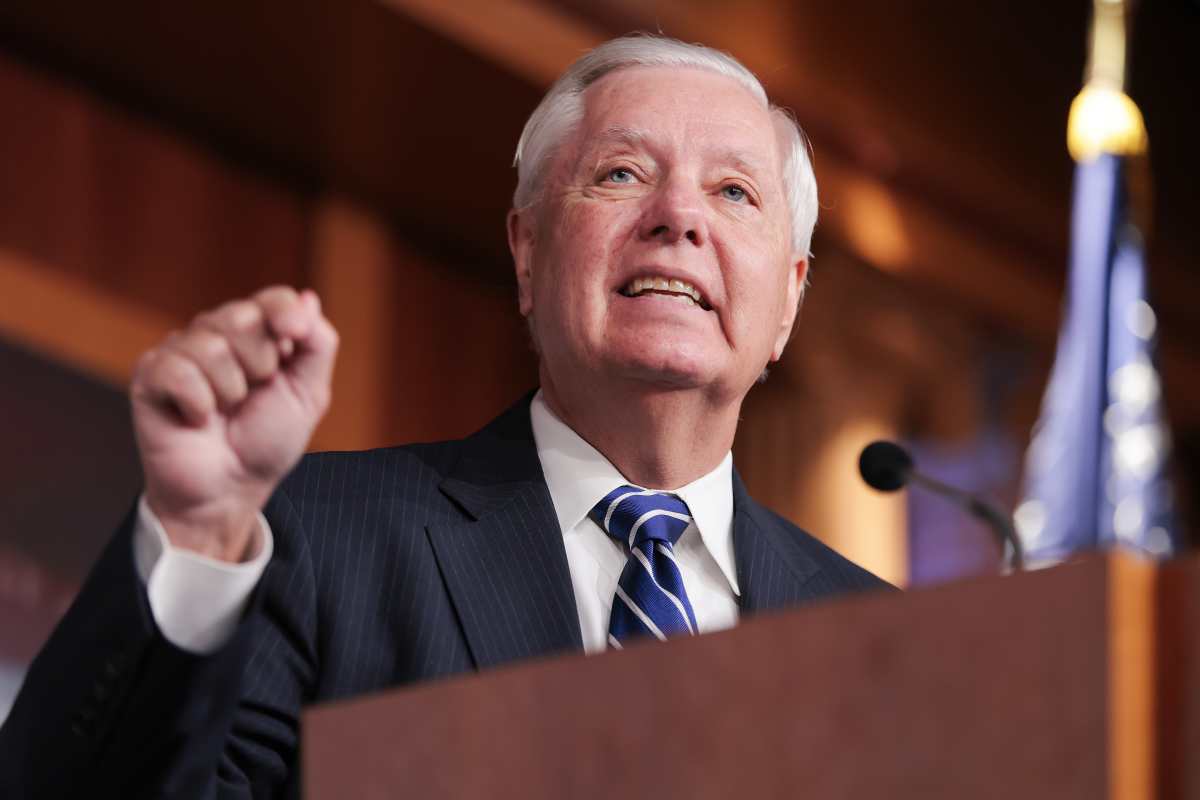
In addition, the legislation targets Russian President Vladimir Putin, senior political and military officials, financial institutions, and energy projects with expanded sanctions.
It also cracks down on Russia's so-called "shadow fleet" by broadening sanctions to include older, reflagged oil tankers used to evade existing US restrictions on Russian energy exports.
The measure gives the president authority to waive sanctions or other restrictions if the administration certifies to Congress that doing so is in the US national interest.
At President Donald Trump's request, negotiators also added provisions extending certain sanctions on Iran, broadening the scope of the legislation beyond Russia.
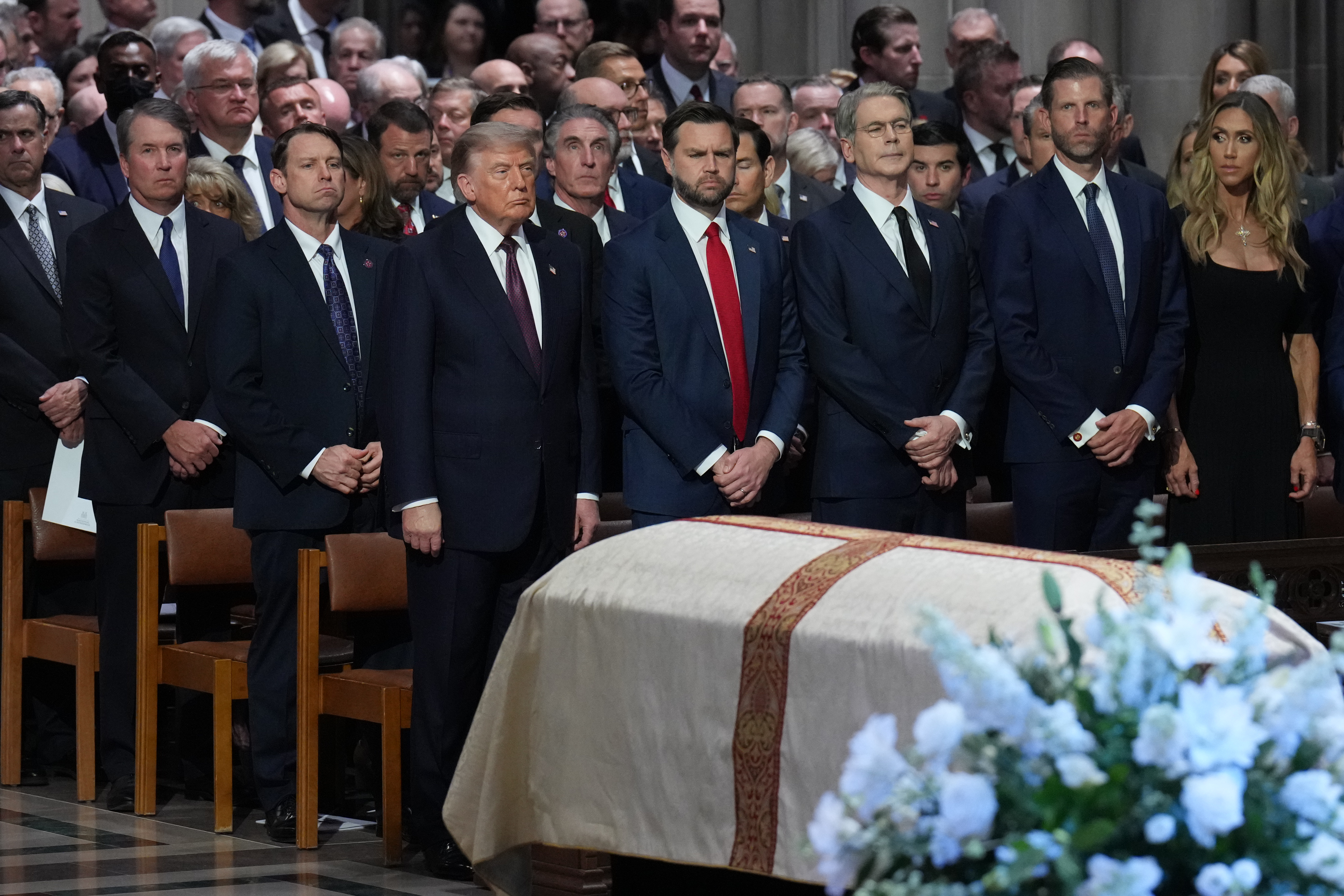
Sen Richard Blumenthal (D-Conn), a co-author of the sanctions bill, described it as a way to punish China and India for helping bankroll Russia's war by continuing to buy Russian energy.
“To be really blunt, China and India are the main culprits here,” he told reporters Tuesday night, adding, “They purchase the vast majority of oil and gas. They are fueling Russia’s war machine and they are doing us no favors anywhere else in the world.”
Lawmakers who opposed Lindsey Graham's sanctions bill
Although Graham's sanctions bill won overwhelming support in the Senate, a small group of lawmakers opposed it, arguing it would expand Trump's authority to impose tariffs.
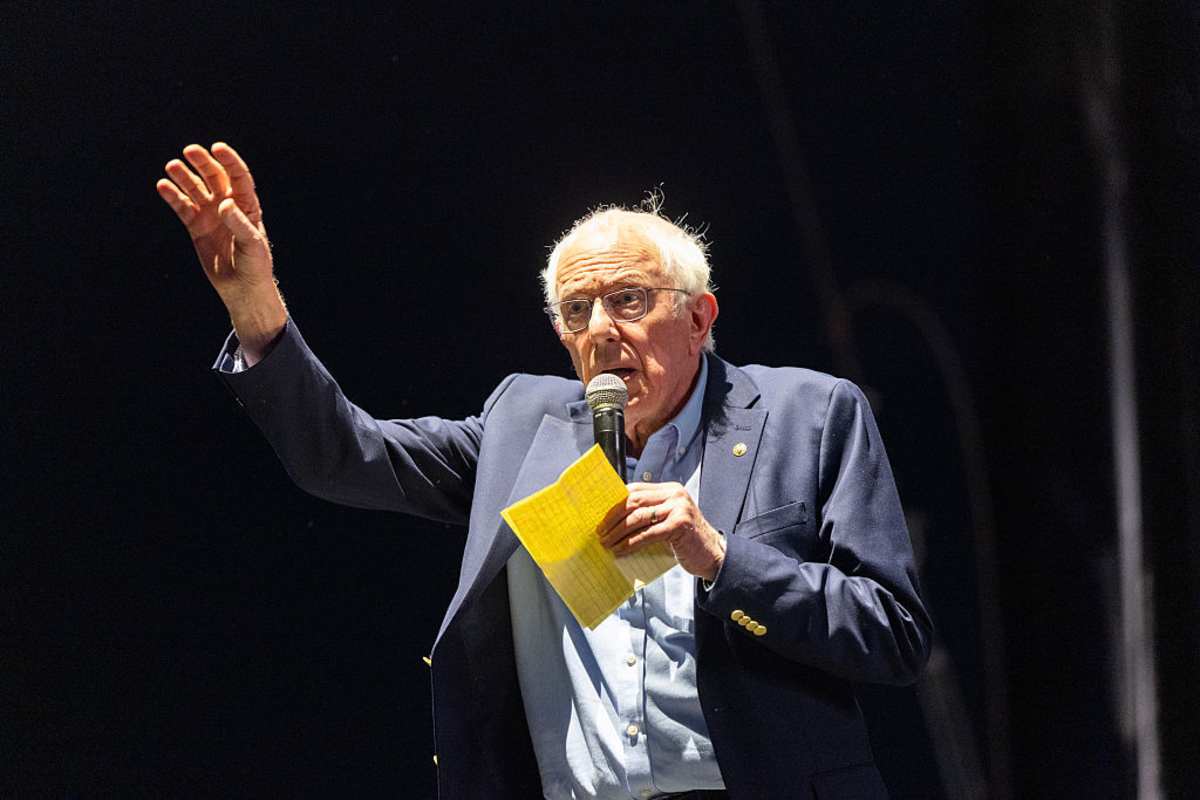
Ten Democrats — Lisa Blunt Rochester (D-Del), Maggie Hassan (D-NH), Mazie Hirono (D-HI), Andy Kim (D-NJ), Ed Markey (D-MA), Jon Ossoff (D-GA), Alex Padilla (D-CA), Elizabeth Warren (D-MA), Peter Welch (D-Vt), and Ron Wyden (D-Ore), voted against the bill, along with Sen Bernie Sanders (I-Vt), an independent who caucuses with Democrats.
Sen Rand Paul (R-Ky) was the only Republican to vote against the bill.
In a statement, Wyden criticized the bill for expanding the president's authority to impose tariffs, saying, “It is extremely dangerous to give Trump massive new tariff powers, particularly after we’ve seen the disastrous impacts of his corrupt, chaotic, and inflationary tariff spree.”
Wyden said he plans to offer an amendment to change some of the tariff provisions as the Senate debates the measure this week.
Rep Gregory Meeks (D-NY), the top Democrat on the House Foreign Affairs Committee, slammed the bill as “a massive backdoor authority for President Trump to impose more tariffs, including on our European allies, that hurt American families.”