Why Lindsey Graham's Russia sanctions bill could hit Moscow harder than previous US measures
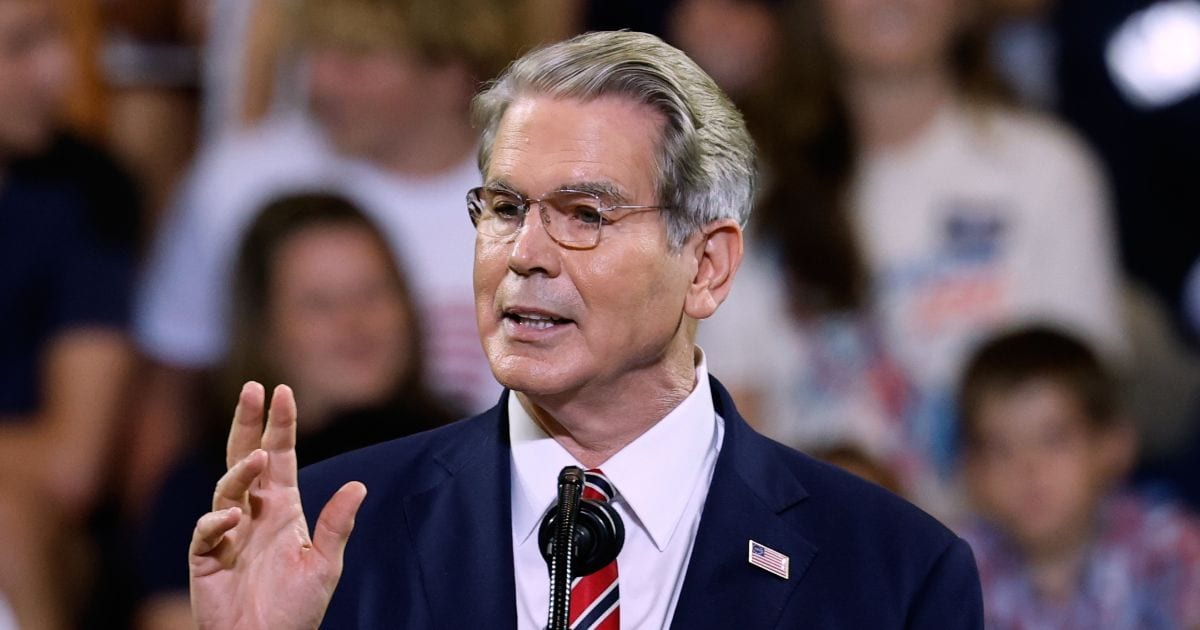
WASHINGTON, DC: The Senate on Tuesday, July 28, overwhelmingly voted 86-12 to advance a sweeping bipartisan Russia sanctions bill that late Senator Lindsey Graham (R-SC) had spent months pushing through Congress.
The vote came on the day of Graham's funeral, with several senators describing the legislation as part of his legacy.
The bill, later renamed in Graham's honor, is expected to receive a final Senate vote later this week before moving to the House when lawmakers return from the August recess.
Key provisions of Lindsey Graham's Russia sanctions bill
The legislation would significantly expand US sanctions against Russia by targeting the country's energy sector and the so-called "shadow fleet" of older, reflagged oil tankers that Moscow has used to transport crude oil while evading existing US sanctions on its oil exports.
The bill would also authorize tariffs of up to 100% on countries that continue purchasing significant amounts of Russian oil and natural gas, with major buyers such as China and India potentially affected if the legislation becomes law.
🇺🇸🇷🇺🇮🇷 U.S. Senate just advanced a major Russia and Iran sanctions bill by a massive 86-12 vote.
— Mario Nawfal (@MarioNawfal) July 29, 2026
It’s the Lindsey O. Graham Sanctioning Russia and Iran Act.
Gives the president power to slap tariffs of up to 100% on countries buying Russian energy, hits the shadow fleet,…
A key component of the package is the Shadow Fleet Act, which would broaden sanctions targeting vessels used to transport Russian oil, as well as major energy projects, including Arctic LNG 2, Yamal LNG, and the Nord Stream 1 and 2 pipelines.
Lindsey Graham's Russia sanctions push explained
Graham spent more than a year working with Senator Richard Blumenthal (D-Conn.) to advance the legislation, continuing his efforts until his final days.
He argued that Russia's energy exports remained one of the Kremlin's most important sources of funding for its military campaign in Ukraine.
"As Russia intensifies its slaughter of civilians, it is imperative that the legislative and executive branches work together to create tools to exact a heavy price on those who buy Russian oil and natural gas, fueling the Putin war machine," the lawmakers said in a joint statement.
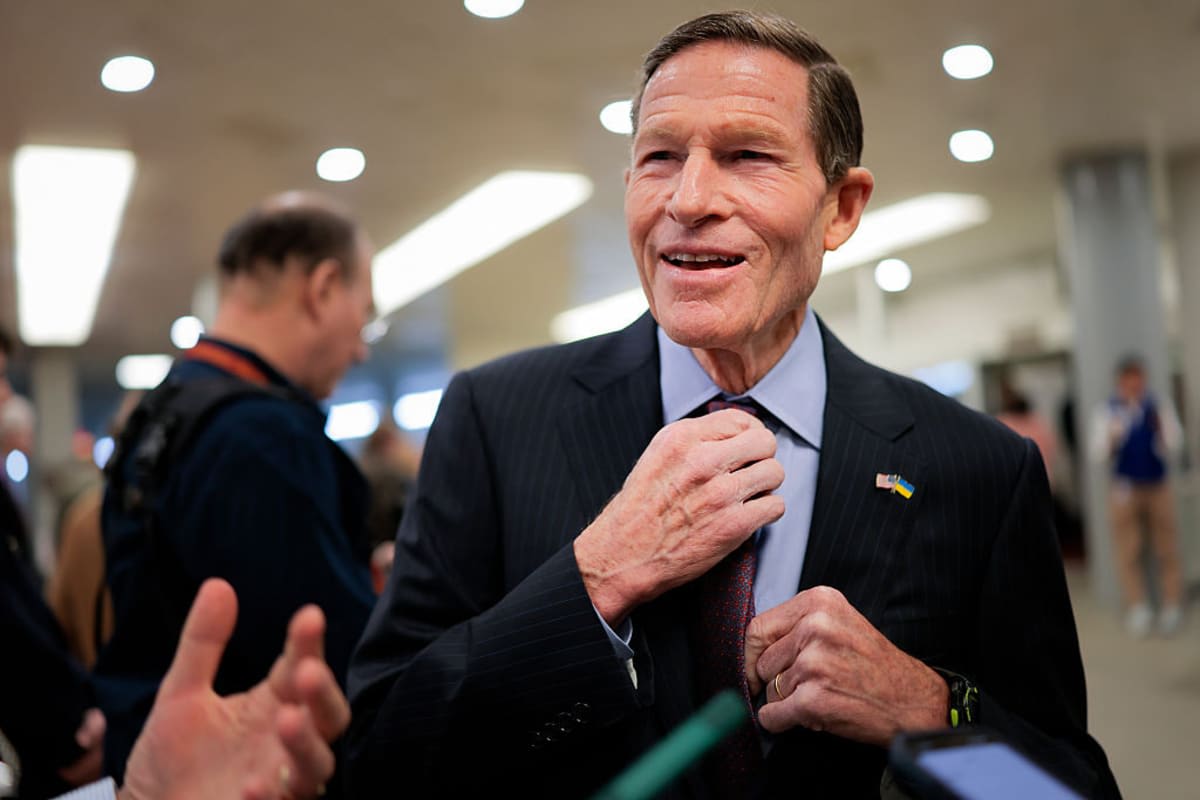
Just days before his death, Graham traveled to Kyiv to announce the agreement and said, "My hope is to end this war, and the more leverage we have over Putin, the better."
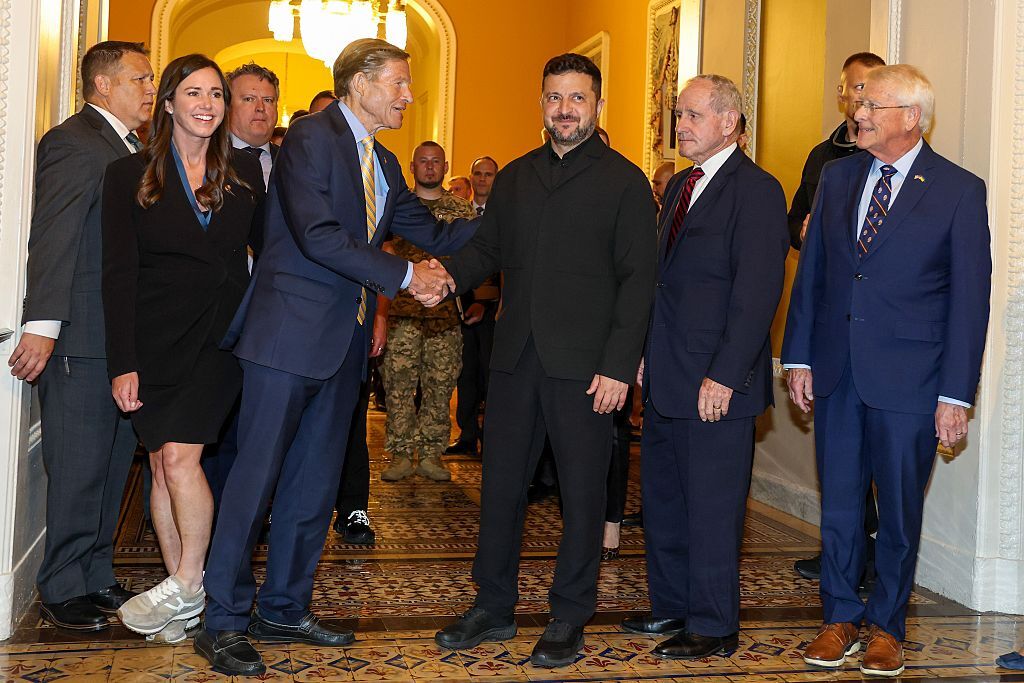
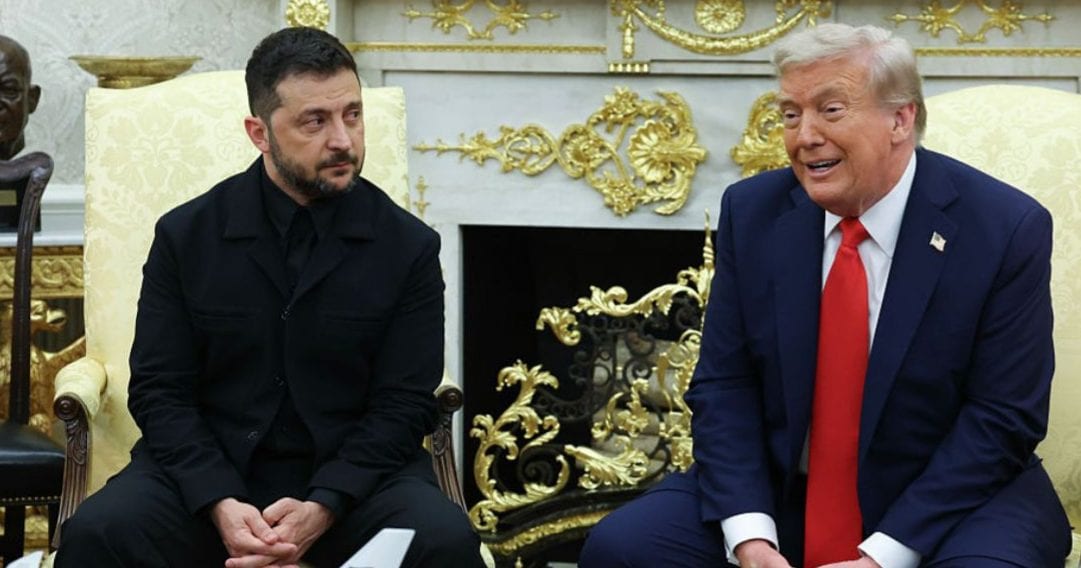
Graham was among Congress' most vocal supporters of Ukraine throughout the conflict and maintained a close relationship with President Volodymyr Zelenskyy, who attended the senator's funeral in Washington on the day the Senate advanced the legislation.
How Russia sanctions bill impacts Moscow
If enacted, the legislation would significantly increase economic pressure on Russia by targeting the revenue generated from its oil and natural gas exports, one of the country's largest sources of government income.
The bill's tariff provisions target not only Russia but also countries that continue buying its energy.
Supporters argue the threat of tariffs of up to 100% could push major importers such as China and India to seek alternative suppliers, dealing a significant blow to one of Moscow's largest sources of revenue.
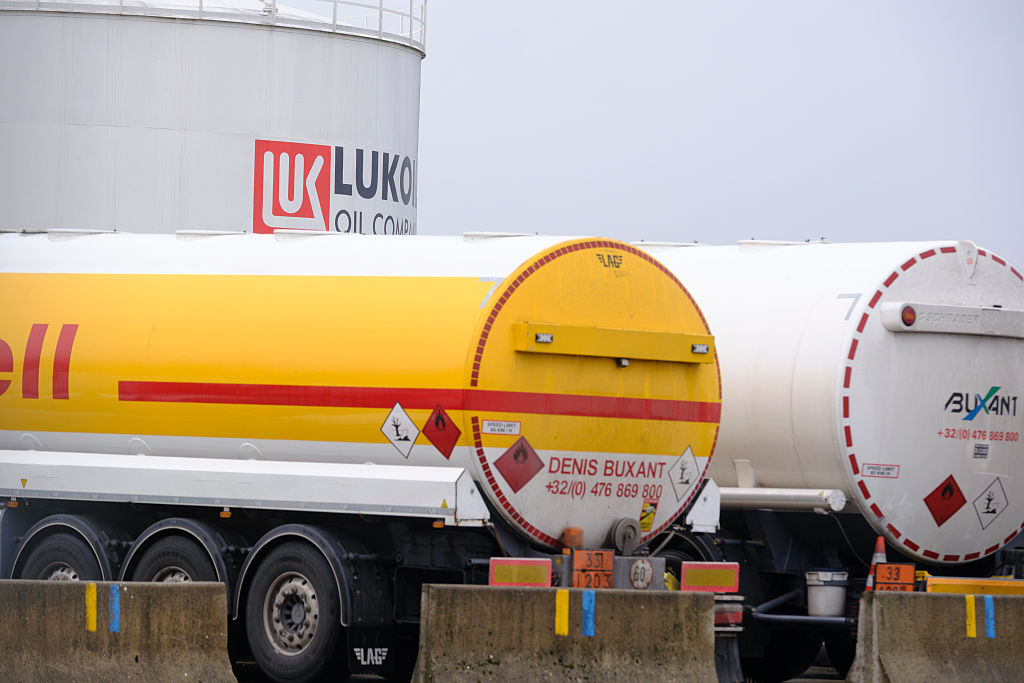
The legislation would also codify several sanctions into federal law, making them harder for future administrations to reverse.
The bill still requires final Senate approval before it can move to the House, where lawmakers are expected to consider it after returning from the August recess.