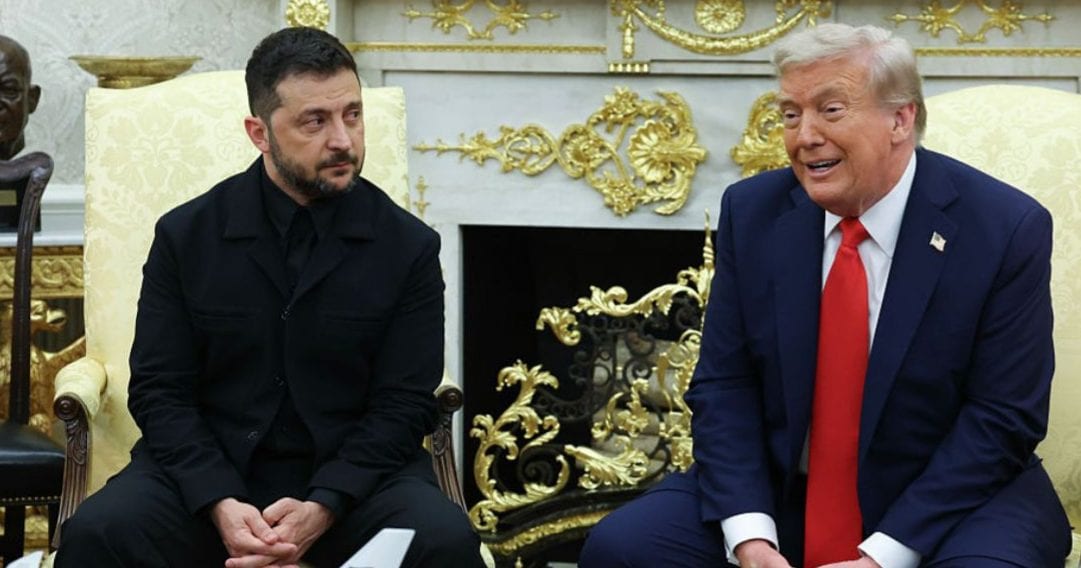
Rand Paul says ‘no evidence’ of ‘imminent threat’ to US as he challenges Iran war rationale
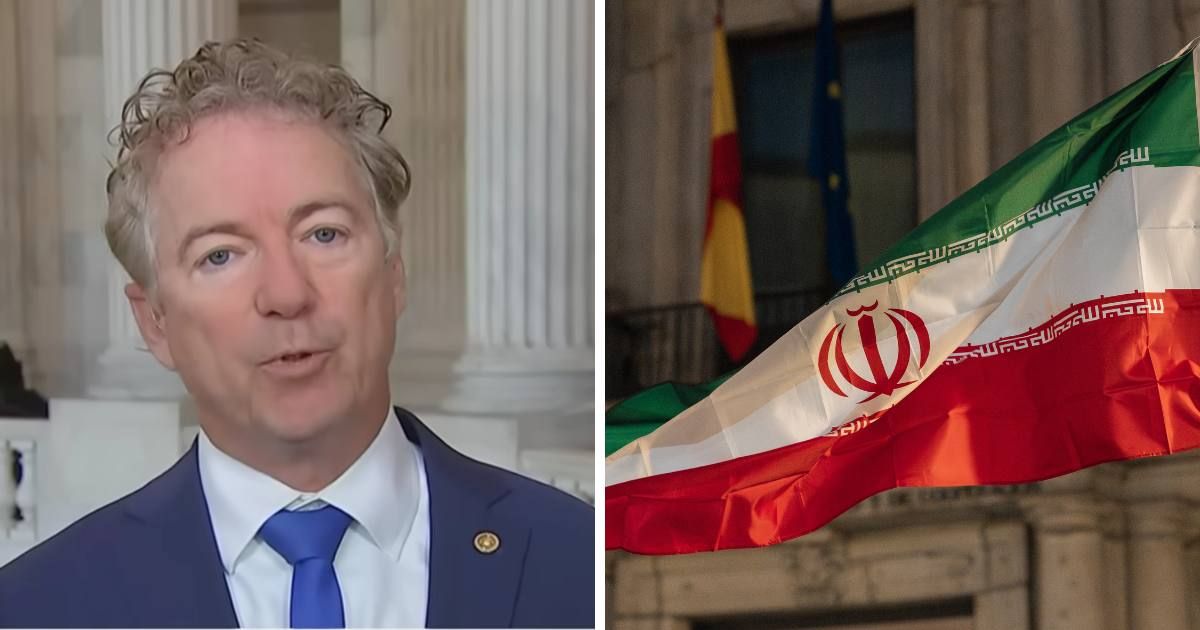
Rand Paul: "Really, the debate now should be, is a 47 year old conflict an imminent threat? Were there changes in their nuclear program that made this an imminent threat? And I don't think the evidence is there that this was an imminent threat that would allow the president to go… pic.twitter.com/cCUkl2Djdj
— Aaron Rupar (@atrupar) April 14, 2026
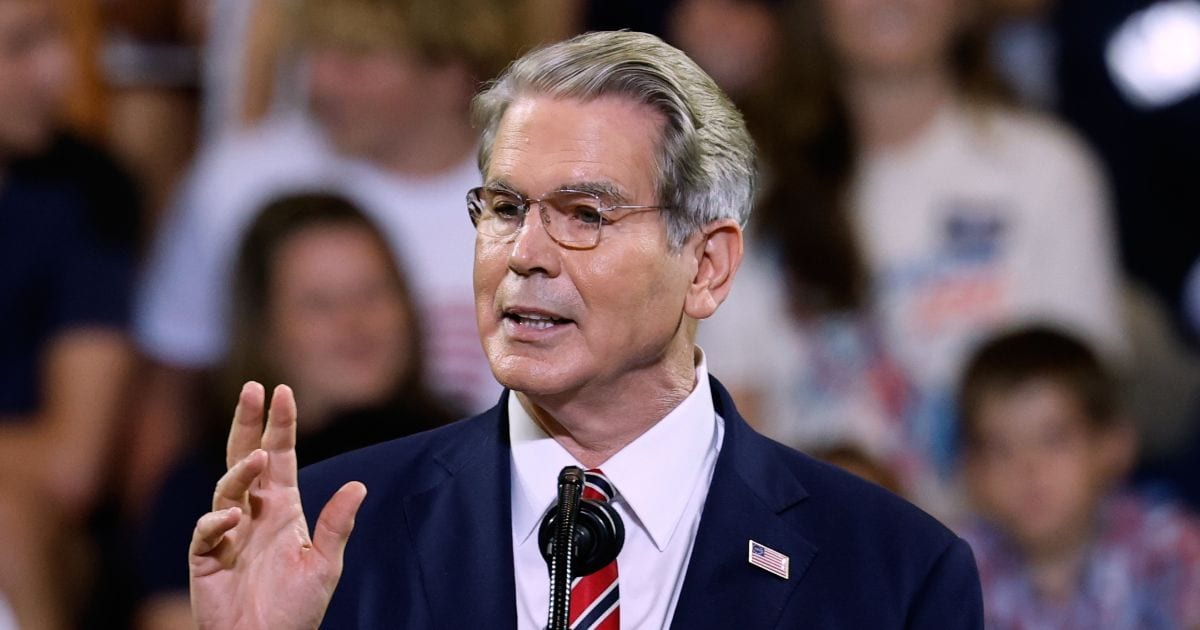
WASHINGTON, DC: Sen Rand Paul on Tuesday, April 14, during an appearance on 'Squawk Box,' stated that there was no convincing evidence to suggest Iran posed an imminent threat to the United States, raising questions about the justification behind recent military actions.
His remarks came amid a fragile ceasefire following six weeks of intense fighting, during which the US and Israel launched coordinated strikes on February 28 targeting Iran’s political and military leadership after negotiations over its nuclear program collapsed.

Rand Paul comments on War Powers Act and Iran threat
During the interview, co-host Joe Kernen acknowledged Paul’s consistent stance on constitutional war powers, noting the difficulty of maintaining such a position in real-world politics.
Paul defended his role, stating, "if not me, who will do it? Somebody needs to do it. And people say, ‘Oh, be on the team.’ There’s enough people on the team."
Paul continued, "There needs to be somebody not on the team on occasion who says, ” You know what, we have to vote on the initiation of war, it’s our obligation. And that’s what our founders put in there, because they didn’t want all the power in one person.”
Kernen pointed out that the War Powers Act has often been bypassed in conflicts such as Libya and Kosovo, raising questions about its relevance.

Paul responded, “The interesting thing about the War Powers Act is it’s misreported all the time. It’s misreported it as a reporting requirement that after 60 days, the president needs to report. Well, people don’t read the whole War Powers Act."
He further explained, "War Powers Act only says there’s three instances when a president can go to war, a declaration by Congress, use of authorization of force by Congress or an imminent threat. So really, the debate now should be is a 47-year-old conflict and imminent threat."
Paul then concluded his remarks, "Were there changes in their nuclear program that made this an imminent threat? I don’t think the evidence is there that there was an imminent threat that would allow the president to go to war on his own.”
Trump hardline stance fuels Iran war debate
The debate further intensified after the resignation of Joe Kent, the Director of the National Counterterrorism Center, who stepped down last month while citing similar concerns.
In a public statement, he claimed Iran did not "pose an immediate threat" and suggested the war was initiated due to pressure from Israel and its American lobby,an assertion denied by President Donald Trump.
Kent stated he could not support the administration’s actions “in good conscience.”
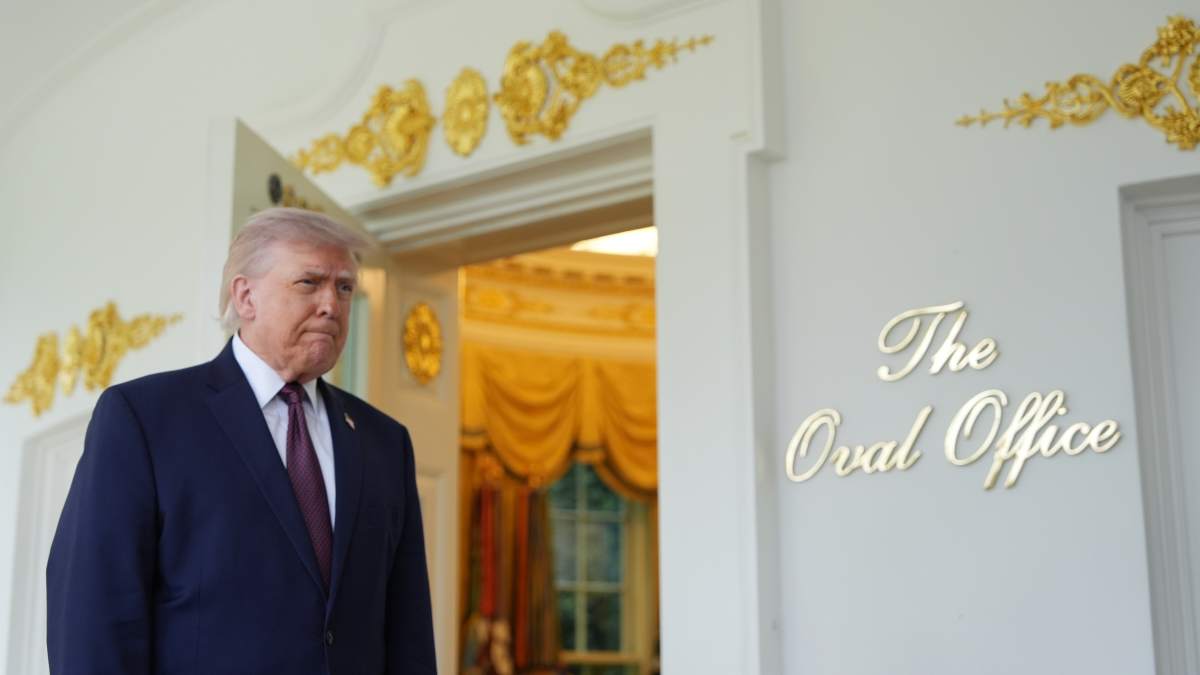
Responding from the Oval Office, Trump dismissed Kent’s position, calling him “weak on security” and asserting that individuals who do not view Iran as a threat are neither “smart” nor “savvy.” He maintained that Iran represented a “tremendous threat.”
Trump has also indicated that diplomatic talks with Iran could resume within days, possibly involving Pakistan. He referenced a potential shift toward Islamabad, praising Field Marshal Asim Munir and noting prior engagement during Pakistan’s conflict with India, which ended after a US-brokered peace deal.
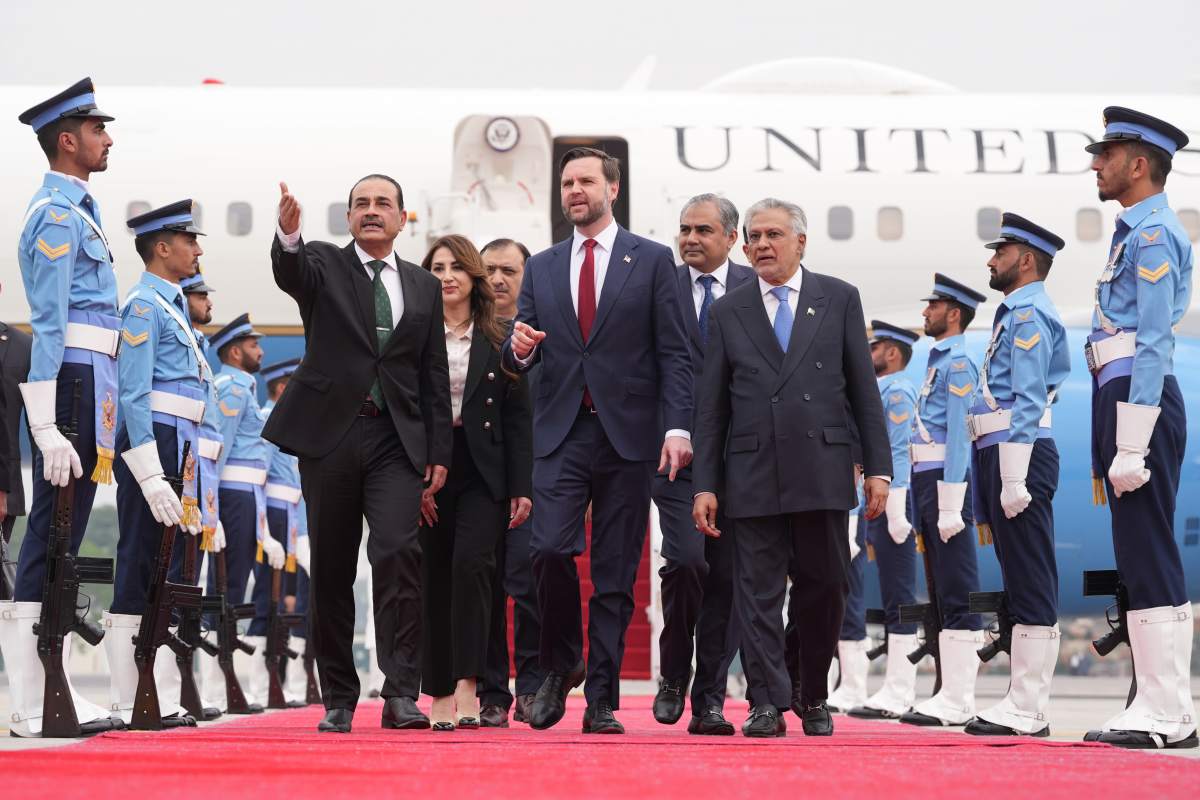 JD Vance, center, walks with Field Marshall Asim Munir, and Pakistani Deputy Prime Minister and Foreign Minister Mohammad Ishaq Dar after arriving for talks with Iranian officials in Islamabad, Pakistan, Saturday, April 11, 2026 (AP Photo/Jacquelyn Martin, Pool)
A recent meeting in Islamabad, attended by Vice President JD Vance and Iranian Parliament Speaker Mohammad Bagher Ghalibaf, concluded without agreement.
Iranian state media confirmed exchanges between Tehran and Pakistan but reported no confirmed plans for further negotiations with the US.
Trump reiterated his firm stance against Iran acquiring nuclear weapons, rejecting proposals such as a temporary enrichment moratorium that might allow Iran to claim a political victory.
Supporting this position, Andrea Stricker, deputy director and research fellow for the Foundation for Defense of Democracies’ Nonproliferation Program, argued that even a temporary suspension would present verification challenges and increase the risk of non-compliance.