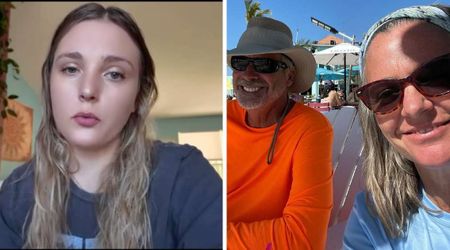
Julia DeFoor, trans daughter of Democrat donor surgeons ID’d as JD Vance home attack suspect
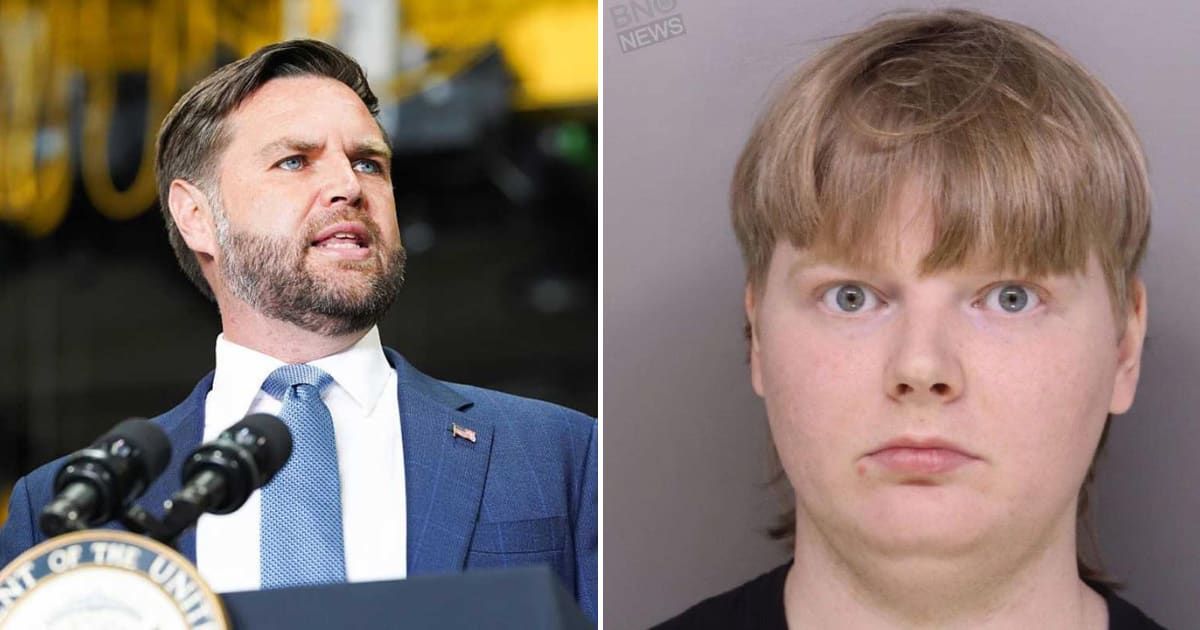
CINCINNATI, OHIO: An individual accused of attacking Vice President JD Vance’s home in Ohio has been identified as a transgender woman who is the daughter of prominent pediatric surgeons known for donating to Democratic causes. The incident involved damage to Vance’s private residence in Cincinnati and prompted a response from local and federal law enforcement.
Authorities said the vice president and his family were not present at the home when the attack occurred. The suspect was detained at the scene, and the investigation remains ongoing as officials review evidence and determine the appropriate charges.
Suspect in JD Vance home attack identified
🚨🇺🇸 BREAKING: JD VANCE HOME ATTACKER IDENTIFIED AS TRANS DAUGHTER OF DEMOCRAT DONOR SURGEON
— Mario Nawfal (@MarioNawfal) January 5, 2026
The suspect accused of smashing windows at Vice President JD Vance’s Ohio home has been identified as Julia DeFoor, a transgender woman formerly known as William DeFoor, and the daughter… https://t.co/HNMPAYRGup pic.twitter.com/ZyyDD7eCjg
The suspect was identified as Julia DeFoor, 26, a transgender woman formerly known as William DeFoor. She is the daughter of William and Catherine DeFoor, both well-known pediatric surgeons who have made political donations to Democratic candidates and causes, including campaigns associated with former President Joe Biden and former Vice President Kamala Harris.
Law enforcement officials said DeFoor allegedly smashed windows at Vice President JD Vance’s Cincinnati residence using a hammer. The home, located in the Hyde Park neighborhood, is valued at approximately $1.4 million. She was detained shortly after the incident and later arrested on multiple charges related to property damage.
Authorities have not publicly disclosed a motive, and investigators cautioned that no conclusions had been reached regarding intent.
I appreciate everyone's well wishes about the attack at our home. As far as I can tell, a crazy person tried to break in by hammering the windows. I'm grateful to the secret service and the Cincinnati police for responding quickly.
— JD Vance (@JDVance) January 5, 2026
We weren't even home as we had returned…
Prior criminal record cited by authorities
Court records showed that DeFoor had a prior criminal case. In 2024, she pleaded guilty to vandalizing an interior design firm, an incident that resulted in property damage and criminal charges. Officials said the prior conviction was part of routine background checks conducted during the investigation.
Investigators declined to comment on whether the earlier case had any direct connection to the alleged attack on Vance’s home.
JD Vance family was away during incident
Vice President JD Vance later acknowledged the incident in a social media post, thanking the Secret Service and the Cincinnati Police Department for their swift response. He said an individual attempted to break into the home by hammering the windows and expressed gratitude that no one was injured.
Vance’s press secretary, Taylor Van Kirk, confirmed that the vice president and his family were in Washington, DC, at the time of the incident and were not present at the Cincinnati residence when the damage occurred.
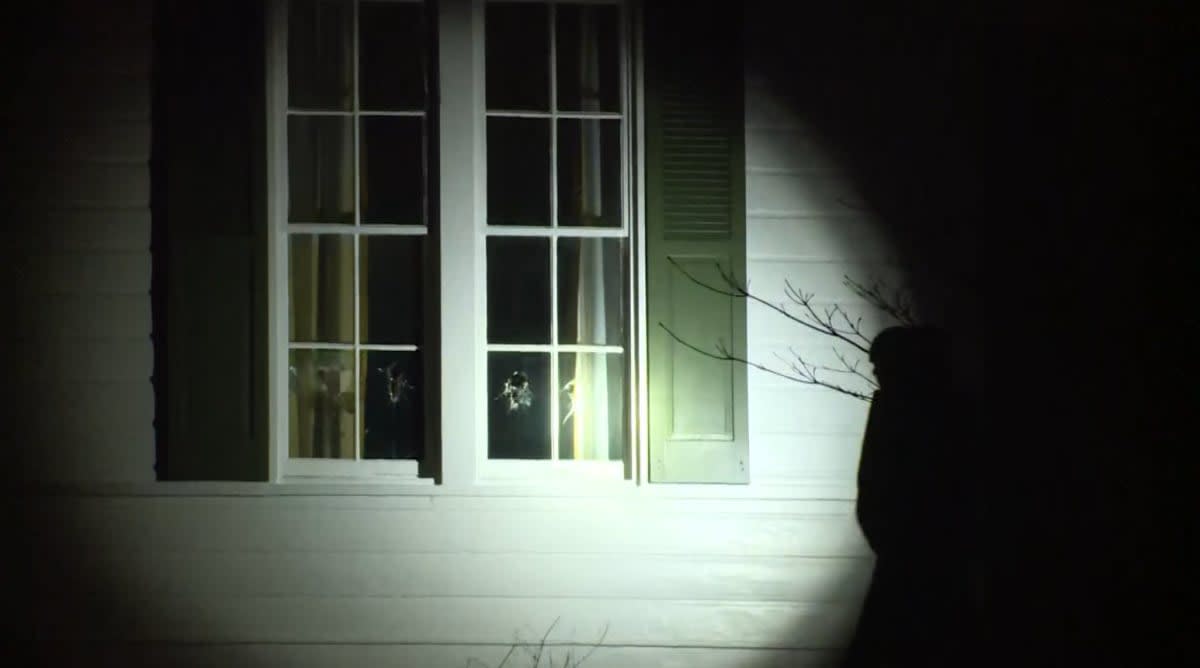
Secret Service and Cincinnati police review evidence
Secret Service spokesperson Anthony Guglielmi said the agency was coordinating with the Cincinnati Police Department and the US Attorney’s Office as charging decisions were reviewed.
“The US Secret Service is coordinating with the Cincinnati Police Department and the US Attorney’s Office as charging decisions are reviewed,” Guglielmi said in a statement.
Authorities said the investigation remained active, with federal and local officials reviewing surveillance footage from the neighborhood and nearby security cameras. Officials declined to say whether the suspect acted alone or whether investigators were examining any online activity or prior threats connected to the incident.
The Secret Service routinely investigates threats or damage involving protectees’ private residences, even when the individuals are not present, as part of its broader mandate to assess security risks.