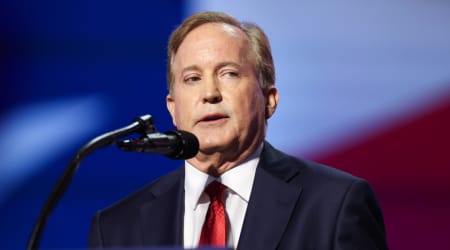
Iran mocks Trump as ‘unstable,’ denies his ceasefire claim amid oil market turmoil
WASHINGTON, DC: Tensions between the United States and Iran intensified on Wednesday, April 1, after Iranian officials rejected President Donald Trump’s claim that Tehran had sought a ceasefire.
The exchange comes ahead of a scheduled White House update later in the evening, as the conflict continues to impact global markets and regional security.
Earlier in the day, Trump stated on Truth Social that Iran had reached out to the US regarding a potential end to hostilities.
He added that any de-escalation would require the reopening of the Strait of Hormuz, a key global shipping route that has been disrupted amid ongoing military activity.
Iran denies Truth Social ceasefire claims
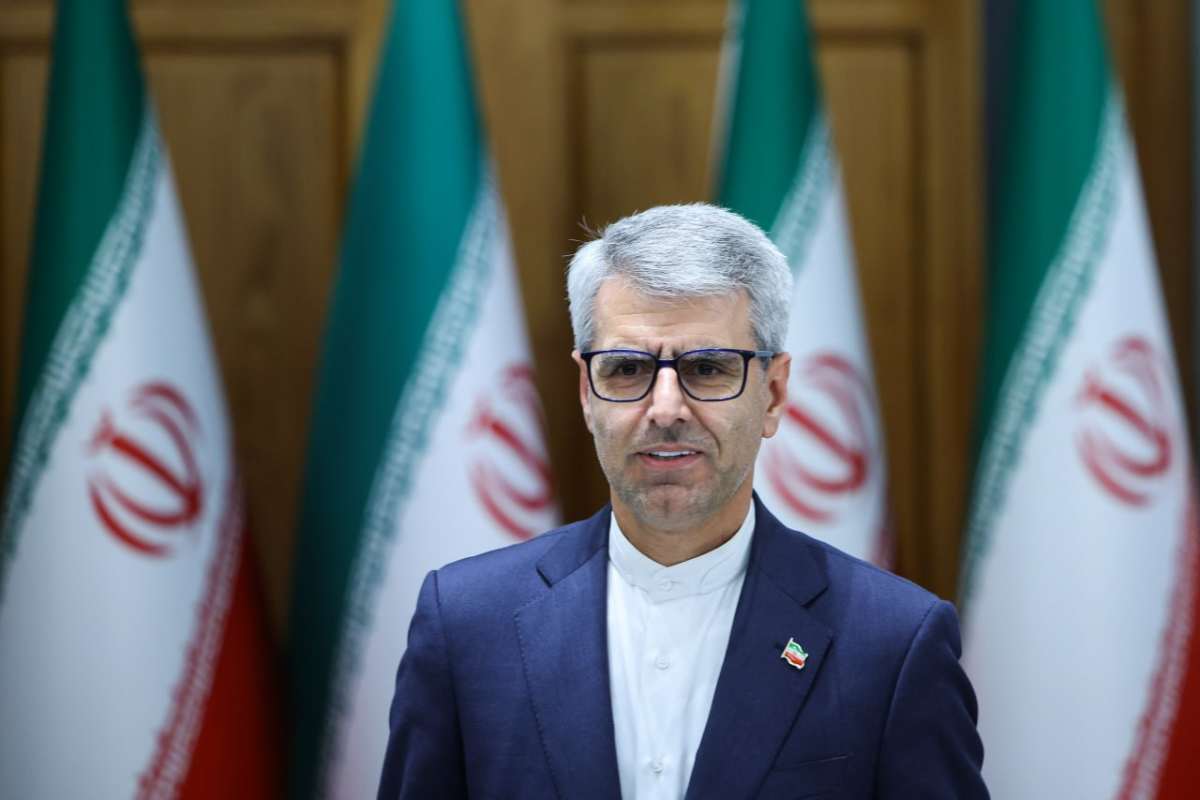
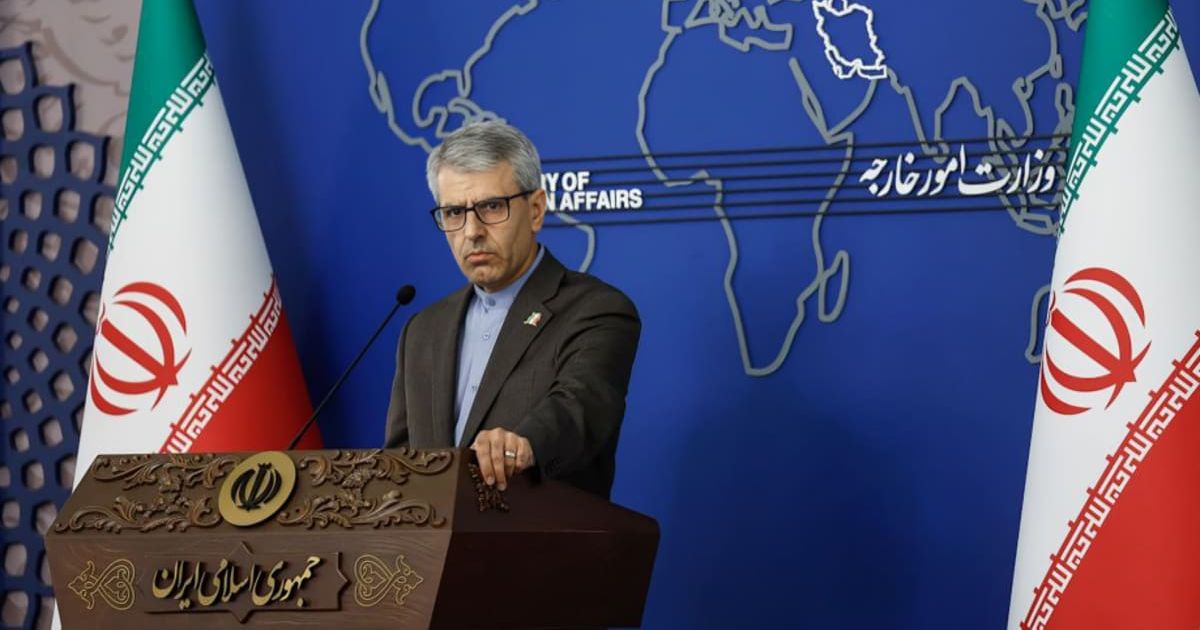
Iran’s Foreign Ministry spokesperson Esmail Baghaei, speaking to Al Jazeera, denied that any such request had been made. “This is not true,” Baghaei said, rejecting the US President’s assertion.
Diplomatic communication between the two sides has largely taken place through intermediaries, including regional actors such as Turkey and Egypt.
The Strait of Hormuz remains a central issue in the dispute. The waterway, which handles a significant portion of global oil shipments, has seen disruptions due to both Iranian actions and US-led military responses.
Official slams Trump’s ‘eccentric’ wartime personality

A senior Iranian official, speaking to CNN, also questioned the reliability of the President’s public statements, describing them as inconsistent with ongoing diplomatic signals.
The official characterized Trump’s communication style as unpredictable, while declining to provide details on any back-channel discussions.
The remarks come as both sides continue to exchange statements without confirming any formal negotiation process.
Hormuz deadlock remains a global crisis
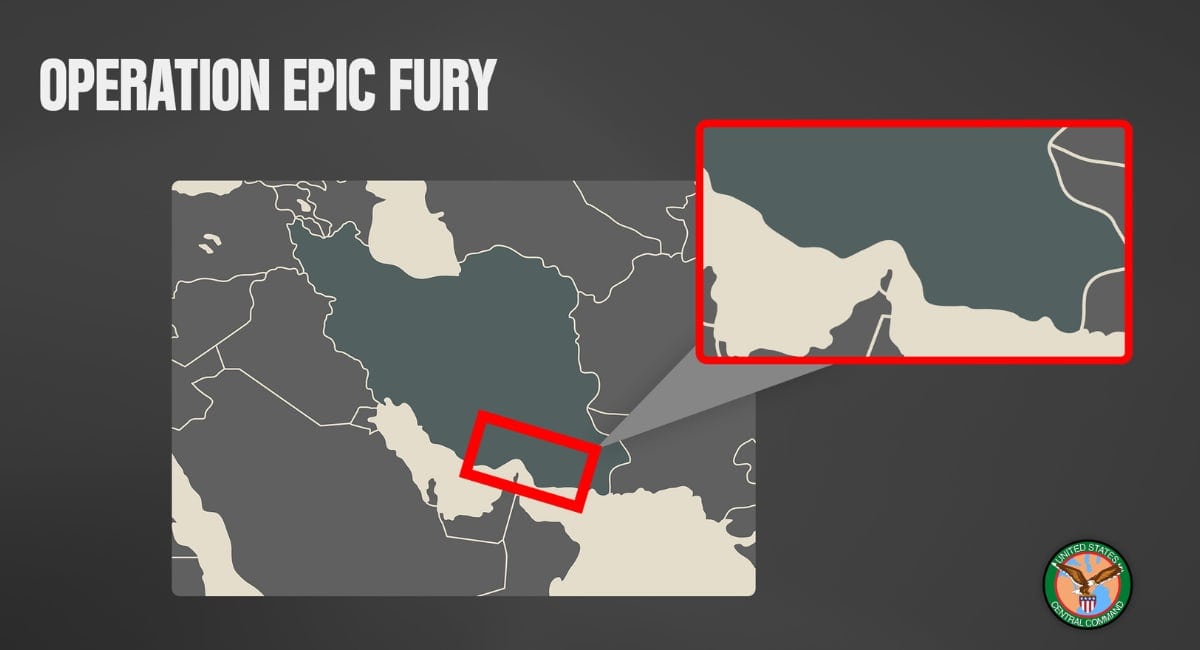
Despite claims of potential progress, the situation in the Strait of Hormuz remains unresolved. While some limited movement of vessels has been reported, the route has not returned to normal operations.
The disruption has contributed to rising global energy prices and concerns among countries dependent on oil shipments through the region.
US officials have emphasized the importance of restoring secure passage, while also signaling that military operations will continue.
Military strikes continue until full compliance
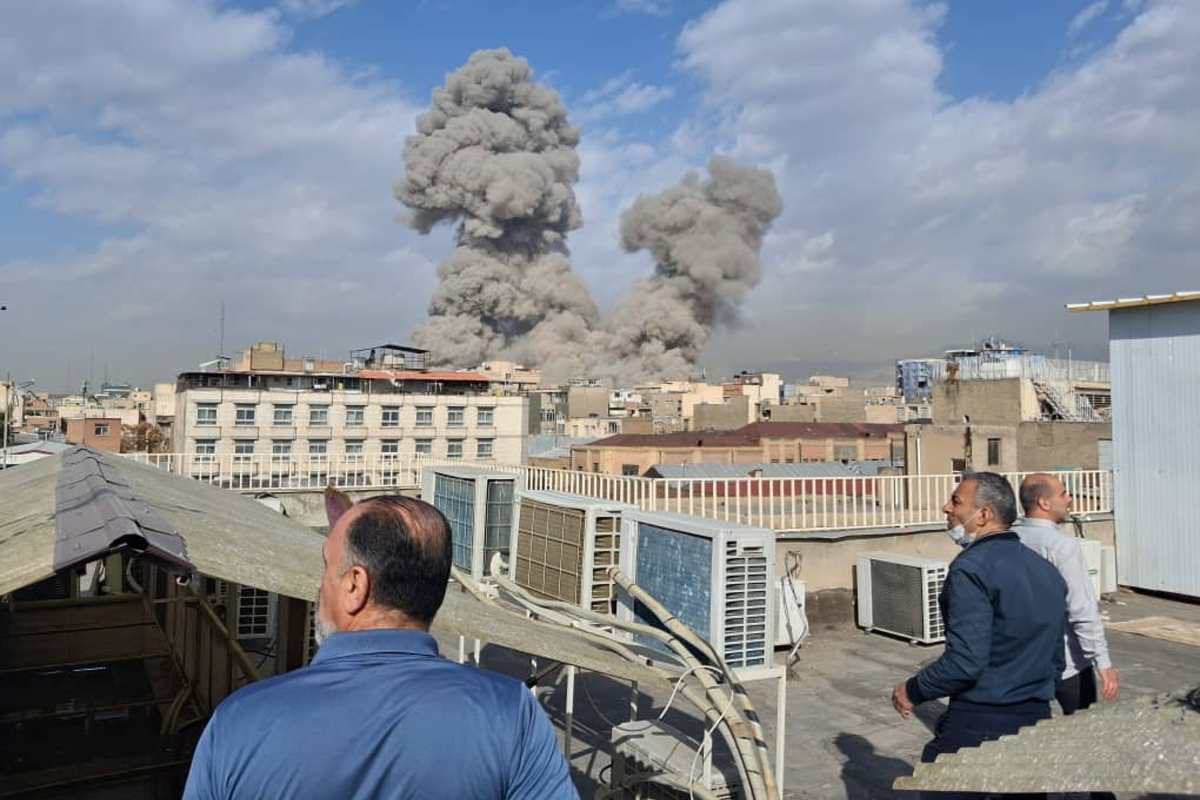
The White House has not announced any pause in military activity. Officials have indicated that operations will proceed as planned while diplomatic options remain under consideration.
The Pentagon has continued to position additional forces in the region, including airborne and rapid-response units, as part of broader contingency planning.
With both sides maintaining firm public positions, the situation remains fluid ahead of the anticipated White House update, which could provide further clarity on the administration’s next steps.