Fact Check: Is Trump planning to revive 1950s immigration act to ban Muslims from office?
WASHINGTON, DC: A viral rumor circulating on social media platforms claims President Donald Trump is planning to revive the 1952 McCarran-Walter Act to bar Muslims from holding public office in the United States. The claim surfaced after seven Muslim lawmakers claimed seats in the 2026 midterm elections, sparking concern and speculation.
Claim: Trump to ban Muslims from public office
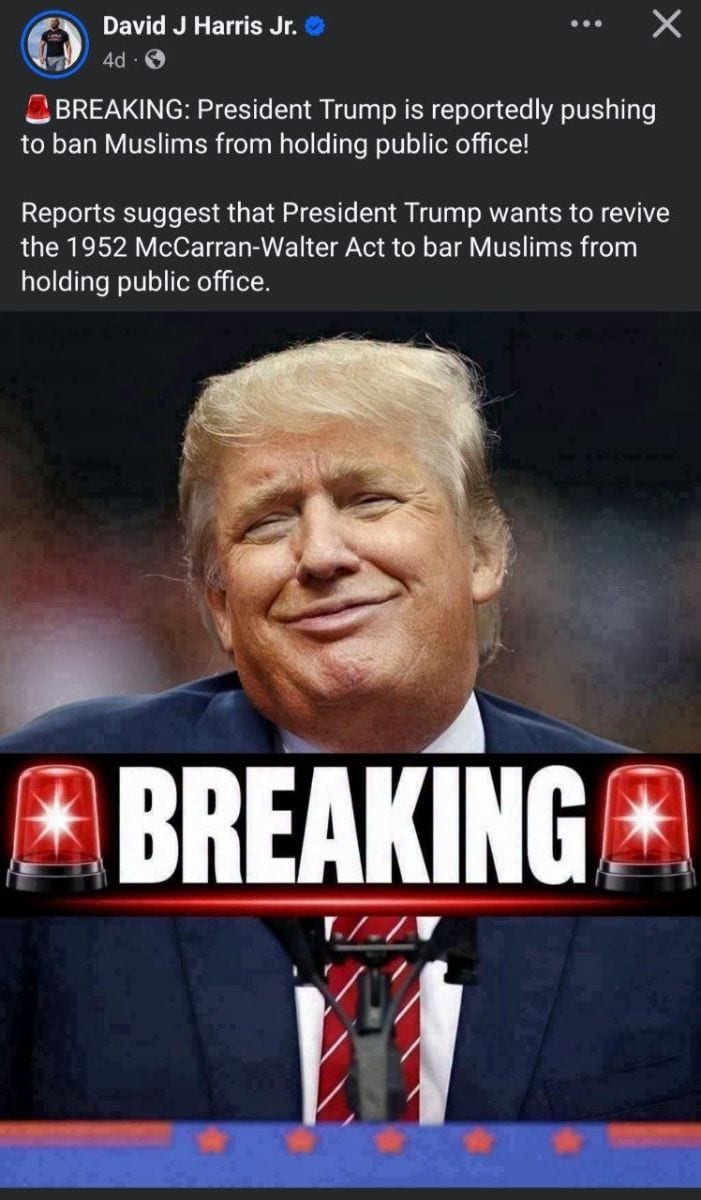
The claim has been spreading online this month, according to which Trump was planning to "revive" immigration and nationality legislation from 1952 to bar Muslims from holding public office in the country.
A Facebook post sharing the claim wrote, “BREAKING: President Trump is reportedly pushing to ban Muslims from holding public office! Reports suggest that President Trump wants to revive the 1952 McCarran-Walter Act to bar Muslims from holding public office.”
The claim also spread on X and TikTok, collectively garnering millions of views as of this writing, drawing criticism and concern from online users and suggesting many believe it's true.
Meanwhile, a few others remained skeptical and questioned the claim’s authenticity, prompting a fact-check.
Fact Check: No credible evidence to support the claim
The claim, however, is false. The 1952 act mentioned in the viral posts is unchanged. There is also no evidence that the Trump administration is planning to revive the act, which upheld controversial immigration quotas, to bar Muslims from holding public office.
The administration invoked the act once, but it was never to bar people from public office.
Although Trump has previously talked about banning Muslims, it was not about blocking anyone from public office, though it also refers to immigration policy.
If Trump had really revived the act, it would have made headlines. A Google search for the claim also returned no credible news reports.
Moreover, using this legislation would be impossible because it is unconstitutional; Article VI, Clause 3 of the Constitution bars "religious tests" from being used to determine whether a person can hold public office.
Seven Muslims won the 2026 midterm elections
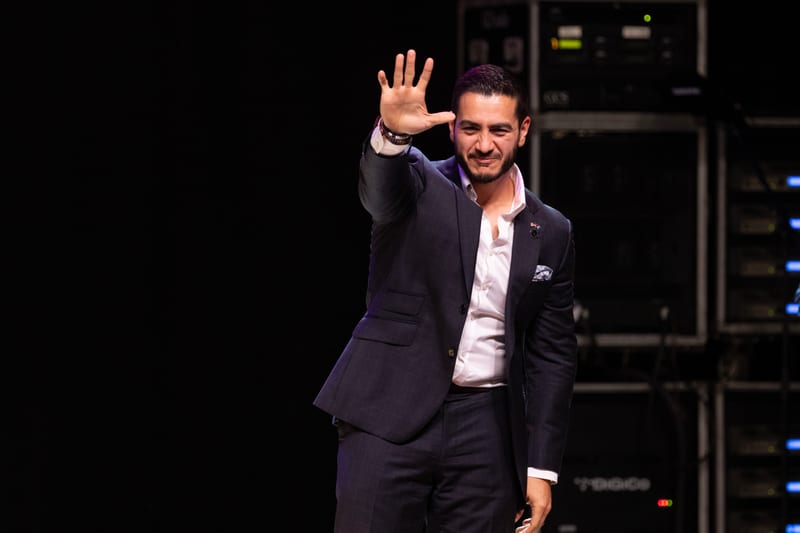
The claim surfaced after seven Muslim lawmakers claimed seats in this year’s midterm elections, boosting Muslim voices in both the House and the Senate.
Michigan Senate-elect Abdul El-Sayed broke new ground as the first Muslim elected to the Senate. Adam Hamawy and Darializa Avila Chevalier each achieved milestone victories in the House, and four Muslim incumbents, including Minnesota Congresswoman Ilhan Omar, held onto their positions.