JD Vance says Iran war is in ‘new phase’, describes economic pressure as ‘delicate dance’
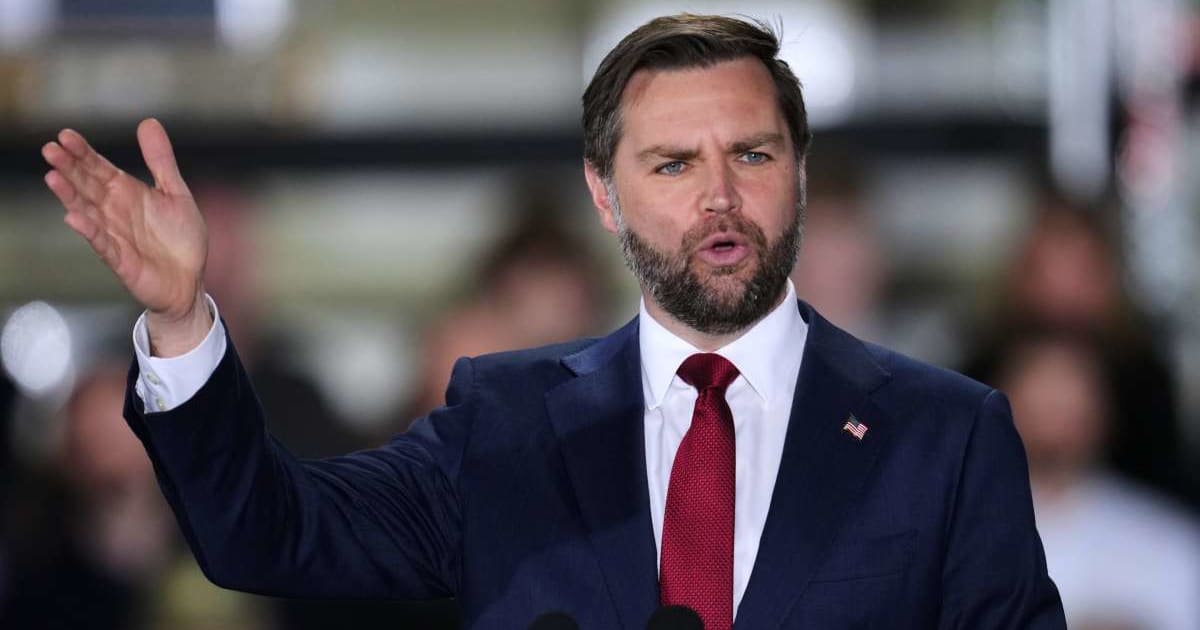
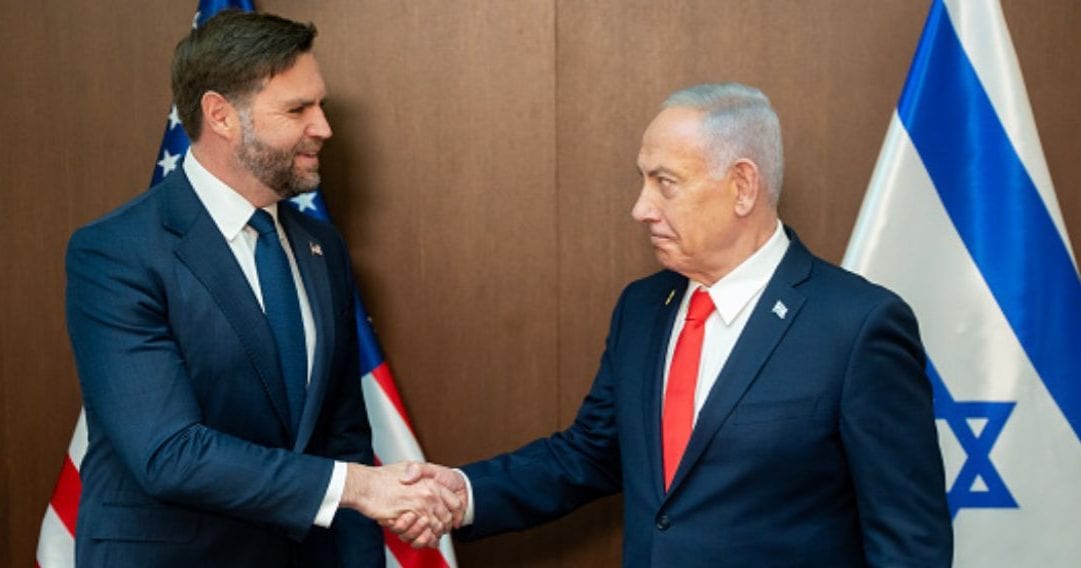
WASHINGTON, DC: Vice President JD Vance on Thursday, August 20, said that the war with Iran has entered a “new phase,” with the Trump administration increasingly relying on economic pressure rather than further large-scale military action.
Vance said that the US would continue applying pressure on Tehran while also seeking to ease energy costs for Americans. Treasury Secretary Scott Bessent echoed the approach, saying the administration is preparing what he described as an unprecedented campaign of economic isolation against Iran.
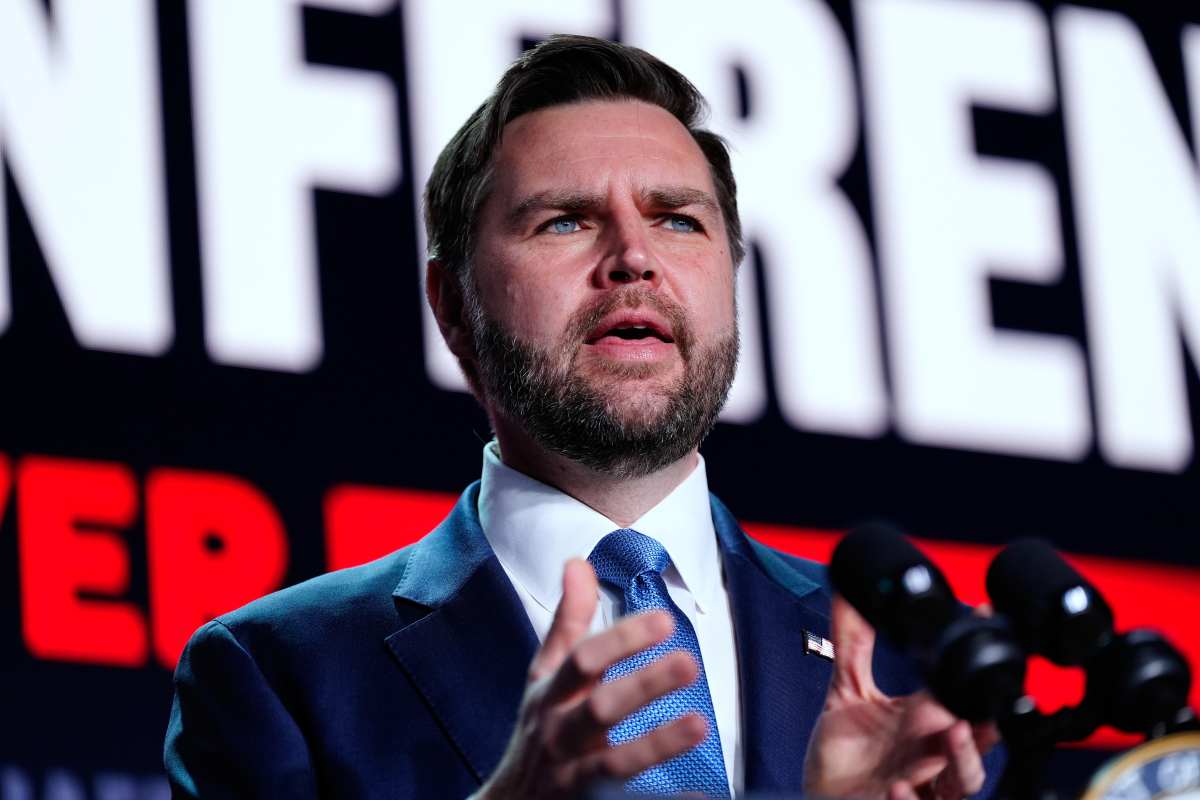
JD Vance says economic pressure is now key US tool
Speaking to 'The Clay & Buck Show', Vance said the conflict had moved into a different stage: “We're kind of now in a new phase where the most effective tool that we have is the economic pressure that we can apply to them.”
The vice president described the strategy as a “delicate dance,” arguing that economic pressure on Iran could affect the country’s willingness to reach an agreement with Washington.
JD Vance on Iran:
— Clash Report (@clashreport) August 20, 2026
We're kind of now in a new phase where the most effective tool that we have is the economic pressure that we can apply to them.
And this is a delicate dance because we apply economic pressure to them. They're going to try to apply economic pressure to us.… pic.twitter.com/xi5zS85z02
“We apply economic pressure to them, they're going to try to apply economic pressure to us,” Vance stated. “But what has been true over the last couple of weeks is they felt a lot more pressure than we have. We're going to keep that going because we think that's the best way to ultimately accomplish the final objective here.”
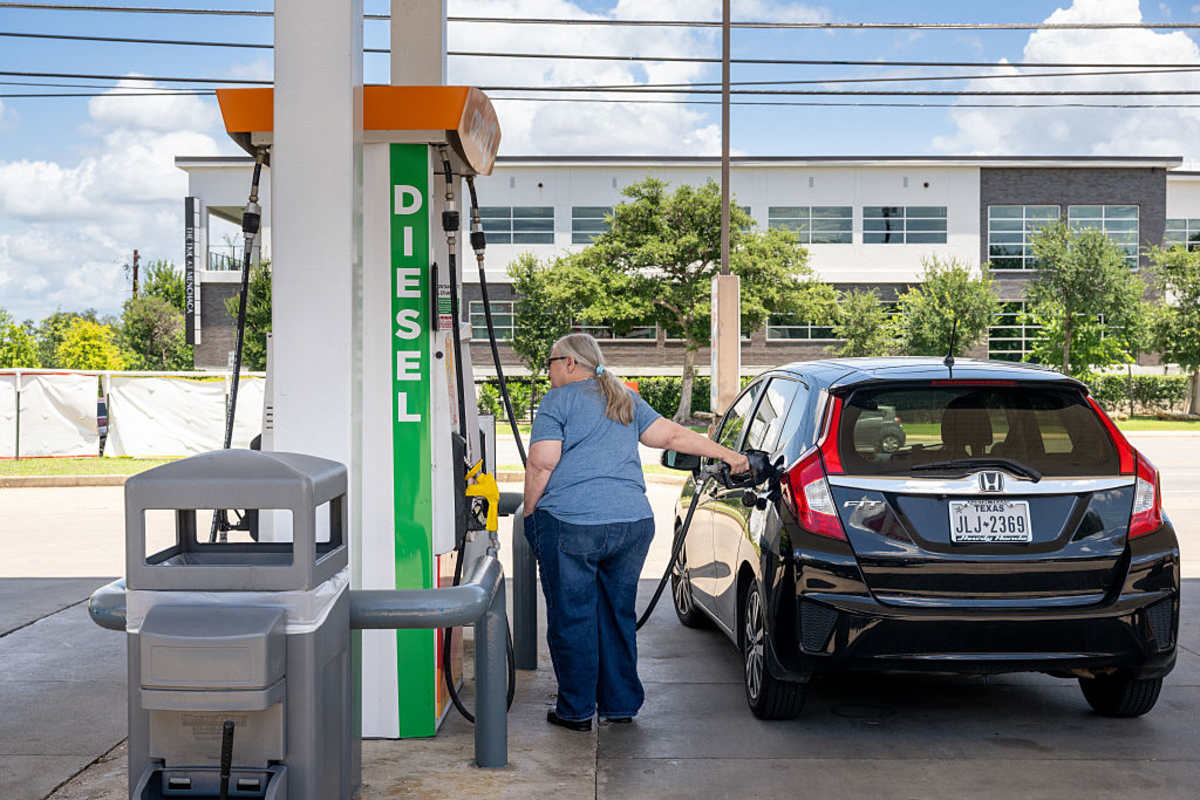
The 42-year-old noted that the administration also wants to increase energy supplies to reduce pressure on US consumers while continuing to punish Iran for attacks on commercial shipping.
“If we can get enough oil and gas out to give some Americans some ease at the pump, some ease on energy prices, meanwhile the Iranians are punished for shooting at commercial ships, that just applies a lot of economic pressure to them,” Vance said.
JD Vance on Iran:
— Clash Report (@clashreport) August 20, 2026
If we can get enough oil and gas out to give some Americans some ease at the pump, some ease on energy prices, meanwhile, the Iranians are punished for shooting at commercial ships.
That just applies a lot of economic pressure to them and that changes their… pic.twitter.com/2XaDK9ufKf
He added that the pressure could influence Tehran’s approach to negotiations, saying Iran could choose between continued economic isolation or a better relationship with Western countries.
Scott Bessent vows 'greatest coordinated economic isolation in the history of the world'
Bessent on Thursday, August 20, also echoed Vance’s statement, stating that the administration’s economic strategy could make a large-scale resumption of military operations less likely. “If we are doing the maximum economic pressure, then that means that likely there will not be a large-scale kinetic restart,” he said, while stressing that the approach could change.
The Treasury Secretary noted Washington would target financial transfers, Iranian oil purchases and seaborne ship transfers as part of what he called “the greatest coordinated economic isolation in the history of the world.”
BREAKING: US Treasury Secretary Bessent acts surprised as to why Trump's "Economic D-Day" announcement didn't crash oil prices as he hoped for.
— The Hormuz Letter (@HormuzLetter) August 20, 2026
"We have a spike in oil prices that I don't really understand" pic.twitter.com/InbdpPPZ97
He said the administration would pressure allies to choose whether to continue doing business with Iran and warned that the US Treasury would enforce sanctions against those that did. Bessent also said he would hold a press conference on Monday to detail the administration’s next steps.
ادعا می کنند ایران در آستانه شکست است و به یک نخ بند است، اما به همه متحدانشان التماس می کنند که کمکشان کنند!
— Gharibabadi (@Gharibabadi) August 20, 2026
مشکل، محاسبات غلطی است که هر بار برای پوشاندنش، مجبور میشوند شکست بزرگتری برای خودشان بسازند.
جنگ نظامی نتیجه نداد، حالا اسم شکست بعدی را «جنگ اقتصادی» گذاشتهاند.
Iran has, however, rejected the US approach. Deputy Foreign Minister Kazem Gharibabadi said that Washington’s shift to economic pressure reflected what he described as failures in the military campaign. “The military war did not work, so now they have called the next defeat an 'economic war,'” he wrote in a post on X (formerly Twitter).