JD Vance urges unity after heated conservative infighting at Turning Point USA's AmericaFest
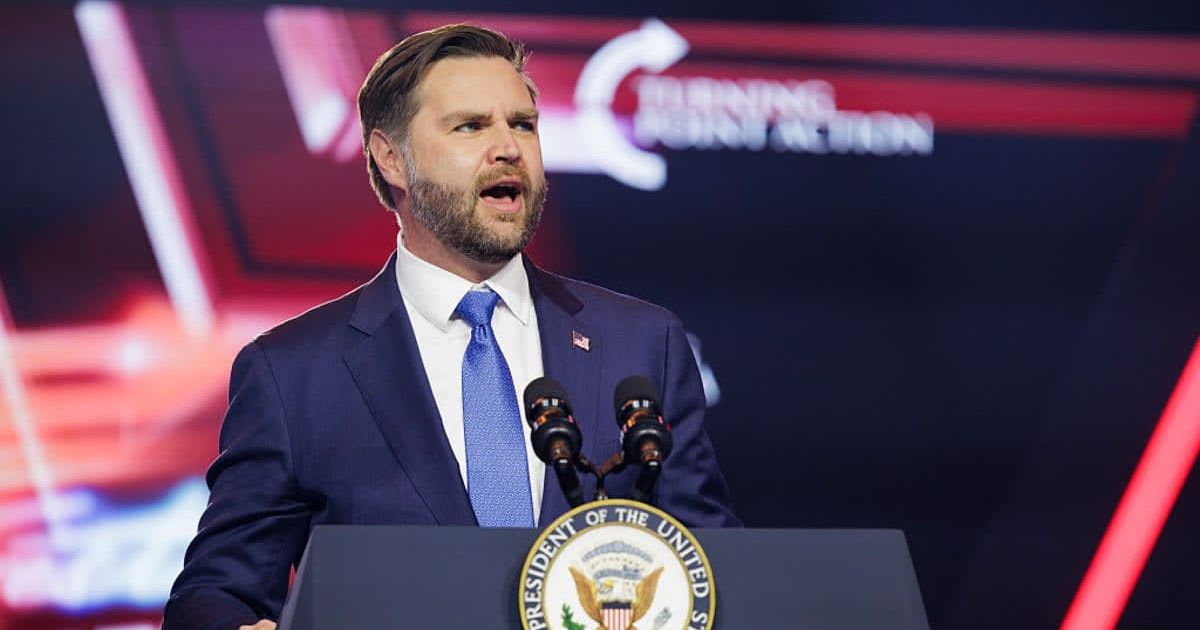
🔥🔥VP JD Vance at AmFest: "I didn’t bring a list of conservatives to denounce or to de-platform… we have far more important work to do than canceling each other.”
— Louisa Clary (@LouisaClary) December 21, 2025
"The best way to honor Charlie is that none of us here should be doing something after Charlie's death, that he… pic.twitter.com/KW7uLN7WnR
PHOENIX, ARIZONA: Turning Point USA’s annual AmericaFest put visible strain within the conservative movement on display this weekend, as prominent figures openly clashed on stage before Vice President JD Vance sought to calm tensions and redirect focus toward shared priorities.
The four-day gathering, attended by more than 25,000 people, was the first major Turning Point event since the death of founder Charlie Kirk earlier this year.
While the conference featured high-profile speakers and surprise appearances, repeated public disputes among conservative voices dominated much of the conversation leading into Vance’s closing address.
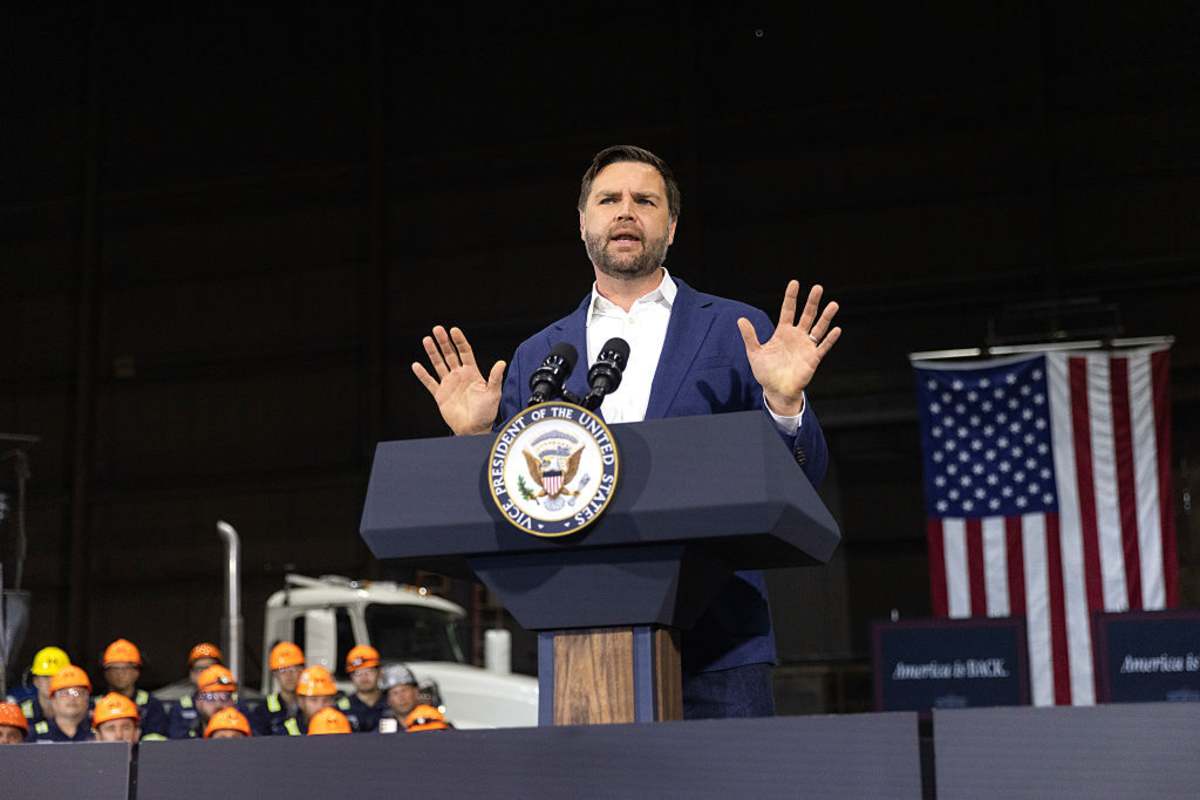
Public disputes dominate initial days of AmericaFest
The rift surfaced early when commentator Ben Shapiro criticized fellow conservative figures by name, accusing them of promoting conspiratorial thinking and undermining the movement’s credibility.
“The conservative movement is in serious danger,” Shapiro told the crowd, arguing that some personalities were misleading supporters rather than advancing principled arguments.
The Conservative movement is in danger from charlatans who claim to speak in the name of principle, but traffic in conspiracism and dishonesty. pic.twitter.com/T1BzGUd8nK
— The Ben Shapiro Show (@BenShapiroShow) December 19, 2025
Former Trump adviser Steve Bannon later responded during his own remarks, directly targeting Shapiro and accusing him of weakening the movement. These exchanges drew loud reactions from the audience and quickly became a defining feature of the event.
Several speakers also weighed in on broader disputes over media platforms and messaging, revealing disagreements about strategy, tone and leadership following Kirk’s absence.
Younger attendees say they feel Charlie Kirk’s absence
Attendees and organizers acknowledged that the conference felt different without Kirk, who had long served as a unifying figure for the organization.
“I think Charlie used to be the beacon that everybody could trust,” said Deacon Jones, a 19-year-old Turning Point member from Tennessee. “Now people are trying to figure out who to listen to.”
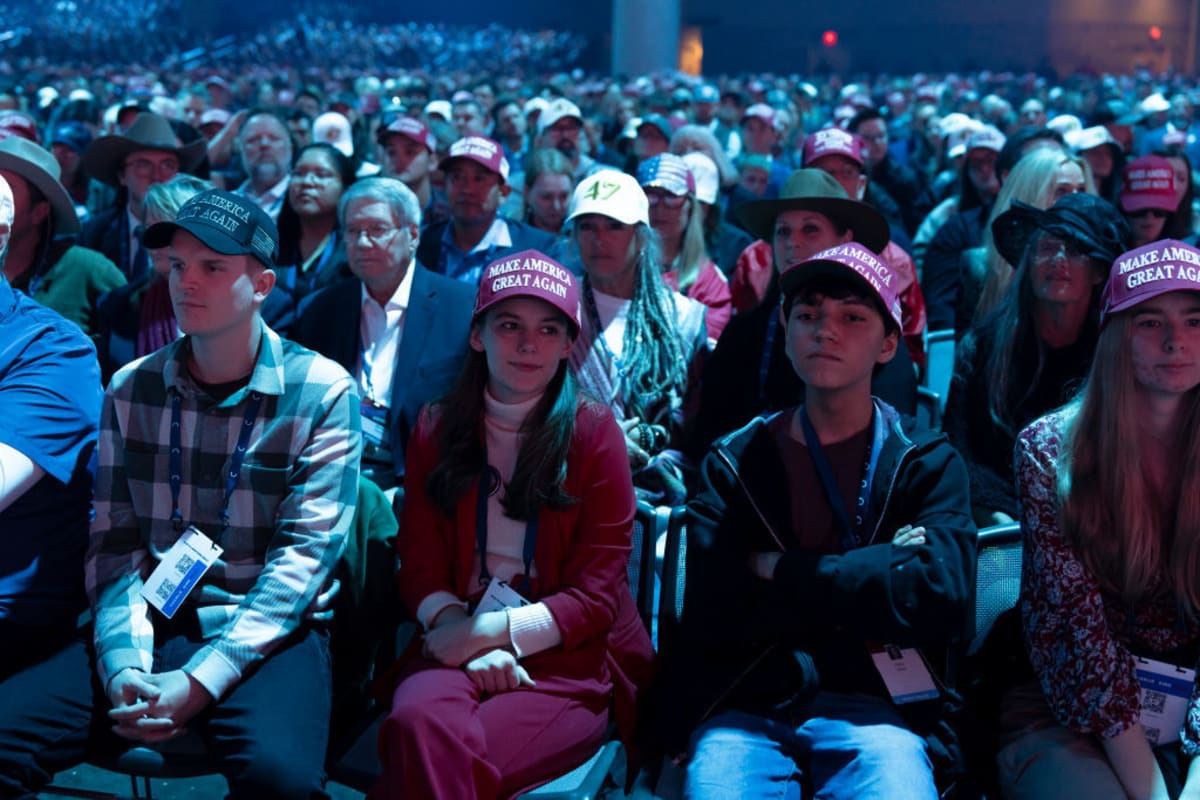
Lucas Beaver, a chapter president from North Carolina, said that some younger conservatives were navigating competing voices while trying to stay focused on long-term goals.
Turning Point spokesperson Andrew Kolvet said that no single person could immediately fill Kirk’s role, describing the transition as a collective effort.
JD Vance steps in with a unity message
Vance addressed the divisions directly during his speech on the final day, urging attendees to resist internal conflicts and unite on common ground.
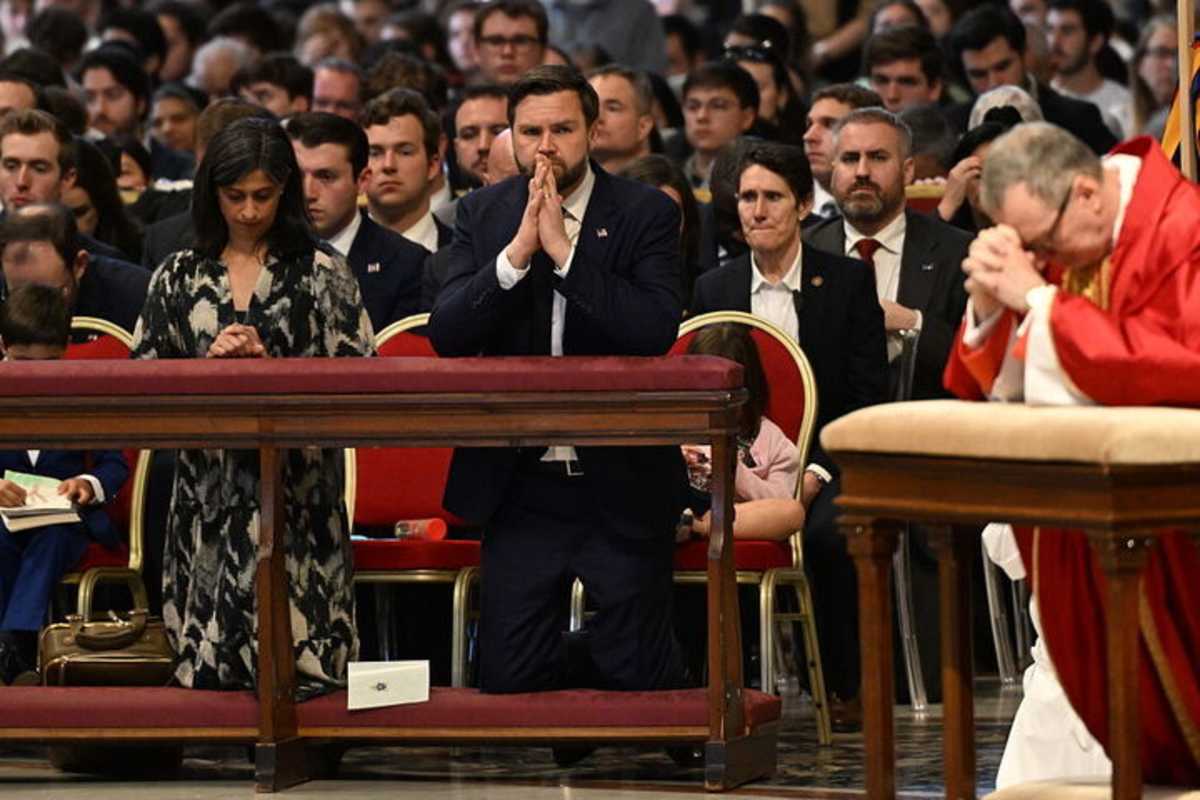
“We have far more important work to do than canceling each other,” Vance said, drawing applause from the crowd. He emphasized that the conservative movement remained open to a wide range of voices, provided they share a commitment to the country’s future.
Vance referenced Kirk’s legacy, saying that the late founder believed in allowing disagreement while trusting supporters to form their own judgments.
“Charlie invited all of us here for a reason,” Vance said.
Focus shifts to elections and shared priorities
Alongside his unity message, Vance encouraged supporters to channel energy toward upcoming electoral contests and policy goals. He framed internal disagreements as distractions that could weaken broader efforts ahead of the midterms.
House Speaker Mike Johnson echoed that sentiment in his own remarks, stressing the importance of maintaining momentum and coordination within the party.
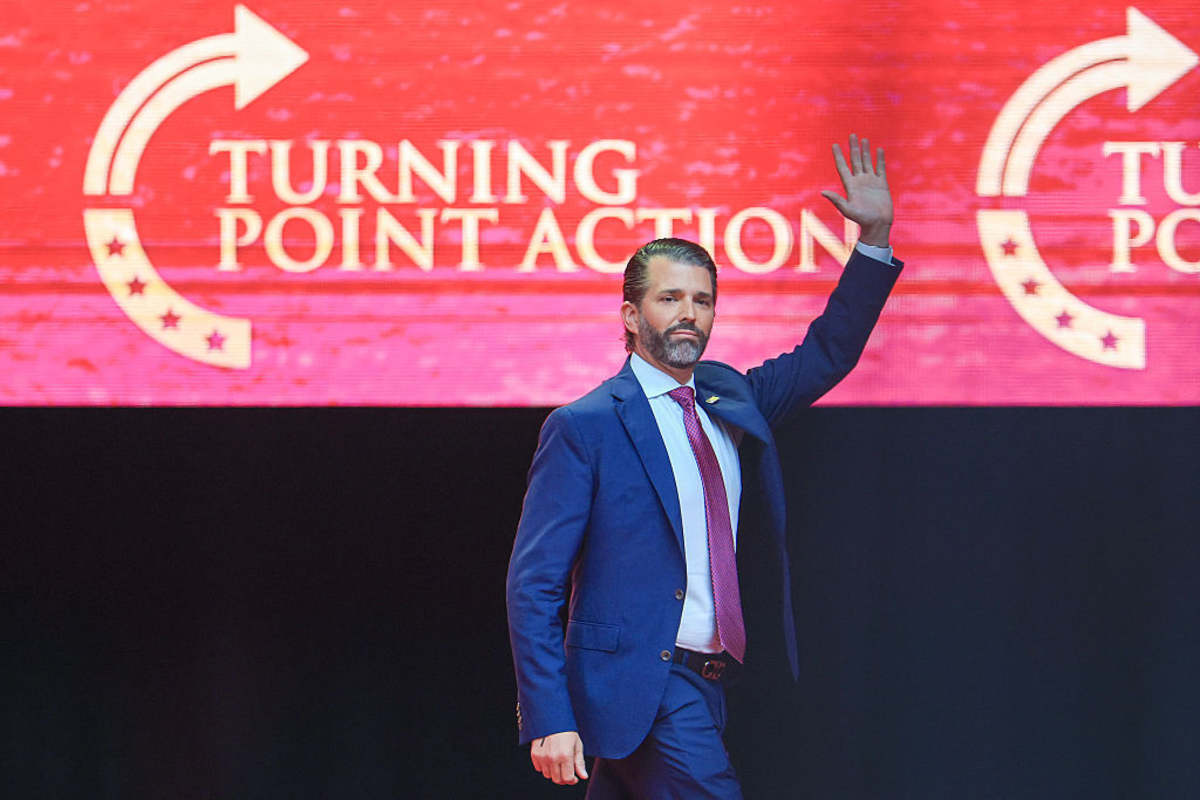
Other speakers, including Rep Byron Donalds and Donald Trump Jr, similarly called for unity, urging attendees to avoid internal divisions and focus on defeating political opponents.