Jeffries demands ICE warrant reforms as DHS funding deal stalls amid backlash
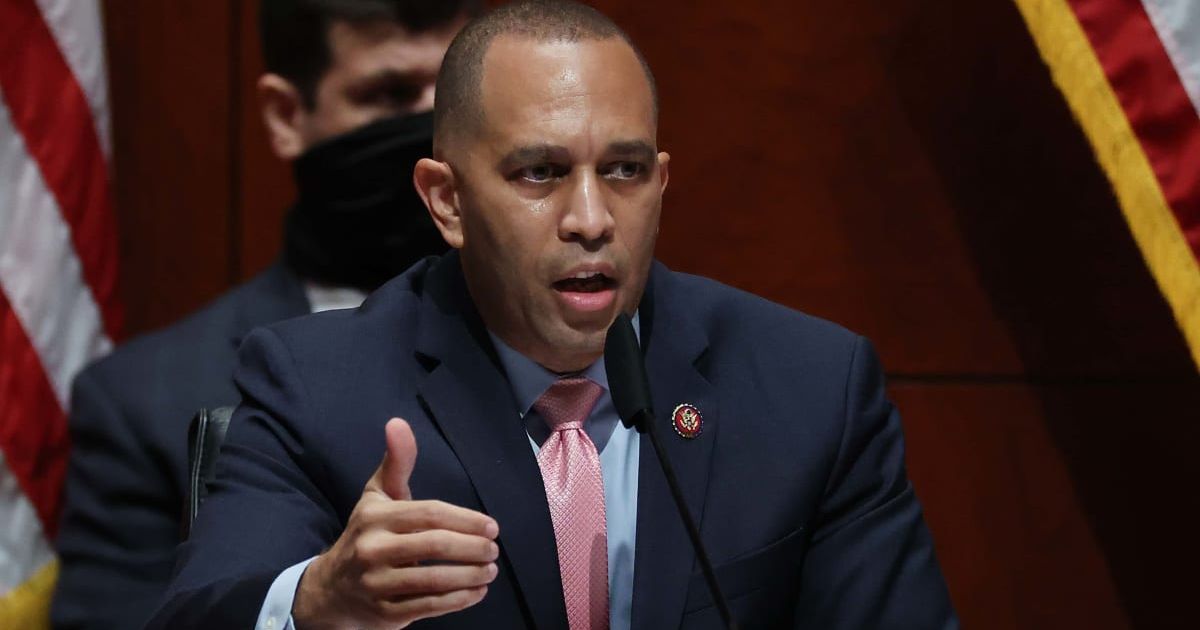
WASHINGTON, DC: On Sunday, February 1, House Democratic Leader Hakeem Jeffries stated that any changes to Immigration and Customs Enforcement (ICE) are essential before moving forward with funding for the Department of Homeland Security (DHS). He emphasized Democrats will not agree to the rapid approval of a DHS funding package unless there are enforceable reforms related to federal immigration enforcement.
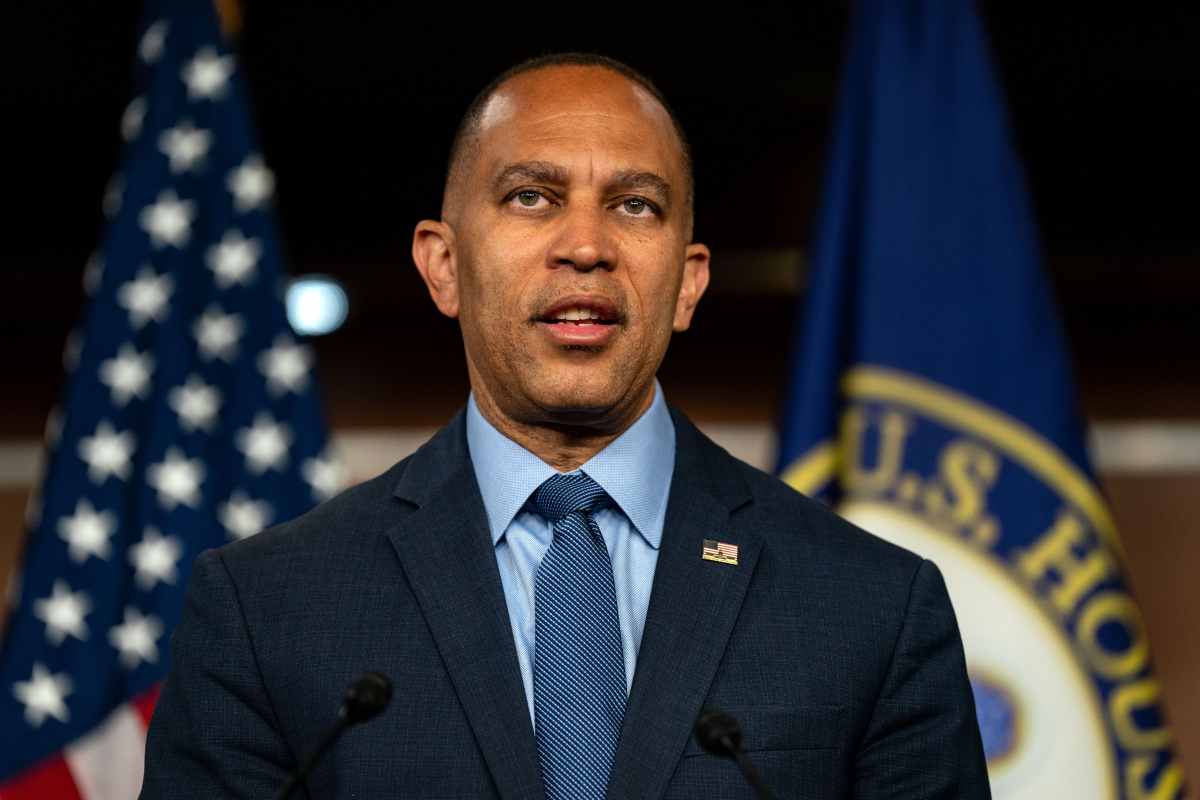
The position comes as the Department of Homeland Security faces a partial shutdown following the shooting deaths of two American citizens by federal agents in Minneapolis last month. Jeffries said that Democrats view the funding fight as leverage to impose statutory limits on ICE operations, arguing that additional oversight is necessary before taxpayer dollars are released.
Democrats push for judicial warrants

One of the central Democratic demands is a requirement that ICE obtain judicial warrants before making arrests. Under current practice, ICE often relies on administrative warrants issued internally by DHS or ICE officials, rather than warrants approved by a judge or magistrate.
Jeffries argued that requiring court-approved warrants would bring ICE into line with other law enforcement agencies and subject arrest warrants to independent judicial review. “ICE agents should conduct themselves like every other law enforcement agency in the country,” Jeffries said, criticizing current practices and asserting that judicial oversight is needed to curb what he called unlawful conduct.
Republicans have rejected the proposal outright. Senator Lindsey Graham said on Fox News Sunday that the requirement “ain’t going to happen,” arguing it would significantly slow enforcement operations. House Speaker Mike Johnson also opposed the measure, calling it an unnecessary layer of bureaucracy that would hinder ICE’s operations.
Reforms target masks and cameras
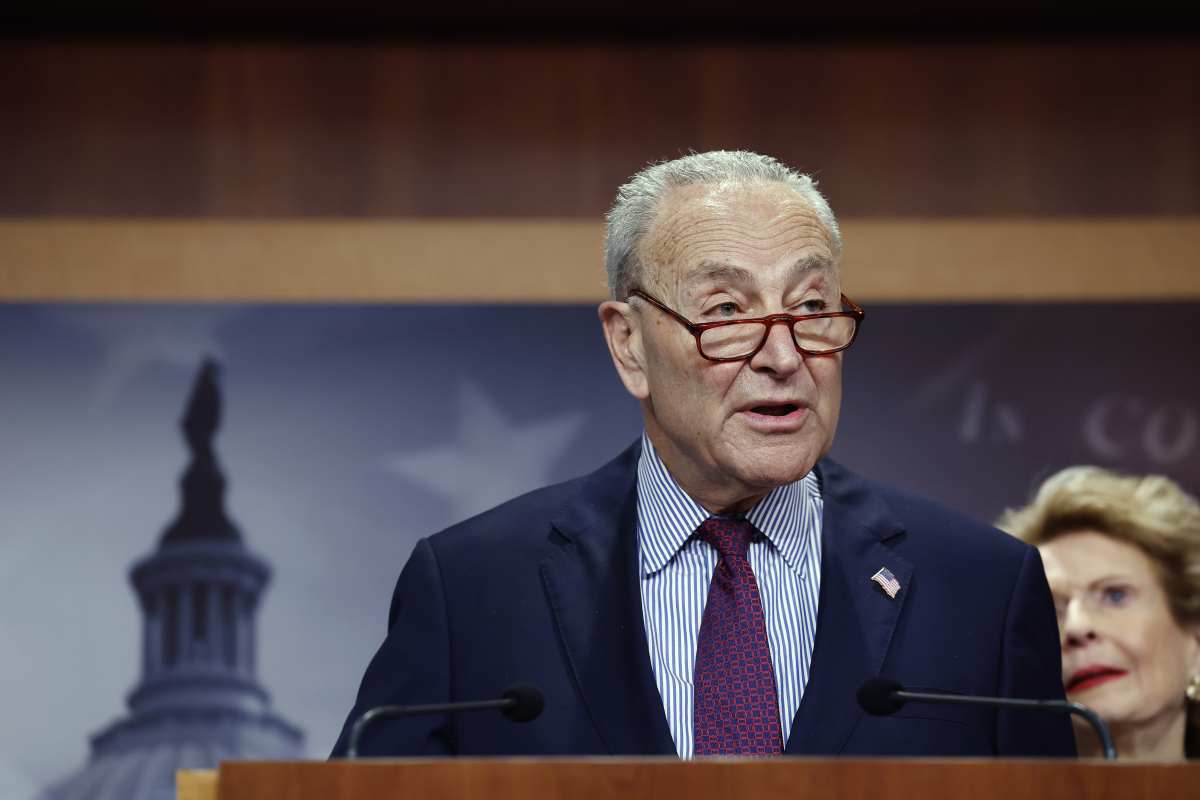
In addition to warrant requirements, Democrats are pressing for rules that would require federal agents to be unmasked during operations and to wear body cameras. Jeffries and Senate Democrats, including Minority Leader Chuck Schumer, have said these measures are aimed at increasing accountability during enforcement actions.
The Senate has already passed a two-week continuing resolution to keep DHS funded temporarily while negotiations continue. Jeffries described the stopgap as an opportunity to secure binding changes, insisting that agents should be clearly identifiable and subject to enforceable standards of conduct.
The administration has faced scrutiny following the killing of 37-year-old Alex Pretti in Minneapolis. Jeffries said the incident underscores the need for reforms, arguing that Congress cannot approve long-term funding without assurances on how enforcement will be carried out.
DOJ faces Epstein document backlash

The DHS funding dispute has unfolded alongside renewed criticism of the Justice Department over its handling of Jeffrey Epstein-related records. On Friday, the DOJ released more than 3 million pages of documents, including thousands of videos and images, weeks after a congressional deadline.
Jeffries said the release was incomplete and accused the department of continuing to withhold materials. He questioned what information remains undisclosed and who might be shielded by the delays. Deputy Attorney General Todd Blanche has said the department’s review is finished and that no additional disclosures are forthcoming.
Jeffries linked the Epstein dispute to broader concerns about accountability, arguing that transparency failures at DOJ reflect the same issues Democrats say must be addressed within DHS.
Shutdown expected to extend further
With the House returning Monday, Democratic resistance to fast-tracking DHS funding is expected to delay a final vote until at least Tuesday, extending the partial shutdown affecting the agency. While Congress has approved several other appropriations bills, DHS remains unfunded beyond the temporary extension.
Jeffries said the delay is intentional and aimed at forcing negotiations over enforcement standards. Republicans, including members of the House Freedom Caucus, have aligned with the White House and signaled they will not support funding that imposes new limits on ICE operations.
The standoff has left the timeline for fully reopening DHS uncertain, with both sides signaling little willingness to back down as negotiations continue.