Jeffries signals renewed House vote to curb Trump’s Iran war authority
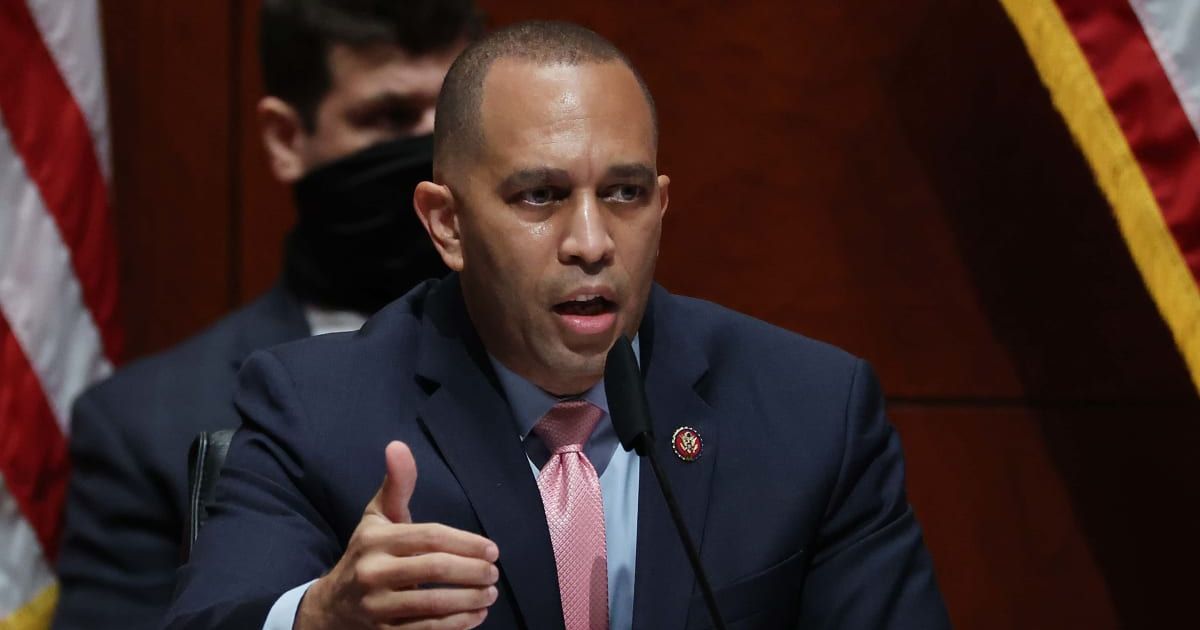
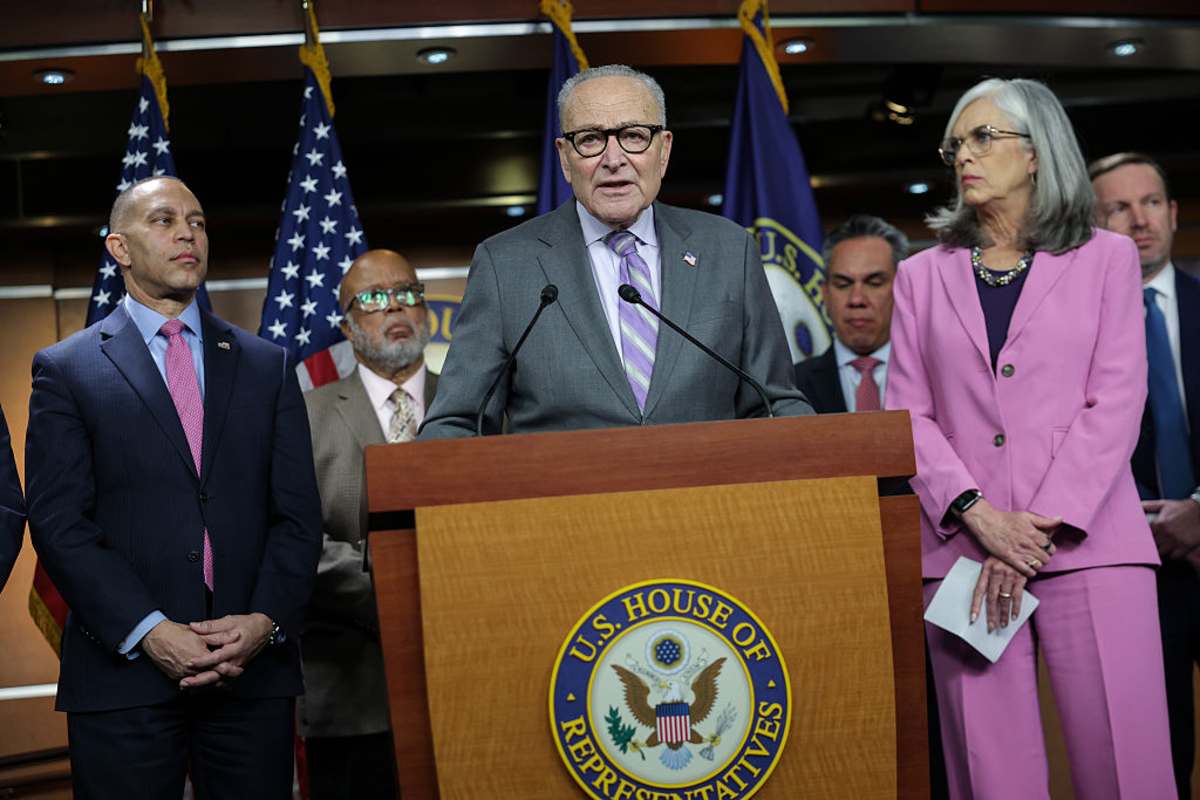
WASHINGTON, DC: House Minority Leader Hakeem Jeffries said the US House of Representatives will again vote on a war powers resolution aimed at limiting President Donald Trump’s authority to continue the war with Iran once lawmakers return to session.
Speaking on MSNBC’s MS Now, Jeffries said Democrats intend to bring the measure back to the House floor after an earlier attempt narrowly failed.
“We brought a war powers resolution to the floor of the Congress that fell a few votes short when we were in session earlier this month,” Jeffries said. “Upon our return, we’ll continue to do the same thing,” he added.
The House is scheduled to reconvene on Monday, setting the stage for renewed debate in Washington over the scope of presidential authority during the escalating conflict in the Middle East.
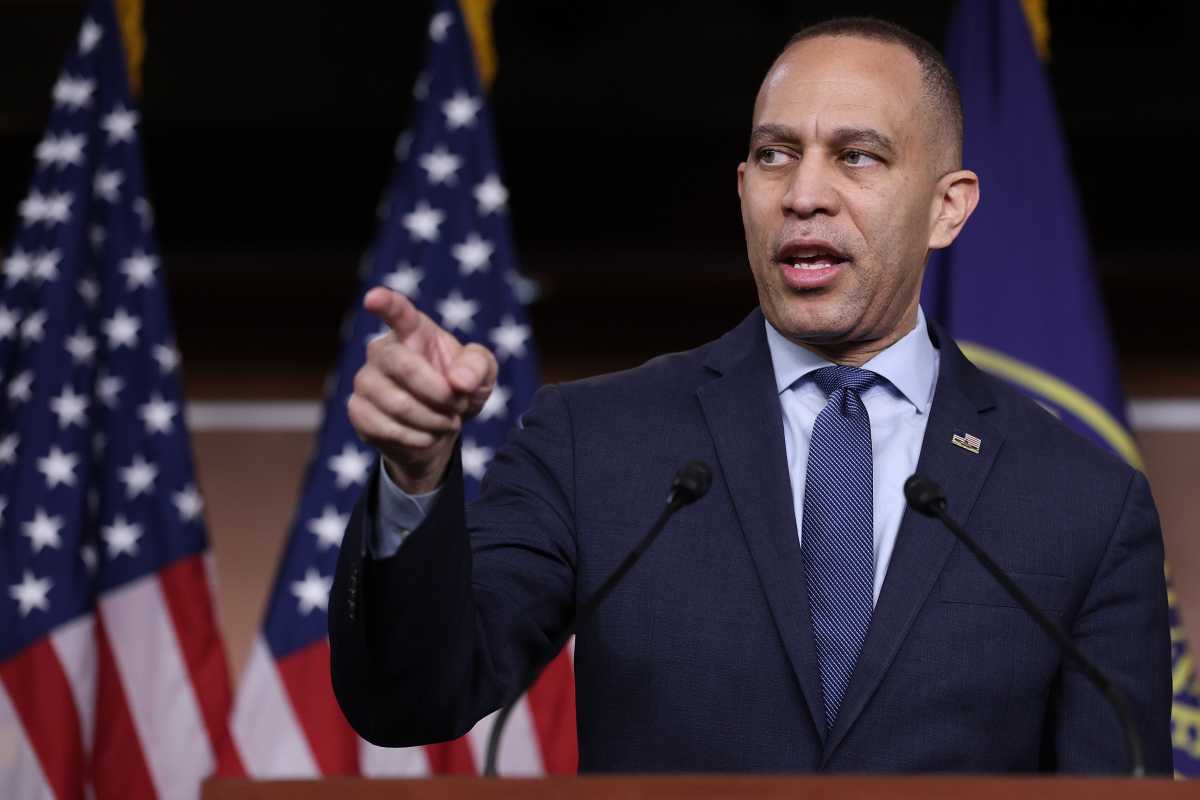
Narrow defeat leaves door open for new vote
The earlier resolution failed by a narrow margin, highlighting deep divisions in Congress over the expanding US military campaign against Iran.
Lawmakers voted 219–212 against the measure, with most Republicans opposing it and four Democrats also voting against the resolution, preventing it from passing.
The legislation was designed to invoke the War Powers Resolution of 1973, a law intended to ensure that Congress retains the authority to decide when the United States enters sustained military conflict.
Supporters of the measure argue that the Constitution grants Congress, not the president, the power to declare war, and that lawmakers should authorize any prolonged military engagement.
Jeffries said some of the Democrats who opposed the measure previously have since indicated they may now support it.
“Several of them have indicated that the next time we bring such a resolution to the floor, they will be prepared to support it,” he said.
If those votes shift, Democrats believe the resolution could pass during the next attempt.
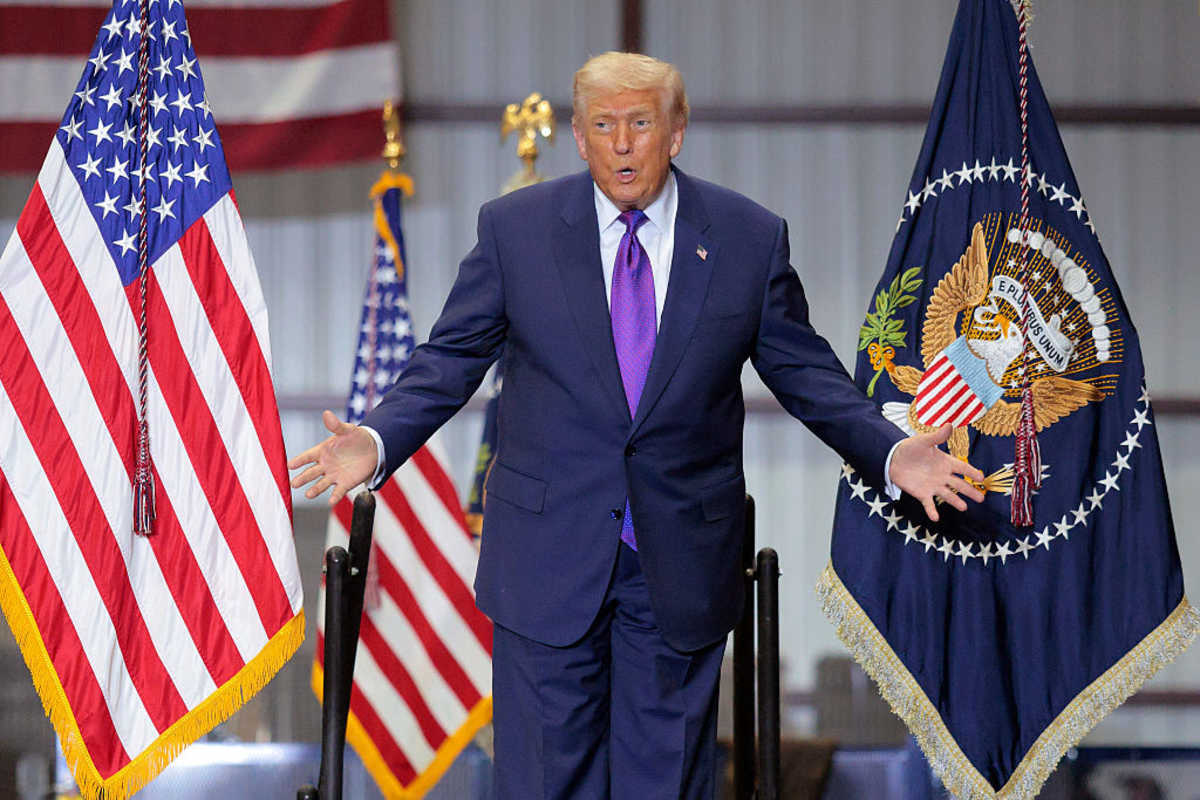
Democrats challenge Trump’s war justification
Jeffries and other Democratic leaders have repeatedly questioned the administration’s justification for launching strikes against Iran alongside Israel.
Jeffries has argued that the White House has not provided a compelling explanation for the decision to expand military operations in the region.
He previously said the president had “failed to articulate a compelling reason” for initiating what he described as a “war of choice” that risks drawing the United States deeper into Middle East conflict while costing billions of dollars.
The conflict has already generated high financial costs. Analysts estimate the military campaign has cost more than $5 billion in its early stages, raising concerns among lawmakers about the long-term financial burden.
Democrats have also criticized the administration for prioritizing military spending abroad while domestic economic issues such as inflation and rising grocery prices remain pressing concerns for American families.
War powers debate intensifies in Congress
The push for a House vote is part of a broader effort among Democrats in Congress to assert legislative oversight over the expanding war.
In the Senate, several Democratic lawmakers, including Tim Kaine, Cory Booker and Adam Schiff, have introduced similar war powers measures aimed at forcing debate and requiring congressional approval for continued military involvement.
Those efforts are designed to compel lawmakers to vote on whether US forces should remain engaged in the conflict unless Congress explicitly authorizes the war.
However, Republicans, who currently control both chambers of Congress, have largely defended Trump’s actions, arguing the president has the constitutional authority to conduct military operations and respond to threats without additional authorization.