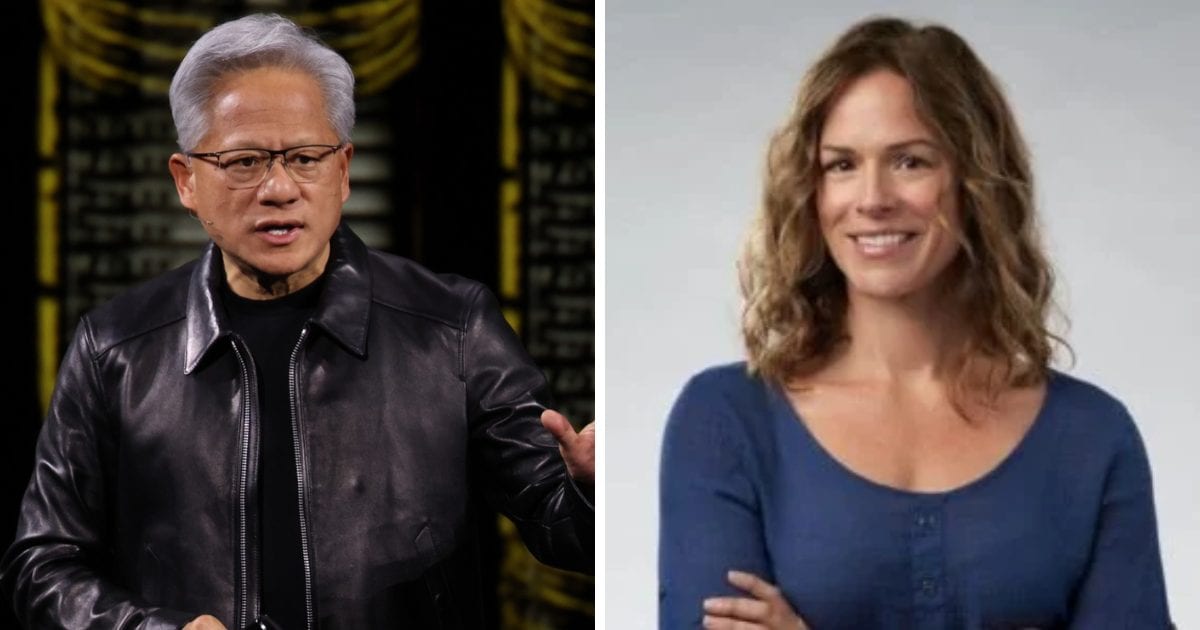
Jensen Huang resigns as Nvidia CEO with immediate effect amid alleged Chinese spy scandal
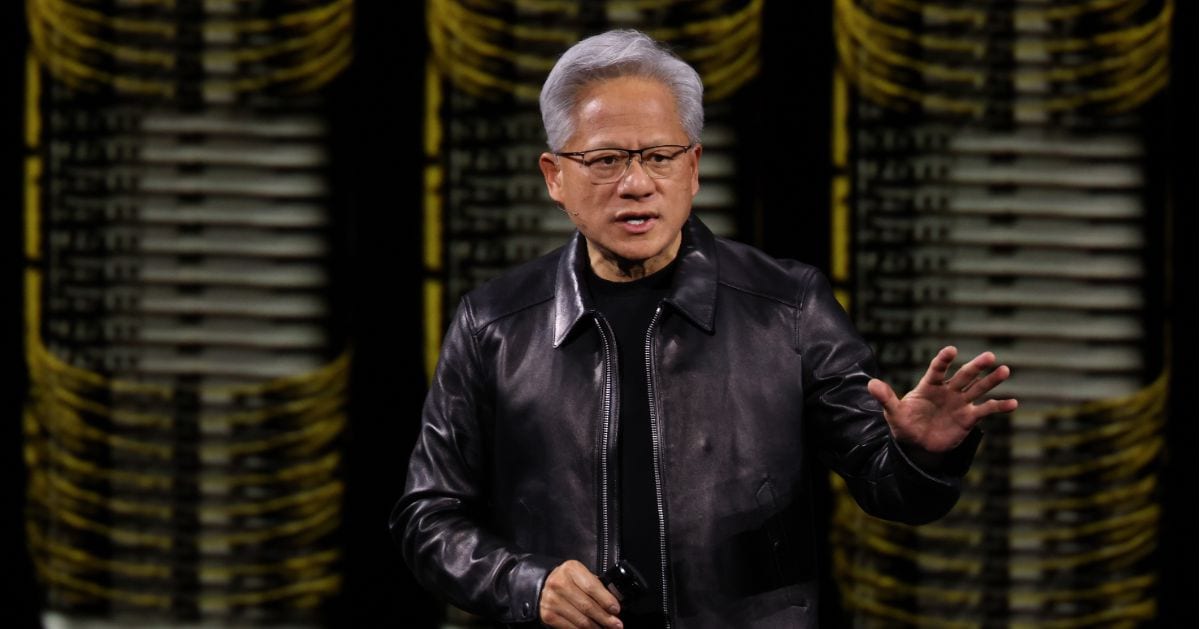
SANTA CLARA, CALIFORNIA: Jensen Huang has stepped down as the Nvidia president and CEO with immediate effect, according to a press release issued by the company on Thursday, November 12.
Huang has also left the board, bringing his 33-year journey with the company he helped establish to an abrupt end.
His sudden departure follows a controversy surrounding an alleged Chinese intelligence operative, which sparked an investigation and pushed Nvidia into a deepening leadership crisis.
NVIDIA announces CEO transition. Read the release: https://t.co/MTTUvFHCJA
— NVIDIA Newsroom (@nvidianewsroom) November 12, 2026
Nvidia announces Jensen Huang's exit
In its statement, Nvidia’s board confirmed that Huang had resigned from all three positions: president, CEO and board member with immediate effect.
However, it offered no reason for his sudden exit and made no mention of the allegations linked to his personal relationships.
The announcement instead focused on his legacy, crediting him with making a profound impact on Nvidia and the technology industry.
Chief Financial Officer Colette Kress will take over as interim CEO while continuing to oversee the company’s finances.
The board has already started searching for a permanent replacement, with plans to consider both internal executives and external candidates.
Kress joined Nvidia in September 2013 and has spent more than 13 years leading its finance operations.
Before moving to the chipmaker, she built nearly 25 years of experience in financial leadership roles at major technology firms, including Cisco and Microsoft.
The board also named Harvey C Jones as its first-ever chair.
Jones, an entrepreneur and technology investor, previously held the positions of CEO and executive chairman at Synopsys.
Chinese spy allegations engulf Nvidia
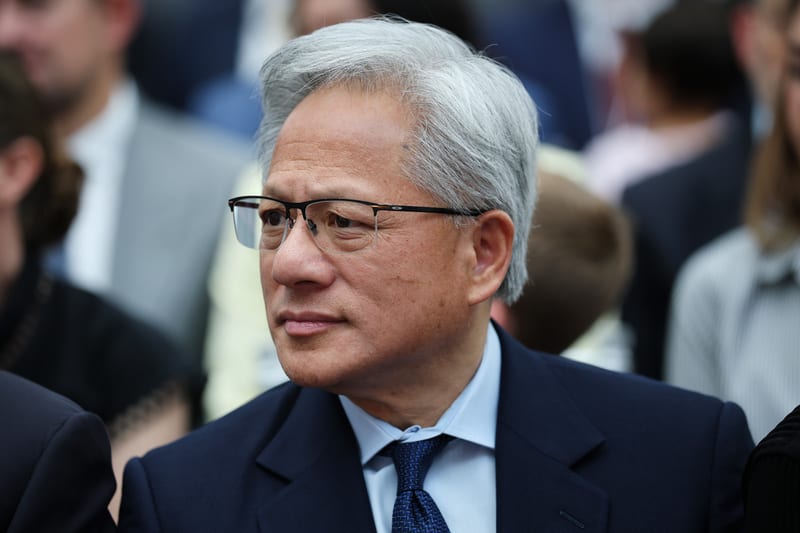
The controversy surrounding Jensen Huang began with reports about his association with Alice Huang, a Chinese businesswoman suspected by US intelligence officials of having connections to Beijing.
She has no family ties to the Nvidia co-founder and was reportedly linked to Singapore-based Megaspeed International.
US authorities allegedly believed she had helped Chinese interests acquire advanced Nvidia chips despite restrictions imposed by Washington on semiconductor exports.
On November 8, Nvidia’s board disclosed that it had launched an independent investigation into reports suggesting Huang was the target of a foreign intelligence operation.
The board said it had found no reason to suspect that either US national security or Nvidia’s confidential information had been compromised.
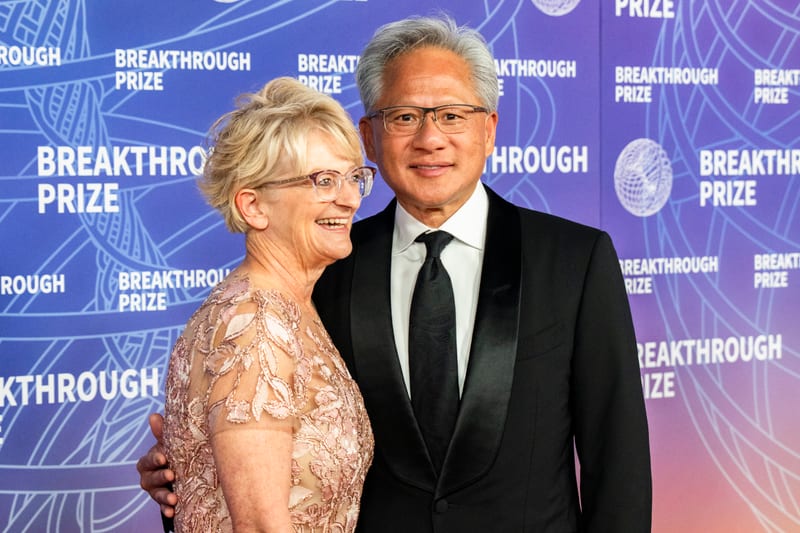
Huang agreed to assist with the investigation.
Further reports added another layer to the controversy, alleging that Huang had a separate relationship with a female Nvidia executive who worked under him.
Separately, Huang admitted to being unfaithful to his wife and apologized to his family and colleagues.
It remains to be seen whether Nvidia’s investigation will uncover further details about the alleged Chinese intelligence operation and what Huang’s sudden departure could mean for the company’s future.