Lindsay Clancy defense rests, but one question could decide the triple-killing case
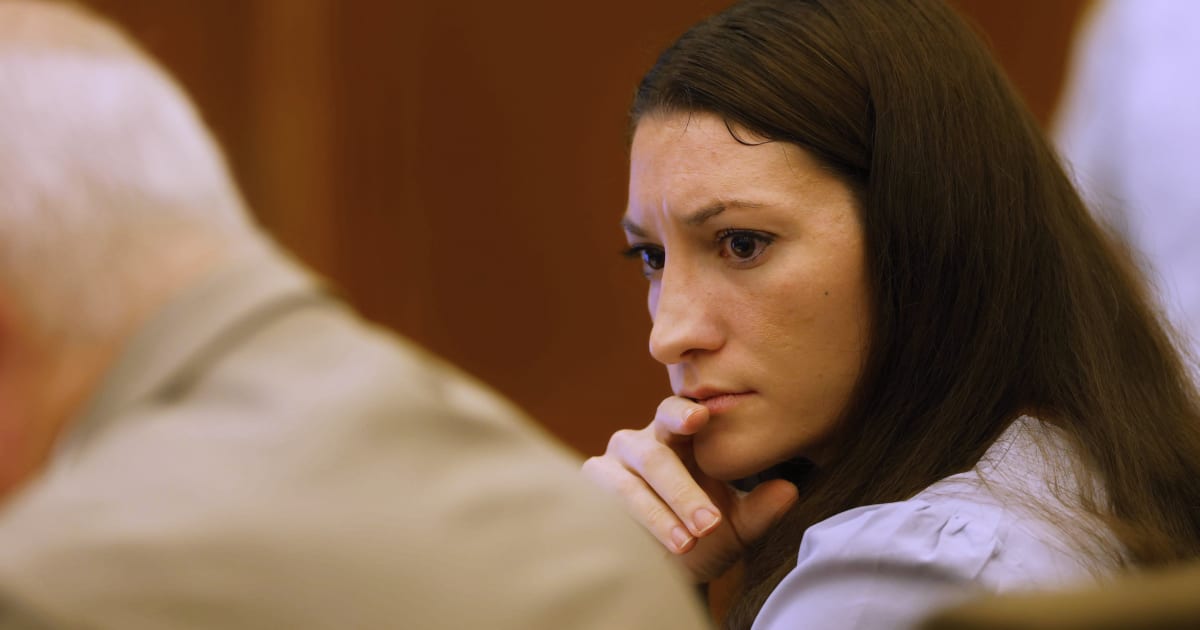
WASHINGTON, DC: The defense has rested in the triple-killing trial of Lindsay Clancy after a psychiatrist testified that she was “frankly psychotic” when she fatally strangled her three children in January 2023.
Clancy, 36, does not dispute that she killed Cora, 5, Dawson, 3, and Callan, 8 months, but her lawyers argue she was not criminally responsible because of severe postpartum psychosis.
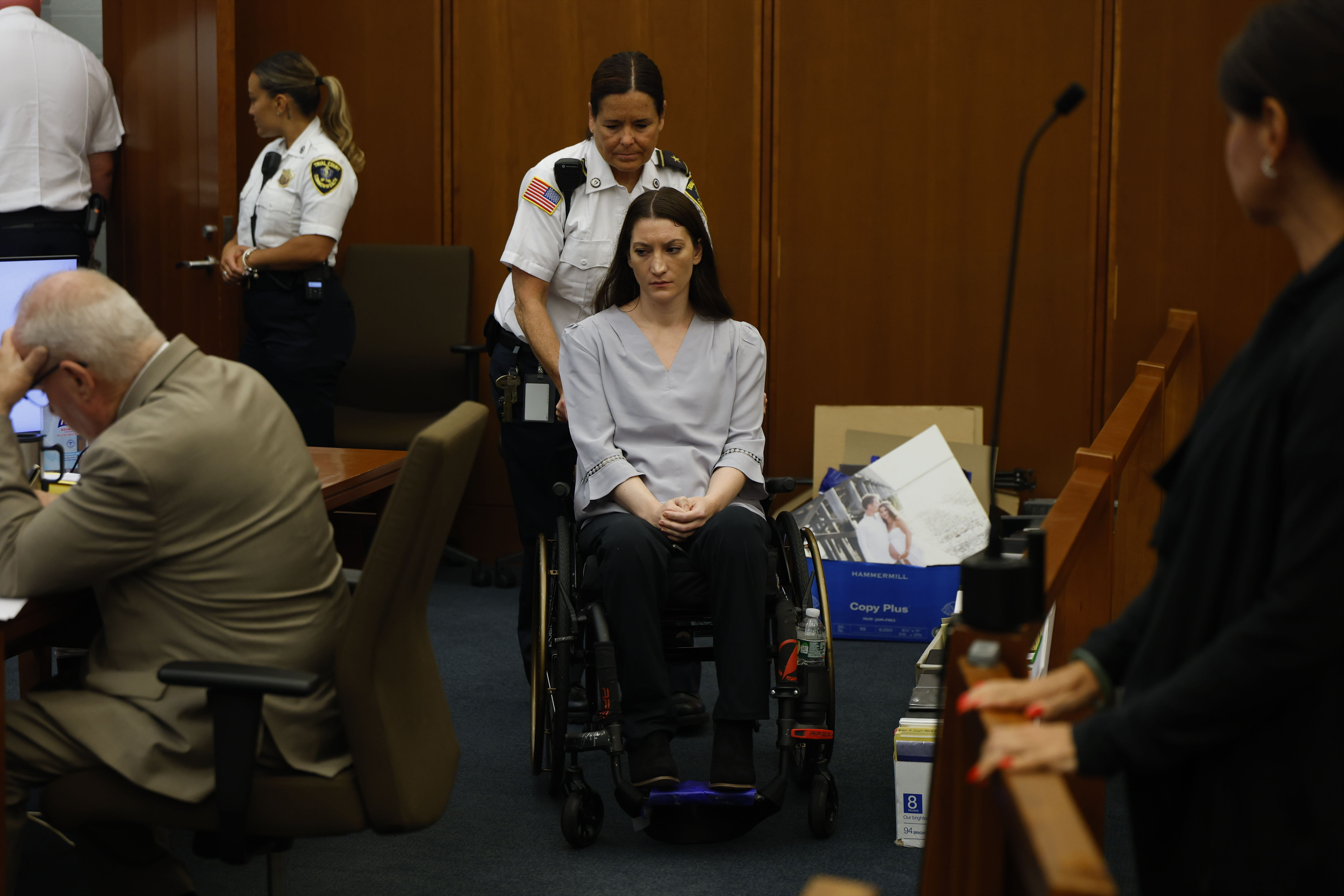
Clancy did not testify. Her defense called 10 witnesses, including mental-health experts and family members who described a sharp deterioration in her condition after the birth of her youngest child.
The prosecution has argued that she killed the children deliberately and was not experiencing psychosis.
Psychiatrist delivers defense's final testimony
The defense’s final witness, forensic psychiatrist Dr Phillip Resnick, told jurors that Clancy was “frankly psychotic” on the day of the killings.
The defense's star expert testified Friday that Lindsay Clancy killed her three children out of a distorted, psychotic belief that she was doing what was best for them.
— Fox True Crime (@FoxTrueCrime) August 21, 2026
Dr. Phillip Resnick, a forensic psychiatrist and authority on filicide, told jurors Clancy fit two of the five… pic.twitter.com/Ip4DCWiwJu
Resnick supported the defense account that Clancy experienced an auditory hallucination and believed a male voice was ordering her to kill her children and then herself.
Earlier, clinical and forensic psychologist Paul Zeizel testified that Clancy was unable to understand that her actions were wrong.
He said she had bipolar disorder with postpartum psychosis and could experience periods in which she appeared functional despite being psychotic.
A clinical psychologist testified Tuesday that Lindsay Clancy ran a road race shortly after giving birth to her youngest child, testimony prosecutors used to question her mental state.
— Fox True Crime (@FoxTrueCrime) August 18, 2026
Under questioning, Donald Condie agreed it was unusual to decide to run so soon after… pic.twitter.com/ZNT8T37G7o
Another defense expert, Dr Donald Condie, testified that people experiencing psychosis may minimize symptoms because they fear the consequences.
Clancy had reportedly worried that authorities could take her children away if she disclosed the severity of what she was experiencing.

Family describes desperate search for help
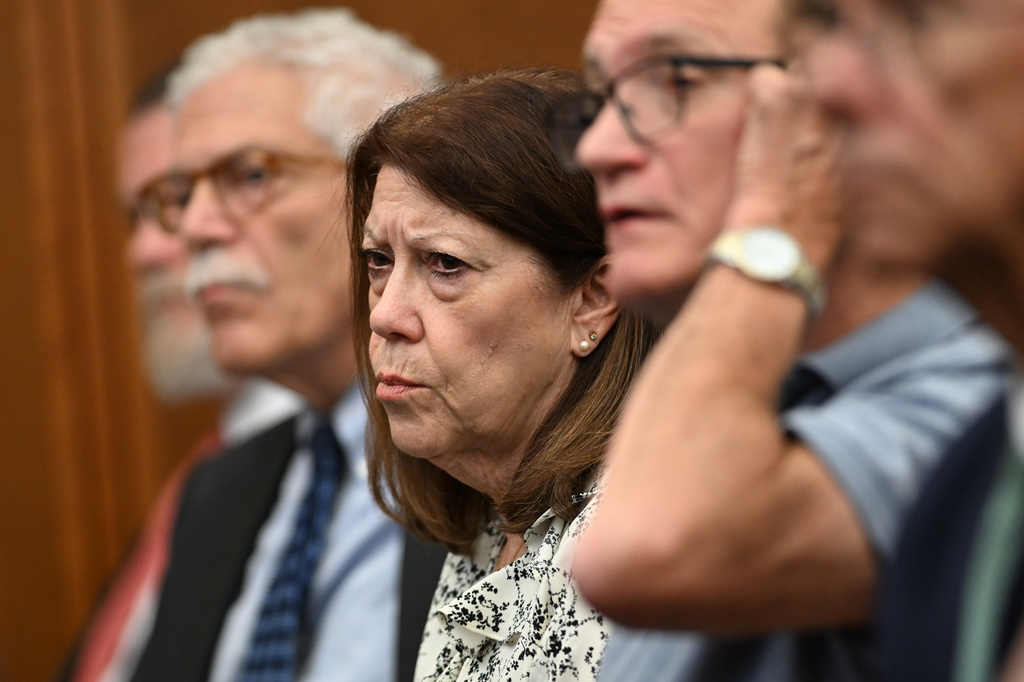
Clancy’s relatives testified that her mental health deteriorated rapidly in the months before the killings.
Her mother, Paula Musgrove, said Clancy became increasingly anxious, struggled with insomnia, lost weight, and repeatedly said she did not feel like herself.

She also testified that Clancy eventually told family members she was having thoughts of harming her children.
The defense presented evidence that Clancy sought treatment from multiple providers and contacted a self-harm crisis center twice. Her former mother-in-law described her as “begging for help.”
Mental-health testimony also focused on medications Clancy received before the killings and her reports that some treatments made her condition worse.
Prosecutors challenge psychosis defense
Prosecutors have argued that Clancy deliberately killed her three children and understood the nature of her actions.
They have acknowledged her mental-health struggles but disputed the defense’s claim that she was legally unable to understand right from wrong.
During questioning, prosecutors focused on Clancy’s interactions with medical providers before the killings and highlighted that she did not consistently report hearing a male voice.
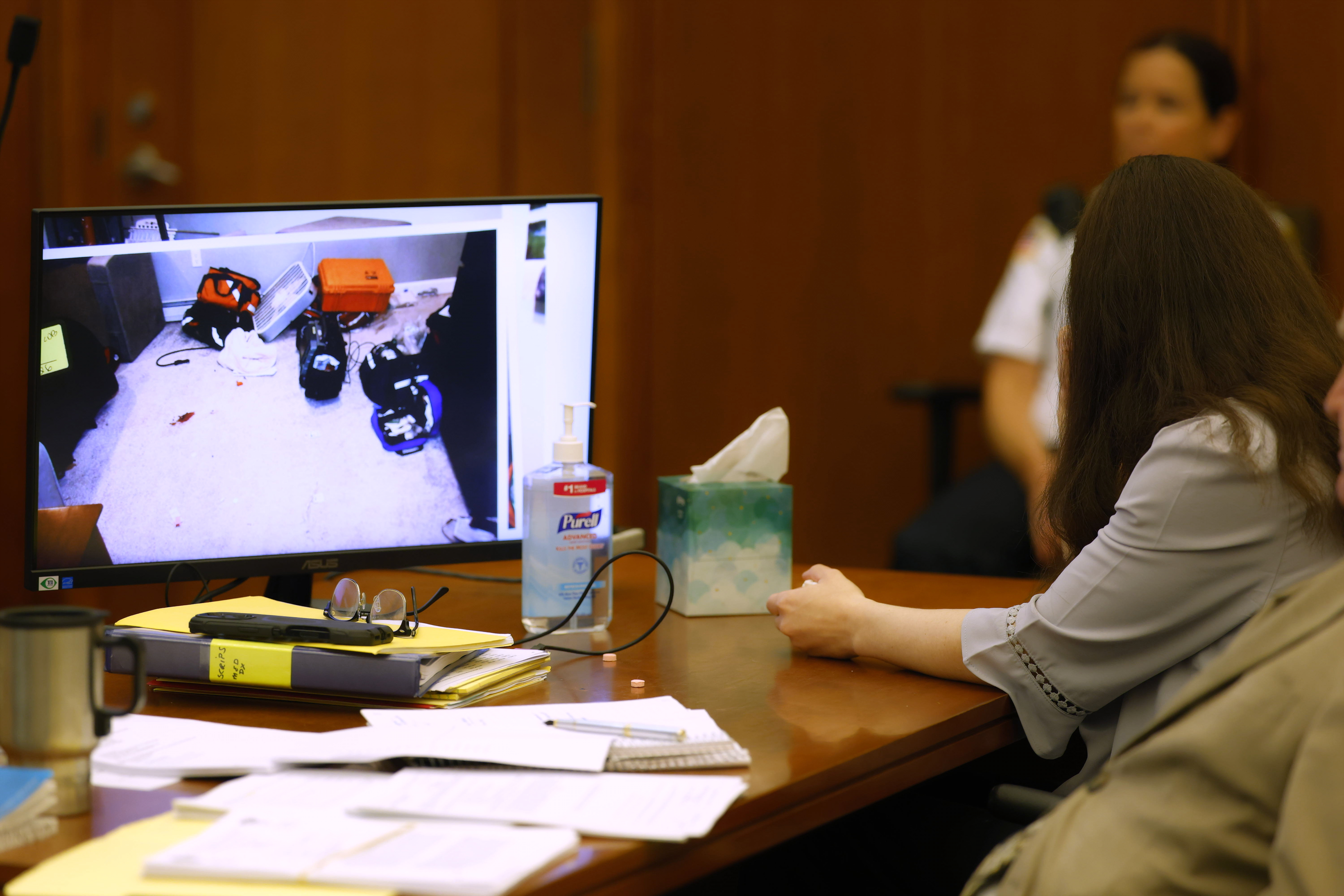
Defense experts, however, testified that psychotic symptoms can come and go and that patients may hide severe symptoms because they fear losing their children.
The competing accounts now leave jurors with the central issue in the case: whether Clancy’s mental state made her legally responsible for the deaths.